Is s.Oliver worth it, and what should you buy first?+
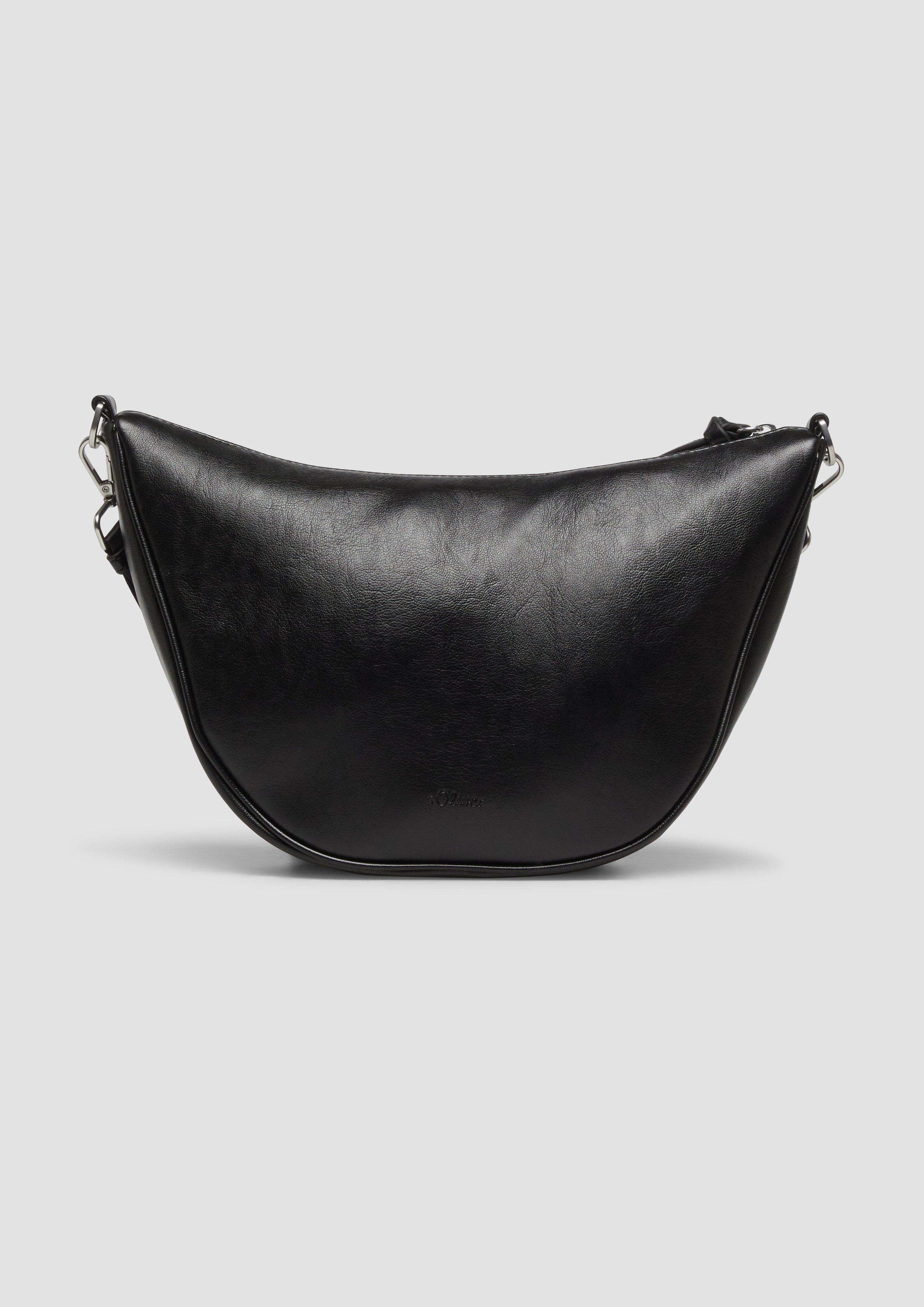
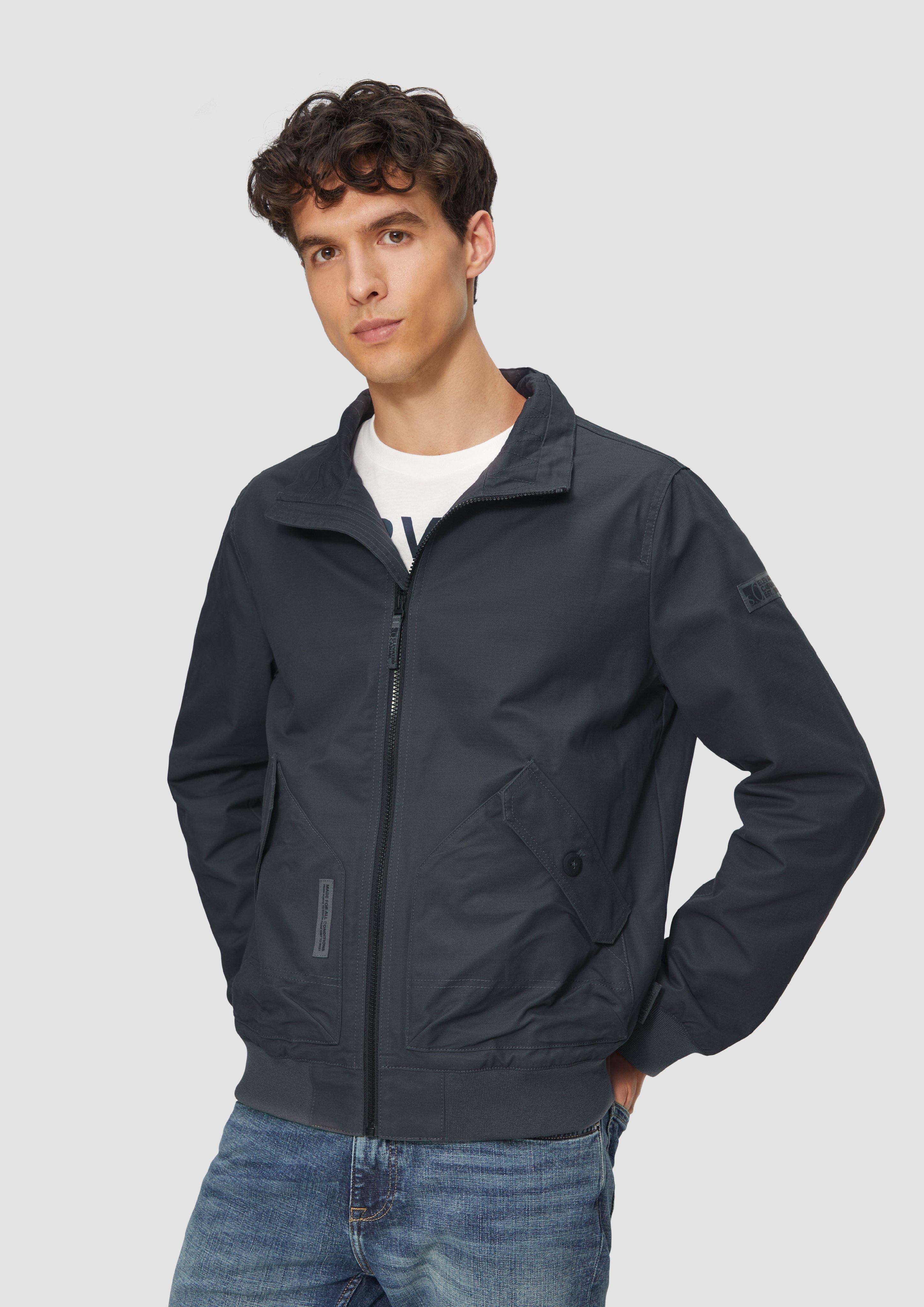
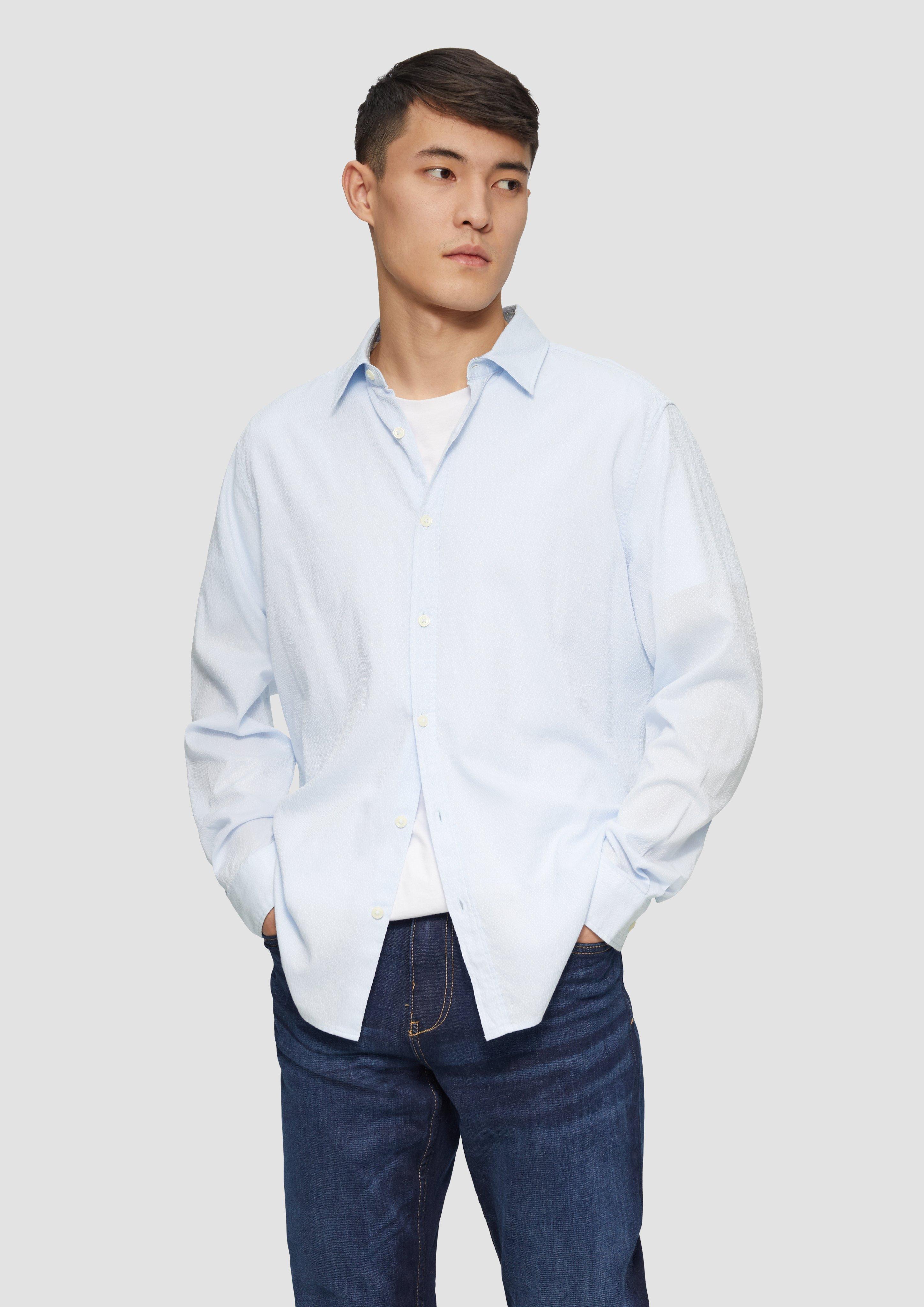
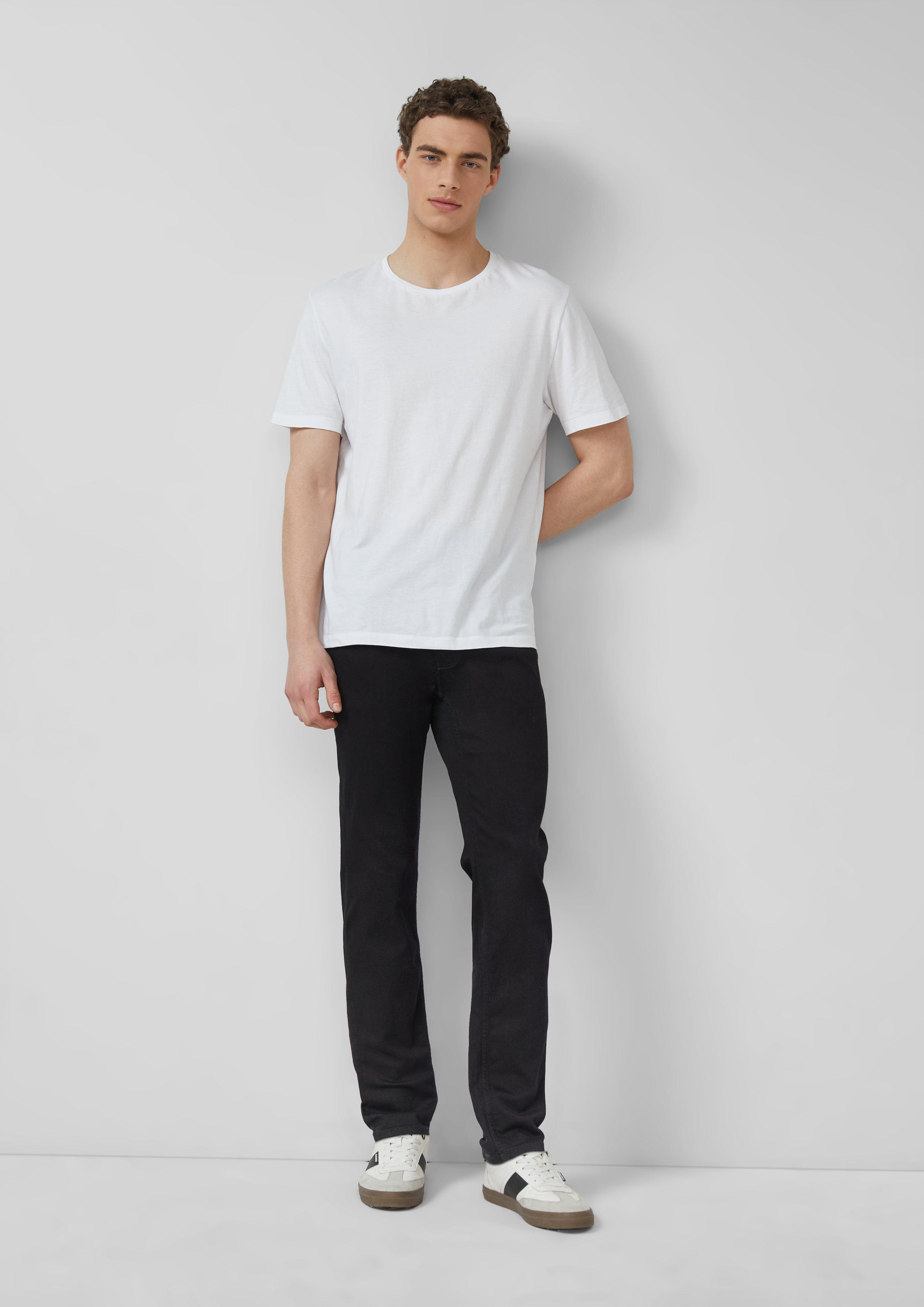
s.Oliver lives in Europe's accessible mid-market, so the honest pitch is dependable everyday wardrobe rather than statement luxury. The smartest first buy is the kind of casual staple the house was built on, like a well-cut shirt or a pair of jeans, where its modern design with a homely, comfortable feel shows best. Treat it as a reliable basics destination and you'll rarely be disappointed; expect heirloom durability and you're shopping the wrong shelf.
Is s.Oliver good quality?+
Quality here is genuinely good for the price tier, though it varies by category. Soft jersey, shirting and knits tend to win the most praise, while a few shoppers report shoes or boots wearing faster than hoped. Read it as solid value rather than investment-grade, and it holds up well.
Is s.Oliver an ethical, sustainable brand?+
s.Oliver has put real effort into supply-chain conditions and works with fair-labour initiatives, which gives it more credibility than the average mid-market label. It produces in facilities across Europe, the Middle East and Asia, with purchasing offices in places like Hong Kong, Chennai, Jakarta and Dhaka. If responsible sourcing matters to you, it's a reasonable, if not flawless, choice in its segment.
How does s.Oliver compare to Tom Tailor, H&M or Zara?+
s.Oliver and Tom Tailor occupy the same German mid-market lane, so the real difference is design language and fit rather than a big quality gap. Against fast-fashion names like H&M and Zara, s.Oliver leans a little more grown-up and wearable-basic, though shoppers debate which actually lasts longer. Pick s.Oliver when you want understated, age-spanning casualwear over trend-chasing.
Where can you buy s.Oliver?+
s.Oliver runs its own retail stores plus a large network of partner shops, and is stocked across thousands of sales floors throughout Europe and beyond. The brand sells in more than thirty countries, so between owned stores, partner outlets and online you'll find it readily across the continent. For the full range and current collections, the brand's own channels are the safest source.
What does the name s.Oliver actually mean?+
The name has a literary, very 1960s-London origin. Founder Bernd Freier christened his boutique Sir Oliver after the hero of Charles Dickens's Oliver Twist, adding the British "Sir" to borrow the international flair of London's gentleman's outfitters. After a 1978 trademark dispute over the word "Sir," it was shortened to s.Oliver and registered under that name in 1979.
When and where was s.Oliver founded?+
s.Oliver was founded in 1969 by Bernd Freier as a tiny boutique in Würzburg, Germany, occupying just 25 square metres of floor space. From that single small shop it grew into one of Germany's and Europe's leading fashion companies. Today it is headquartered in nearby Rottendorf.
Who owns and runs s.Oliver today?+
The business is legally s.Oliver Bernd Freier GmbH & Co. KG, founded and long led by Bernd Freier, who served as its billionaire CEO until 2014 and stepped away from management in November 2019. Since 4 November 2019, Claus-Dietrich Lahrs has been the company's CEO. Design, marketing, HR and logistics are all centralised at the Rottendorf headquarters.
How did a 25-square-metre boutique become a billion-euro company?+
A pivotal moment came in 1974, when Bernd Freier travelled to India to negotiate directly with textile manufacturers, freeing the brand from unreliable wholesalers. That move produced its own hit range of "Madras Check shirts," which sold strongly in Germany. The company went on to more than quadruple its turnover after 1995 and passed a billion euros in 2007.
What other brands belong to the s.Oliver story?+
s.Oliver has expanded well beyond its core label over the decades. It bought the denim maker Chicago in 1987 and relaunched it as Knockout, and the comma brand grew out of a company founded in 1993 before being formally taken over, though comma now operates independently. This gives the group reach across several price points and styles within accessible fashion.
Who is s.Oliver best suited for?+
It's built for shoppers who want modern, comfortable, unfussy clothing that works across ages and occasions, which is precisely how the brand positions its range "for all ages." If you favour wearable everyday pieces over loud trends or designer logos, it fits naturally. Style it simply, lean into the soft fabrics, and let it do the quiet-staple job it does well.