−66%
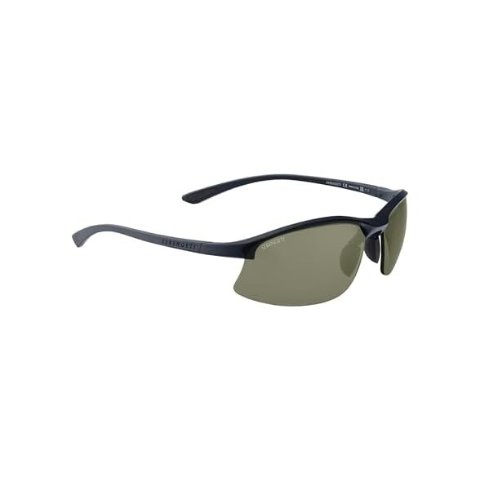
The sunglasses that read the light — photochromic, polarized lenses born from Corning glass science.
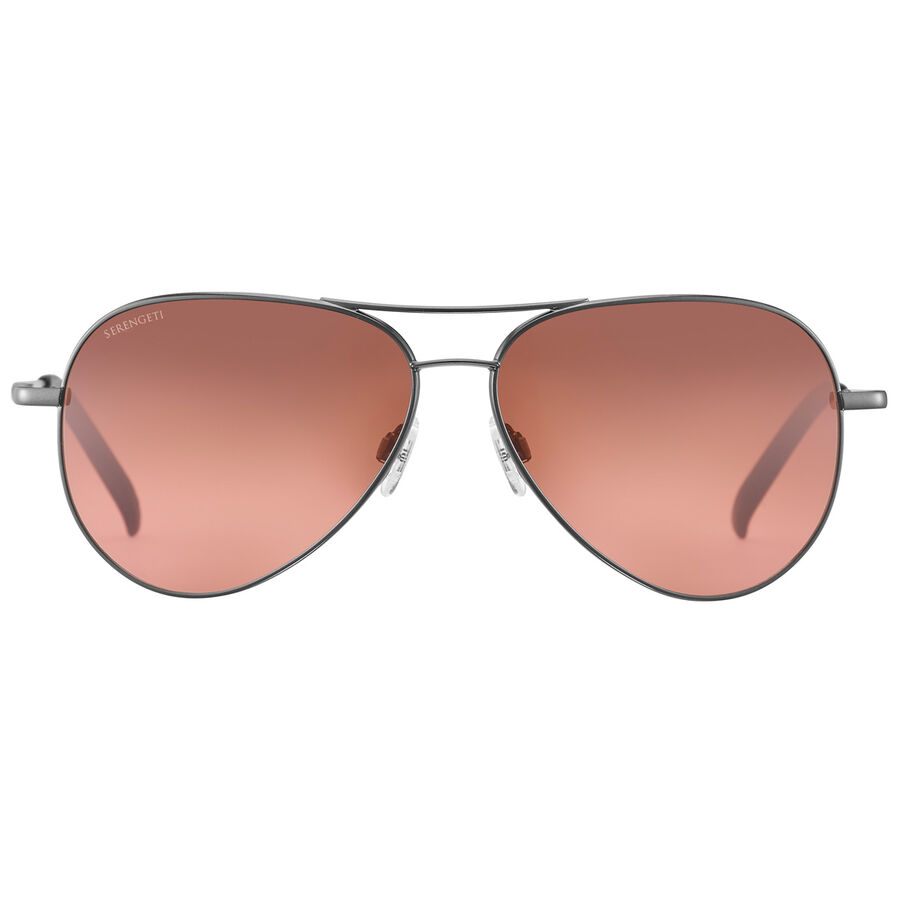
Real verified markdowns across Woot! — filter by category, retailer & price. Heart anything to track its price.
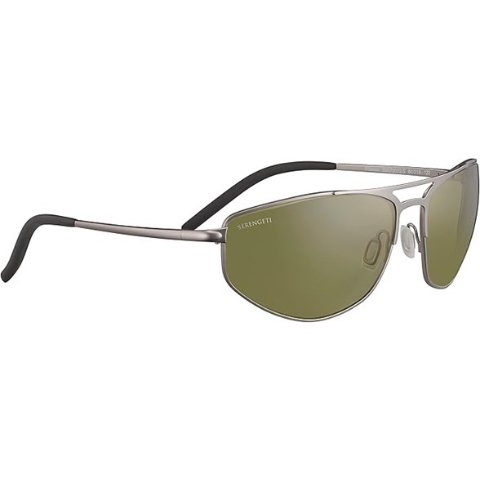
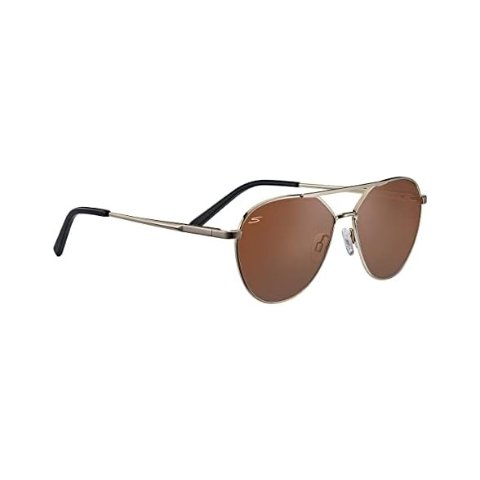
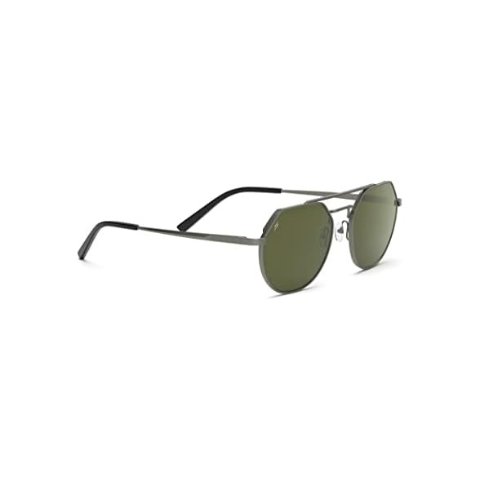
The brand was developed by Corning Incorporated, the glass company. By 1984 Corning was weighing closure over poor performance, until entrepreneur Zaki Mustafa convinced the board he could turn it around — and did, lifting sales from $5 million in 1985 to $62 million in 1992 with a sharper marketing and service focus. Its lenses pair tinted photochromic technology with polarization, and in the 1980s Tucker Viemeister designed sepia-toned aviators for the line. After passing through Bushnell and Vista Outdoor, Serengeti is now owned by Bollé Brands.
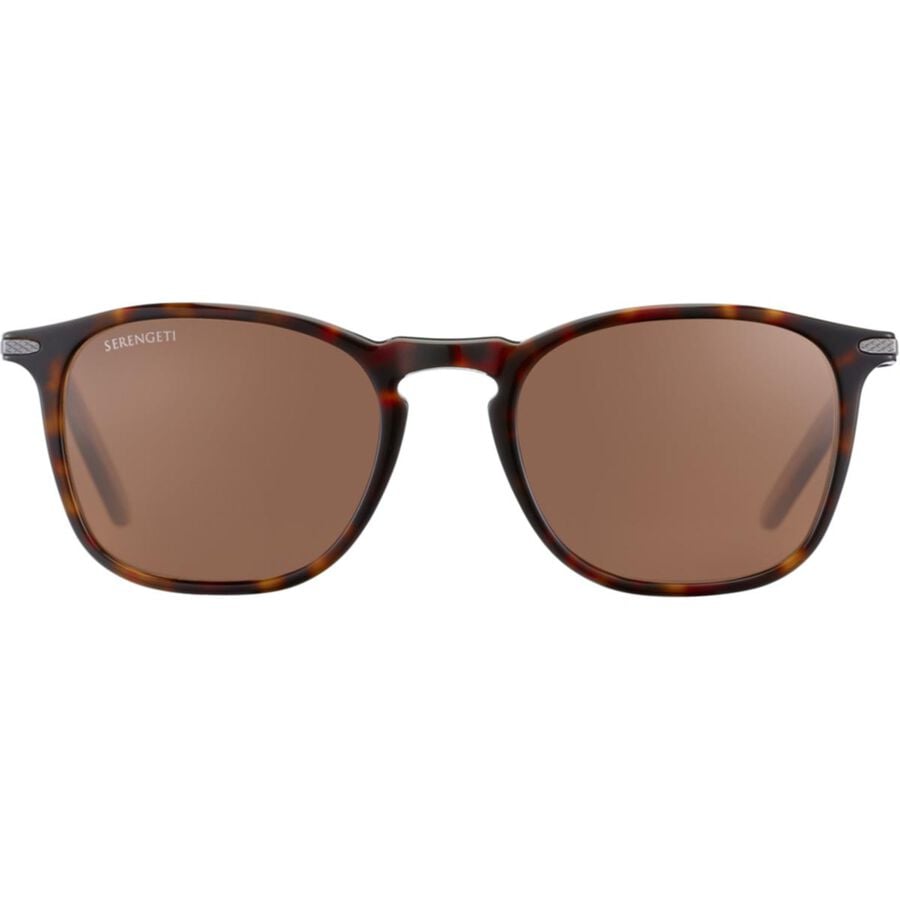
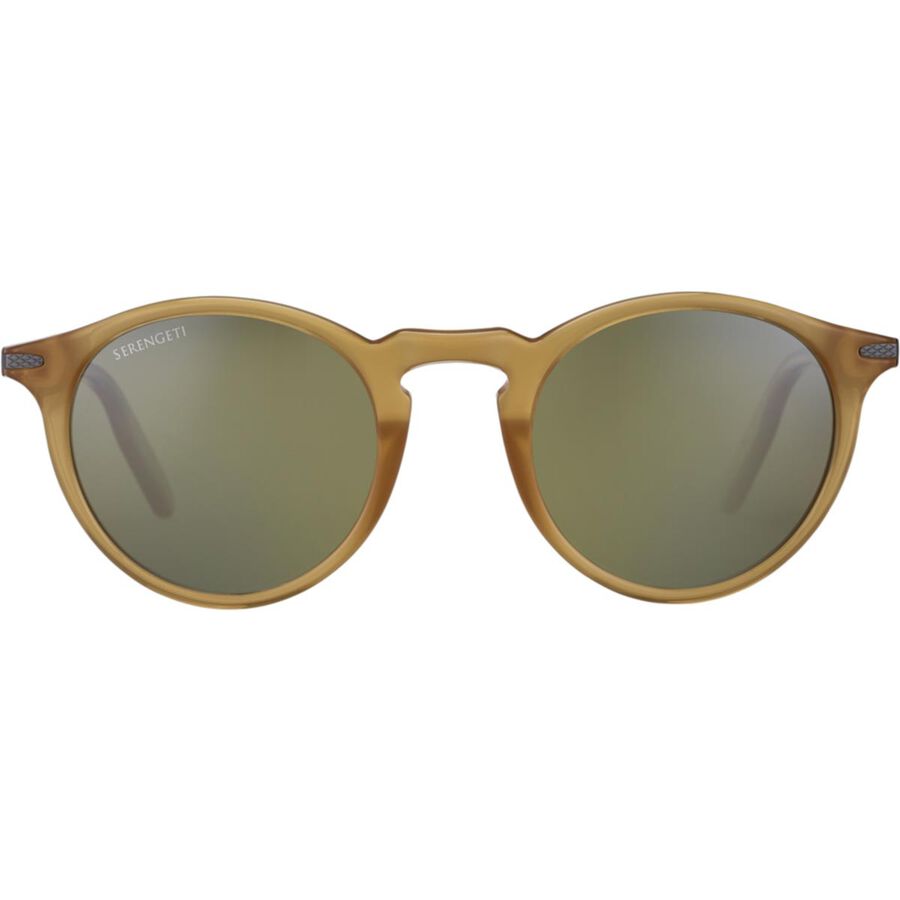
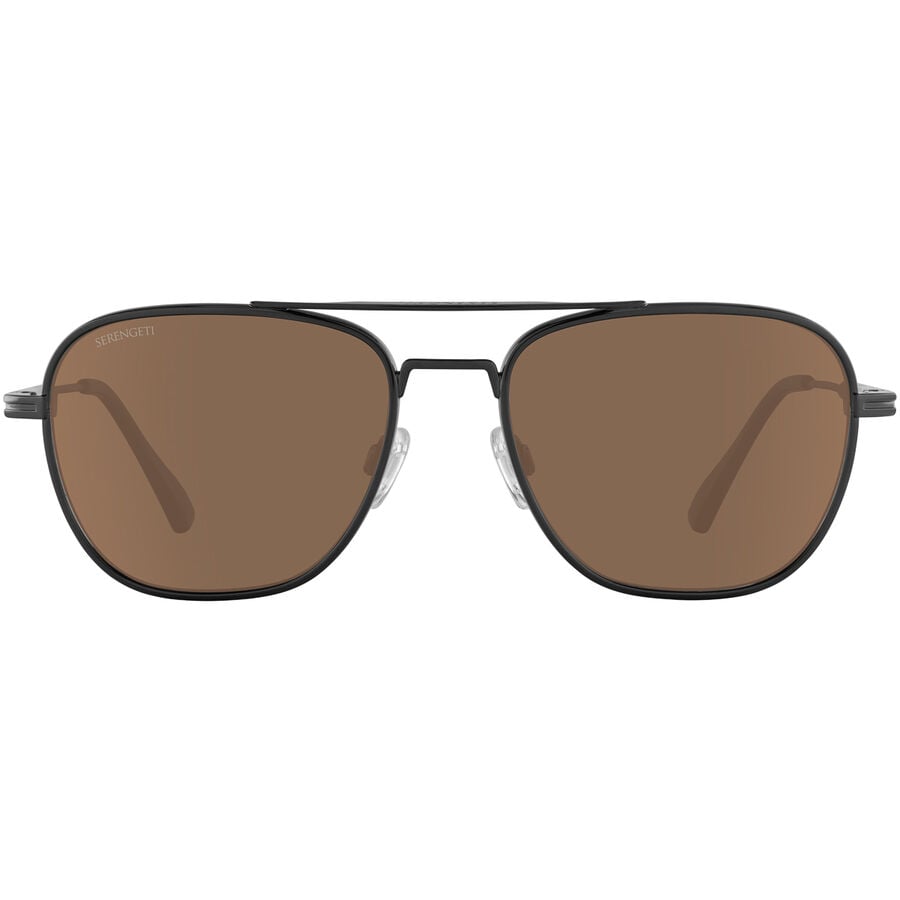
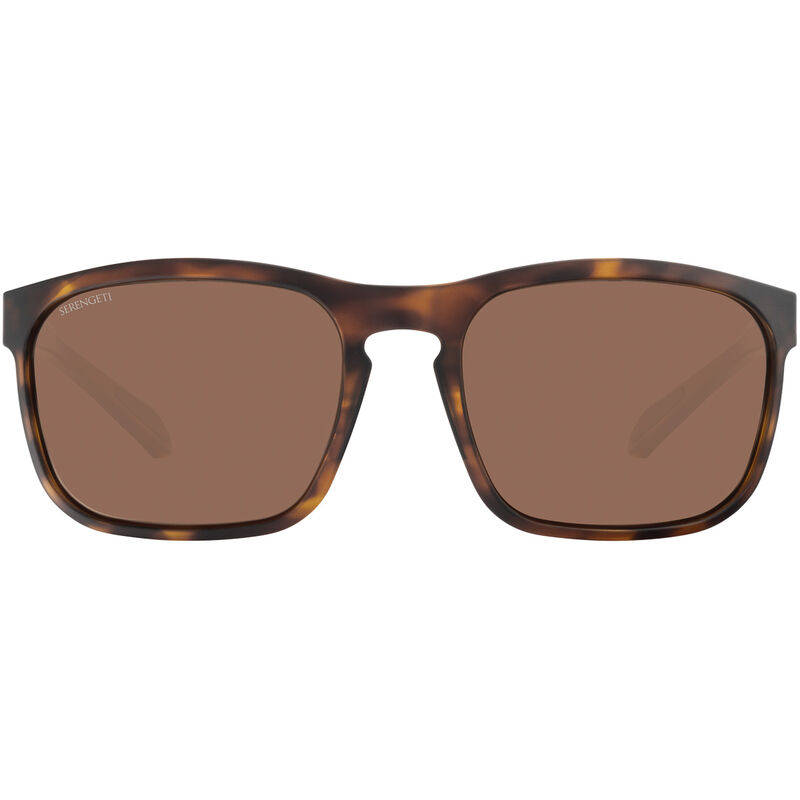
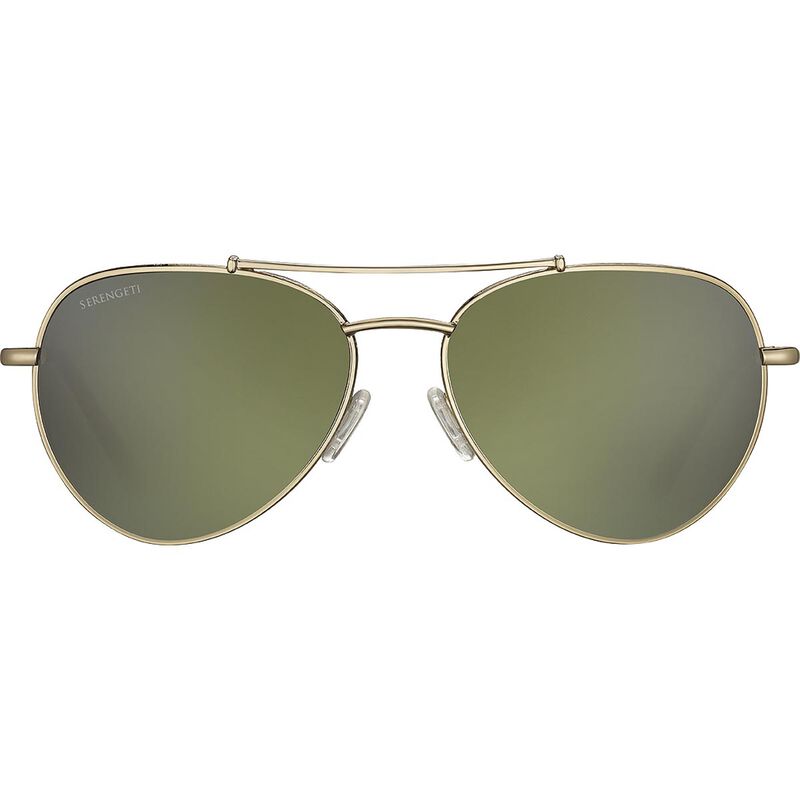
Same authentic Serengeti, different prices & codes. We watch all of them so you don't have to tab-hop.
Store codes that stack on Serengeti orders — re-tested in the last few hours. Tap to reveal, copy without leaving the page.
Same quiet-luxury, craft-first sensibility — follow any to widen your alerts.




If you value optical performance over fashion logos, the case for Serengeti is strong. The brand's whole focus is eye protection, and it builds its reputation on proprietary lens technology — photochromic lenses that darken with UV, polarization and spectral control — rather than on branding. You are paying for the engineering in the lens, so they are worth it for someone who drives or spends long hours outdoors and wants their glasses to do real work.
Photochromic lenses automatically adapt their tint to the amount of UV light around you, getting darker in bright sun and lighter as conditions dim. Serengeti's main focus is eye protection, and it researches and develops exactly this kind of technology, so its sunglasses include tinted photochromic and polarized lenses. That self-adjusting behaviour is the single feature shoppers most associate with the brand.
Driving is where Serengeti's reputation is strongest. The combination it develops — photochromic adaptation plus polarization and spectral control — is aimed at managing glare and fine-tuning contrast, which is precisely what helps behind the wheel as light changes through a journey. If a versatile driving lens is your priority, Serengeti is the brand most often recommended for it.
Both are high-end performance eyewear, but they emphasise different strengths. Serengeti is built around adaptive photochromic lenses with polarization and spectral control and leans toward classic, function-first styling, which makes it a favourite for driving. Maui Jim leans into vivid, high-contrast color, especially around water and open landscapes. Choose Serengeti for adaptive all-day versatility; choose Maui Jim for punchy color in steady bright light.
Serengeti Eyewear is a sunglasses line owned by Bollé Brands. Its ownership has changed hands several times over the decades, but its identity as a technology-led eye-protection brand has stayed consistent throughout.
The brand was developed by Corning Incorporated, the American glass and materials company. That origin in a serious optical-glass firm helps explain why Serengeti has always been a lens-technology story first and a fashion brand second.
Yes. In 1984 Corning considered closing Serengeti because of poor financial performance. Entrepreneur Zaki Mustafa convinced the board he could save it, blaming the slump on a product-centric focus, weak marketing, poor customer service and inefficient asset management. With only fifty-two employees he then grew sales from $5 million in 1985 to $62 million in 1992 — a genuine turnaround.
Designer Tucker Viemeister created aviator-style sunglasses in sepia tones for Serengeti in the 1980s. Those warm, contrast-friendly tints are very much in keeping with the brand's driving-and-outdoor character, where the goal is clearer, more comfortable vision rather than a flat dark lens.
The Serengeti brand was acquired by Bushnell Corporation in September 2000. Bollé, Cébé and Serengeti then became part of Vista Outdoor's acquisition of Bushnell in 2013. In July 2018, Vista Outdoor announced an agreement with a European private equity fund to sell the Bollé, Cébé and Serengeti eyewear brands.
Beyond the headline photochromic feature, the company researches and develops technologies including polarized lenses and spectral control alongside its photochromic work. Because eye protection is the stated focus, these technologies are meant to work together to manage glare and sharpen contrast rather than just darken the view.
Treat the lens as the heart of the product, because that is where Serengeti's value lives. Clean only with a soft microfibre cloth and a lens-safe cleaner, store them in a hard case away from heat, and keep them off the top of your head where frames stretch and lenses get scratched. Good habits protect the photochromic and polarized performance you paid for and keep the optics clear for years.