−44%
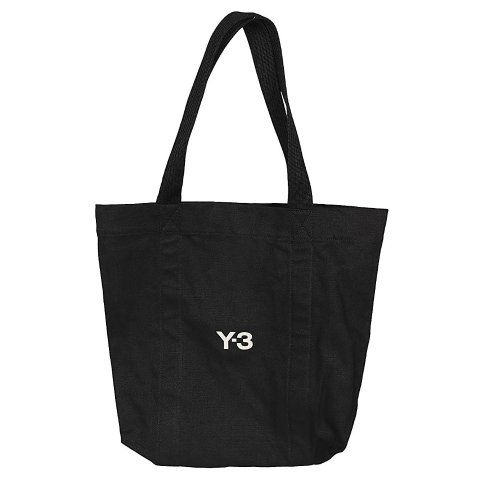
Avant-garde Japanese tailoring meets the three stripes — the line that taught luxury and sportswear to share a wardrobe.
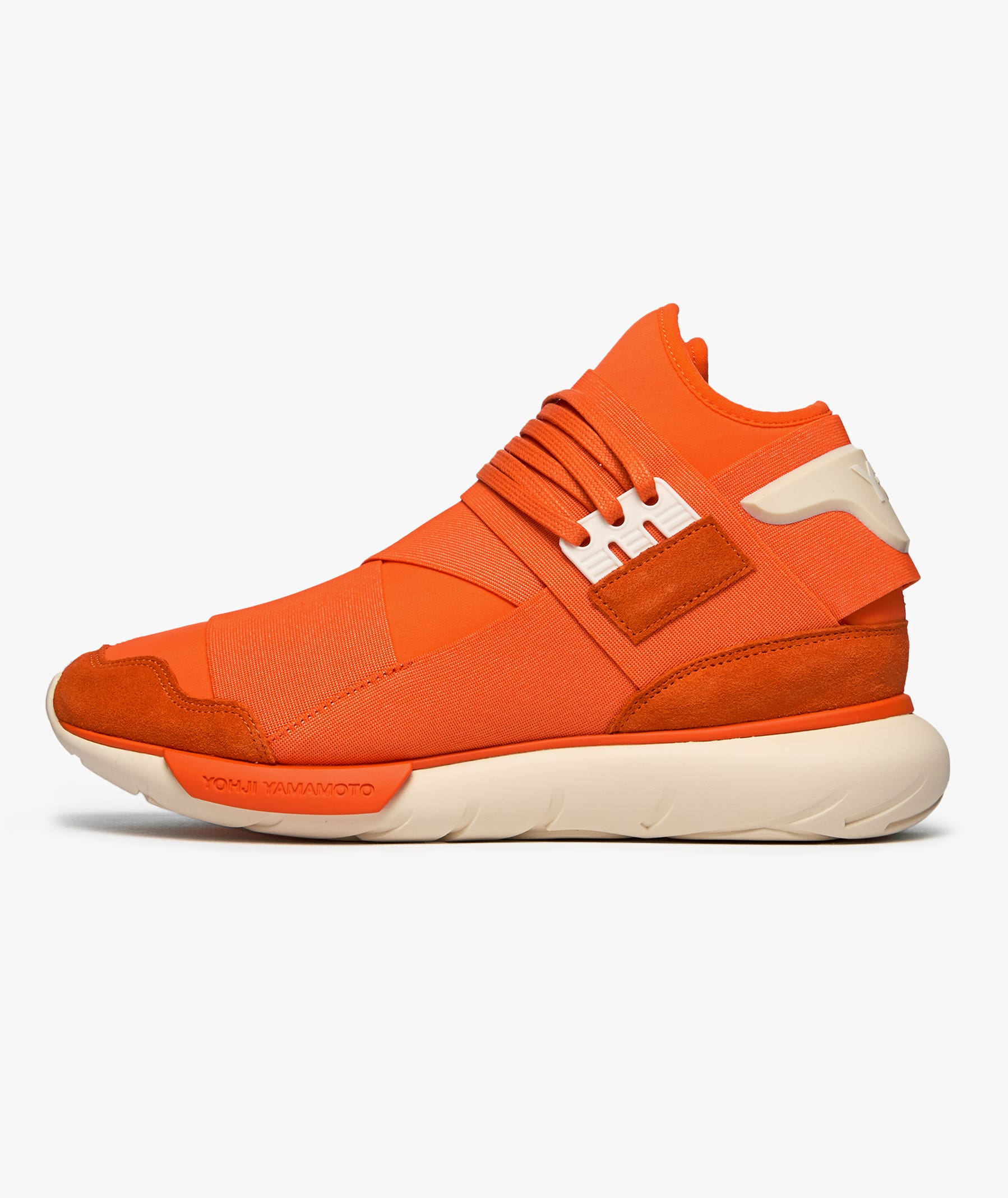
Real verified markdowns across 3 retailers — filter by category, retailer & price. Heart anything to track its price.
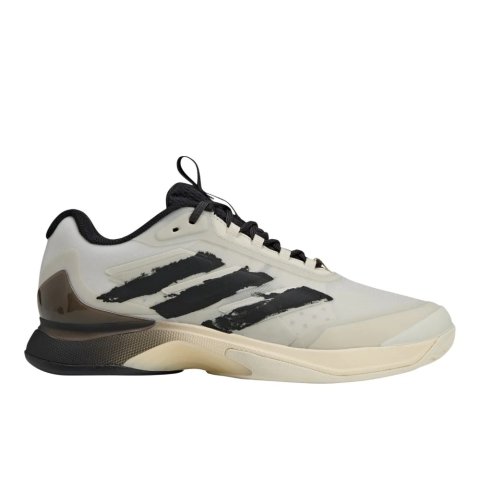
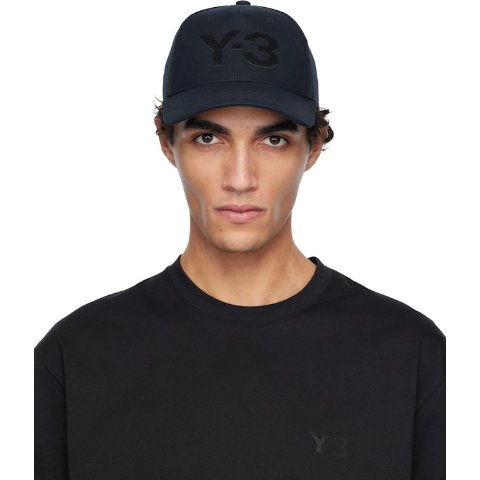
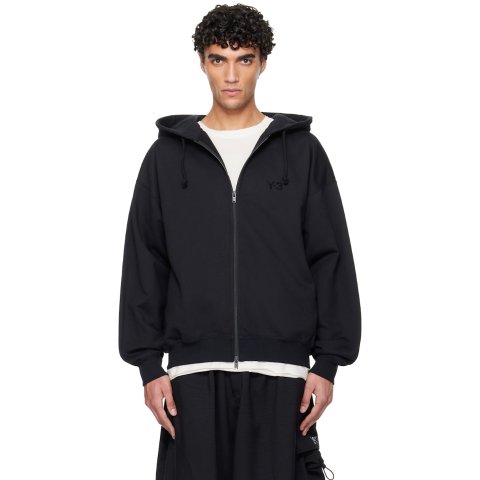
Yamamoto, a Keio University law graduate who trained in his mother's dressmaking business and at Bunka Fashion College, debuted in Paris in 1981 and is regarded as a master tailor for his oversized, draped silhouettes. He has called black modest and arrogant at the same time — the colour that defines both his own house and Y-3.
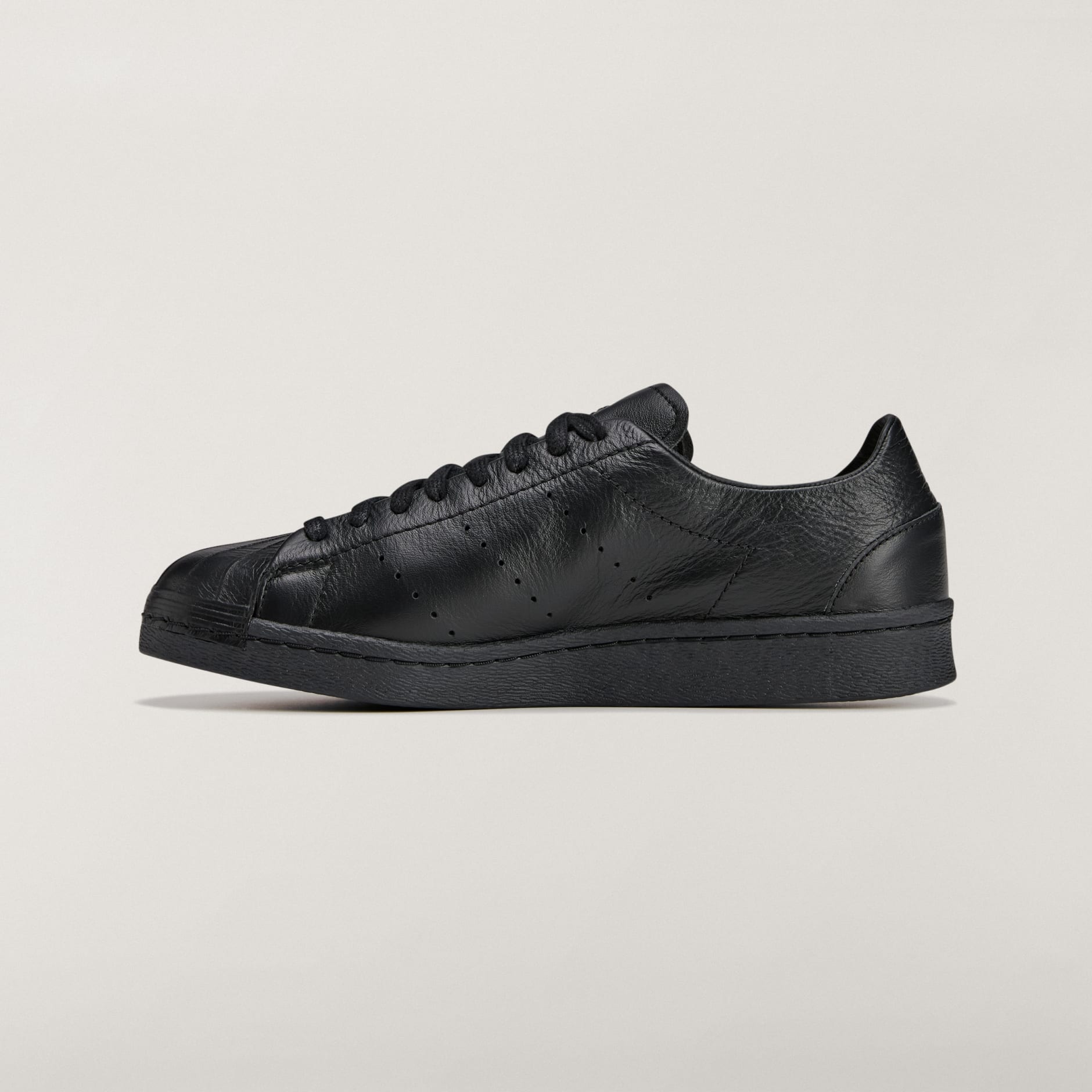
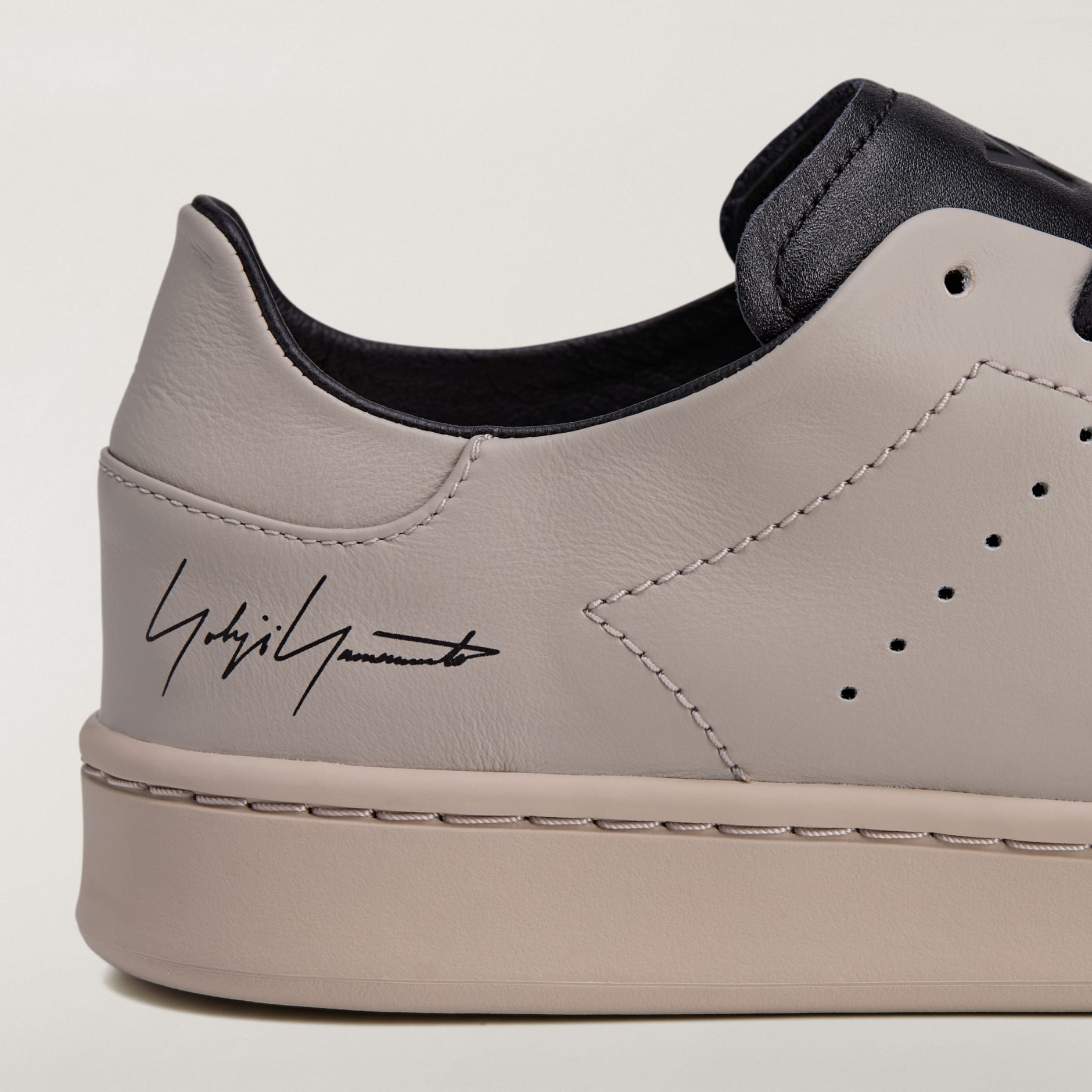
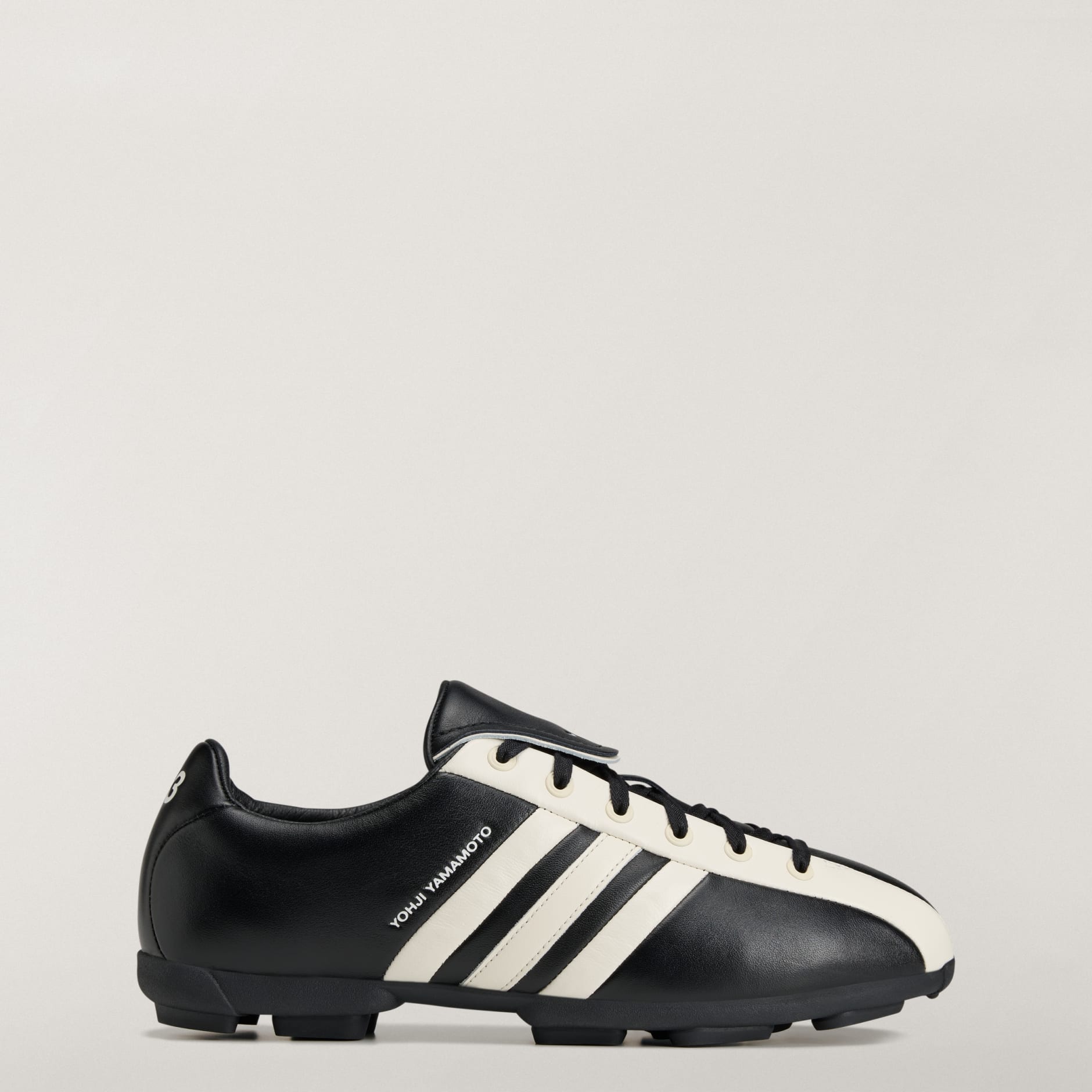
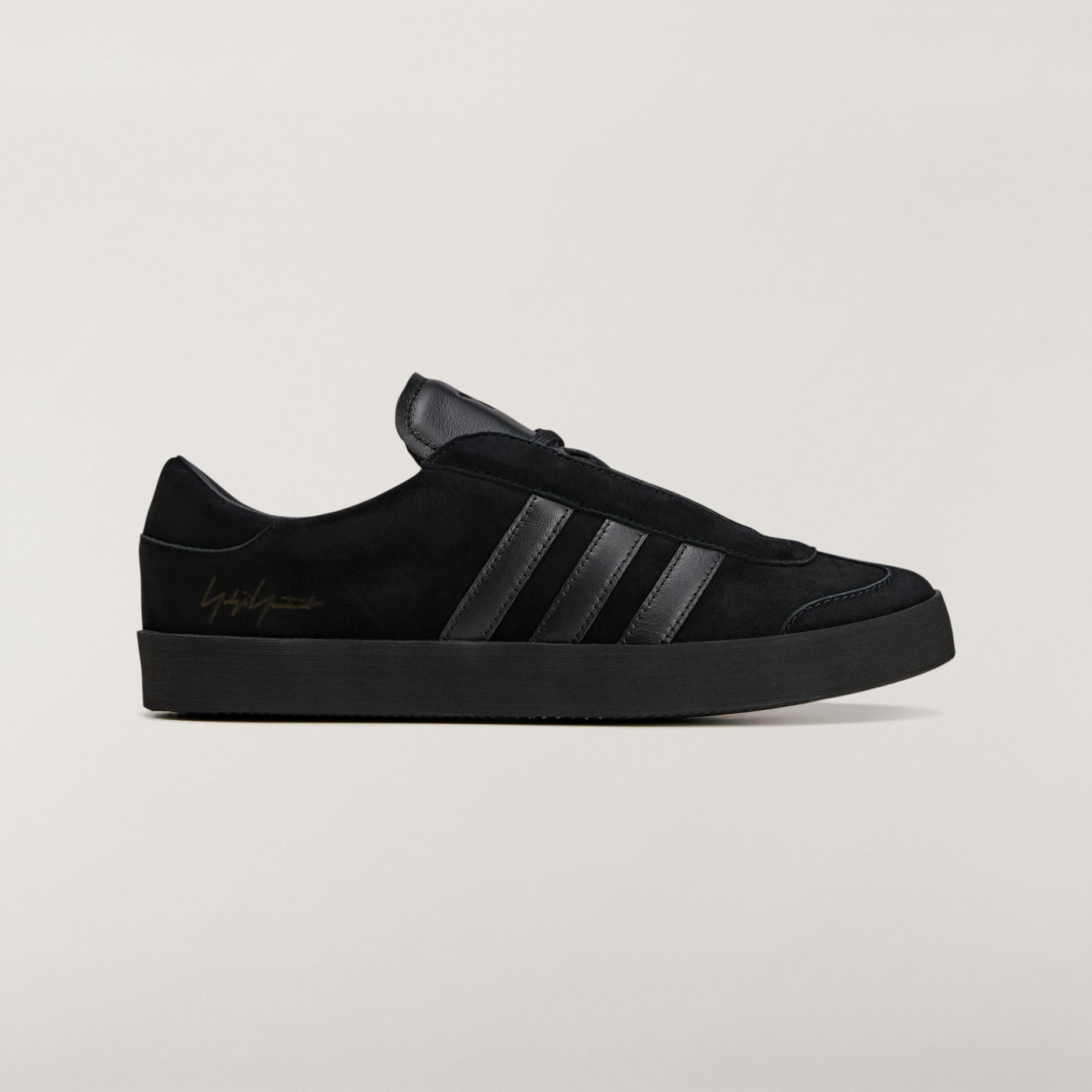
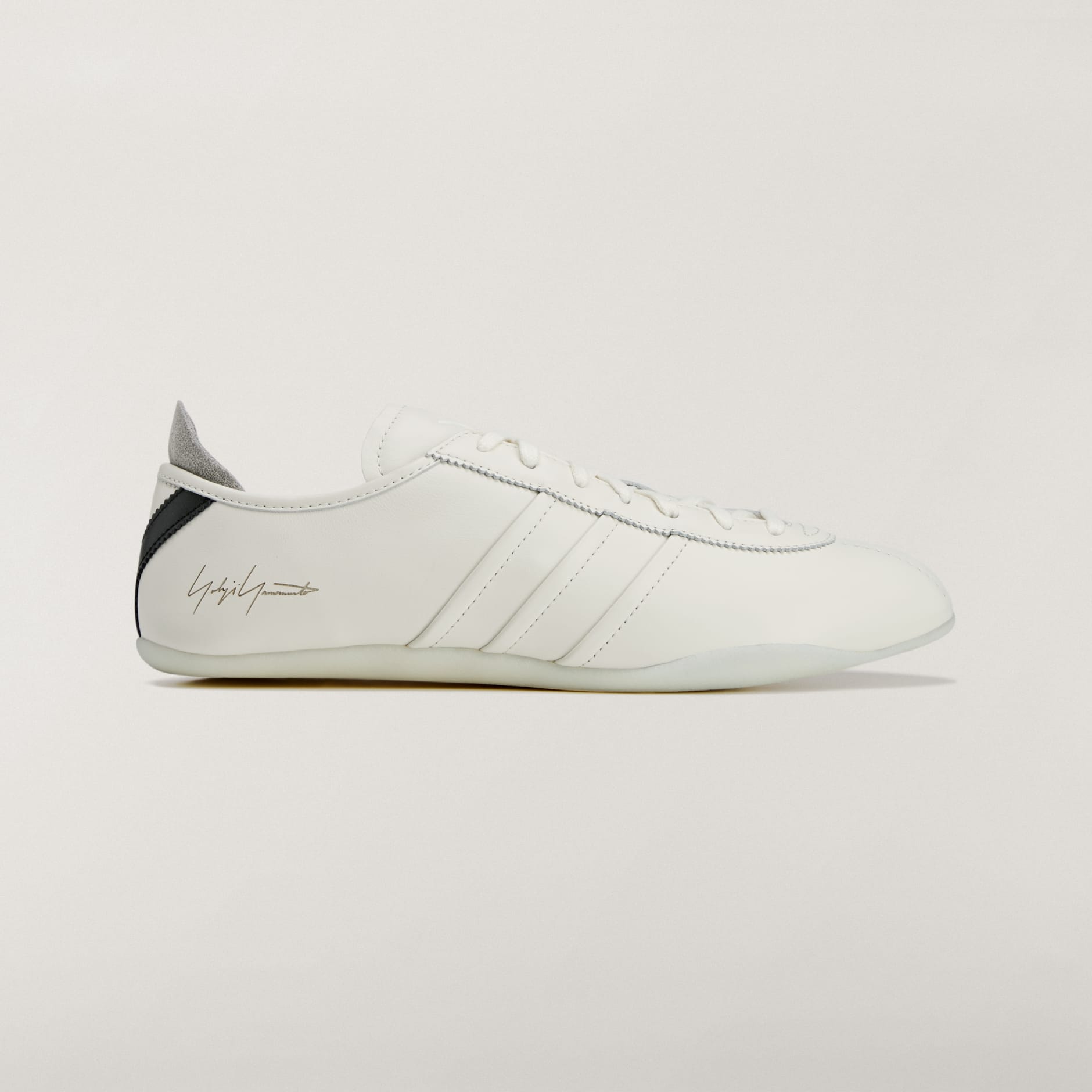
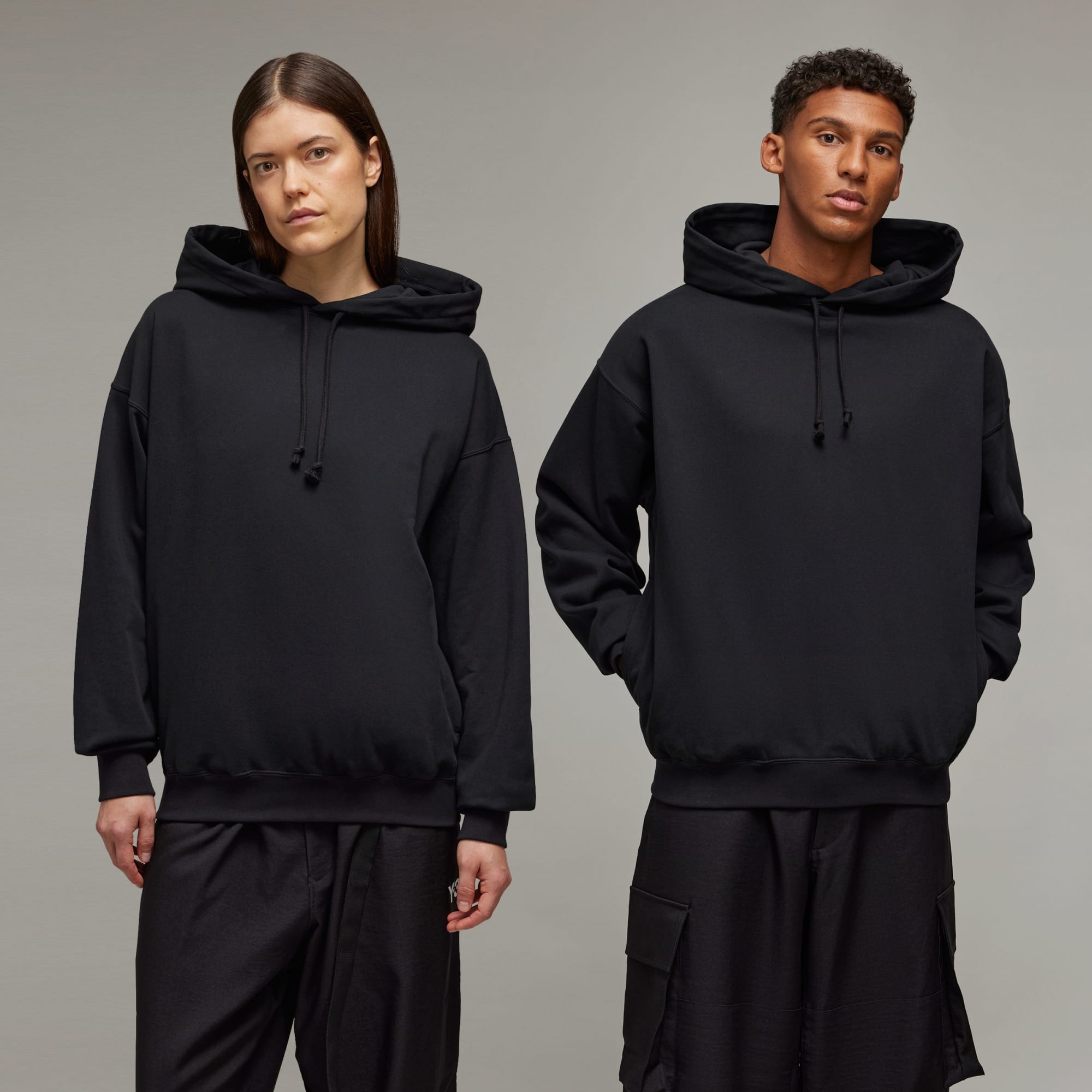
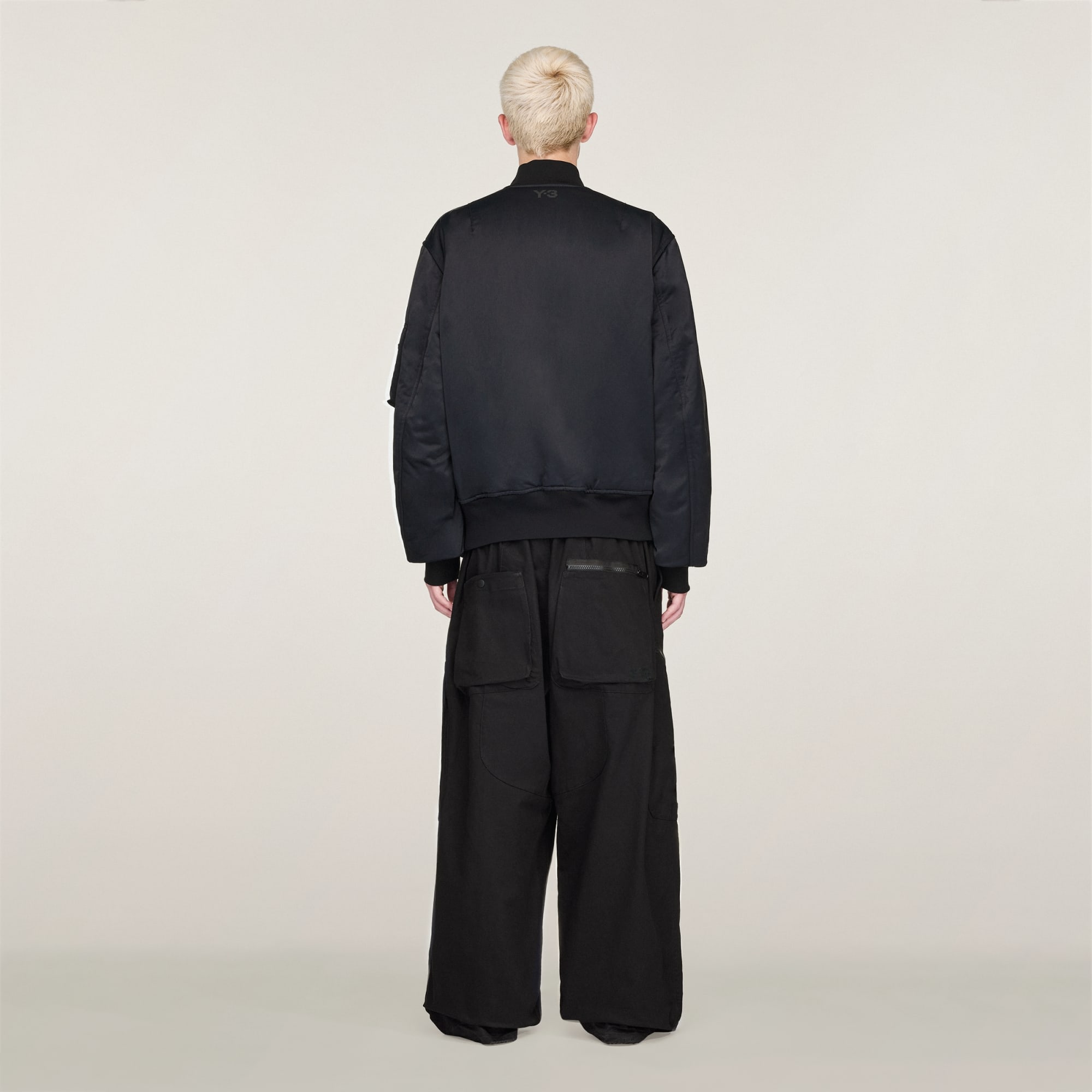
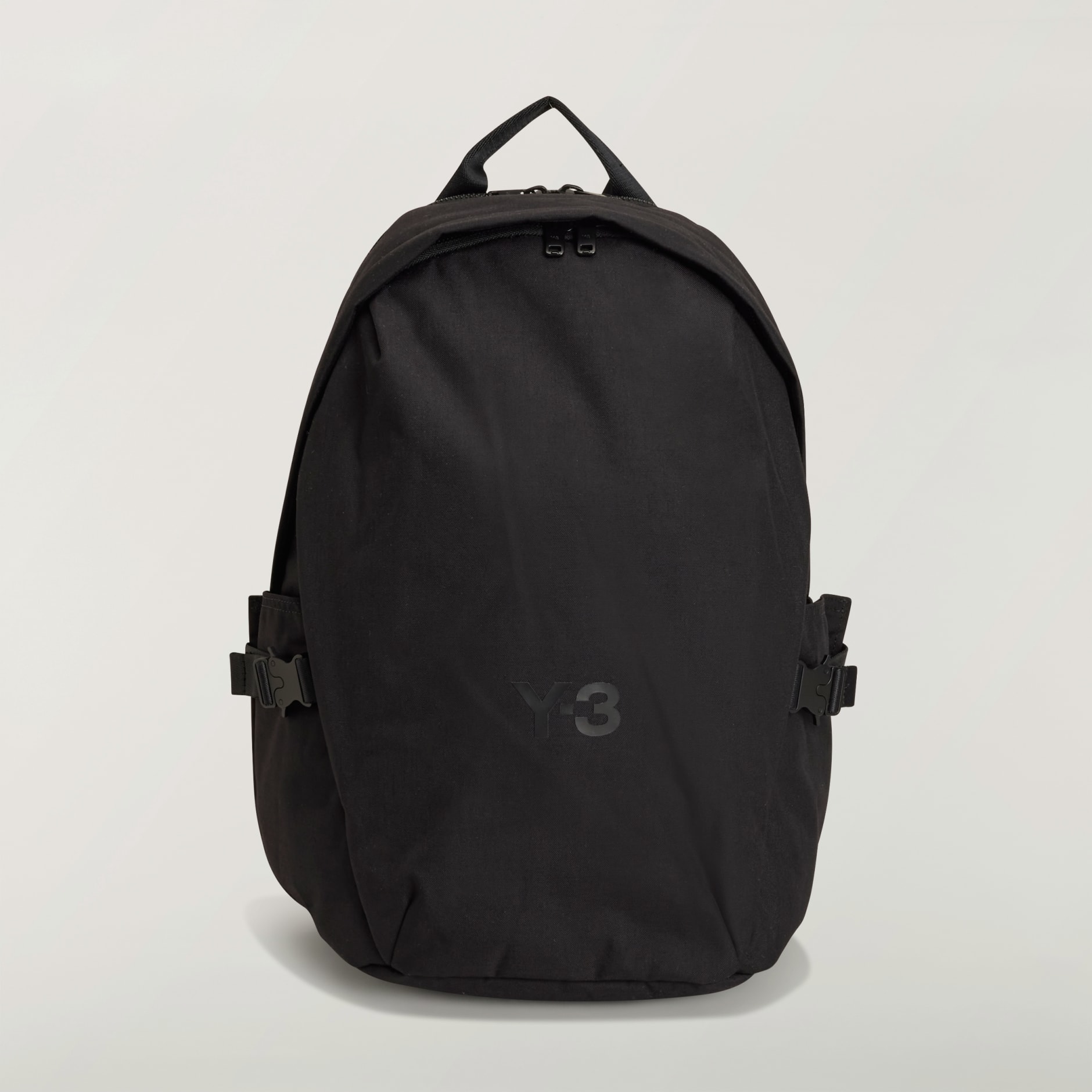
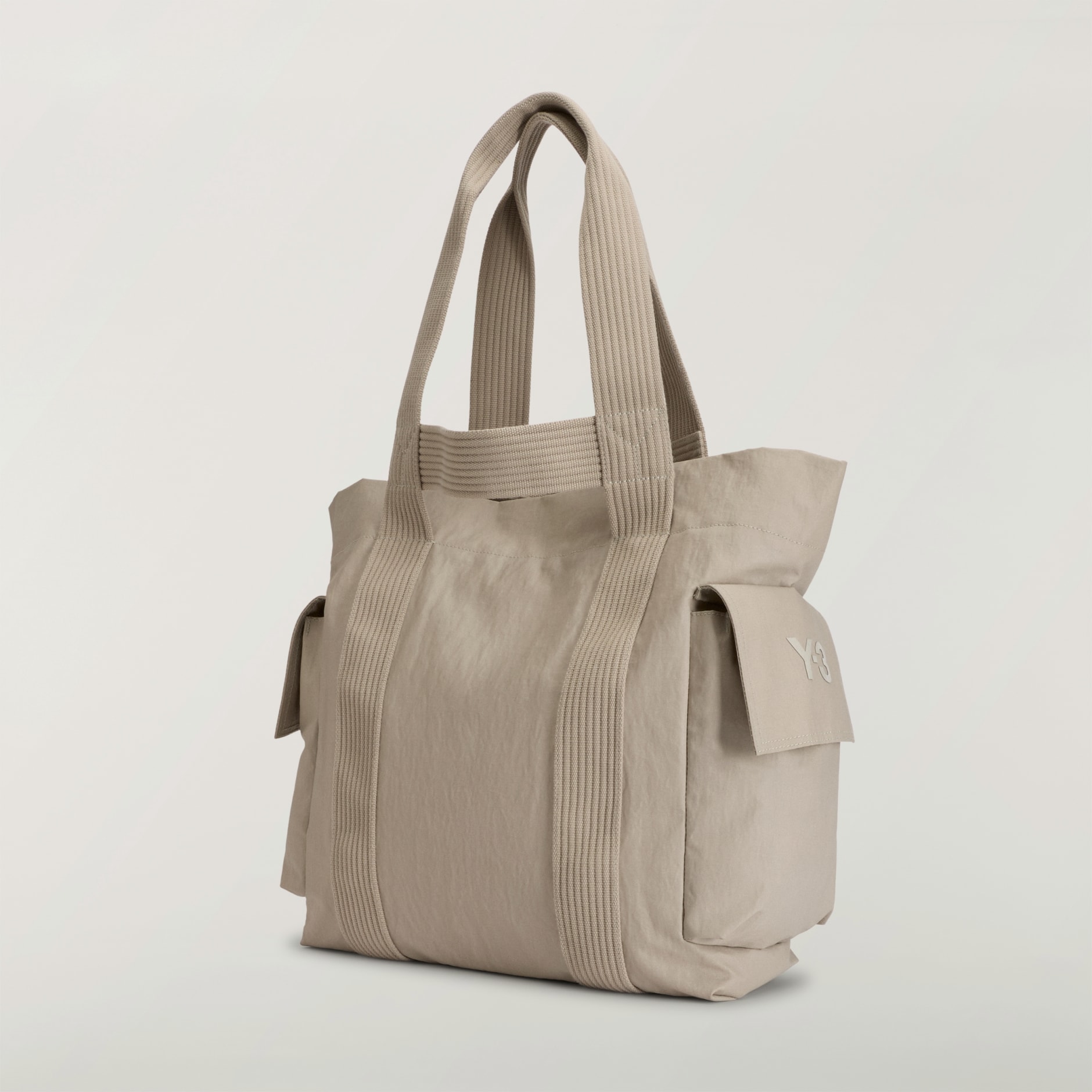
Tap any category to shop every Y-3 deal in it.
Same authentic Y-3, different prices & codes. We watch all of them so you don't have to tab-hop.
Store codes that stack on Y-3 orders — re-tested in the last few hours. Tap to reveal, copy without leaving the page.
Same quiet-luxury, craft-first sensibility — follow any to widen your alerts.


Y-3 is the line that pairs Japanese designer Yohji Yamamoto with the sportswear house adidas, a collaboration whose line and collection debuted in 2003. It brings Yamamoto's avant-garde tailoring and Japanese design sensibility to athletic shapes, which is why a Y-3 piece reads as both fashion and sportswear at once. Think of it as Yamamoto's vision applied to the territory of the sneaker and the track jacket.
Y-3 sits well above standard sportswear pricing because it carries the design hand of Yohji Yamamoto, a tailor regarded among masters of the craft. What you are paying for is the silhouette, the fabric treatments and the avant-garde point of view, not just the performance function. If you value sculptural, designer-led clothing and want something distinct from mainstream trainers, the premium tends to make sense; if you only need everyday athletic wear, it is more than you need.
The cost reflects its position as a designer collaboration rather than a mass sportswear line. Yohji Yamamoto is known for an avant-garde spirit, oversized silhouettes and drapery in varying textures, and translating that craft into footwear and apparel is what carries the price. In short, you are buying a designer's interpretation of sportswear, with the construction and aesthetic ambition that implies.
Yohji Yamamoto's collections are predominantly made in black, a colour he has described as "modest and arrogant at the same time," adding that black says "I don't bother you, don't bother me." That deep affinity for black carries straight into Y-3's muted, monochromatic character. The dark palette is one of the most recognizable signatures of anything touched by Yamamoto.
Yohji Yamamoto is a Japanese fashion designer, born on 3 October 1943 in Tokyo, who is based in Tokyo and Paris. He is considered a master tailor, in the company of figures such as Madeleine Vionnet, and is best known for avant-garde tailoring featuring Japanese design aesthetics. That tailoring reputation is precisely what he brings to the Y-3 line.
Yamamoto graduated from Keio University with a degree in law in 1966, but gave up a prospective legal career to help in his mother's dressmaking business, where he learned to tailor. He then studied fashion design at Bunka Fashion College, earning his degree in 1969. That blend of a tailoring apprenticeship and formal training shaped the precise, unconventional cutting he is known for.
Yamamoto is known for an avant-garde spirit and for creating designs far removed from current trends, with oversized silhouettes that often feature drapery in varying textures. His technique relies on wide, frequently oversized cuts, luxurious materials and elaborate handicraft, and he favours dark colours. Those same instincts give Y-3 its sculptural, anti-trend character.
Yamamoto debuted in Tokyo in 1977, then made his Paris debut in 1981 and showed in New York in 1982. His first collection, under the label Y's, focused on womenswear that reflected typical men's garments, cut in uncluttered shapes with washed fabrics and dark colours. His Paris arrival in the early 1980s is widely seen as a turning point for his international influence.
Yamamoto's main lines are Yohji Yamamoto for women, Yohji Yamamoto Pour Homme for men, and Y's, the womenswear label he founded as a joint stock corporation in 1973. Y-3, which debuted in 2003, is the sportswear-focused collaboration that sits alongside those runway lines. So Y-3 is the most athletic, accessible-in-spirit expression of a much broader design house.
Because Y-3 leans monochromatic and sculptural, it tends to work best when you let one strong piece lead and keep the rest of the outfit quiet, echoing Yamamoto's restrained, dark palette. A Y-3 sneaker or jacket reads as a designer statement even with plain black or grey basics. The versatility comes from that muted styling, which lets the shape and fabric do the talking.