The reward is not the checkout discount
Capital One Shopping Rewards explained: eligibility, credits, redemption, and returns
Shopping Rewards can lower the economic cost of an eligible order, but they arrive later, redeem as participating-retailer eGift cards, and can disappear when attribution or the underlying purchase changes.
 By Maya Bennett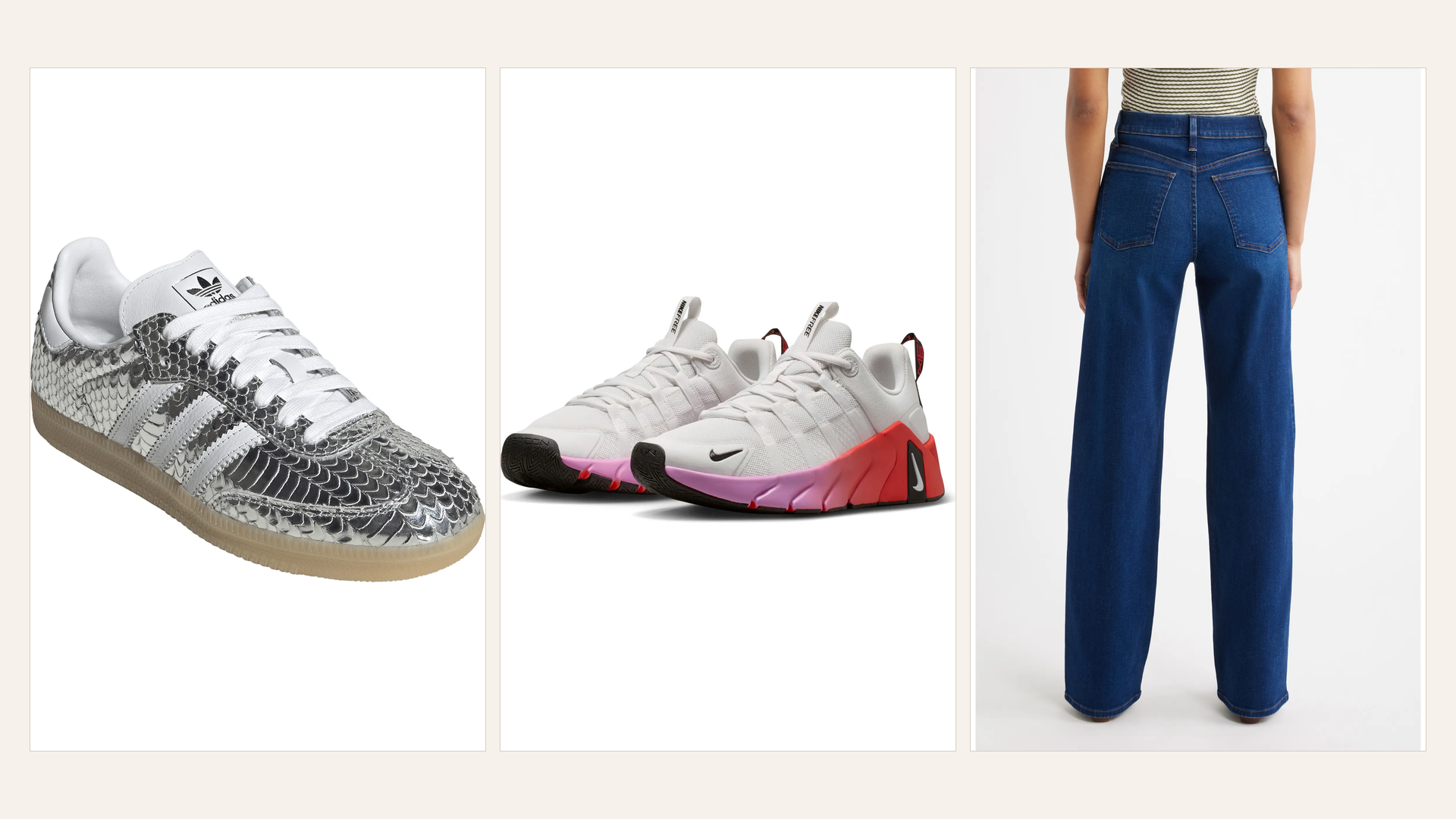
Picture a $240 fashion order: a coupon changes the merchant receipt now, Capital One Shopping may award Shopping Rewards later, and the payment card may earn separately. “Capital One Shopping credits” are officially Shopping Rewards—not cash, card miles, statement credits, or the original checkout discount.
Start with the purchase, then separate every layer
The same method applies whether the cart contains Adidas sneakers, Nike training wear, a J.Crew blazer, Madewell denim, or an Aritzia coat. Those examples do not imply that a current offer exists. The live Capital One Shopping merchant page and its exclusions control the transaction.
The Capital One Shopping Rewards Help Center gives the sequence: activate, buy, wait for confirmation, then redeem. A receipt alone does not prove final eligibility.

Eligibility, exclusions, and expiration
Eligibility requires age 18 or older, an account in good standing, and an eligible purchase through the browser companion or mobile app. The Capital One Shopping Terms of Service warn that another cash-back extension, an outside coupon, VPN, ad blocker, or attribution conflict can disqualify an order.
According to data in the current terms, retail rewards typically post in 30–90 days; completed travel can take 60–90 days or longer. Pending means estimated, not spendable. On July 14, 2026, the fixed redemption checks were a $1 minimum balance and a $500 maximum per redemption.
Unused rewards ordinarily do not expire while the account remains eligible. Closure, termination, failed verification, or loss of good standing can make them unavailable. Gift-card choices change, and redemptions are final.
Rewards Help Center
Basis: eligible merchandise subtotal
Separate pending value from final eGift-card value.
Check reward mechanicsProgram Terms
Typical posting: 30–90 days
Read merchant and coupon exclusions before activation.
Read current eligibilityShopping Privacy Policy
Scope: extension and shopping data
Compare the reward with the required shopping-data access.
Review privacy controls
The safest order for testing coupons and rewards
- Open the live offer. Save its rate, categories, exclusions, coupon rules, and expiration.
- Choose one attribution path. Close competing reward and coupon tools before starting.
- Keep privacy controls deliberate. If required tracking conflicts with personal standards, skip the reward.
- Activate, then buy in one session. Avoid search, comparison, influencer, and coupon detours.
- Use only a permitted coupon. Compare its certain discount with the conditional reward.
- Save the record. Keep the activation, terms, subtotal, coupon, order number, and pending status.

Portal, card-linked, loyalty, and gift-card tradeoffs
Value matters too. If a $10 eGift card would prompt an unnecessary order and feels worth only $7, use $7 in the net-price decision. The current $500 single-redemption ceiling does not turn gift-card value into cash.

A worked net-price example
Hypothetical inputs: $240 merchandise, $12 shipping, a permitted 15% discount, a 4% Shopping Reward, and a 2% card reward. These are not current offers.
The $36 coupon is immediate. The $8.16 Shopping Reward is delayed eGift-card value; the $4.32 card reward belongs to the issuer. If the coupon is forbidden, compare guaranteed $36 savings with an estimated $9.60 reward on $240. The coupon wins this example.
An Adidas, Nike, J.Crew, Madewell, or Aritzia cart uses the same ledger; only the live merchant offer changes. The policy snapshot combines the February privacy date with the July editorial review.

Tracking, returns, clawbacks, privacy, and fraud
A pending reward changes when the merchant reports a return, cancellation, exclusion, or revised subtotal. Wait through both the merchant return window and program confirmation.
| Event | Likely reward consequence | Best record to keep |
|---|---|---|
| Full cancellation or return | The purchase is ineligible and the pending or credited reward can be removed. | Cancellation or refund confirmation and original offer terms. |
| Partial return | The merchant may report a lower eligible subtotal; the program can revise the amount. | Itemized receipt showing kept and returned items. |
| Exchange | Treatment depends on whether the merchant keeps the original order or creates a cancellation and new order. | Both order numbers and the exchange receipt. |
| Other extension or external code | Attribution can move to another partner, leaving no confirmable Shopping Reward. | Activation screen and checkout path, while recognizing they do not override eligibility. |
The privacy policy, effective February 18, 2026, covers account, device, browser, product, price, purchase, and coupon data. Merchant and service partners may receive information needed to confirm transactions; Global Privacy Control applies to certain advertising choices.
To be clear, a legitimate return is not fraud. Repeated cancellations, duplicate accounts, reseller behavior, or manipulation can still lead to withheld rewards or termination. Buy for genuine use and accept the reward adjustment after a return.
The bottom line
- Read the merchant-specific offer and exclusions before activating.
- Calculate the eligible merchandise subtotal after permitted discounts; exclude tax and shipping unless the live terms say otherwise.
- Use one referral path and avoid unapproved coupon or cash-back extensions.
- Treat pending rewards as provisional for at least the stated confirmation period.
- Value the reward as an eGift card, not as cash or a statement credit.
- Save the activation, offer, itemized receipt, and any return documentation.
- Expect returns and cancellations to reduce or reverse the reward.
Capital One Shopping can add value to an order that already makes sense. It should not make an unwanted order, a questionable coupon stack, or an invasive tracking setup suddenly look prudent.
ChicAire editors independently research and select products. If you buy through our links, we may earn a commission.