Is a Biyan piece worth the investment?+
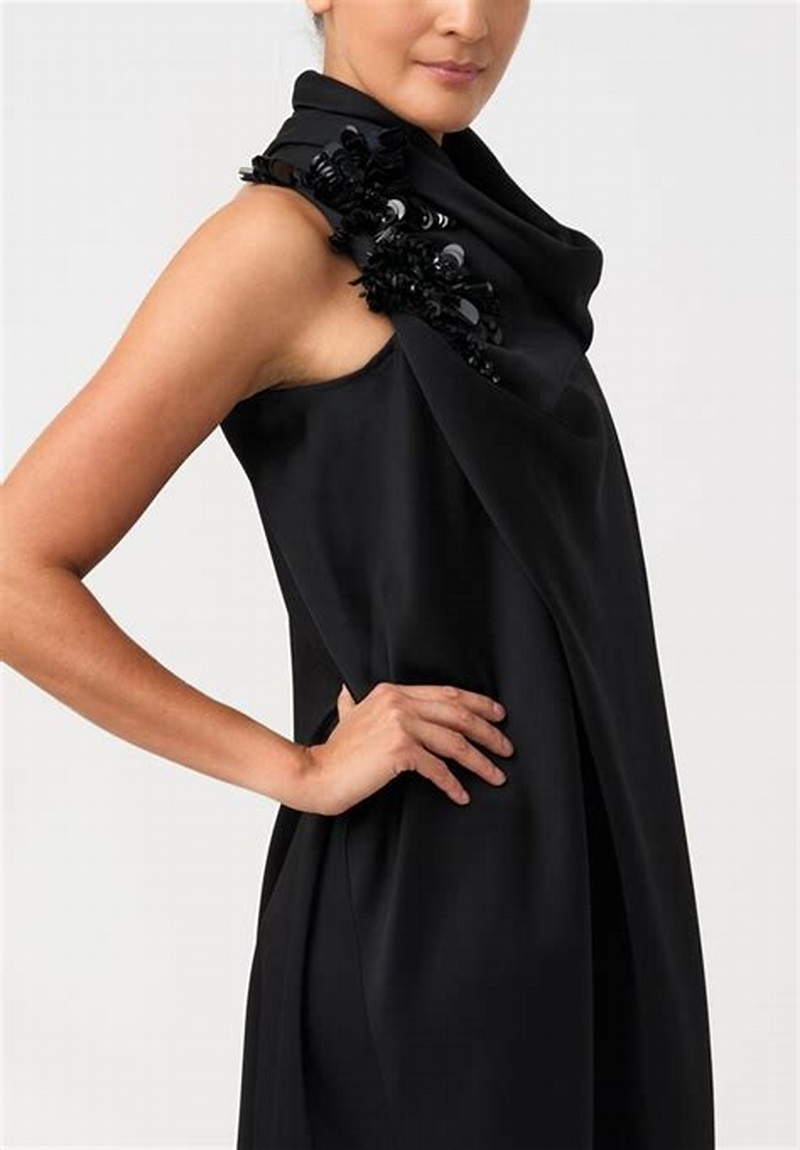
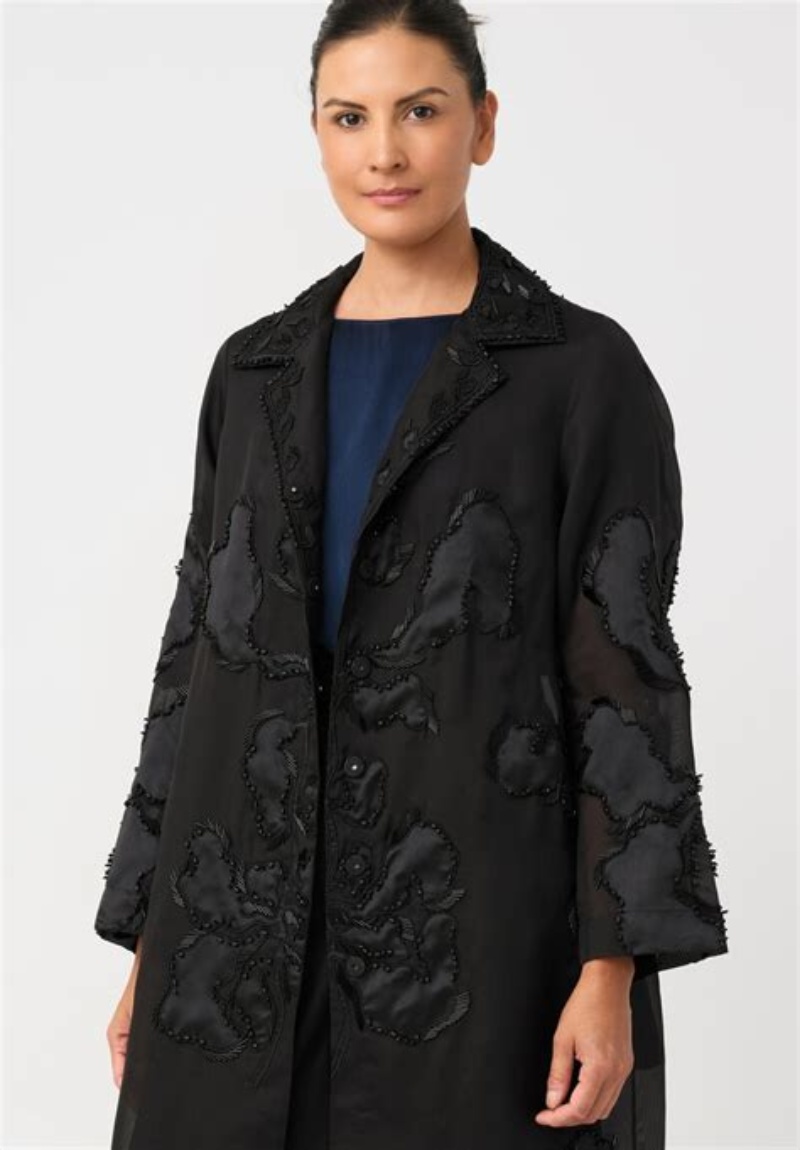
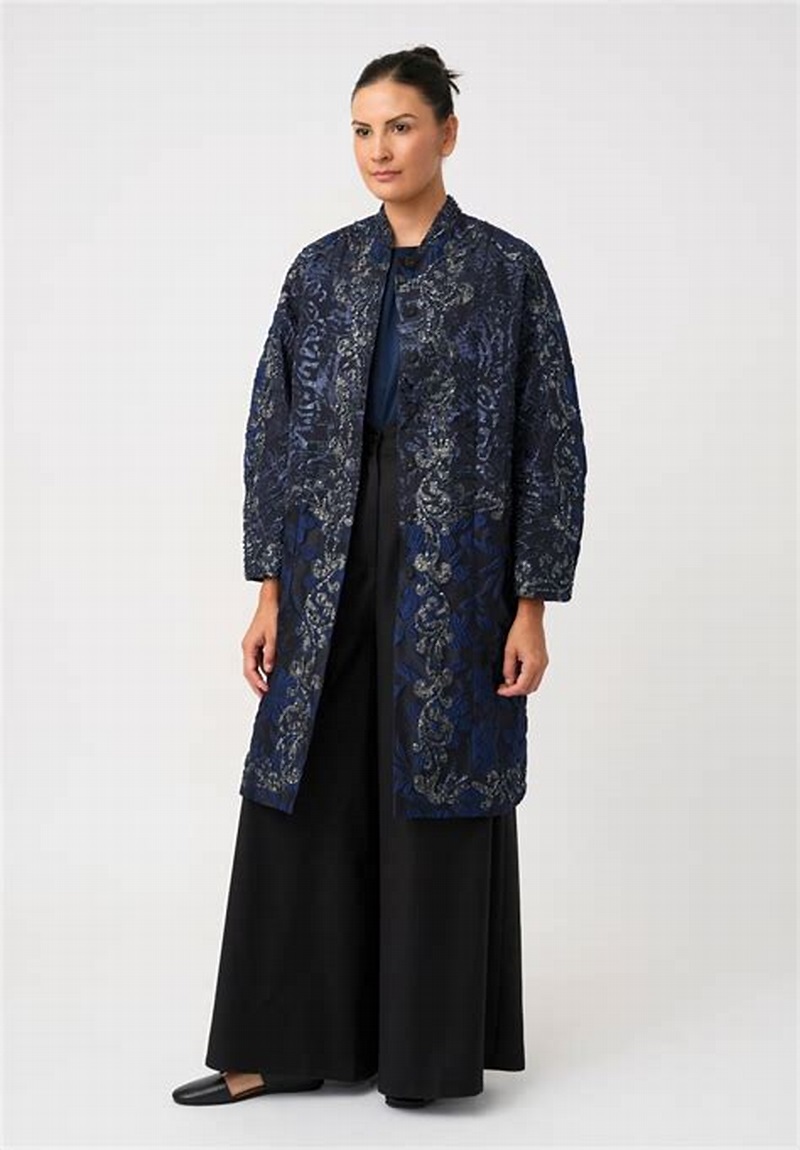
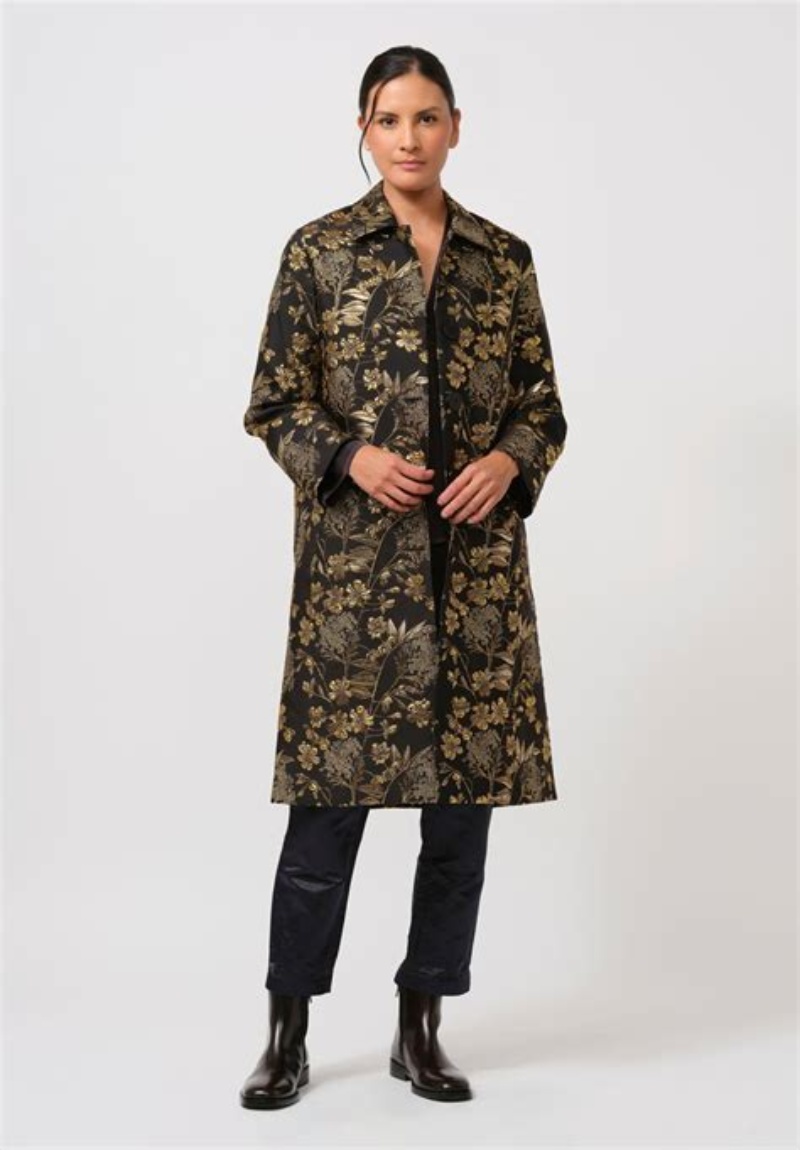
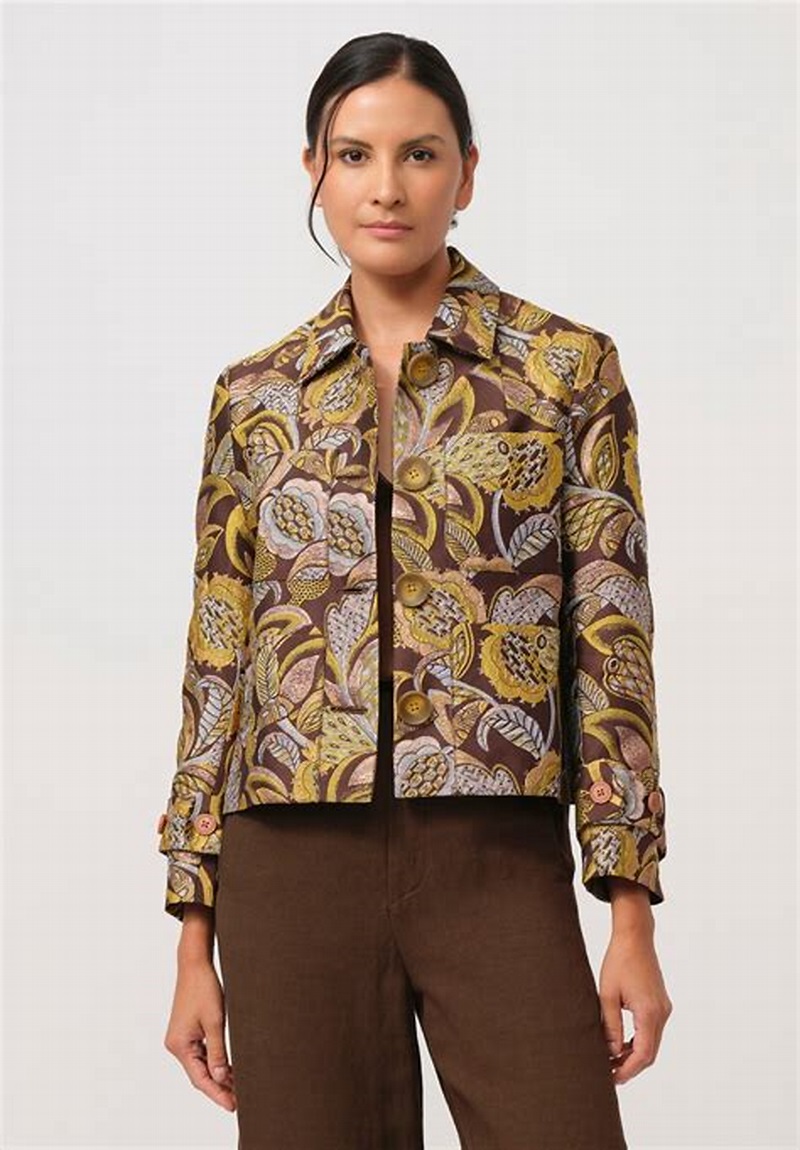
Biyan is widely regarded as the most prominent high-end designer working in Indonesia, and his label is one of the few that sells internationally through stores like Saks Fifth Avenue and Bloomingdale's. The appeal lies in the hand-craftsmanship: intricate beading and embroidery on a single garment can take many hours of atelier work. If you value romantic, embellished pieces made the slow way, a Biyan is the kind of thing you keep for decades rather than a season.
Why is Biyan eveningwear so expensive?+
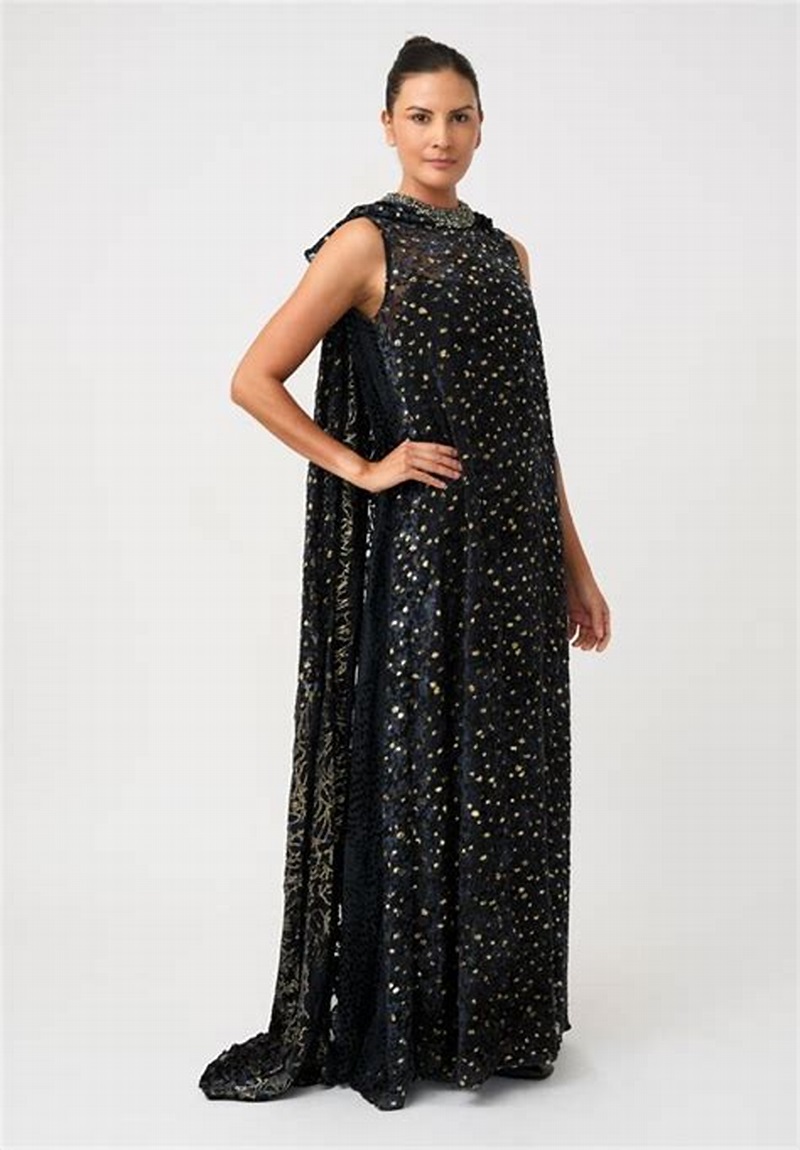
Much of the cost comes from labour rather than logo. Biyan built his name on layered embellishment, and a custom-made Biyan gown is reported to retail from roughly US$10,000 to $20,000. That figure reflects bespoke fittings and intensive handwork rather than mass production, which is what separates an atelier piece from off-the-rack eveningwear.
What is Biyan known for as a designer?+
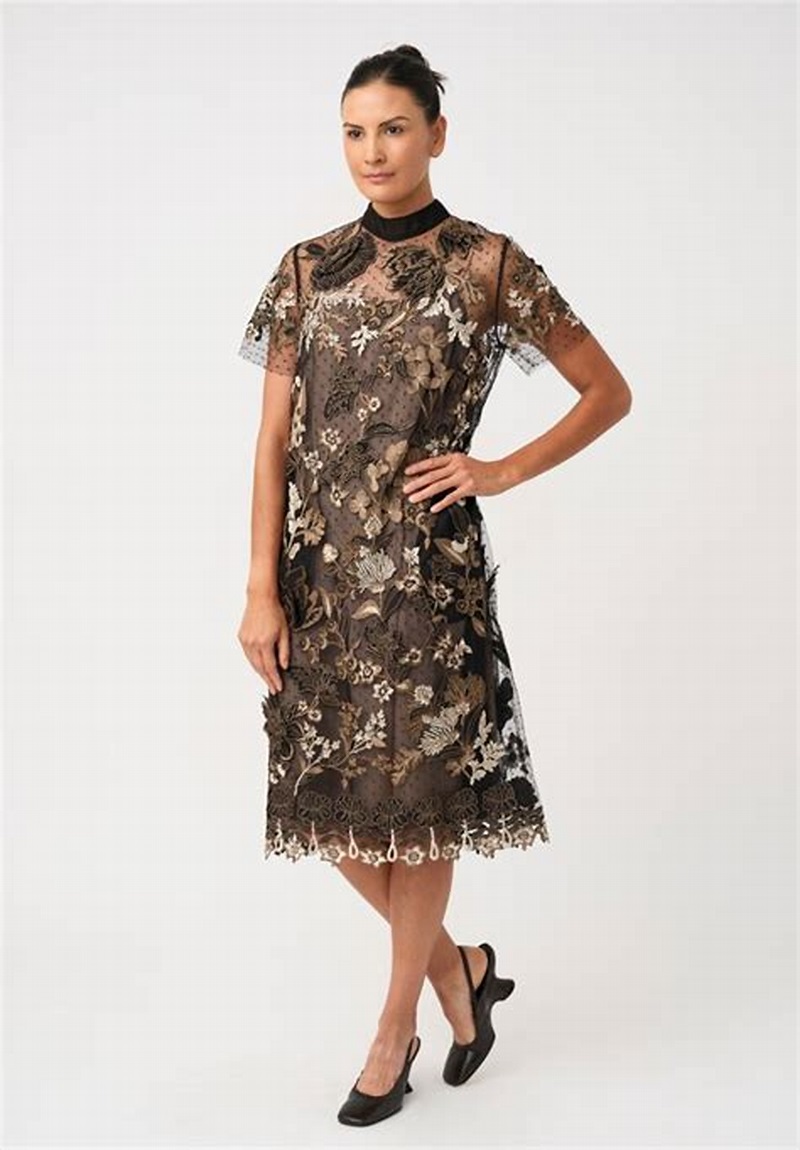
Biyan is celebrated for romantic, richly embellished womenswear that blends traditional Indonesian craft with a contemporary cut. His signature is the layering of beading, embroidery and texture into something that still reads as elegant rather than busy. The look has made him a long-standing favourite among Indonesian socialites and the wider luxury market in Asia.
Which Biyan label should I look at first?+
Biyan Wanaatmadja runs three labels. The main BIYAN line, established in 1984, is the flagship ready-to-wear and the best entry point. Studio 133 by Biyan, established in 1985, is the second line, while Biyan Bride covers wedding and ceremonial dressing. Start with main-line BIYAN if you want the house signature, and look to Biyan Bride for occasion pieces.
Where can I buy Biyan internationally?+
Biyan is one of the top Indonesian designers to sell abroad, and his pieces have been carried by retailers including Club 21, Saks Fifth Avenue and Bloomingdale's. Because much of the high-end work is custom-made from the atelier, availability outside Indonesia can be limited, so checking stockists directly is the most reliable route.
Who is the designer behind Biyan?+
The label is named for its founder, Biyan Wanaatmadja, born in Surabaya, East Java, on 20 October 1954. He is described as the most prominent and high-end fashion designer living in Indonesia, and the house remains closely tied to his personal hand and vision.
Where did Biyan Wanaatmadja train?+
Biyan trained in Europe before founding his label. He earned degrees at the Mueller & Sohn Privat Mode Schule in Düsseldorf in 1977 and the London College of Fashion in 1982, then worked at Enrico Coveri in Florence in 1983. That European grounding, layered over his Indonesian roots, shapes the house's mix of classic tailoring and ornate detail.
When and where did the Biyan label start?+
After living in Europe for more than 15 years, Biyan returned to Indonesia at his family's urging to launch his own private label. He produced and retailed his first clothing line from a small atelier in Surabaya, and the main BIYAN label was established in 1984.
Is Biyan an Indonesian brand?+
Yes. Biyan is an Indonesian house, founded by Surabaya-born designer Biyan Wanaatmadja and rooted in the country's craft traditions. It is frequently named as the leading high-end label in Indonesia, and part of its identity is bringing Indonesian textile and embellishment work to an international audience.
How should I care for a heavily embellished Biyan piece?+
Treat beaded and embroidered Biyan garments as delicate. Store them flat or padded rather than crushed on a hanger, keep them away from rough surfaces that can snag threads, and lean on specialist hand-cleaning rather than machine washing. With this kind of handwork, gentle handling is what protects the value over time.