Are Dakine backpacks worth it?+
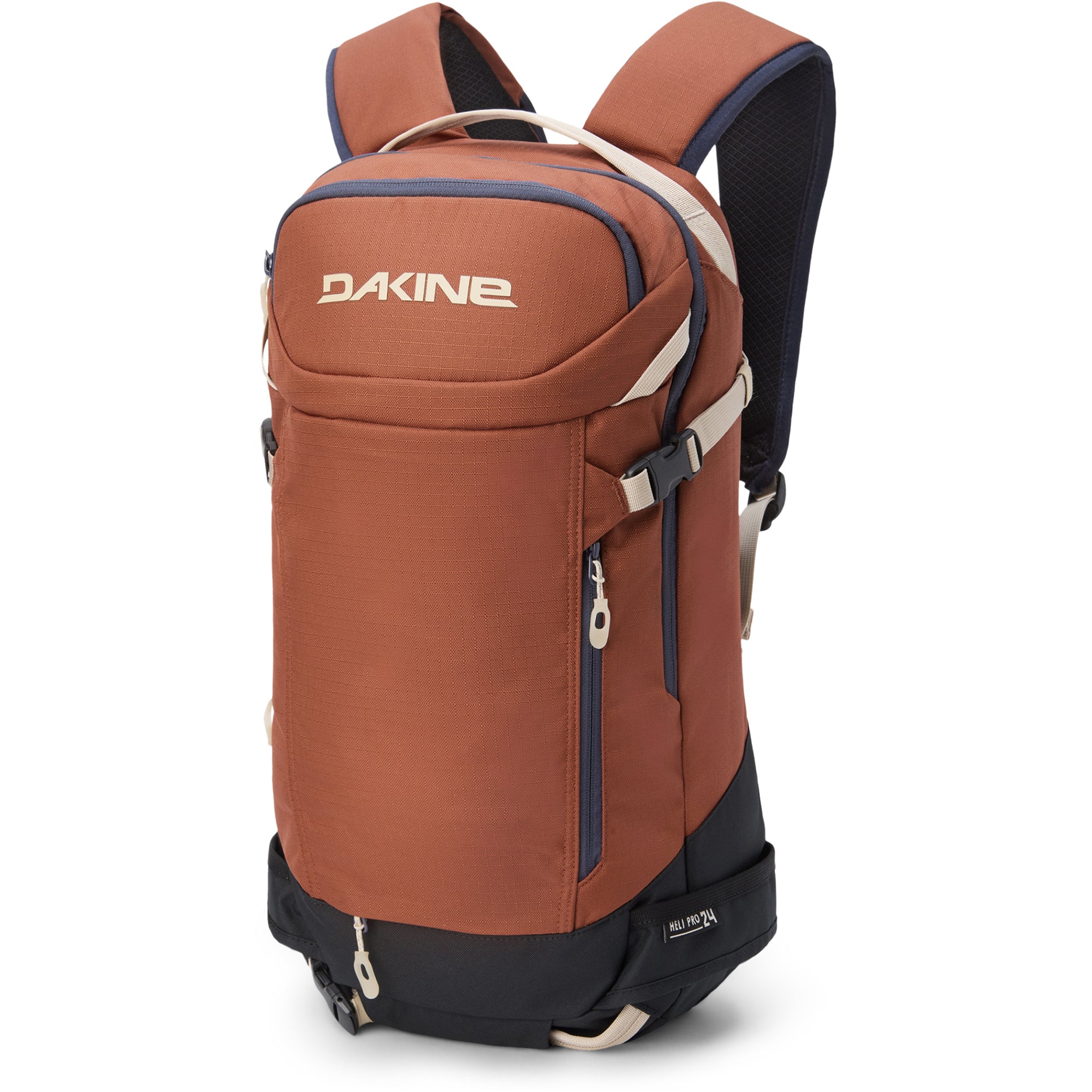
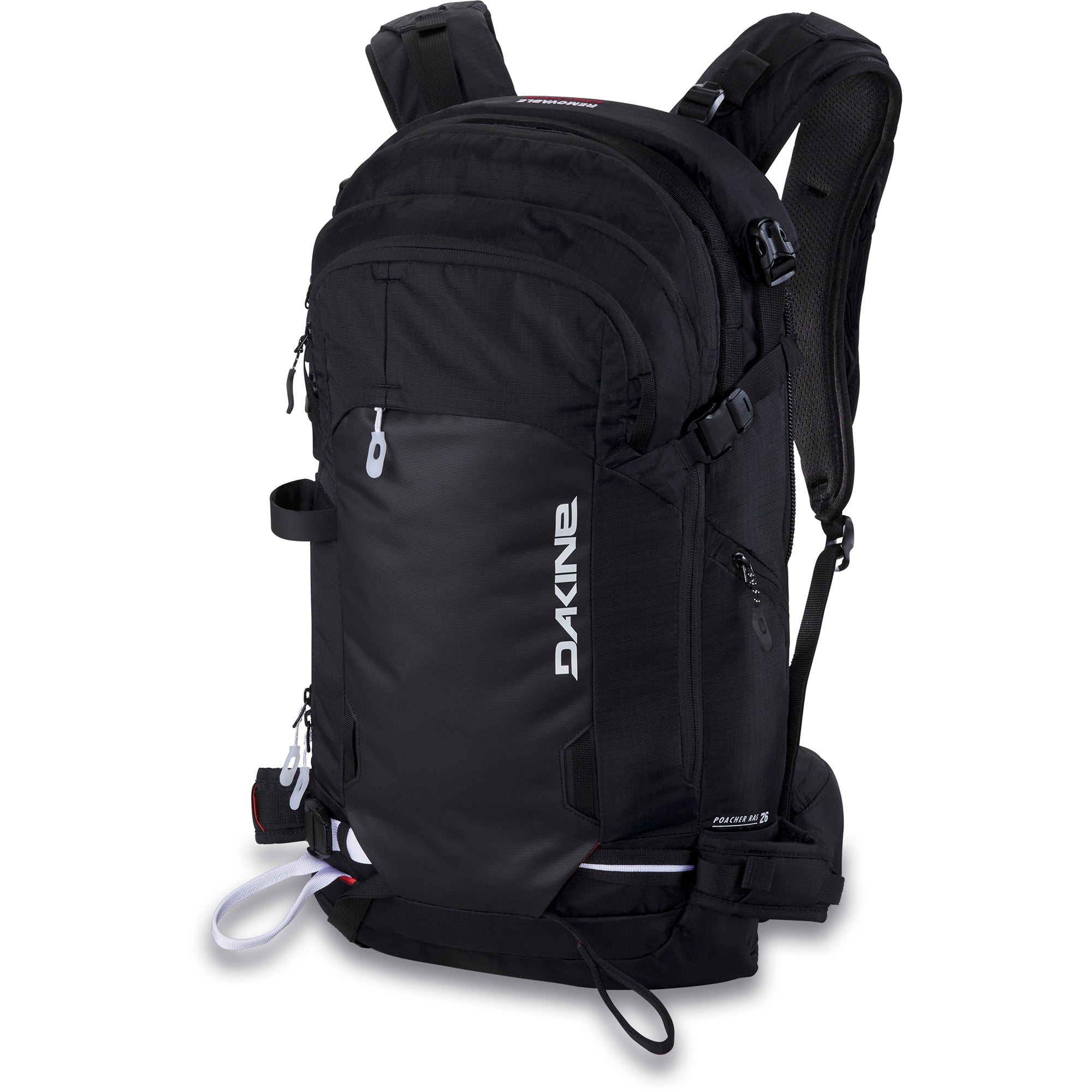
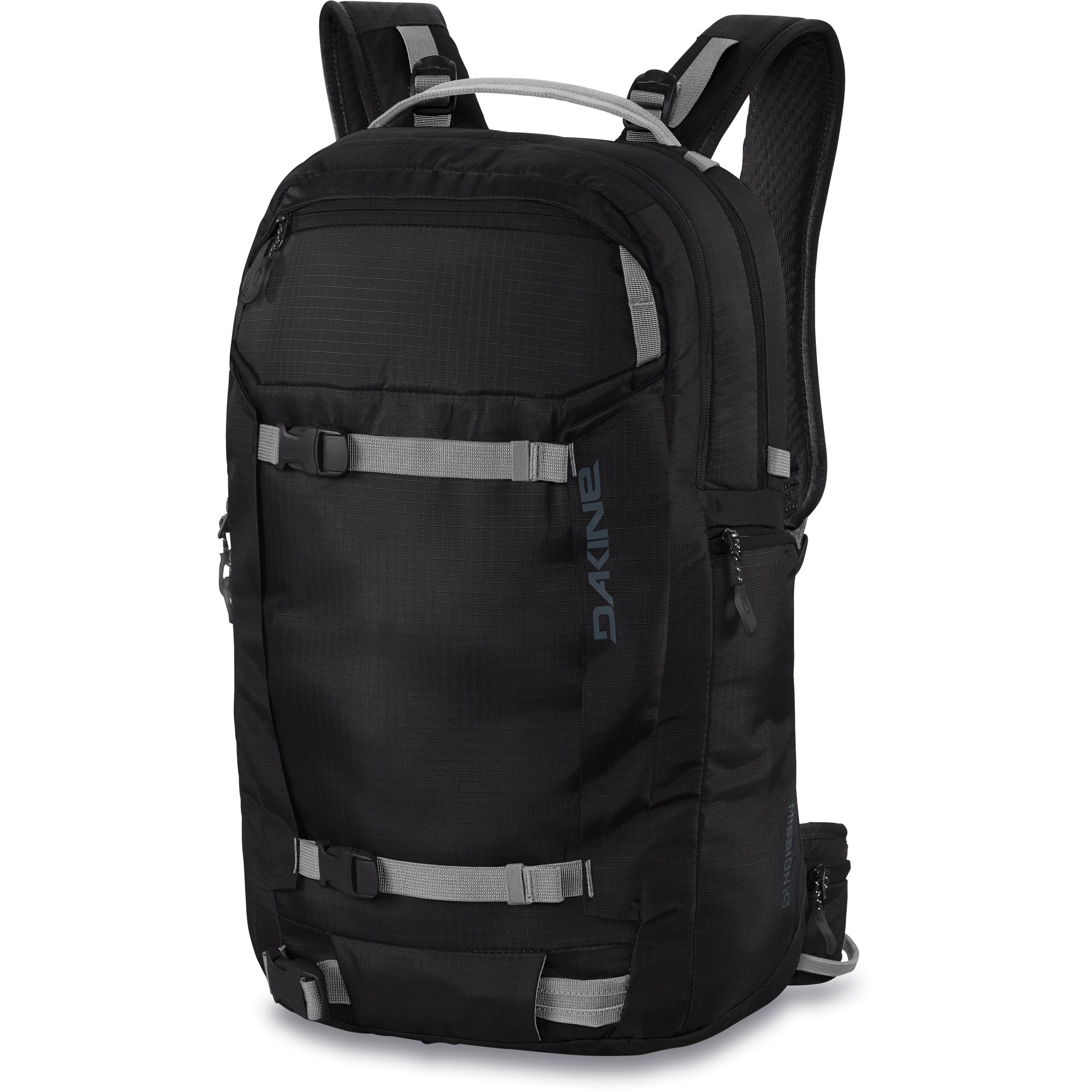
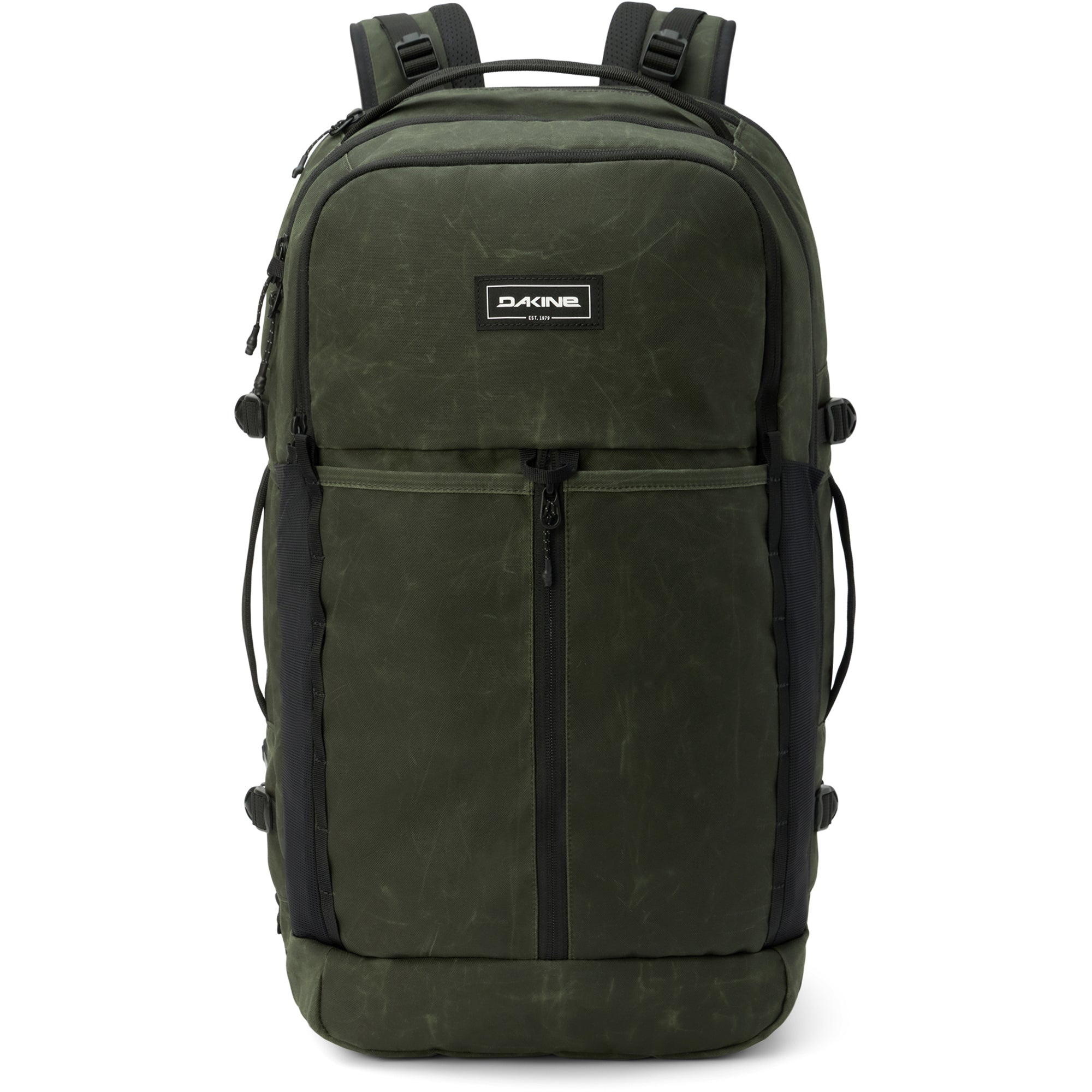
For boardsports and everyday hauling, Dakine is a dependable buy. The company specializes in sportswear and equipment for adventure sports, and its bags are widely seen as comfortable and rugged for the money. If you ski, ride, bike, or surf, a Dakine pack is built with your gear in mind rather than as a generic backpack.
Is Dakine good quality for the price?+
Dakine sits in the sweet spot of durable-but-attainable. Reviewers tend to report packs holding up through years of heavy use, which is the reputation the brand has earned across snow, surf, and bike lines. It's not a fashion-luxury label; it's an outdoor company whose value comes from gear that survives real seasons of abuse.
What does the name Dakine actually mean?+
The name comes from Hawaii, where the company was founded. Dakine is drawn from the Hawaiian Pidgin phrase "da kine" (itself derived from "the kind"), a catch-all expression for, roughly, "that thing" or "the good stuff." It's a fitting name for a brand born in the islands and rooted in surf and board culture.
Where is Dakine from, and where is it based now?+
Dakine was founded in Haiku, Maui, Hawaii, in 1979 by Rob Kaplan. It later moved its base of operations to Hood River, Oregon, before relocating again. After laying off most of its Hood River staff in 2020, the company moved its headquarters to Torrance, California, ending its Oregon presence.
How does Dakine compare to Burton for snowboard bags?+
They come at it from different angles: Dakine is a dedicated accessory and bag company, while Burton is primarily a snowboard maker. That focus is Dakine's edge for travel bags and packs, since carrying gear is its core business rather than a sideline. Many riders cross-shop both, but a serious gear hauler is exactly where Dakine's specialization pays off.
What does Dakine actually make?+
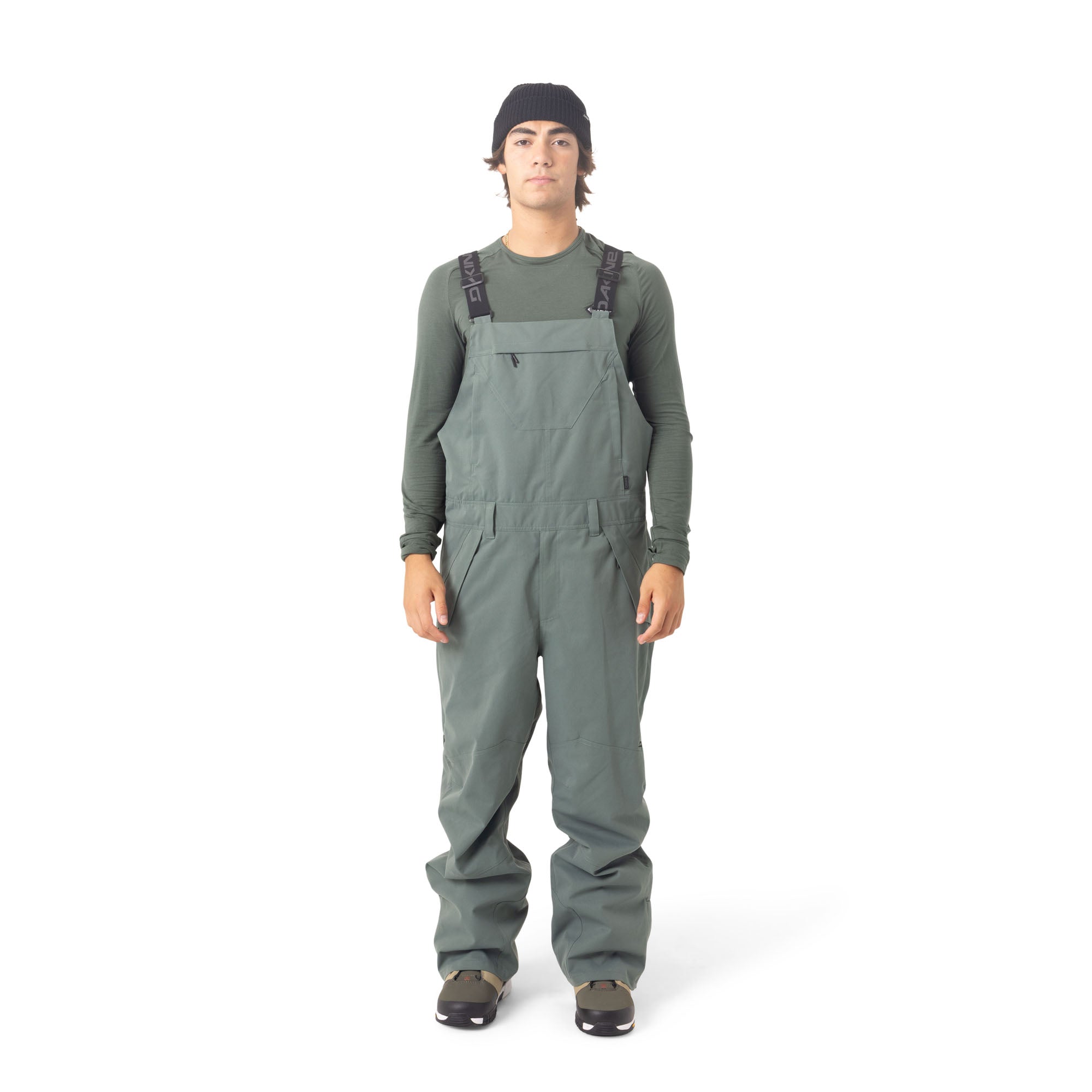
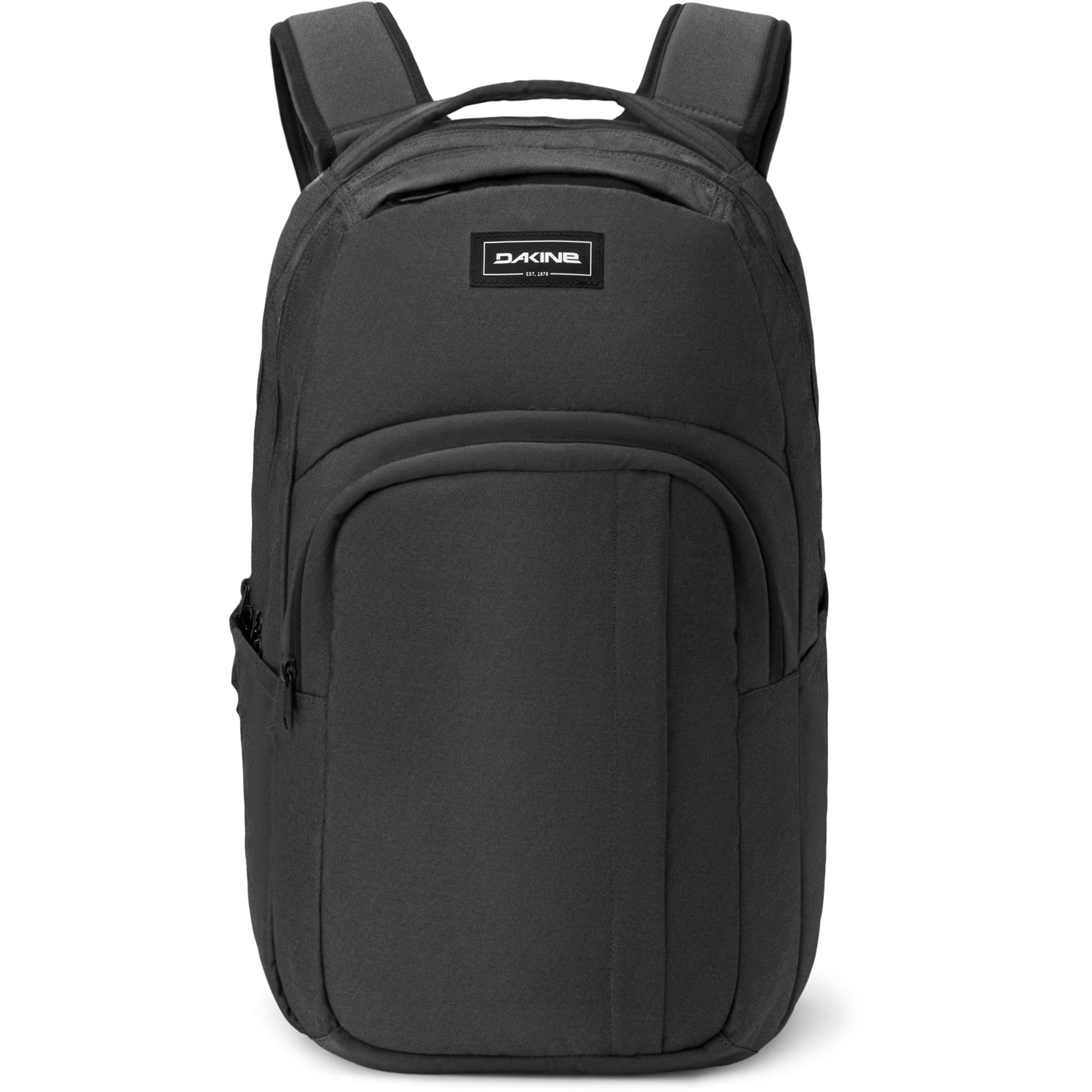
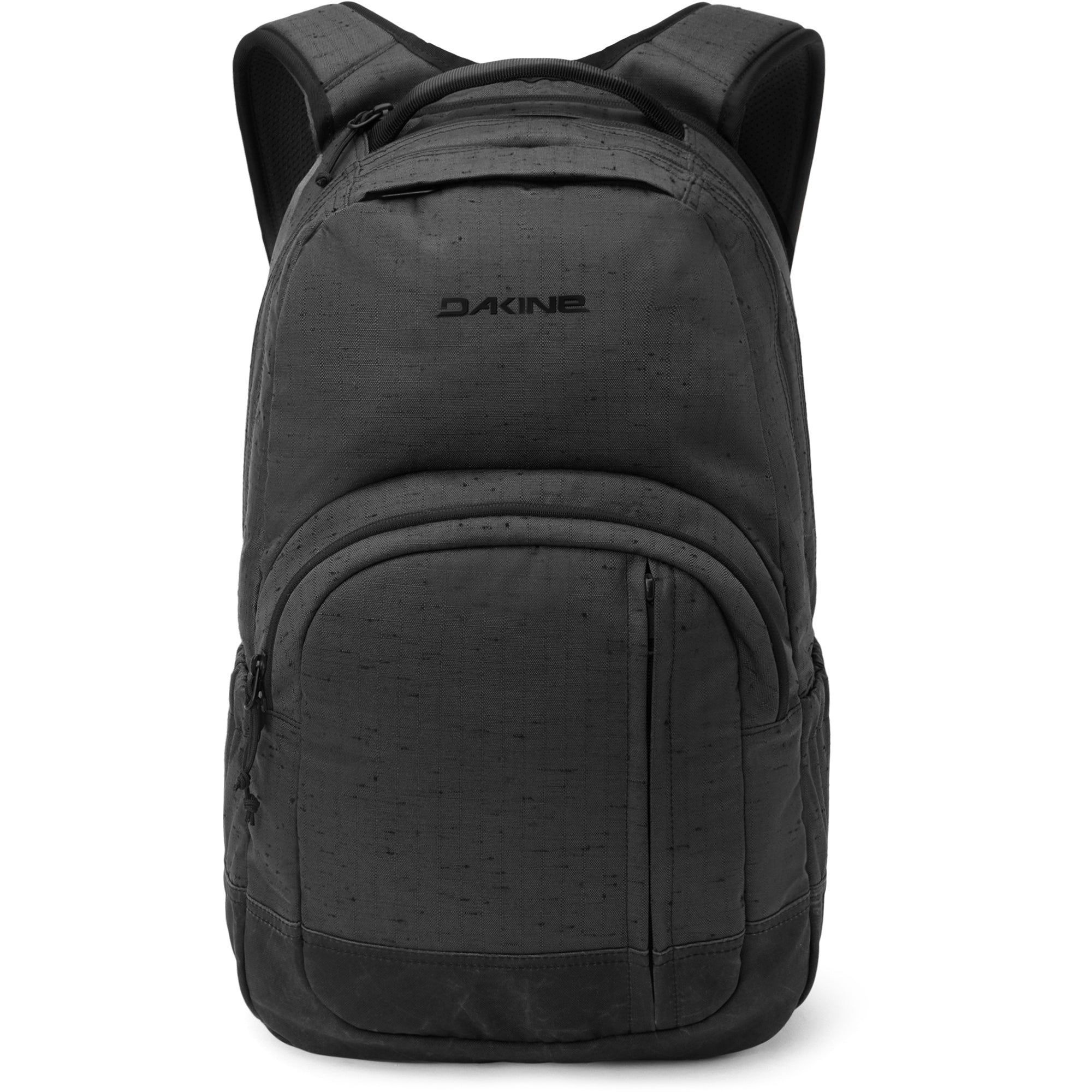
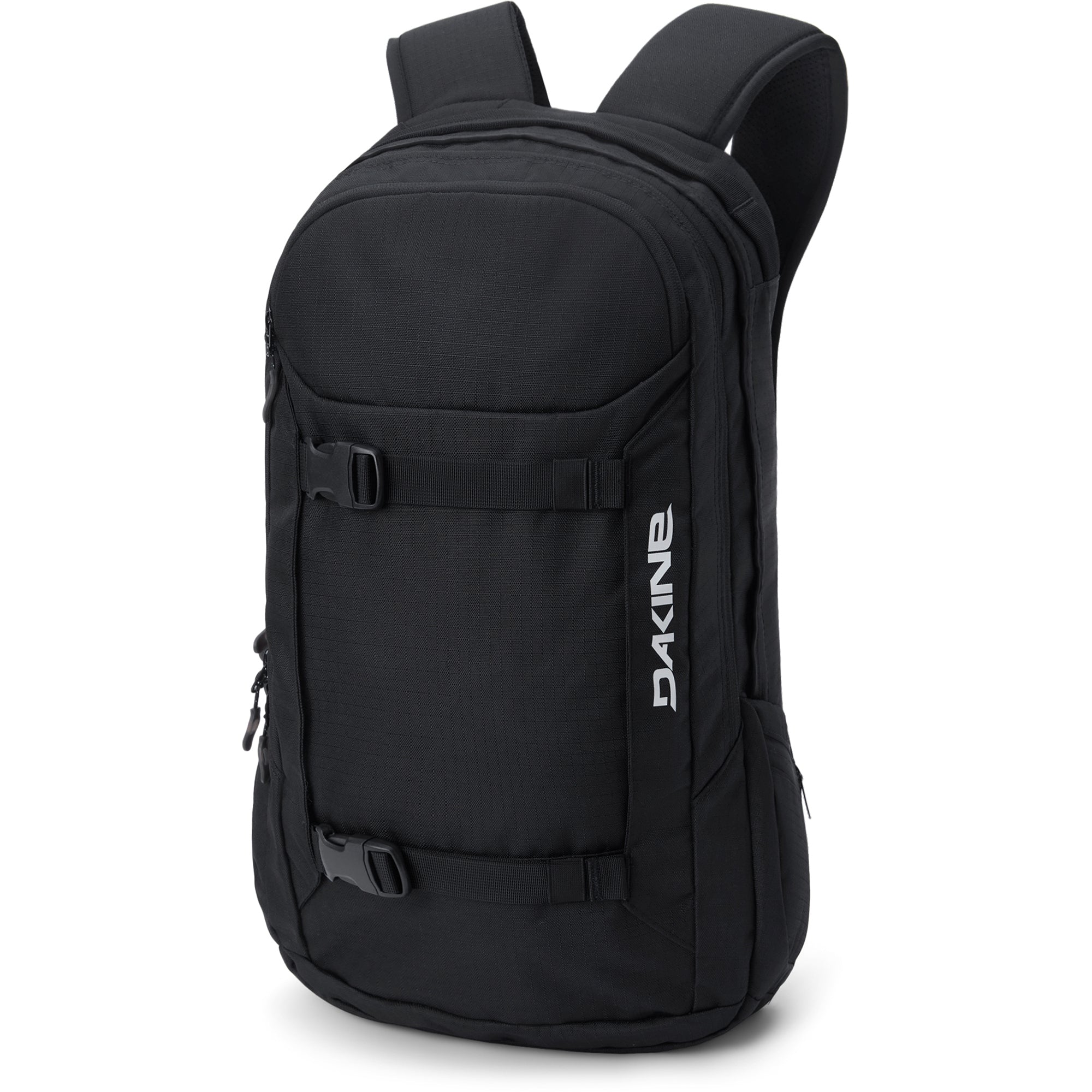
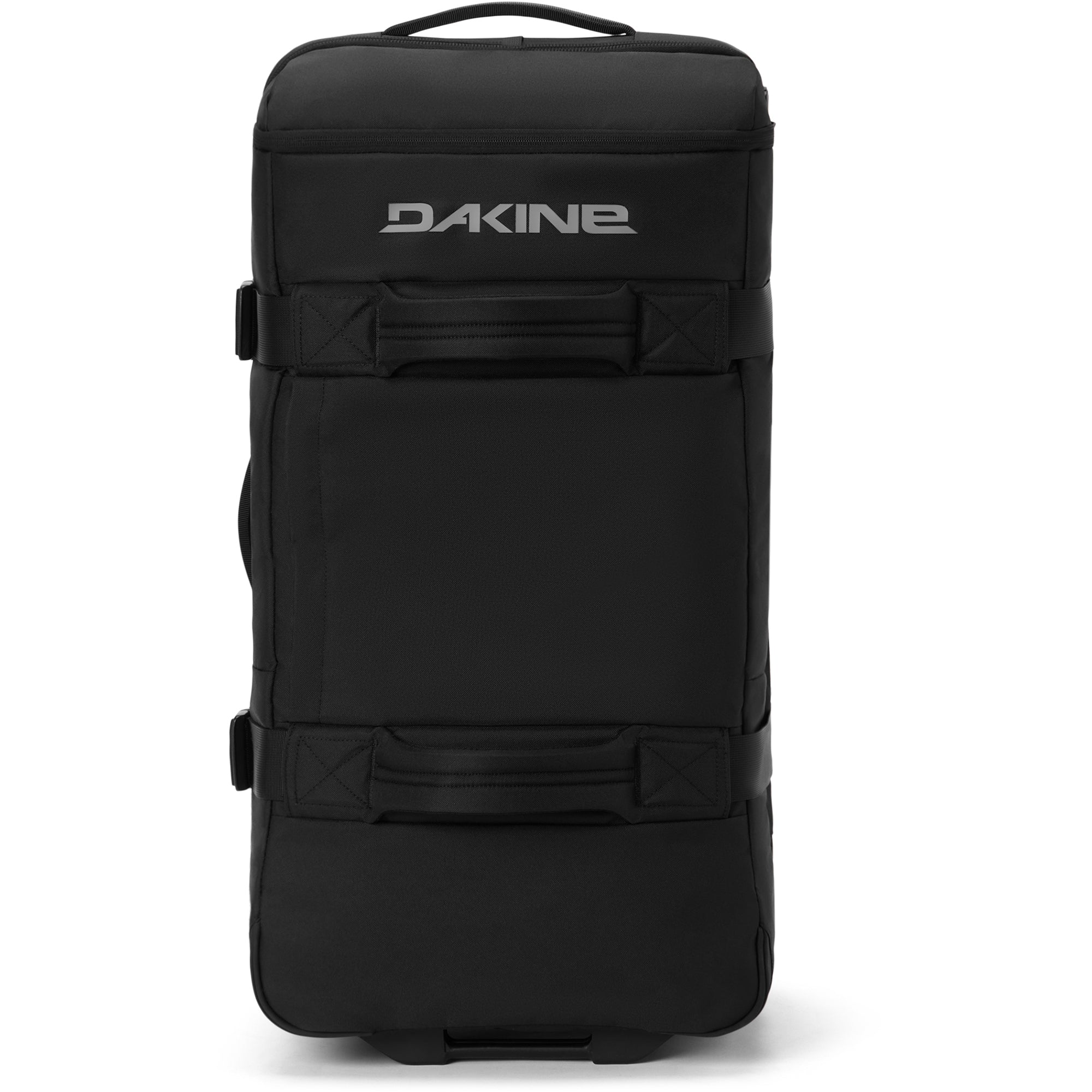
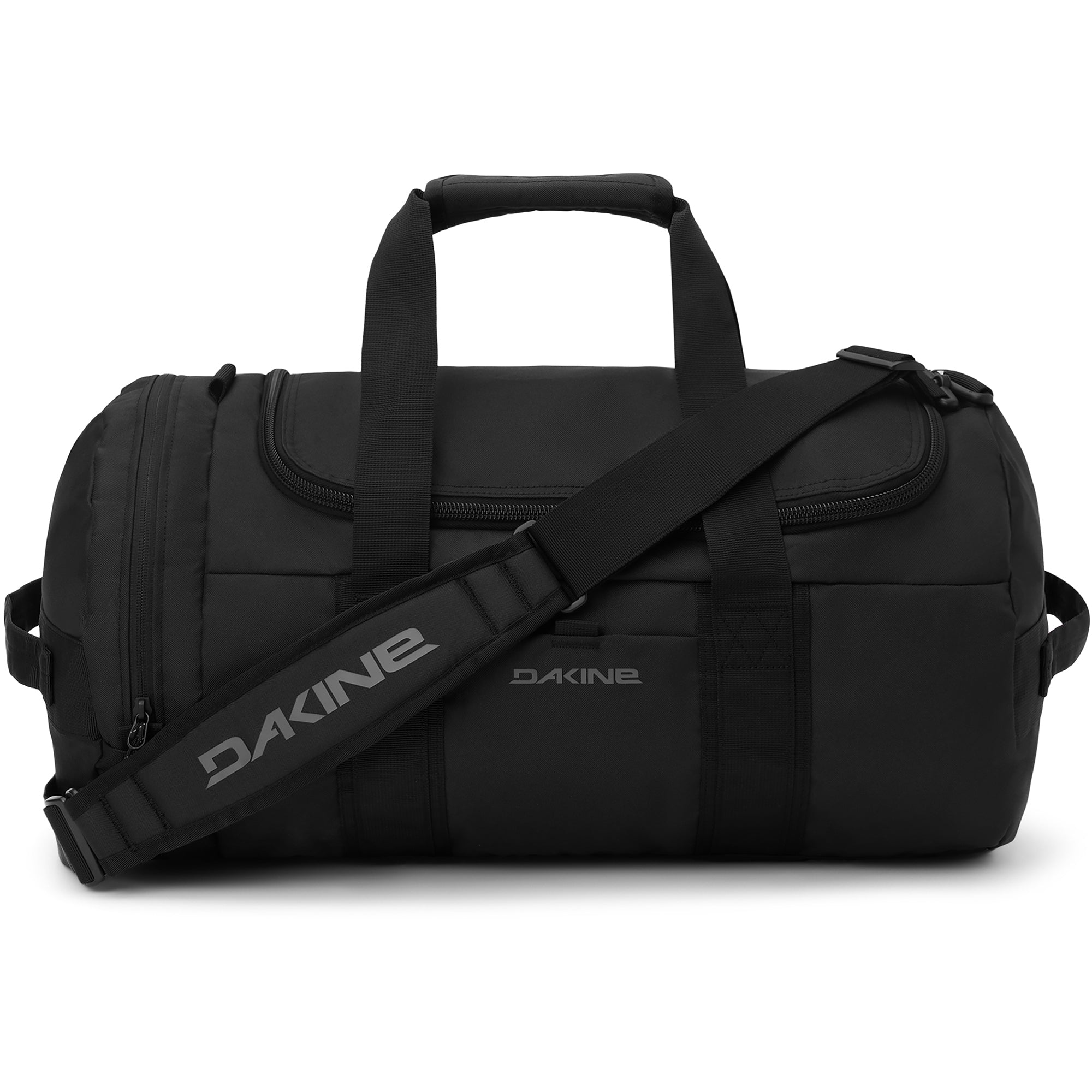
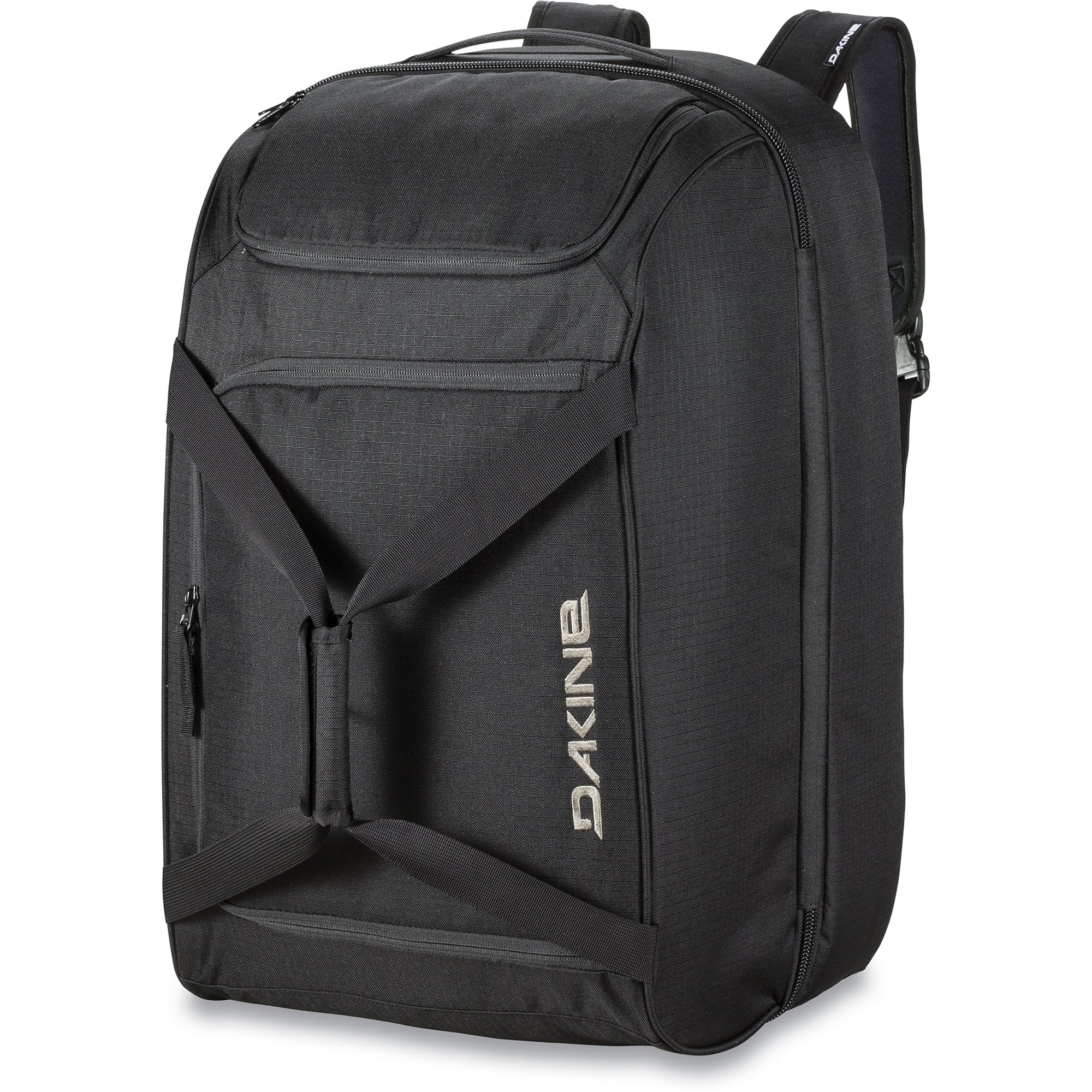
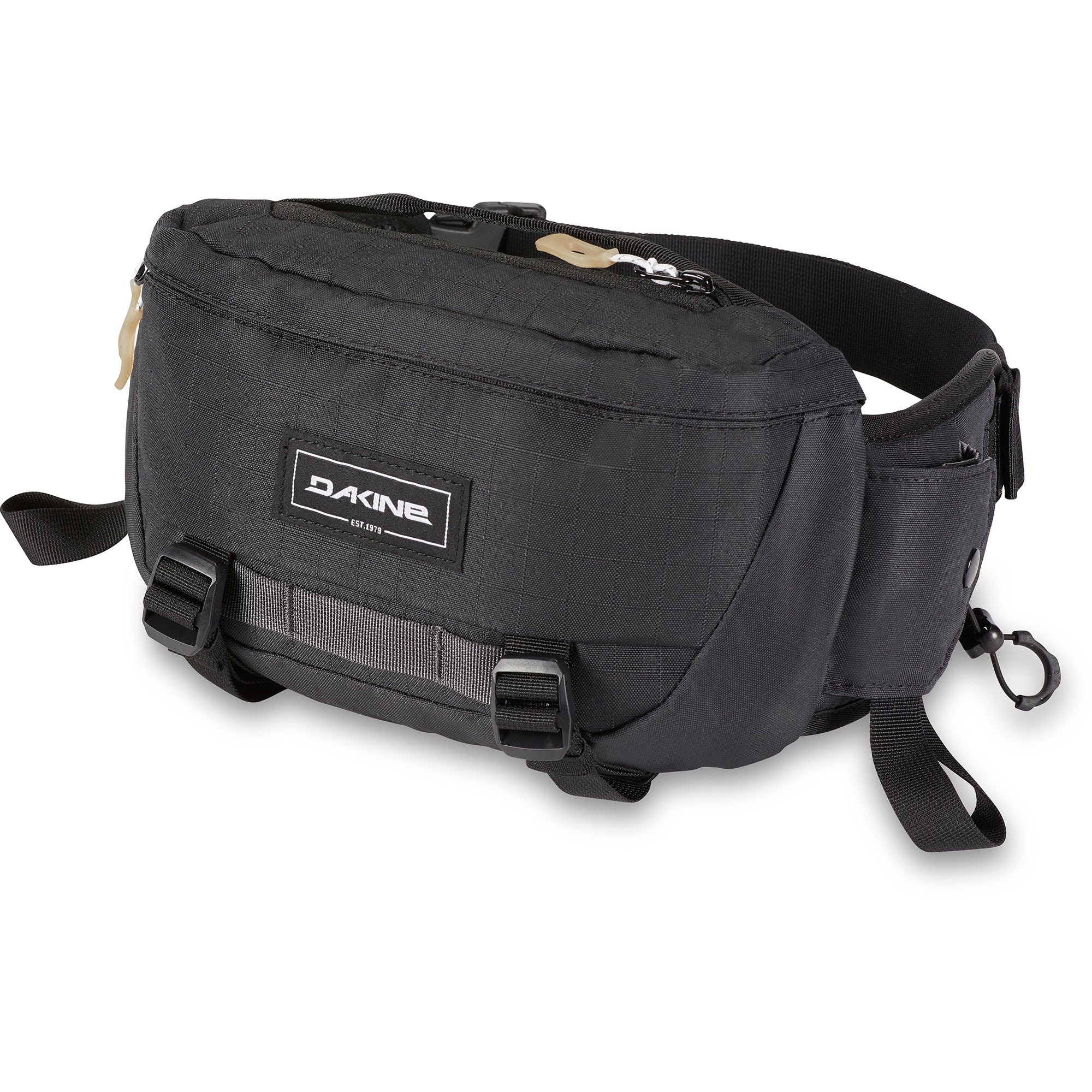
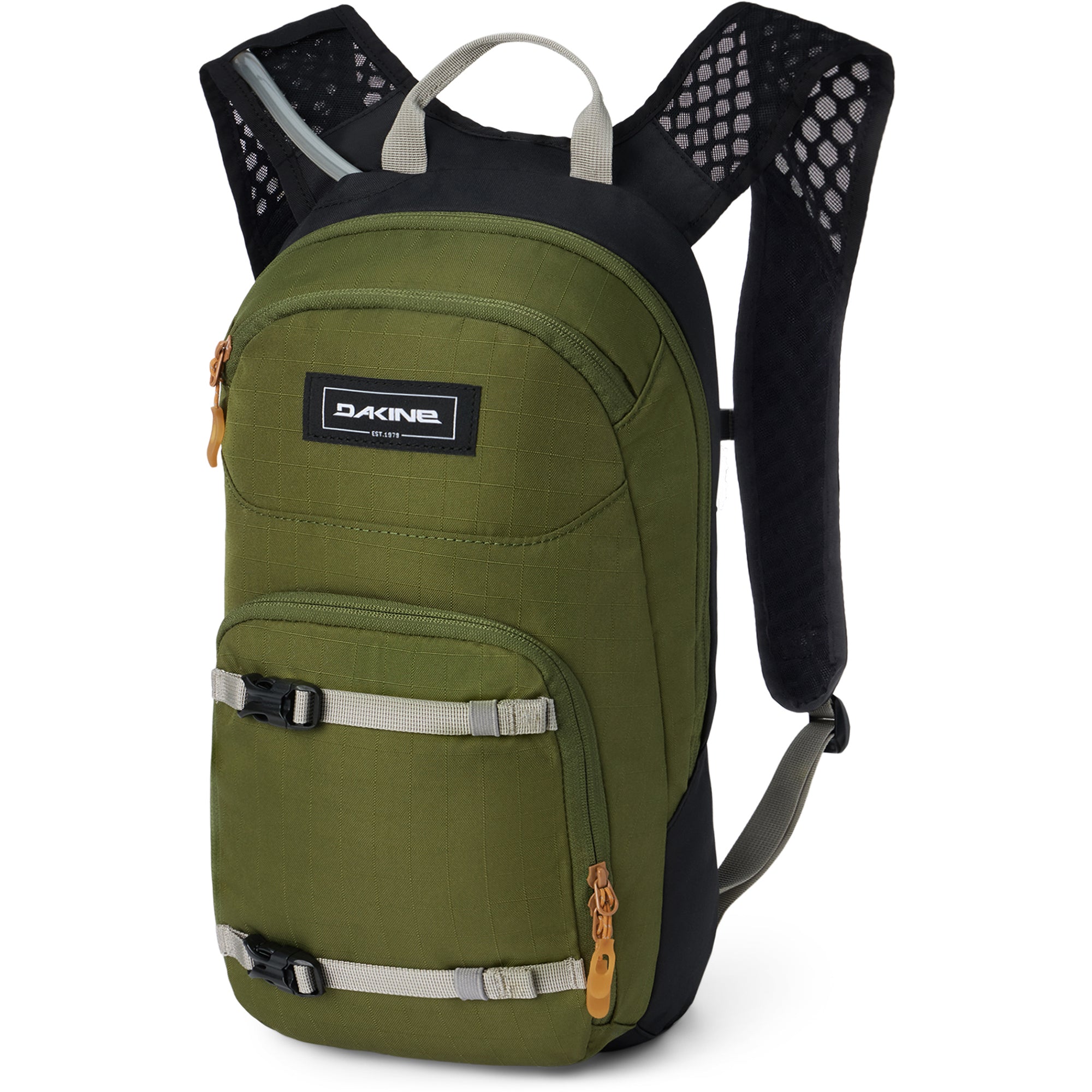
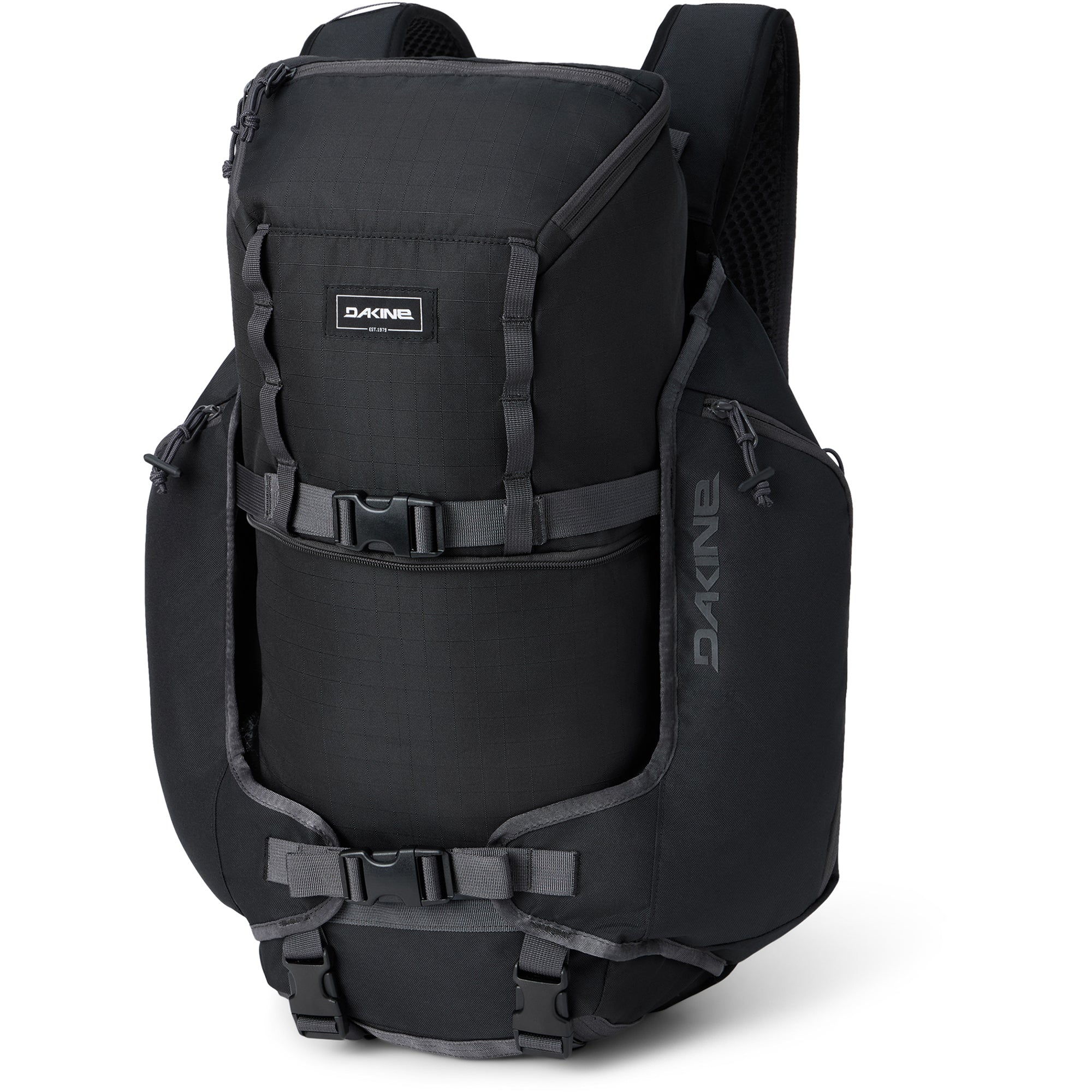
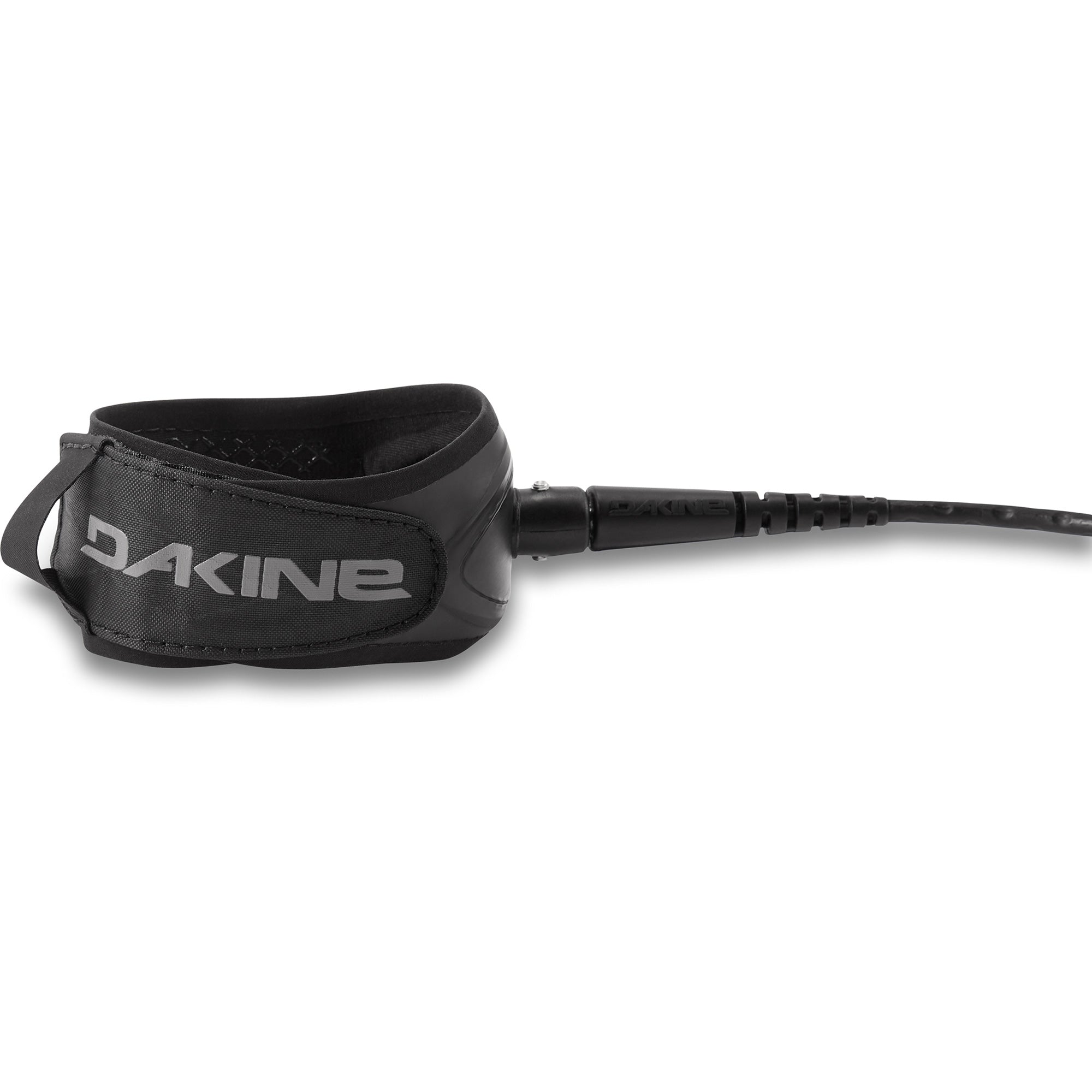
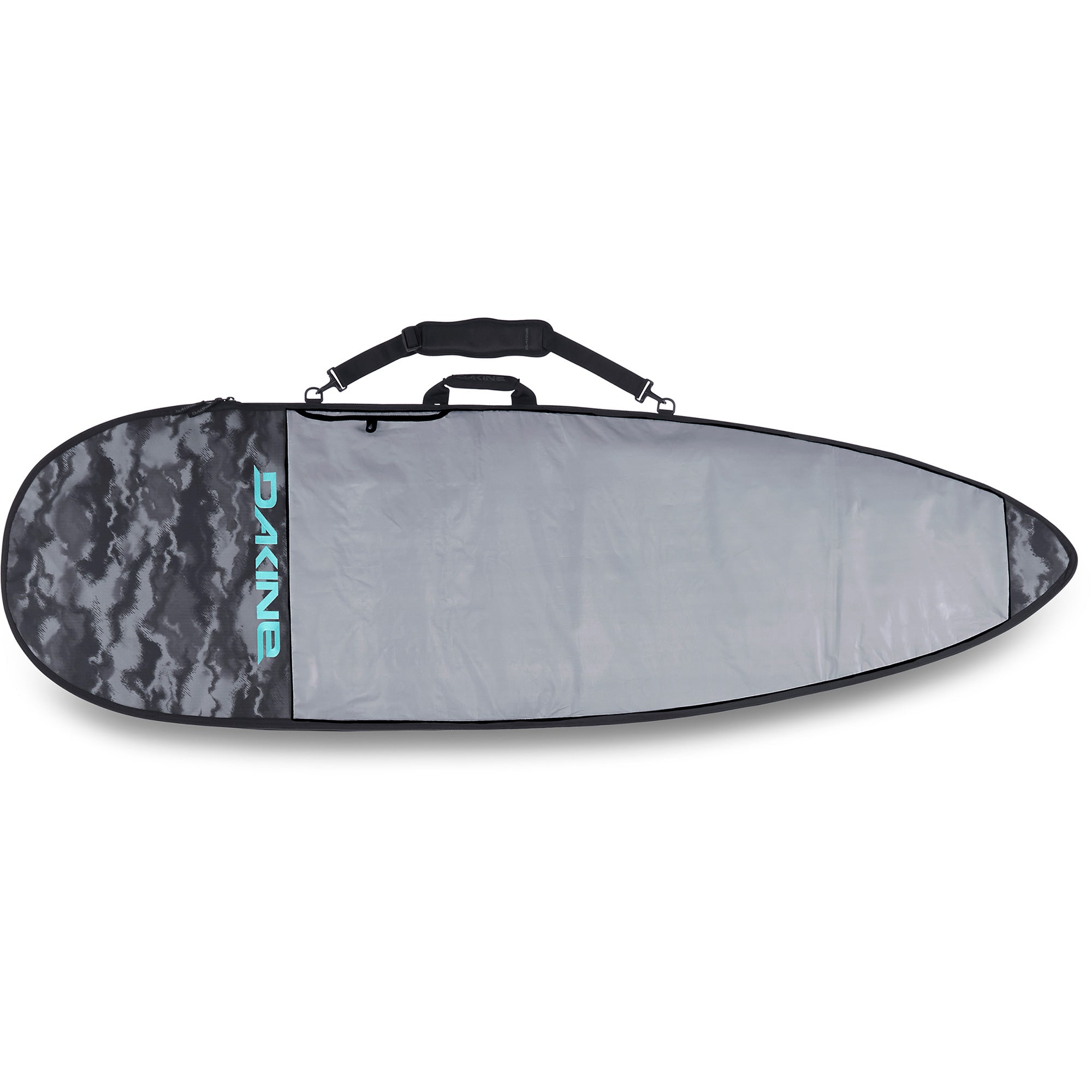
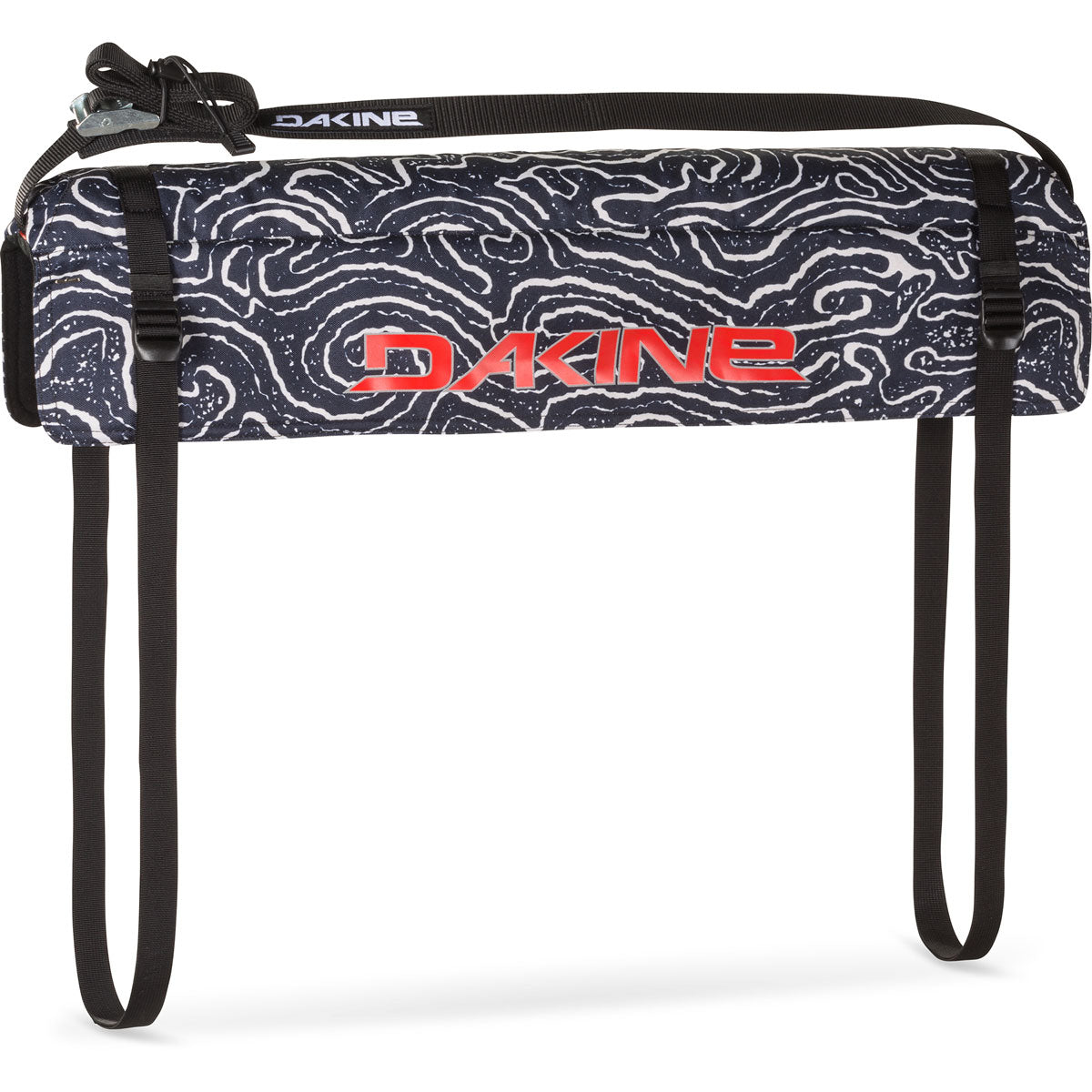
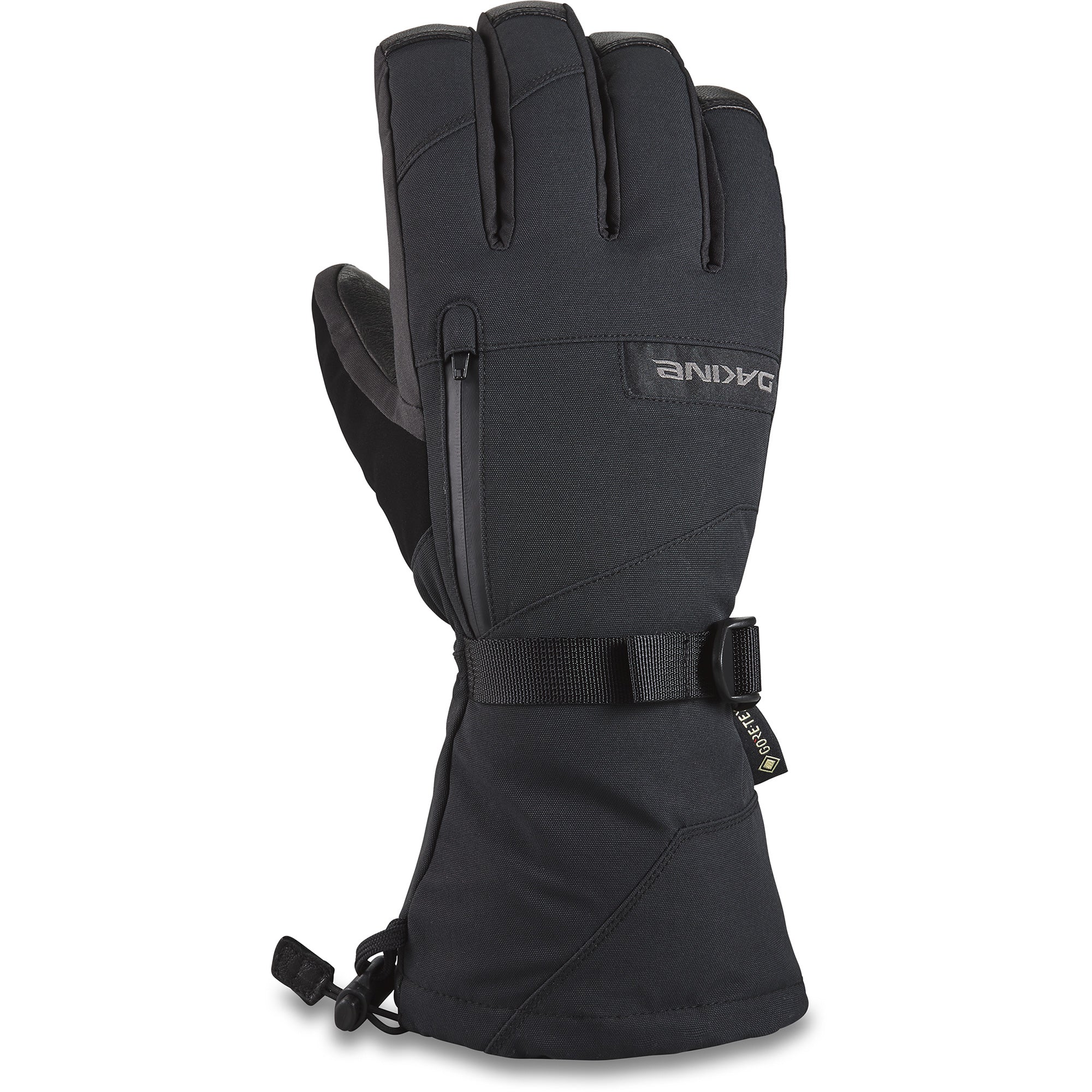
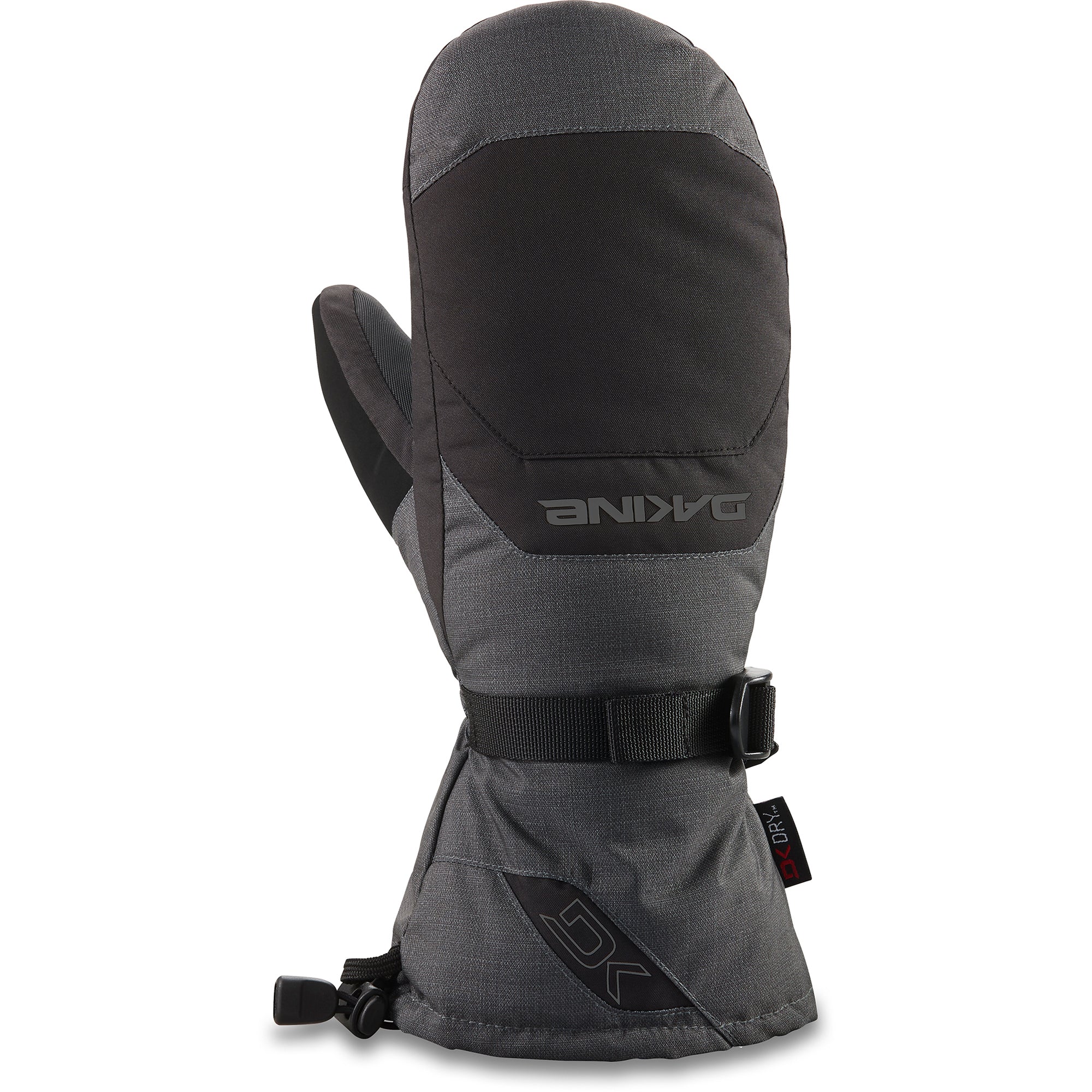
Dakine sells backpacks, clothing, outerwear, luggage, and accessories for men, women, and children. The through-line is adventure sports: the catalog is built around skiing, snowboarding, mountain biking, surfing, windsurfing, kiteboarding, and skateboarding. So whether you need a snow pack, a bike hydration pack, or a board bag, it's all under one roof.
Which Dakine product should I buy first?+
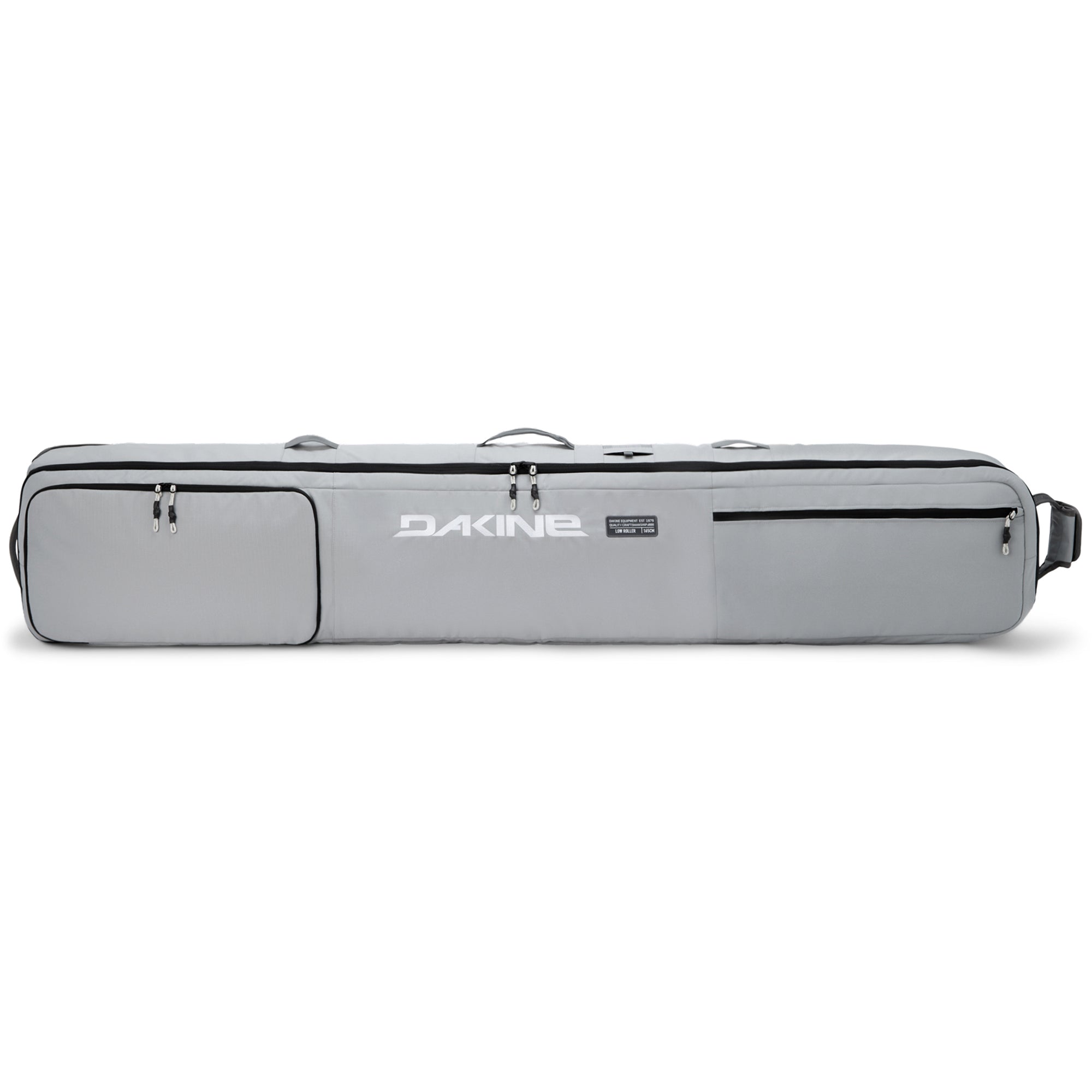
Start with the bag that matches your main sport, since that's where Dakine's design thinking is strongest. A snow pack, a bike hydration pack, or a roller board bag built for your discipline will show off the brand better than a generic daypack. Buy for the activity you do most and the gear-specific features will earn their keep.
Does Dakine sponsor athletes?+
Yes, and heavily. Dakine sponsors athletes across skiing, snowboarding, mountain biking, surfing, windsurfing, kiteboarding, and skateboarding. That roster isn't just marketing; it's why the gear tends to be designed around the real demands of each board and snow discipline.
Where is Dakine gear manufactured?+
Although Dakine is an American company, its products are manufactured overseas. The brand has held its design and operations stateside while production happens abroad, a common setup for outdoor-gear companies aiming to keep prices accessible.
Is Dakine an ethical brand to buy from?+
Dakine has adopted the SA8000 social compliance standard from Social Accountability International. That standard is built on the core international workplace rights in the International Labour Organisation conventions, the Universal Declaration of Human Rights, and the UN Convention on the Rights of the Child, which gives buyers a recognized framework to point to.
Who owns Dakine?+
Ownership has changed hands more than once. Dakine was acquired by Billabong International in August 2009 for about US$100 million, then sold in 2013 to Altamont Capital Partners for $70 million. So today it operates independently of Billabong under that later ownership.