Brand · British boots since 1960

Doc Martens

Air-cushioned soles and yellow stitching — the boot that subcultures made their own.

Doc Martens
Re-checked daily
Dr. Martens — Docs, DMs — is a British footwear brand known for its air-cushioned sole, welted construction and unmistakable yellow stitching, run from a head office and design studio in Camden Town, London.

The sole was invented by Klaus Märtens, a German army doctor who, after injuring his ankle skiing in 1945, built himself boots with air-padded soles made from tyres. He went into business with university friend Herbert Funck in 1947. In 1959 British manufacturer R. Griggs Group bought the rights, anglicised the name to Dr. Martens, added the yellow stitching, and on 1 April 1960 launched the eight-eyelet cherry-red boot known as the 1460.

The three-eyelet 1461 shoe followed a year later, and the pair remain the best-selling DMs — the BBC notes the original 1460 and 1461 still make more than half the company's revenue. Adopted by skinheads, punks and other youth subcultures from the late 1960s on, the brand is now listed on the London Stock Exchange and still makes boots at its historic Cobbs Lane factory in Wollaston, Northamptonshire.
The Doc Martens pieces worth knowing

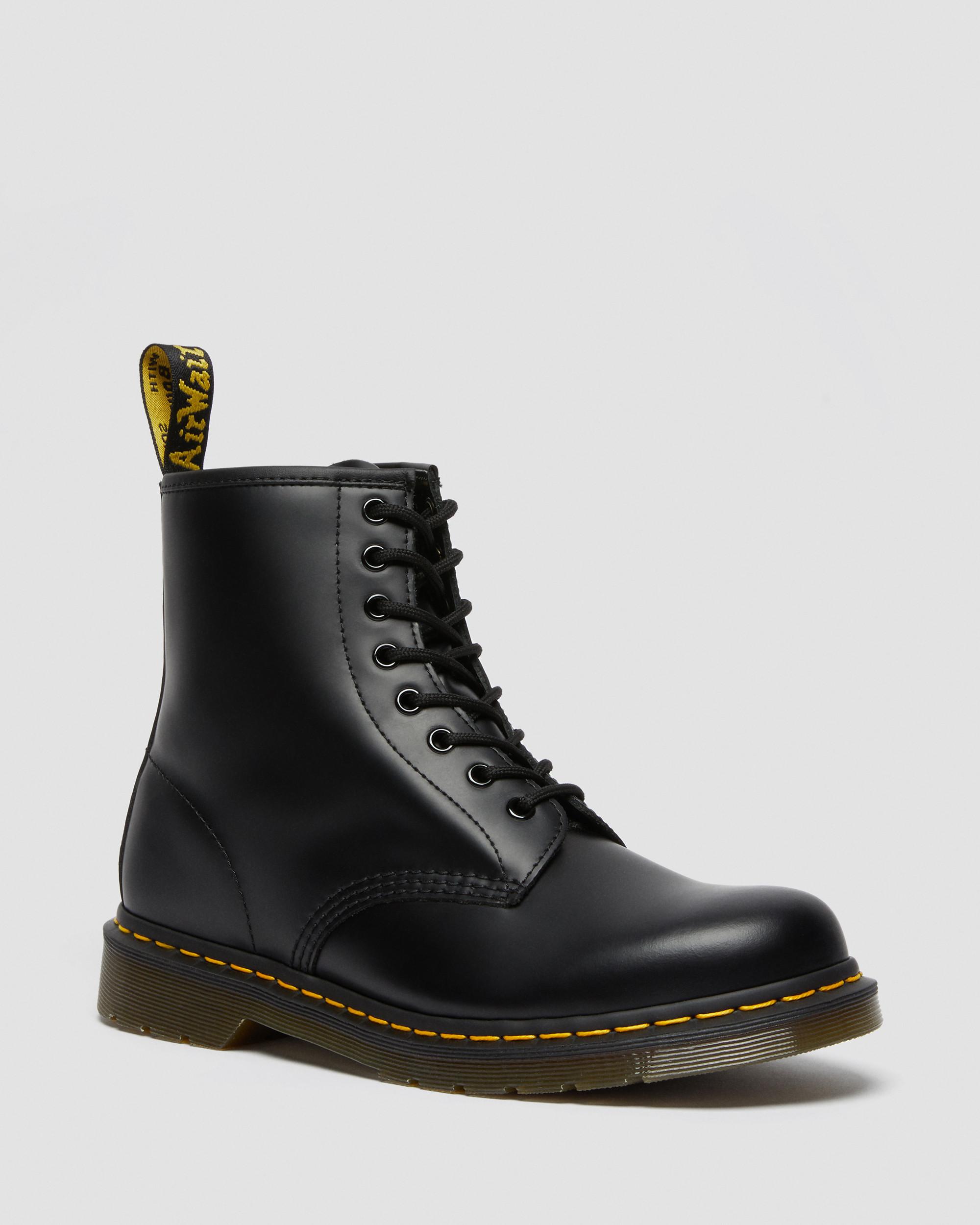
1460 Smooth Leather Lace Up Boots
The Original
1460 Smooth Leather Lace Up Boots
The eight-eye boot that carries Dr. Martens from workwear into subculture.
$180 at DR. MARTENS
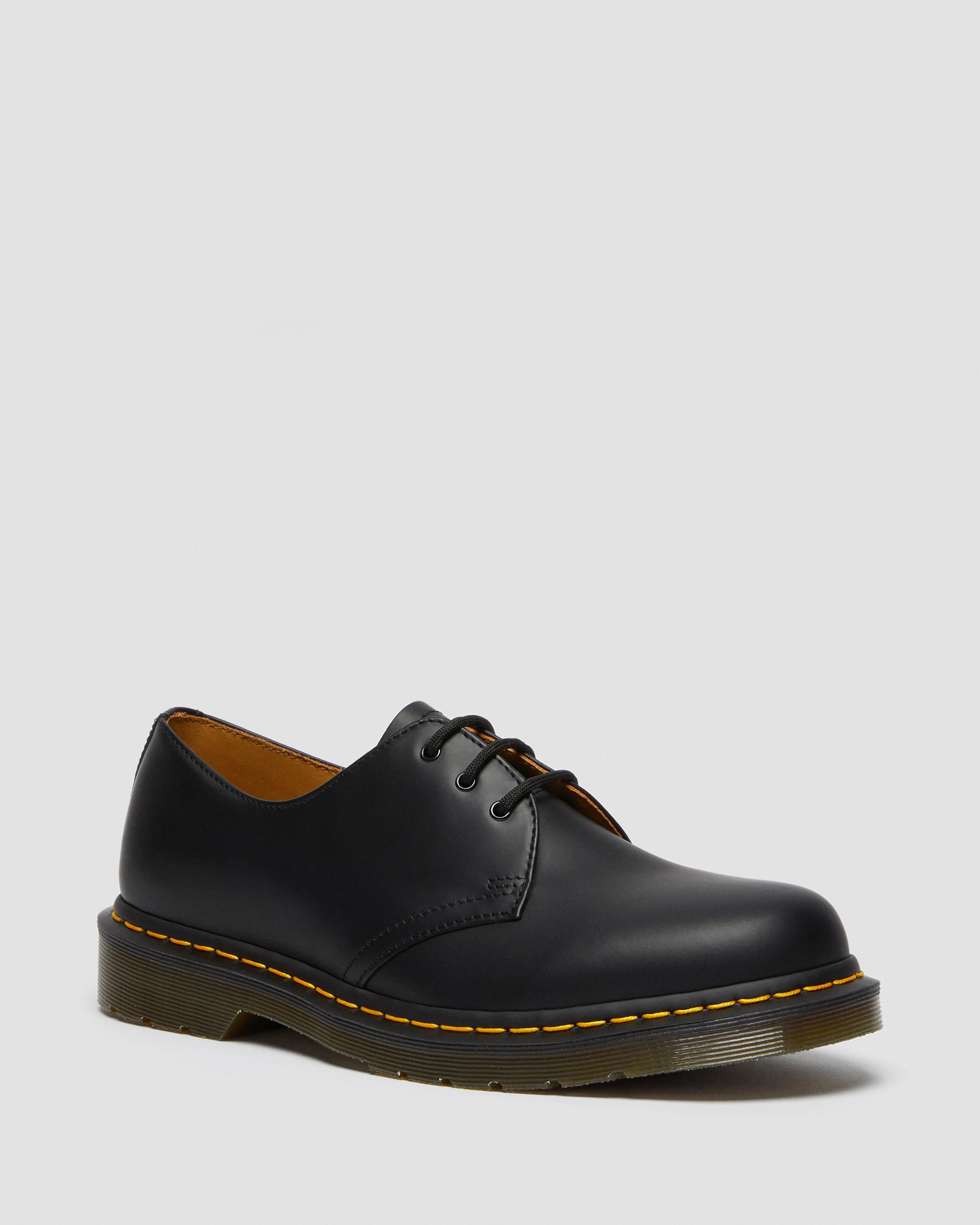
1461 Smooth Leather Oxford Shoes
The 1961 Shoe
1461 Smooth Leather Oxford Shoes
The three-eye shoe that distills the Docs attitude into a low oxford.
$160 at DR. MARTENS
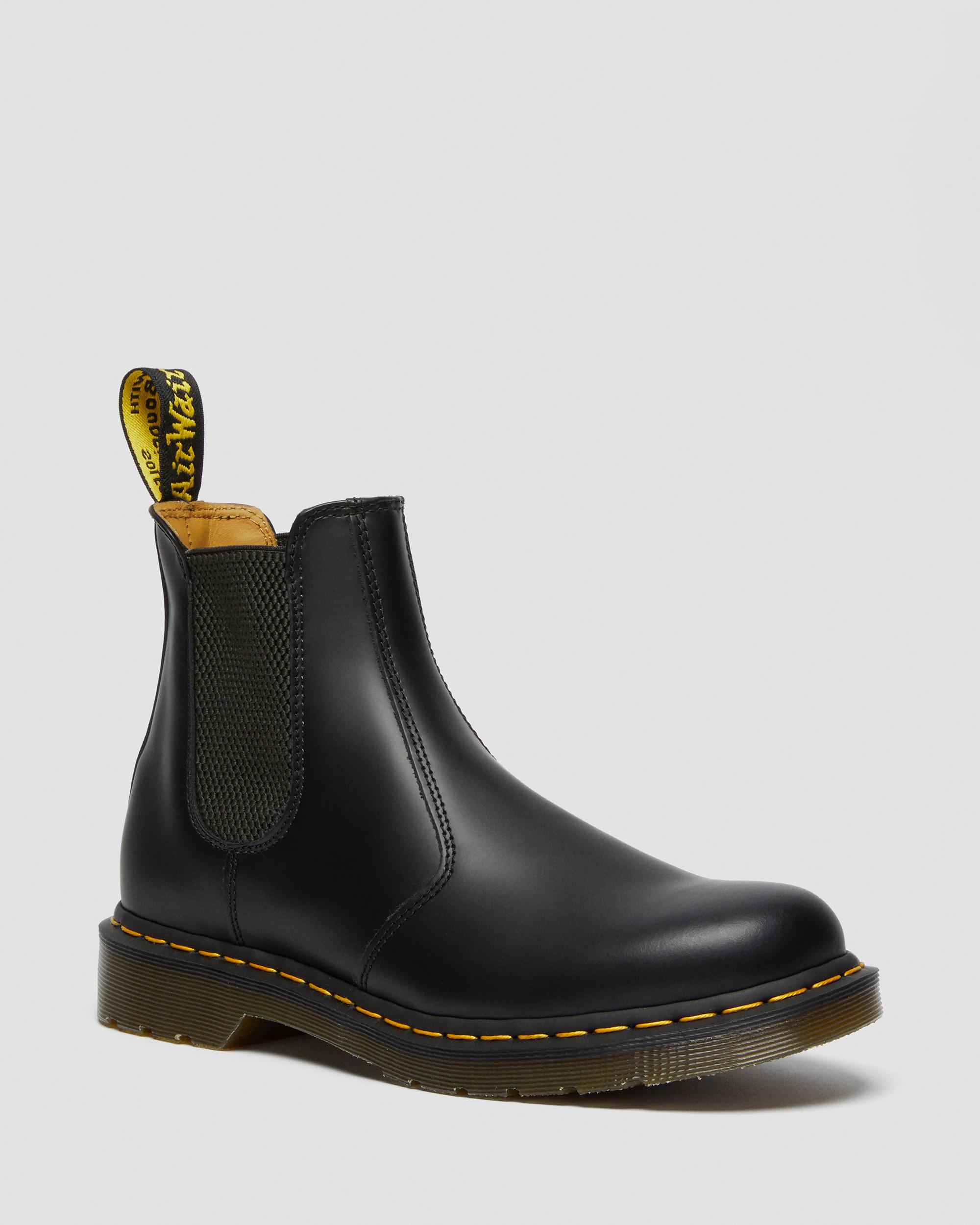
2976 Yellow Stitch Smooth Leather Chelsea Boots
Chelsea Boot
2976 Yellow Stitch Smooth Leather Chelsea Boots
A pull-on Chelsea boot with the unmistakable Docs welt line.
$180 at DR. MARTENS
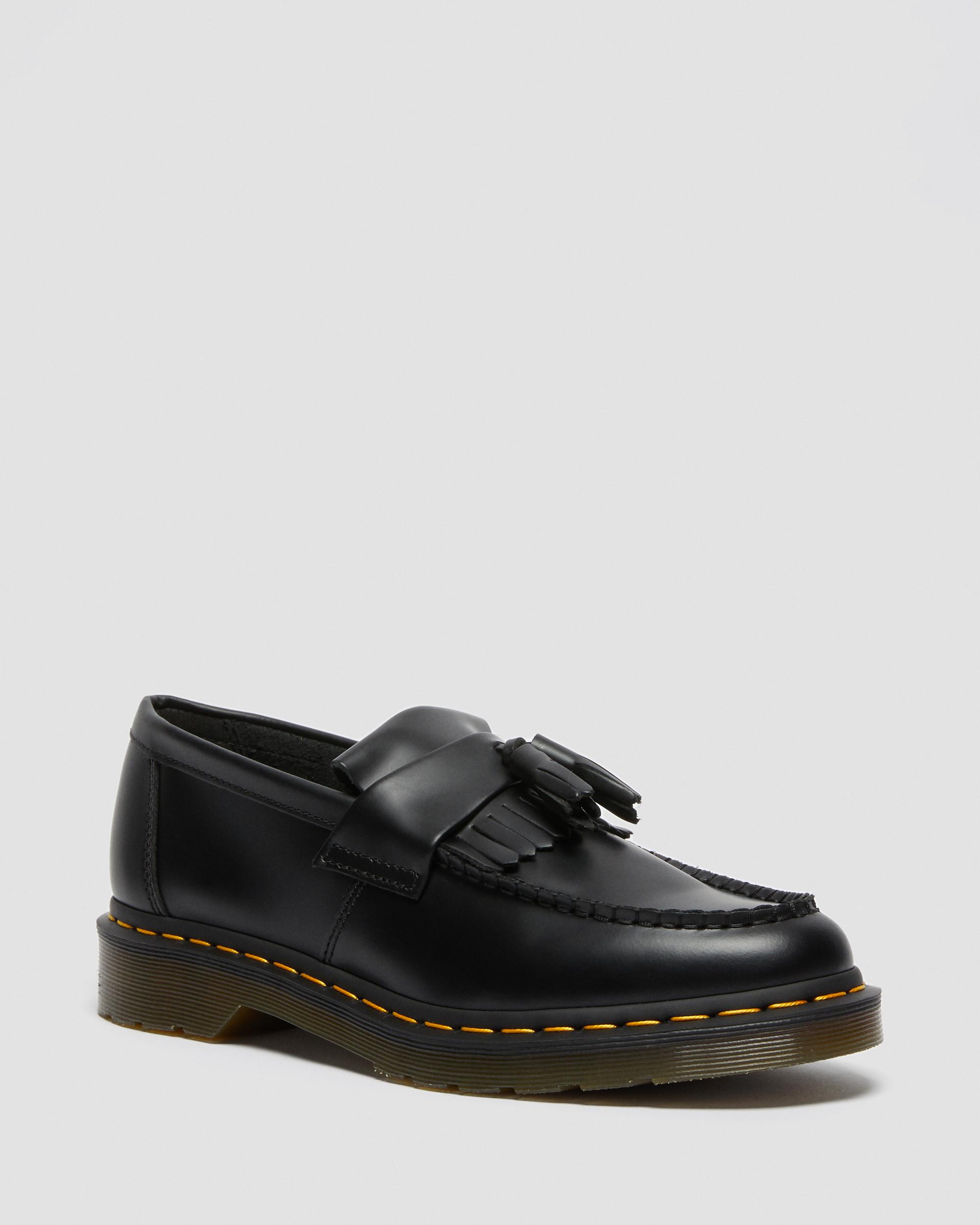
Adrian Yellow Stitch Leather Tassel Loafers
Tassel Loafer
Adrian Yellow Stitch Leather Tassel Loafers
A tasselled loafer that makes the Docs sole feel sharp and subcultural.
$160 at DR. MARTENS
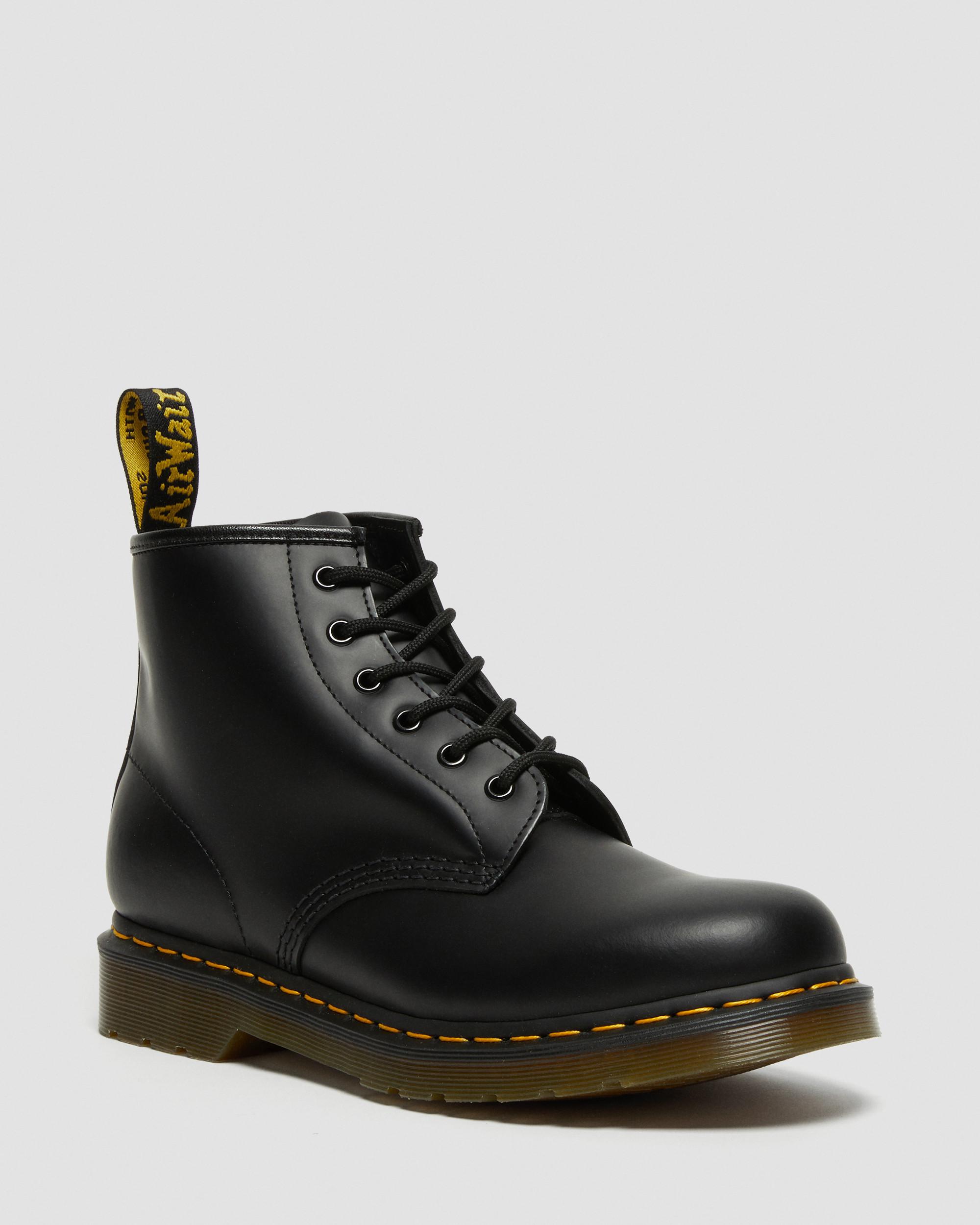
101 Yellow Stitch Smooth Leather Ankle Boots
6-Eye Boot
101 Yellow Stitch Smooth Leather Ankle Boots
A shorter six-eye boot that keeps the Docs DNA close to the ankle.
$170 at DR. MARTENS
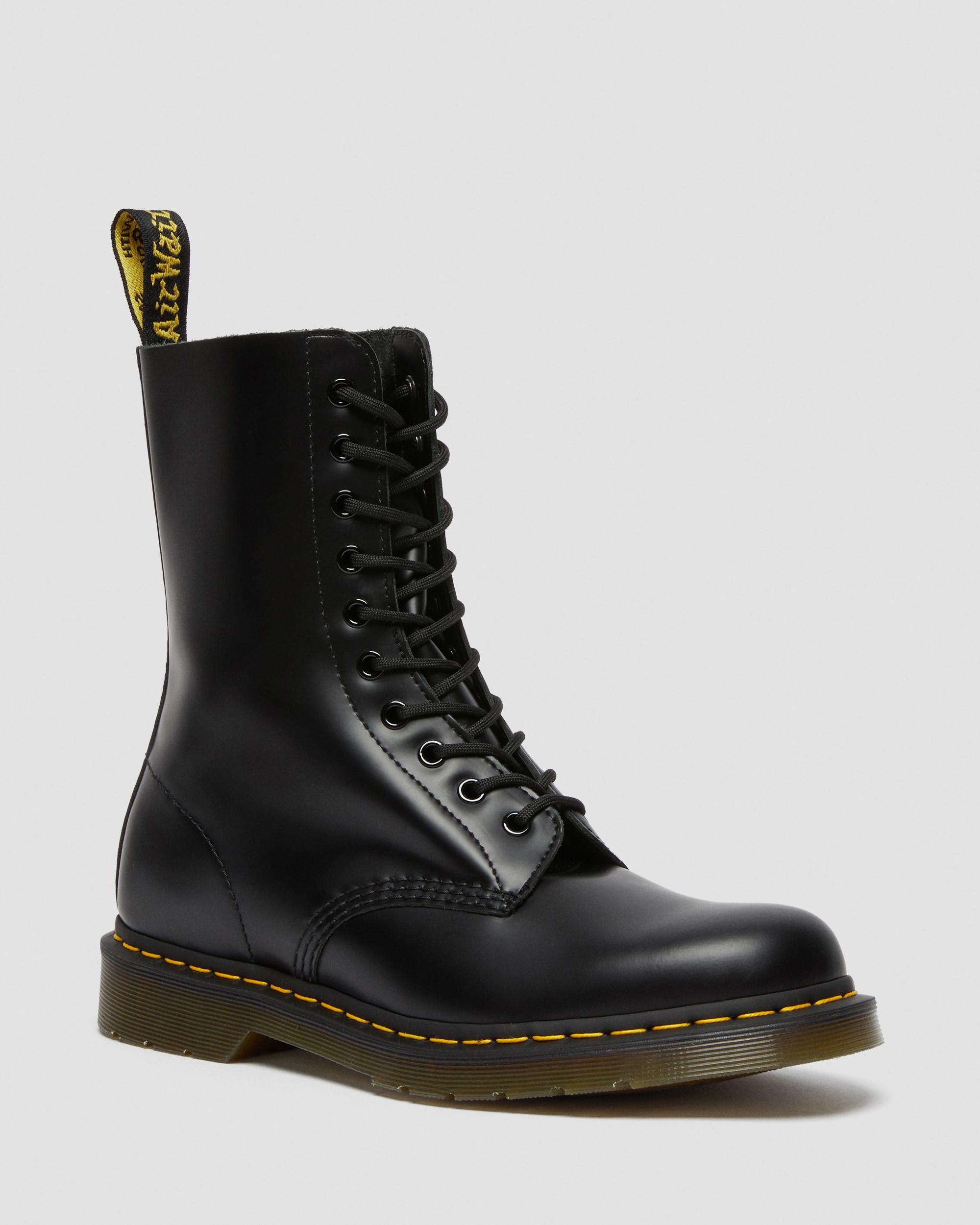
1490 Smooth Leather Mid Calf Boots
10-Eye Boot
1490 Smooth Leather Mid Calf Boots
A taller ten-eye boot with a punk silhouette and extra lace height.
$180 at DR. MARTENS
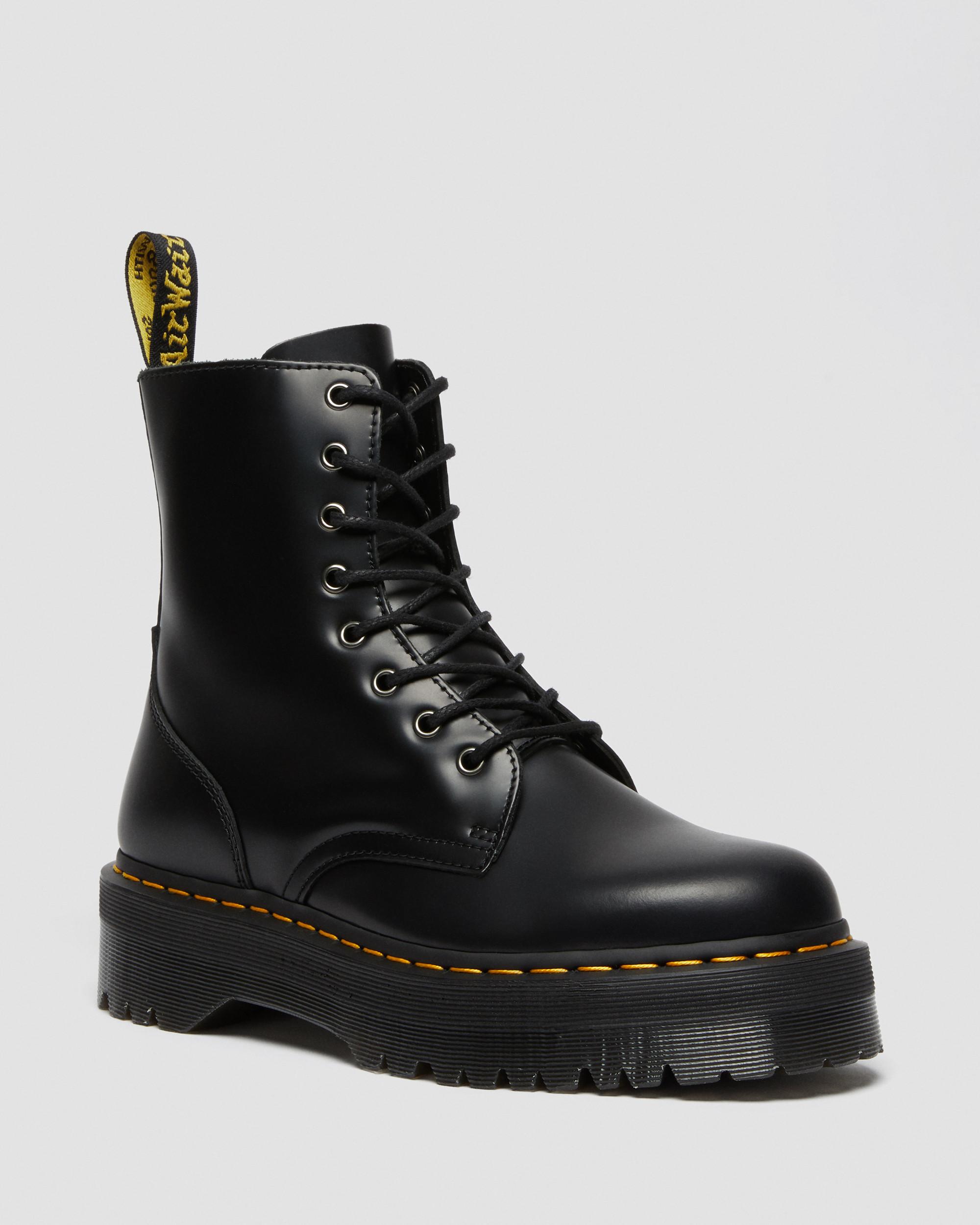
Jadon Boot Smooth Leather Platforms
Platform Boot
Jadon Boot Smooth Leather Platforms
The platform boot that turns the 1460 language into a louder silhouette.
$210 at DR. MARTENS
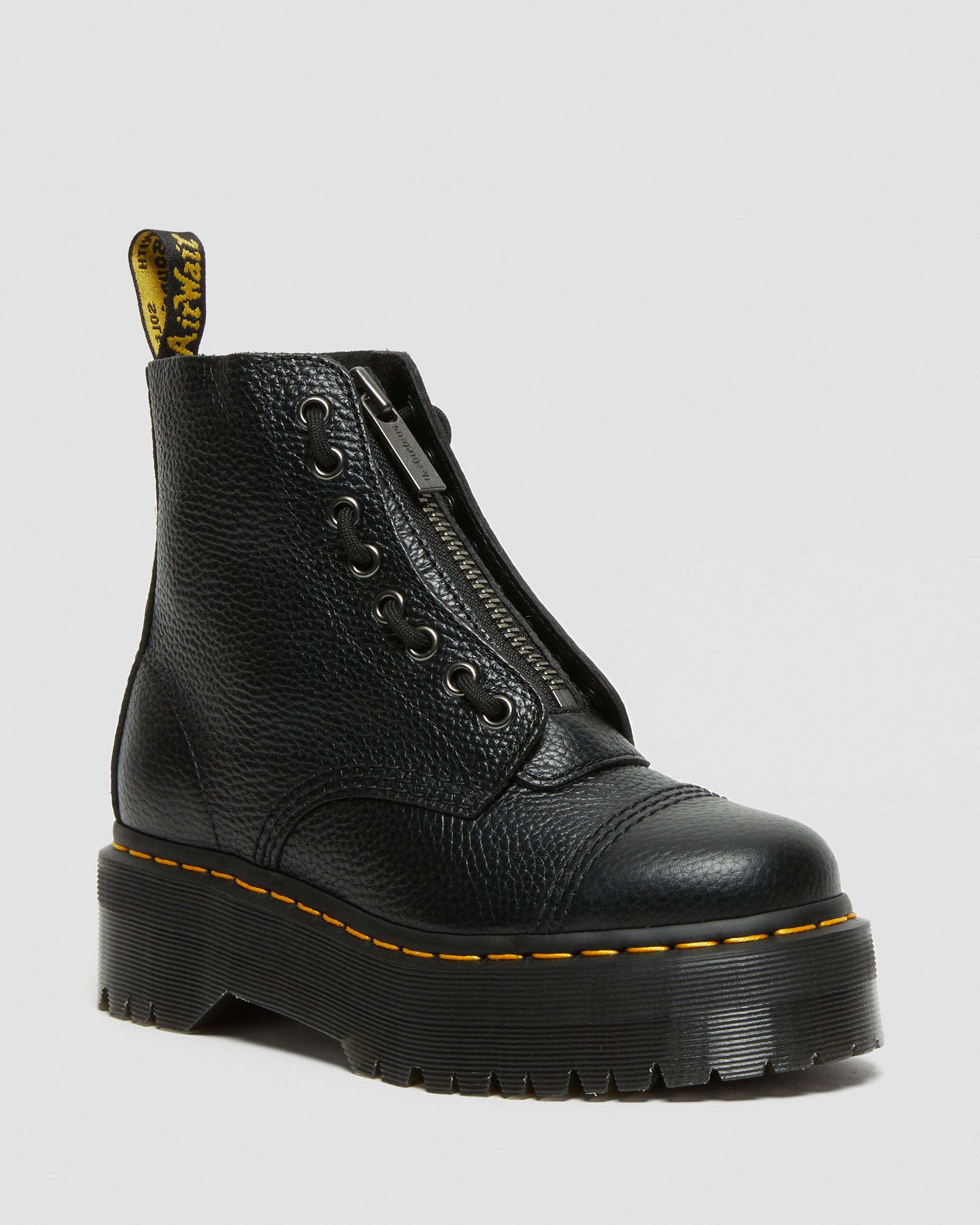
Sinclair Milled Nappa Leather Platform Boots
Zip Platform
Sinclair Milled Nappa Leather Platform Boots
A front-zip platform boot built for switching between lace-up and zipped attitude.
$220 at DR. MARTENS
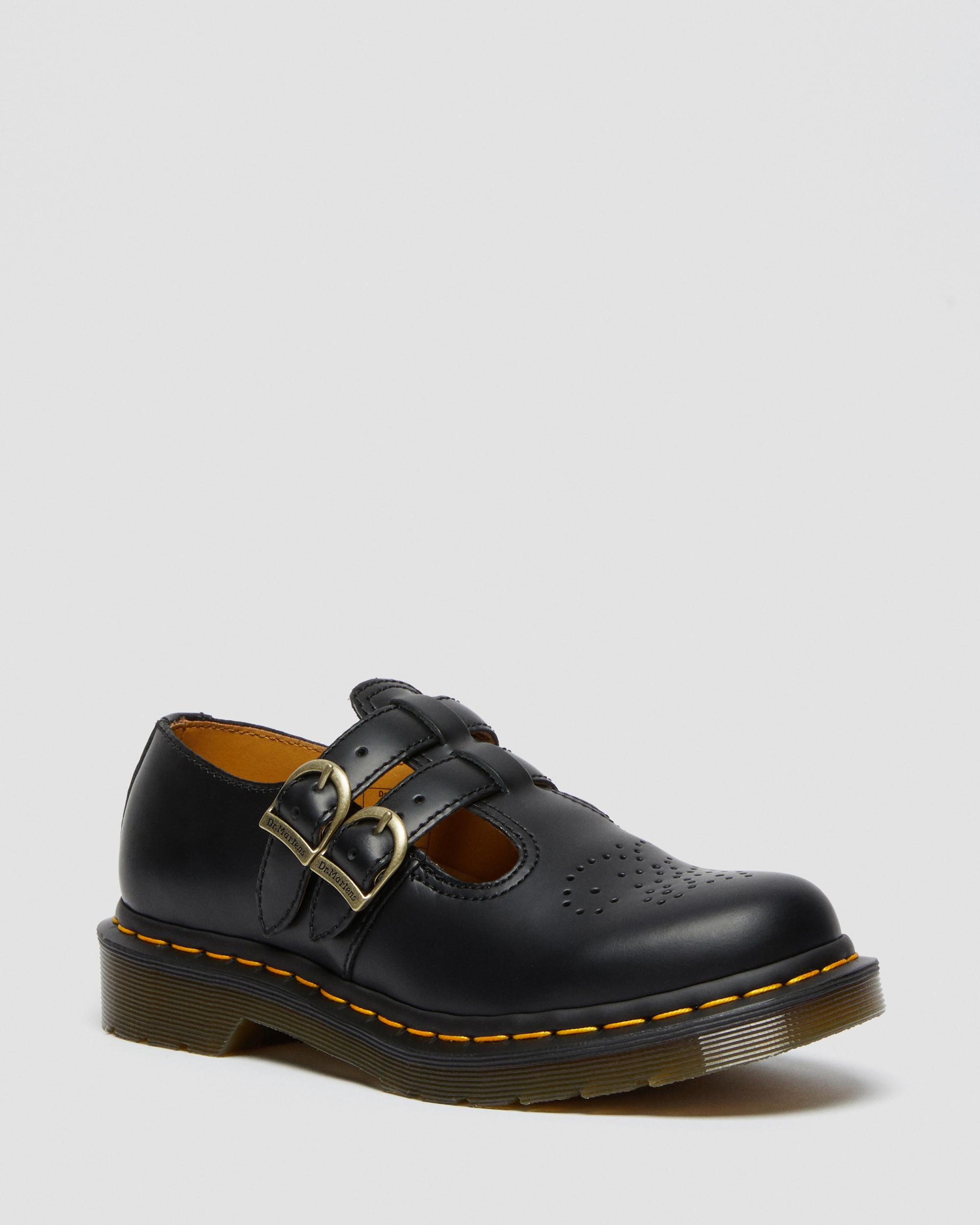
8065 Smooth Leather Mary Jane Shoes
Mary Jane
8065 Smooth Leather Mary Jane Shoes
A Mary Jane reworked with Docs hardware, brogue detail and a welted sole.
$150 at DR. MARTENS
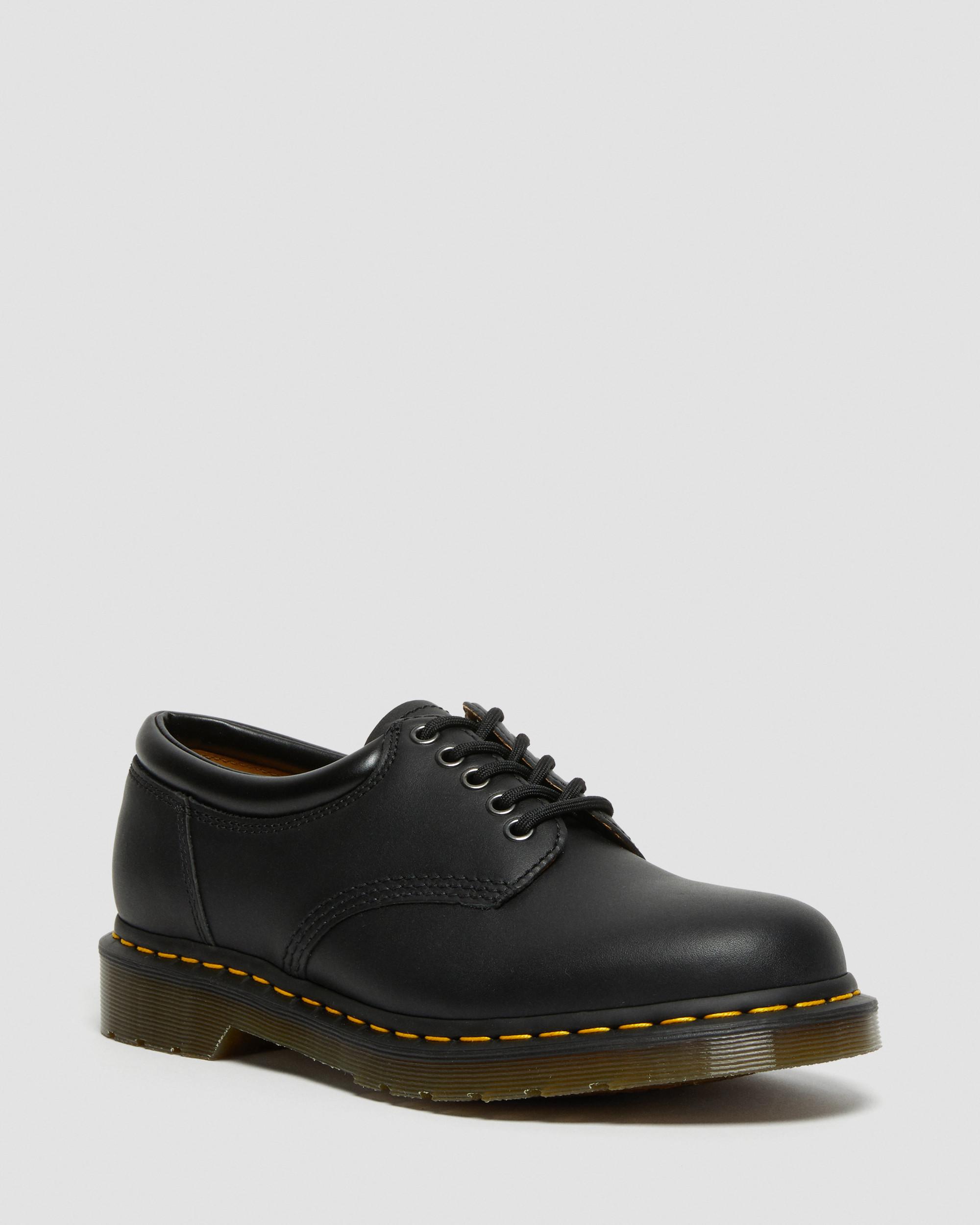
8053 Nappa Leather Casual Shoes
5-Eye Shoe
8053 Nappa Leather Casual Shoes
A padded five-eye shoe that pushes the low Docs shape toward comfort.
$160 at DR. MARTENS
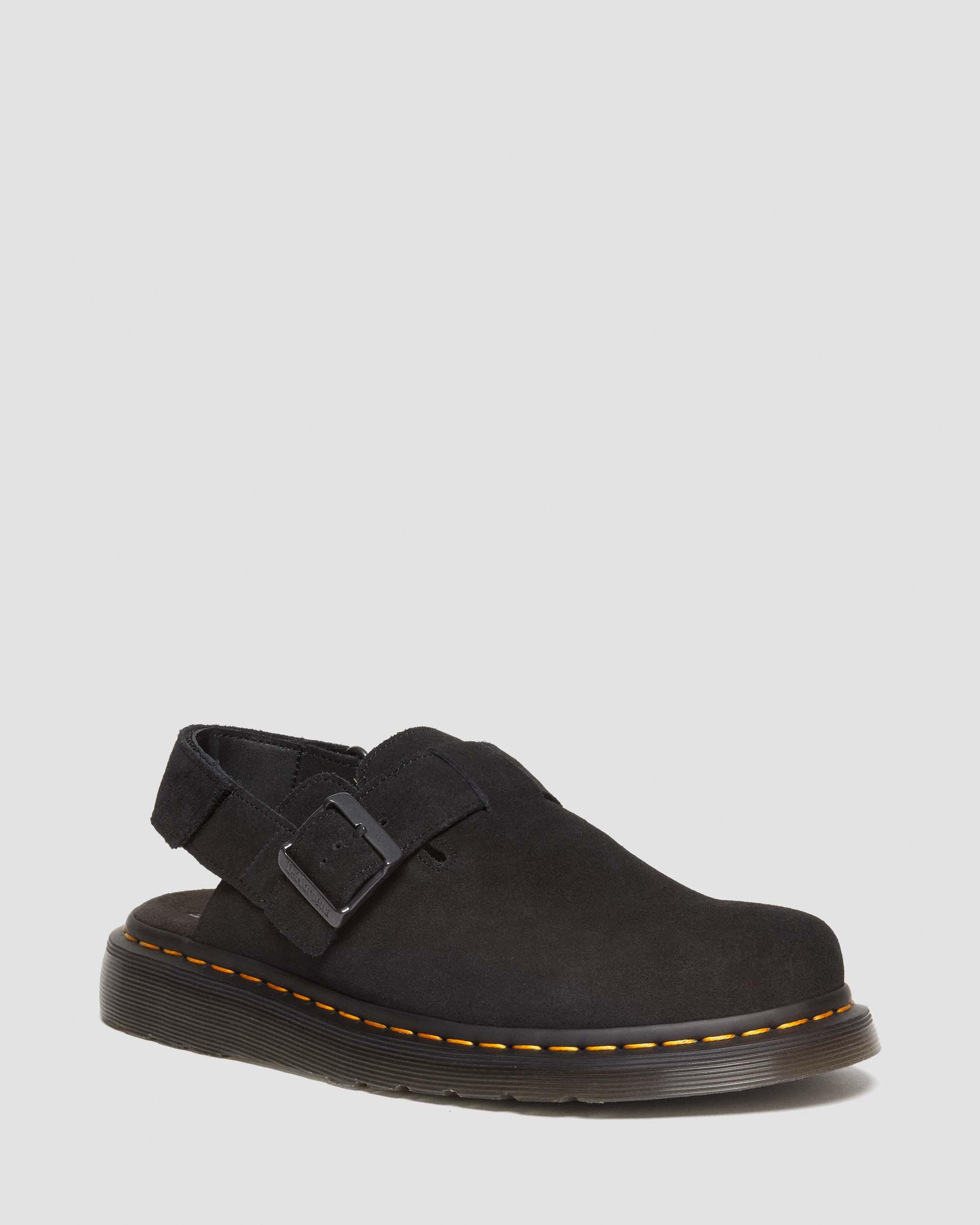
Jorge II Suede Slingback Mules
Slingback Mule
Jorge II Suede Slingback Mules
Part shoe, part sandal: a suede mule grounded by the Shore sole.
$150 at DR. MARTENS
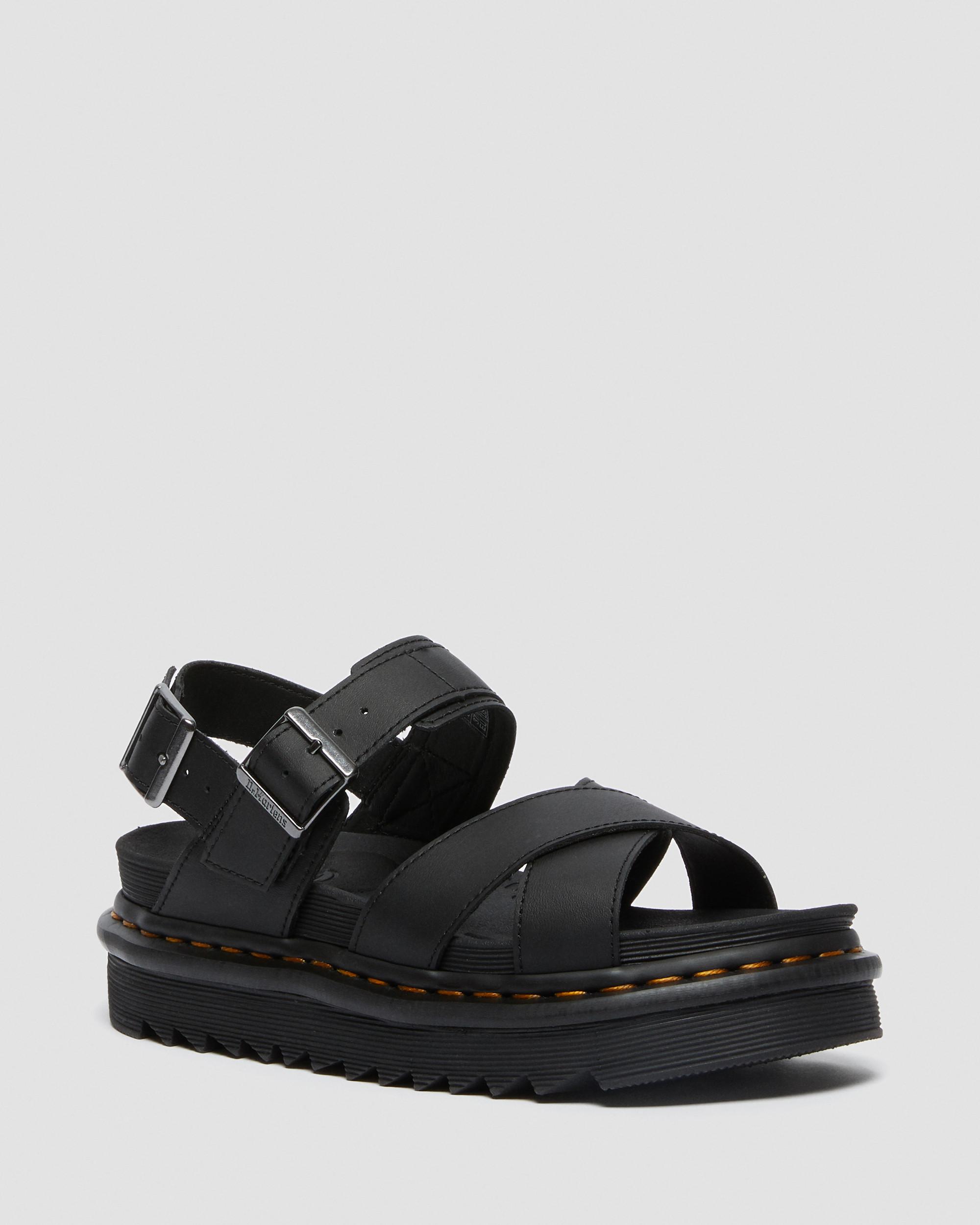
Voss II Women's Leather Strap Sandals
Strap Sandal
Voss II Women's Leather Strap Sandals
A light, strapped sandal with the Docs yellow welt made summer-ready.
$100 at DR. MARTENS

Doc Martens shopping FAQ

Are Dr. Martens 1460 boots worth it?+

For a lot of owners, yes, provided you're buying them as a long-term boot rather than instant-comfort footwear. The 1460 is the brand's original boot and still its best seller, prized for durability and an unmistakable silhouette. The trade-off is the break-in, but pairs that survive it often stay in rotation for years, which is exactly the appeal for shoppers wanting fewer, more durable pieces.

How do I break in Dr. Martens 1460s?+

Expect a genuine break-in window, commonly a week or more, during which the heel and the top of the foot can rub. Wearers swap in cushioned insoles, wear thick socks, and build up wear time gradually rather than walking miles on day one. The welted, air-cushioned construction is stiff at first by design, but it softens and moulds to your foot with patience.

What is the difference between the Dr. Martens 1460 and 1461?+

They're siblings, distinguished mainly by height and eyelets. The 1460 is the eight-eyelet boot, famously launched in a cherry-red smooth leather, while the 1461 is the three-eyelet shoe issued exactly one year later. Their model numbers come straight from their launch dates, 1 April 1960 and 1961, and together they remain the company's best-selling DMs.

Is the yellow stitching on Dr. Martens just decoration?+

It's a deliberate trademark. When British manufacturer R. Griggs Group bought the rights and anglicised the name to Dr. Martens, they reshaped the heel for a better fit and added the now-iconic yellow stitching. Combined with the air-cushioned sole and welted construction, that yellow welt stitch is one of the surest signs you're looking at a real pair.

Are Made in England Dr. Martens better than the standard ones?+

It's the brand's most debated quality question. Most pairs on US shelves are made in Asia, in countries like China, Vietnam, Laos and Thailand, while a smaller Made in England line is produced at the historic Cobbs Lane factory in Wollaston, Northamptonshire. Enthusiasts chasing the original feel and build tend to prefer the England-made pairs, though the company maintains its materials and processes are consistent.
How do I spot fake Dr. Martens?+

Check the construction signatures the brand is known for: the air-cushioned sole, the welted build, the upper shape and the yellow stitching. Genuine pairs carry consistent model numbering, with the 1460 and 1461 referencing their 1960 and 1961 launches. Buying from official Dr. Martens channels or authorised retailers is the simplest safeguard against counterfeits.

Why do Dr. Martens have such a strong subculture following?+

The boots became cultural shorthand well beyond workwear. By the later 1960s skinheads adopted them, and through the 1970s and beyond they spread to punks, new wave musicians, goths and the 1990s grunge scene. That long association with youth subcultures, captured in the brand's own description as fashion's subversive smash hit, is a huge part of why people still reach for DMs.

Who invented Dr. Martens?+

The original sole came from Klaus Märtens, a doctor in the German Army who injured his ankle skiing in 1945 and found his army boots too uncomfortable. While recuperating he designed an air-padded sole, and in 1947 he went into business with his university friend Herbert Funck. The British R. Griggs Group later bought the UK patent rights and turned it into the Dr. Martens we know.

Where are Dr. Martens designed and made?+

The brand's global head office and design studio sit in Camden Town, London, fitting for a label so tied to British subculture. Manufacturing spans the UK, where the Cobbs Lane factory in Wollaston, Northamptonshire still produces boots, alongside China, Vietnam, Laos and Thailand. So the design heart is London while production is split between England and Asia.

How do I care for Dr. Martens leather so they last?+

The whole point of a 1460 is longevity, so treat the leather well: wipe off dirt, condition the upper periodically, and let wet boots dry naturally rather than near heat. Looking after the welted sole and leather is what lets a pair stay in service for many years. The brand's standing as a recognised British design icon rests on exactly that kind of durability.