Is Izzue worth it, and what should I buy first?+
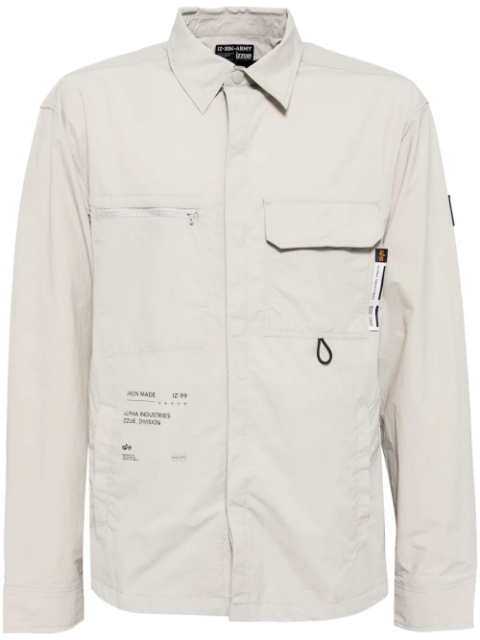
Izzue earns its following with sharp, desaturated urban pieces rather than logos, so it rewards anyone after considered street style over flash. A first buy that captures the label best is one of its outerwear staples — a trench, an MA-1 bomber or a short blazer — since that is where the clever cuts read most clearly. Think of it as a wardrobe of statement closet basics with a cool-London attitude.
Why is Izzue's fit slimmer than Zara or Uniqlo?+
Izzue cuts its clothes to an "Asian-fit", which is deliberately slimmer than typical American and European brands. That trimmer silhouette is part of the house look, so if you are used to Western sizing it is worth sizing up or trying pieces on first. The payoff is a sharp, close line that suits the brand's casual urban aesthetic.
How does Izzue compare to Uniqlo, Zara and H&M?+
Izzue openly set out to become the Chinese equivalent of Uniqlo, Zara or H&M, so it plays in the same accessible, design-led high-street space. Where it differs is its desaturated, London-leaning urban point of view and its slimmer Asian-fit cut. It is high-street in spirit but with a more directional, streetwear-cool wardrobe.
What is Izzue known for as a brand?+
Izzue is known for casual urban, desaturated streetwear with a strong nod to British or "cool London" style. Its collections lean into high-street staples — think everyday pieces given a sharper, more design-conscious treatment. The aesthetic is muted and confident rather than loud.
Who founded Izzue and what was the idea behind it?+
Izzue was launched in the late 1990s by Sham Kar-wai, the founder of the Hong Kong fashion conglomerate I.T. His stated goal was to bring British fashion to the domestic market. That British-cool DNA still runs through the label's urban, high-street collections today.
Is Izzue a Hong Kong or Chinese brand?+
Izzue is a Chinese fashion brand and part of the Hong Kong fashion conglomerate I.T. It grew out of Hong Kong's fashion scene in the late 1990s and has since expanded across Asia and beyond. So it sits firmly in the Hong Kong I.T. family while presenting a British-inspired look.
Where can I find Izzue stores?+
Izzue's stores are scattered across Asia, including Hong Kong, mainland China, Thailand, Malaysia, Macau, Taiwan, Saudi Arabia and Germany. The brand also pushed an international expansion from 2009, opening stores in Paris, Canada and London. So availability is strongest across Asia, with a growing footprint elsewhere.
Has Izzue done any notable collaborations?+
Yes — Izzue has released capsule collections with several heritage names, including Dr. Martens and Wrangler in 2012, and Fred Perry and Playboy in 2014. These tie-ins lean into the label's British and streetwear leanings. They are a good way to read the brand's cool-London sensibility in a single piece.
What was the big moment that put Izzue on the international map?+
In March 2019, Izzue appeared on the official schedule of London Fashion Week — the first time a Hong Kong brand hosted a solo show during the event. It was a clear statement of the label's global ambitions and its long-stated London affinity. The show underlined its push to grow from a homegrown name into a worldwide brand.
Has Izzue ever faced controversy?+
Yes. In its 2003 season, Izzue used Nazi Germany themes in its clothing and store decor, including swastikas, banners and propaganda films. The brand's marketing manager apologised, stating that the designer had not realised the Nazi symbols would be considered offensive. It remains the brand's most documented misstep.