What is Oscar Massin, and why has it been revived?+
Oscar Massin is a heritage French high-jewellery house, originally founded by the 19th-century jeweller Oscar Massin and ceased upon his death in 1913, as he left no heirs. It has been brought back to life as a fine-jewellery brand built on his innovations, so today's pieces carry a legacy that radically redefined the industry in its own era.
Who was Oscar Massin, the original jeweller?+
Oscar Massin (1829-1913) was a Belgian-born French jeweller known as "The Diamond Reformer." Born in Liège, he trained as a jeweller from the age of 11 and studied at the Academy of Fine Arts before moving to Paris in 1851, then in a golden age of haute joaillerie. Though he remains one of the least-known Parisian jewellers, he produced some of the most significant works of his time, many for European royalty.
What is Oscar Massin's signature technique?+
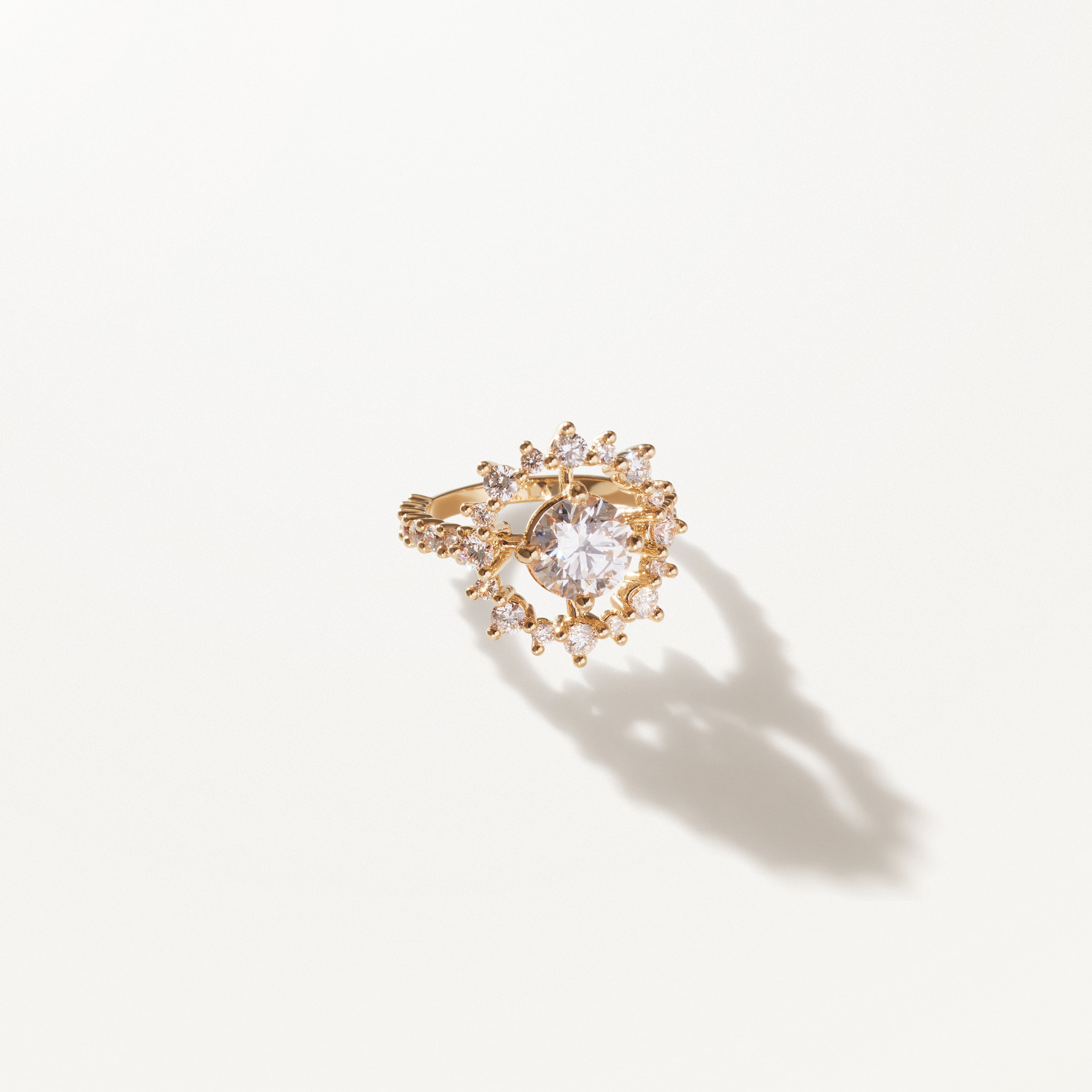
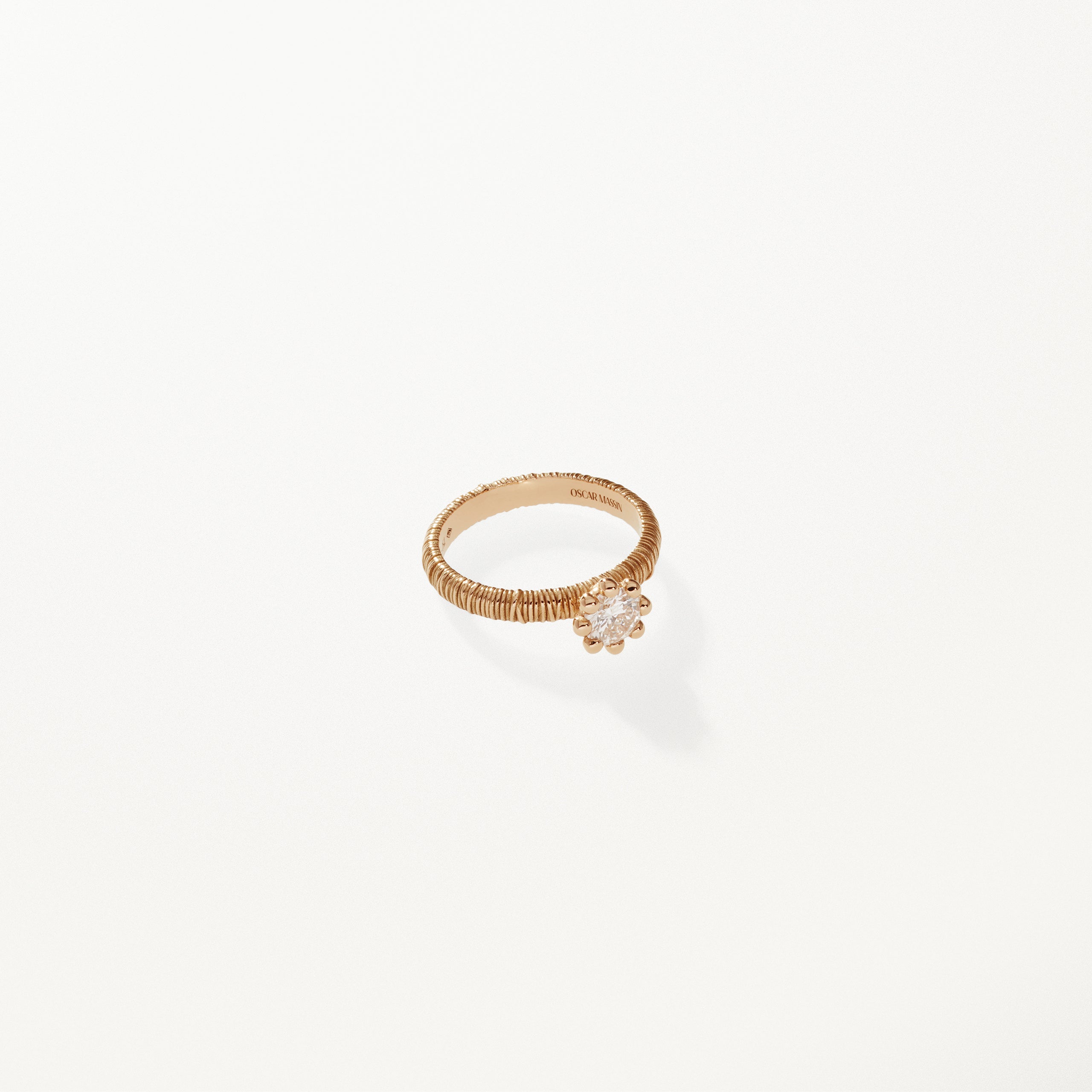
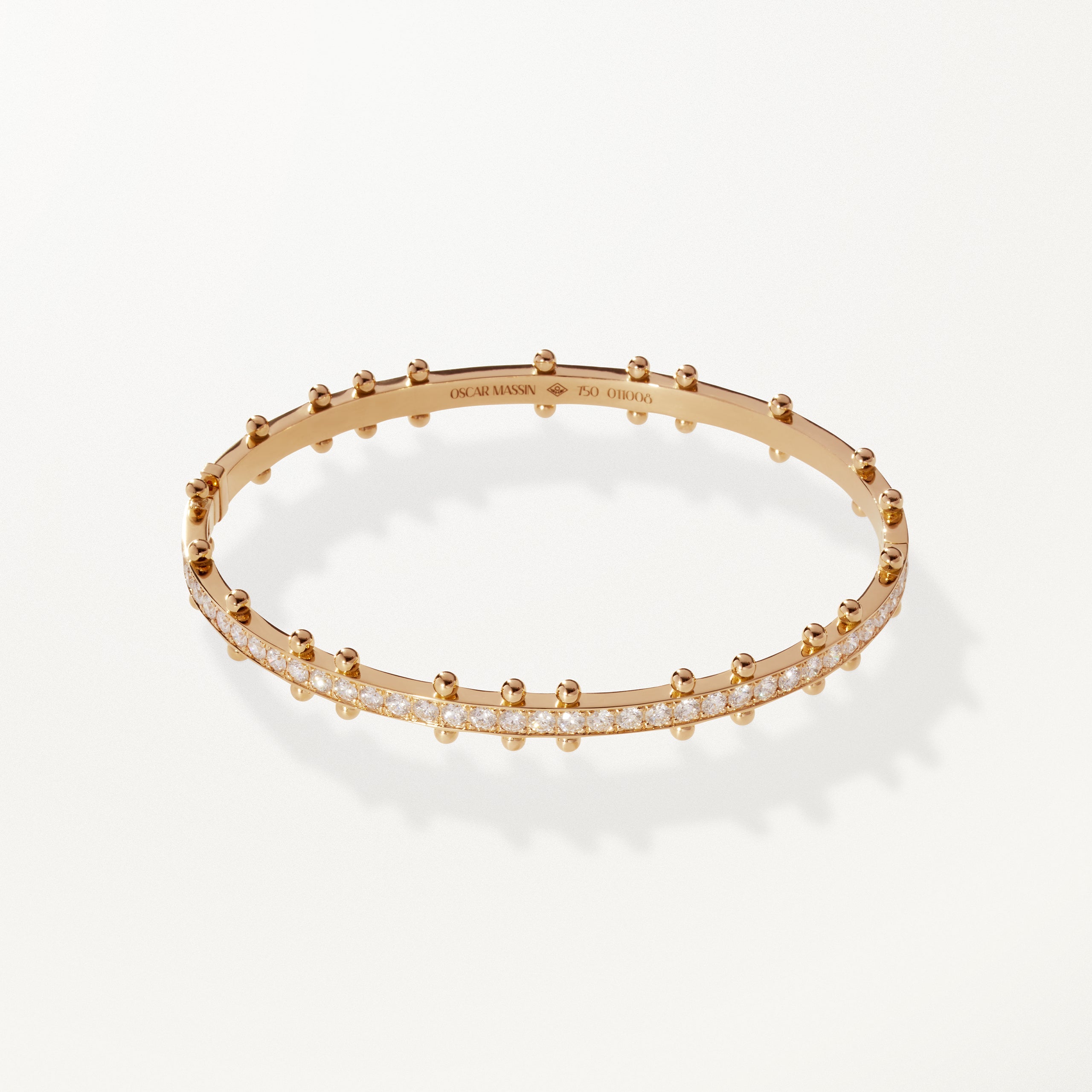
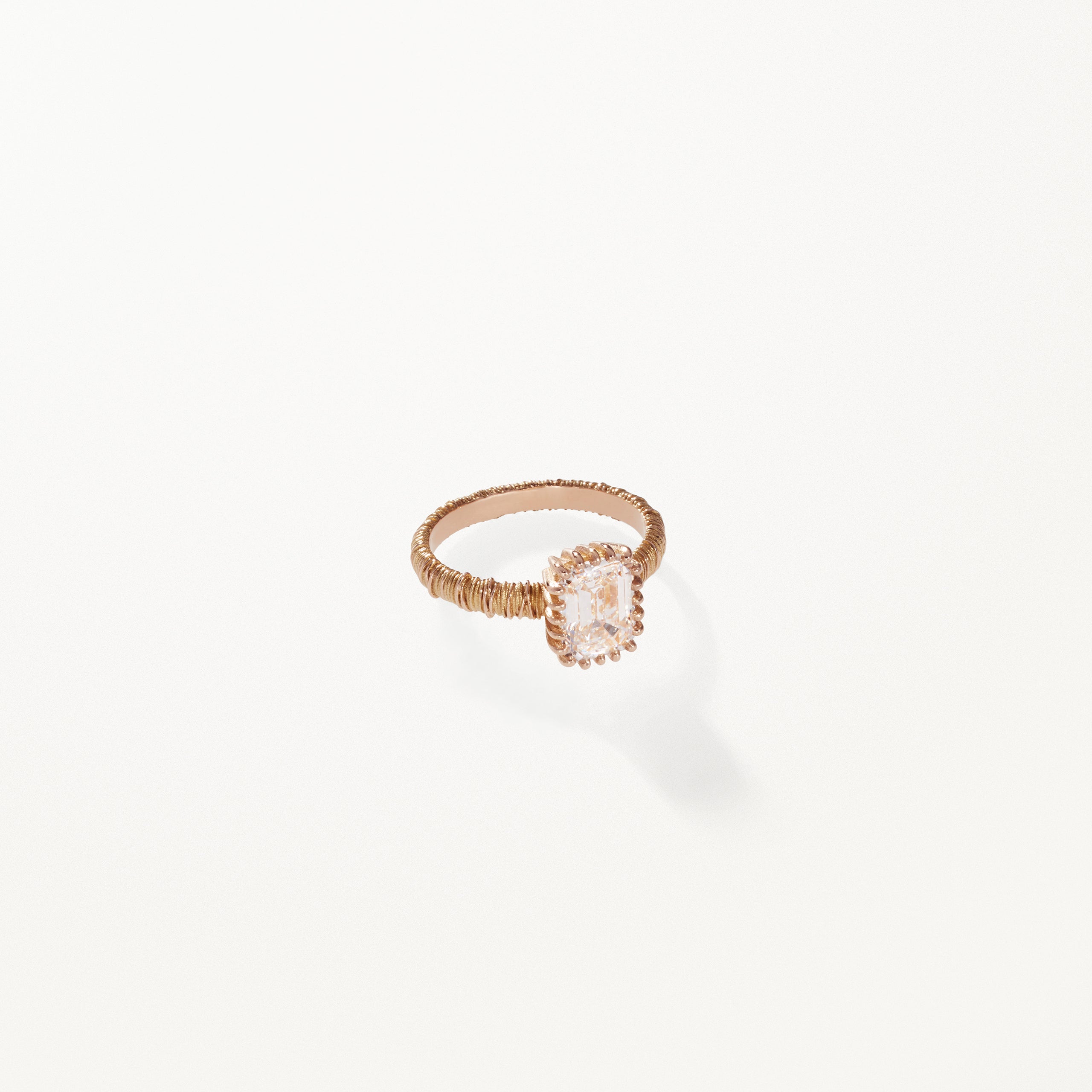
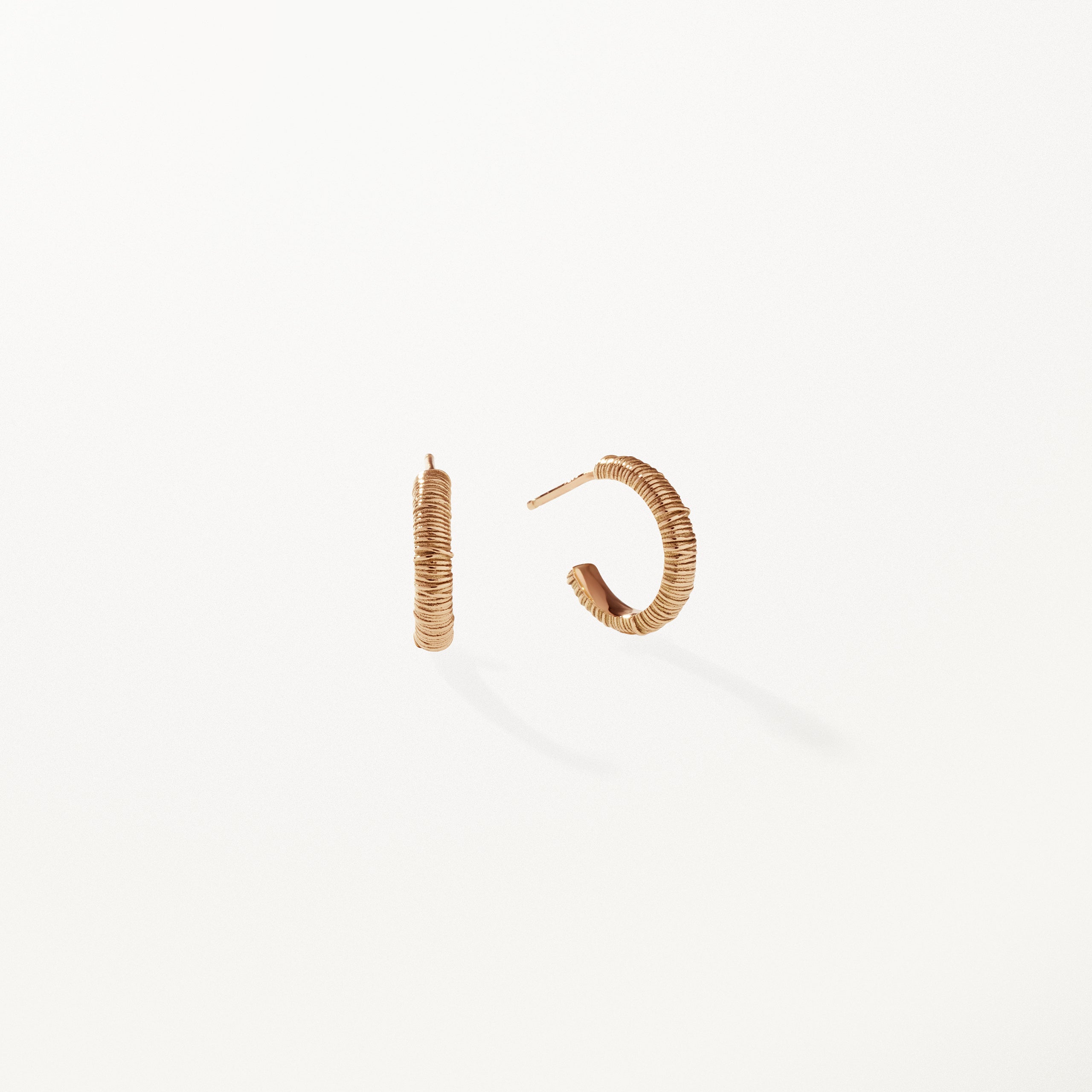
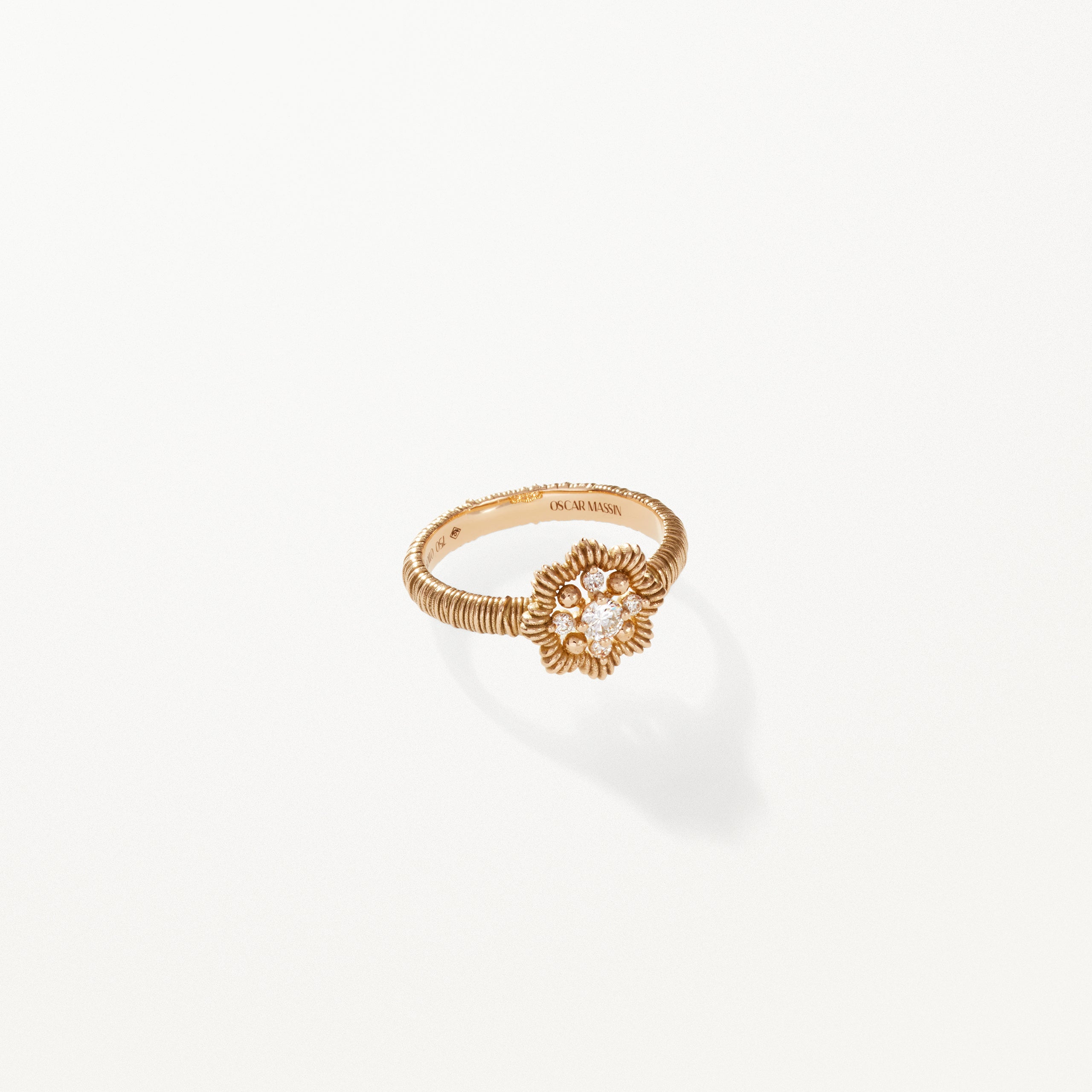
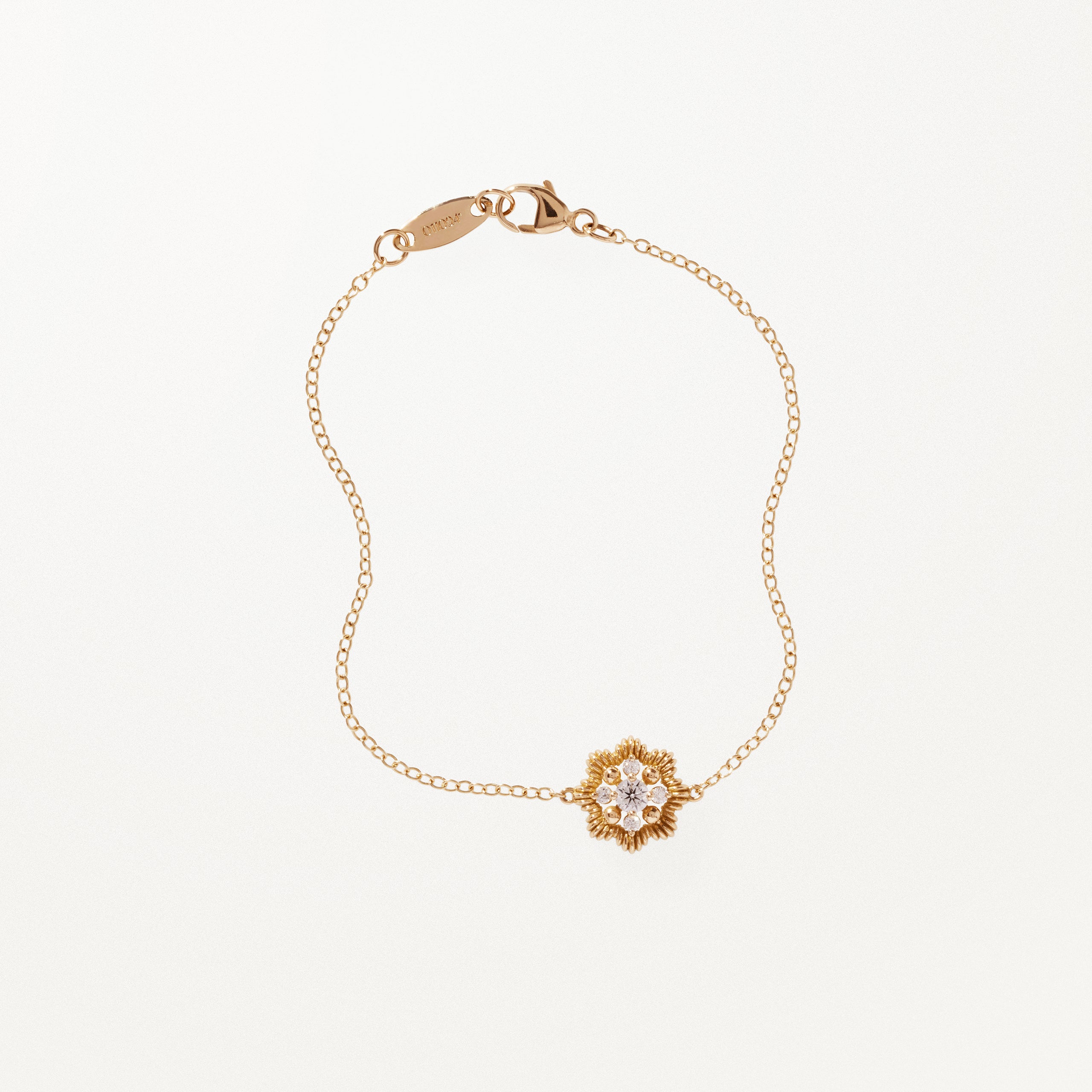
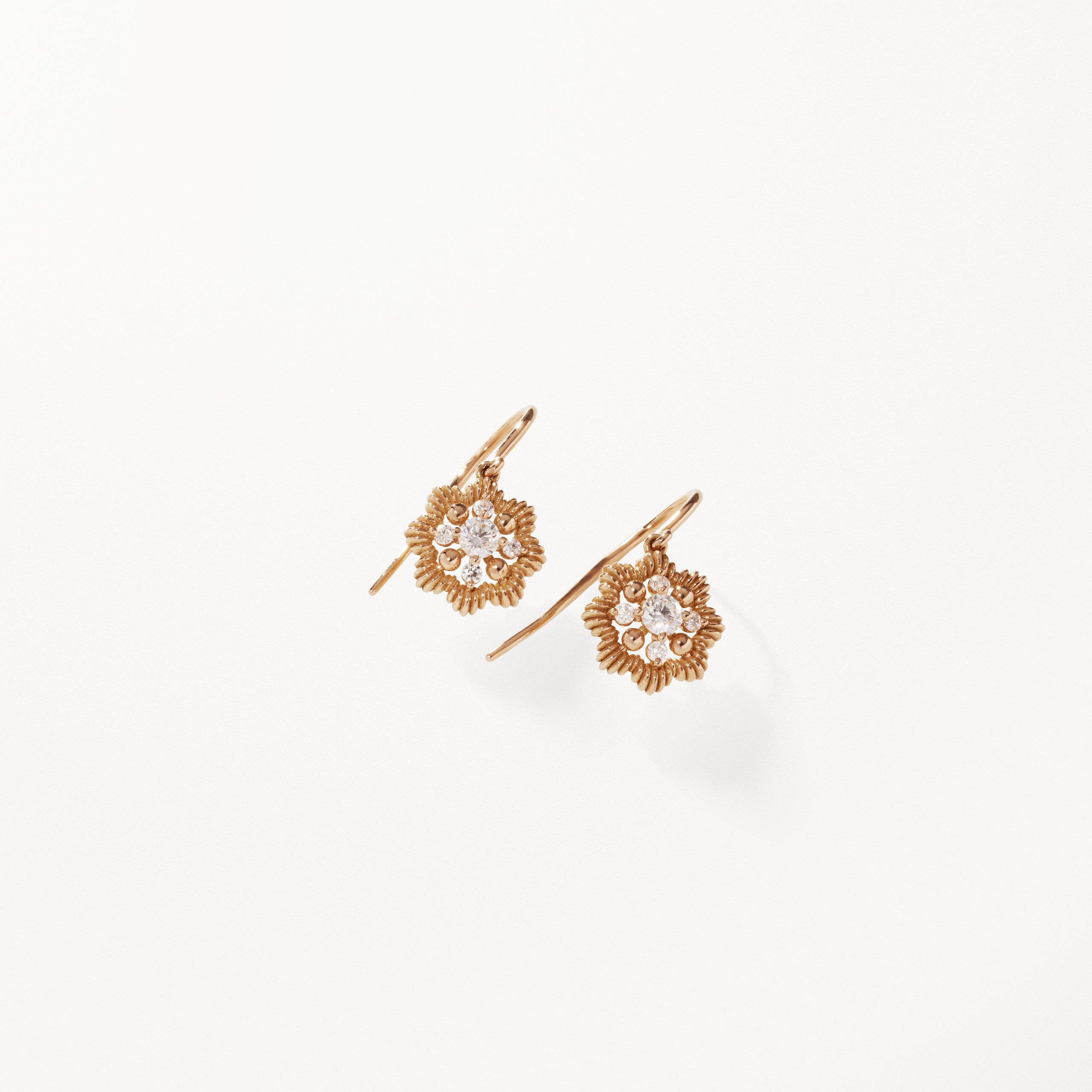
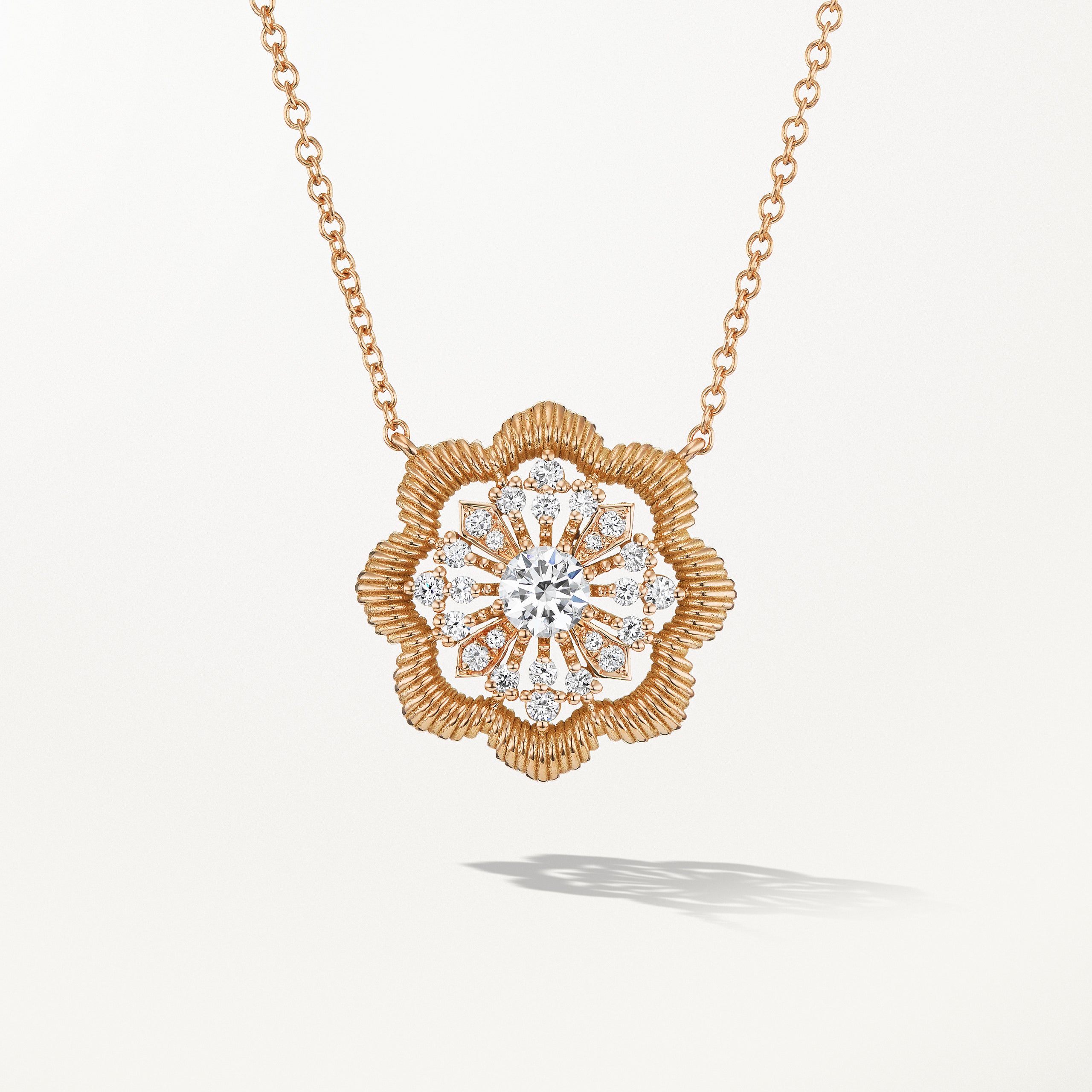
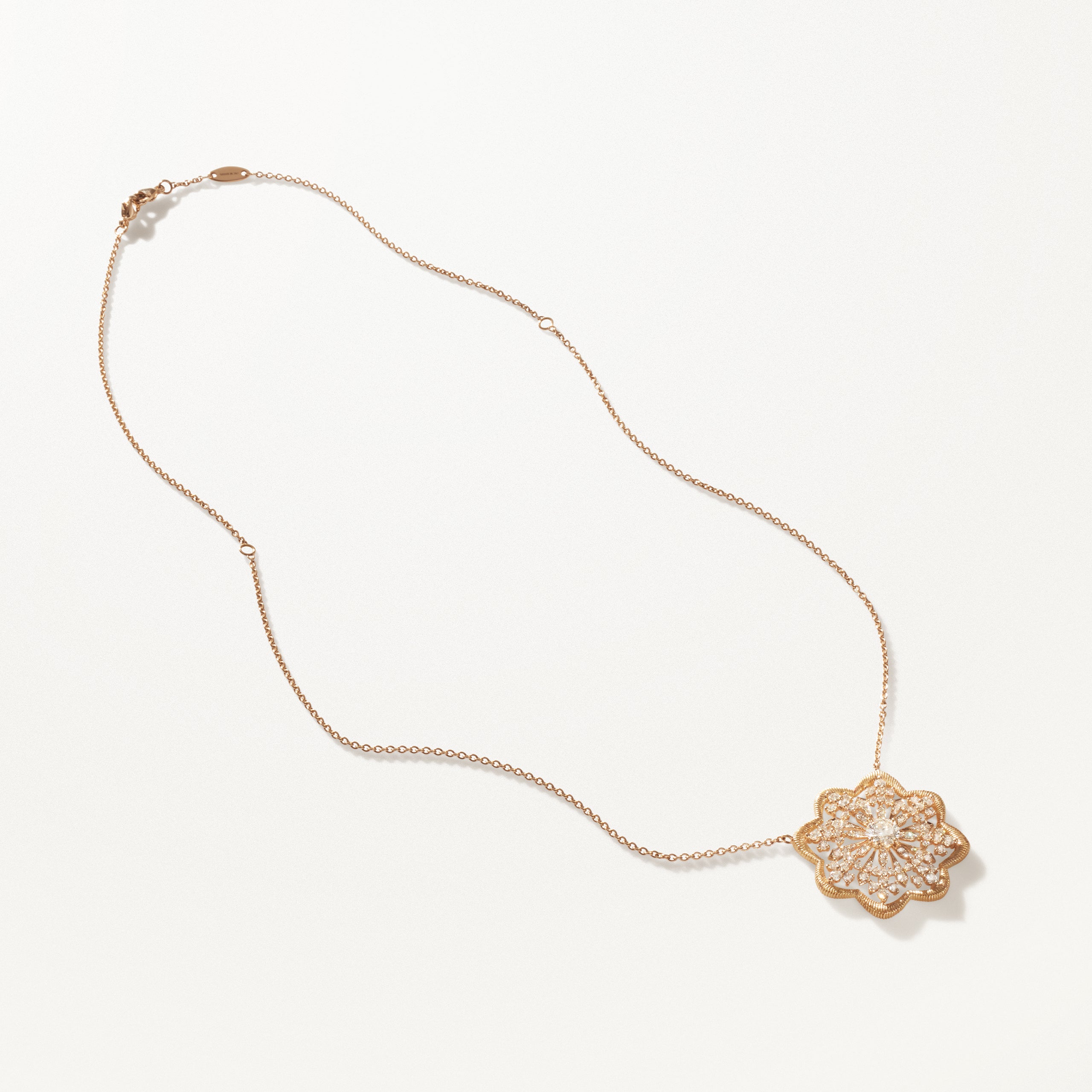
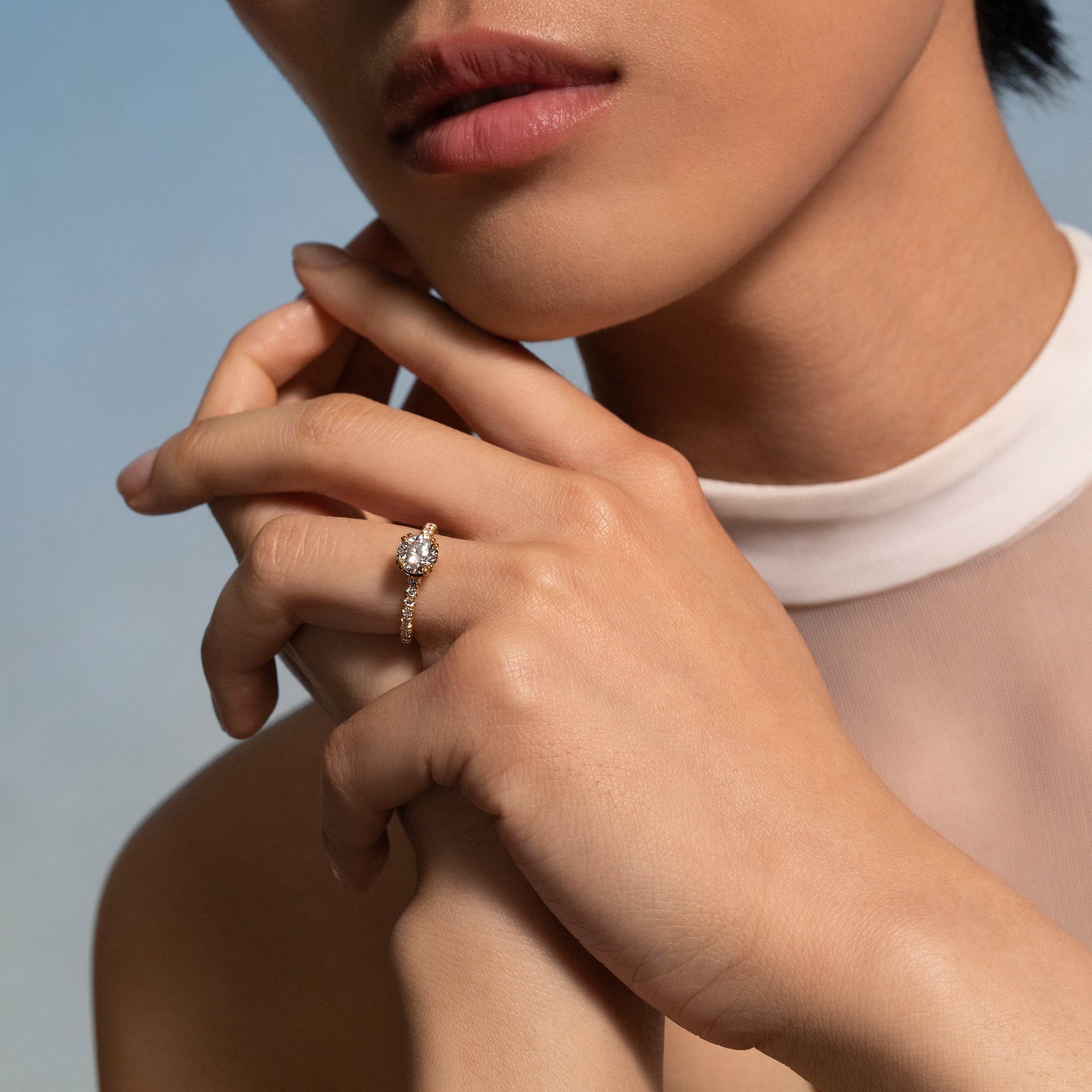
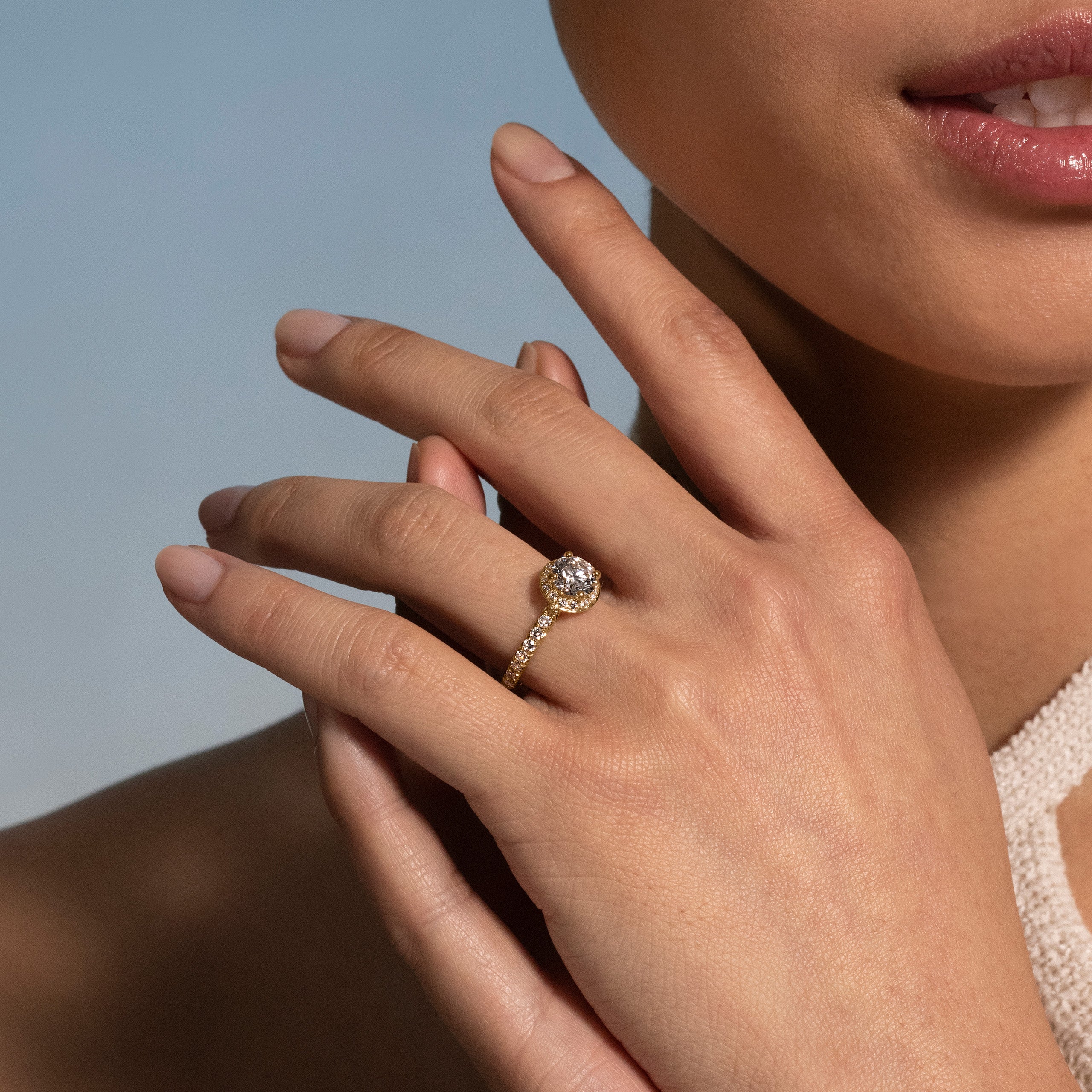
His calling card is the patented diamond lacework technique, which uses filigree to create the illusion of woven metal. He is also credited with creating the first "illusory" setting, designed to emphasise the size of a diamond by minimising the metal around it. That metal lacework remains central to the revived house's identity.
What does the revived Oscar Massin's first collection feature?+
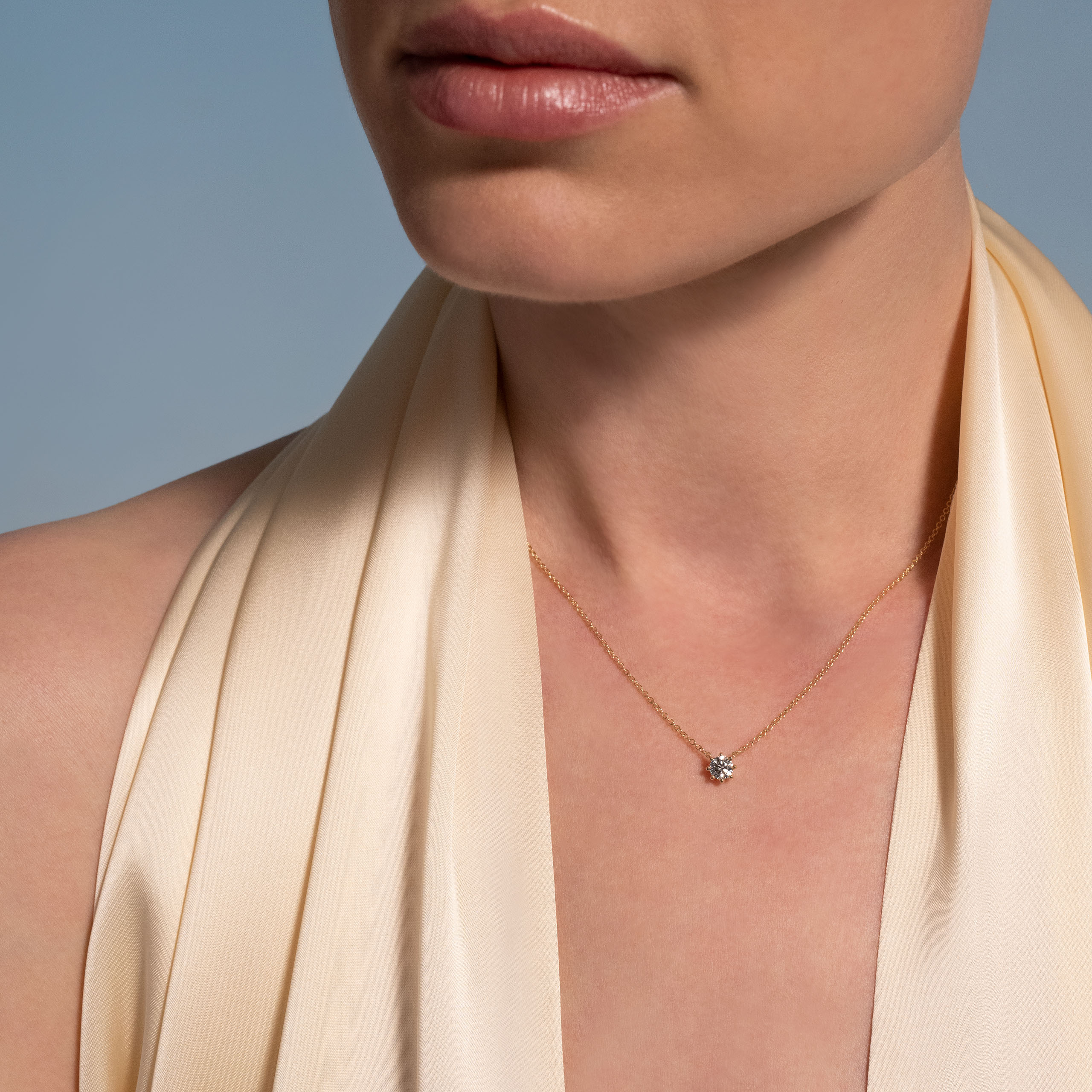
The relaunch leads with the founder's own language: the first collection features his iconic metal lacework, the filigree technique he first developed, alongside his distinctive rose-cut diamonds. In other words, the revival is anchored in Massin's actual 19th-century innovations rather than a reinvented look.
Does Oscar Massin use sustainable or lab-grown diamonds?+
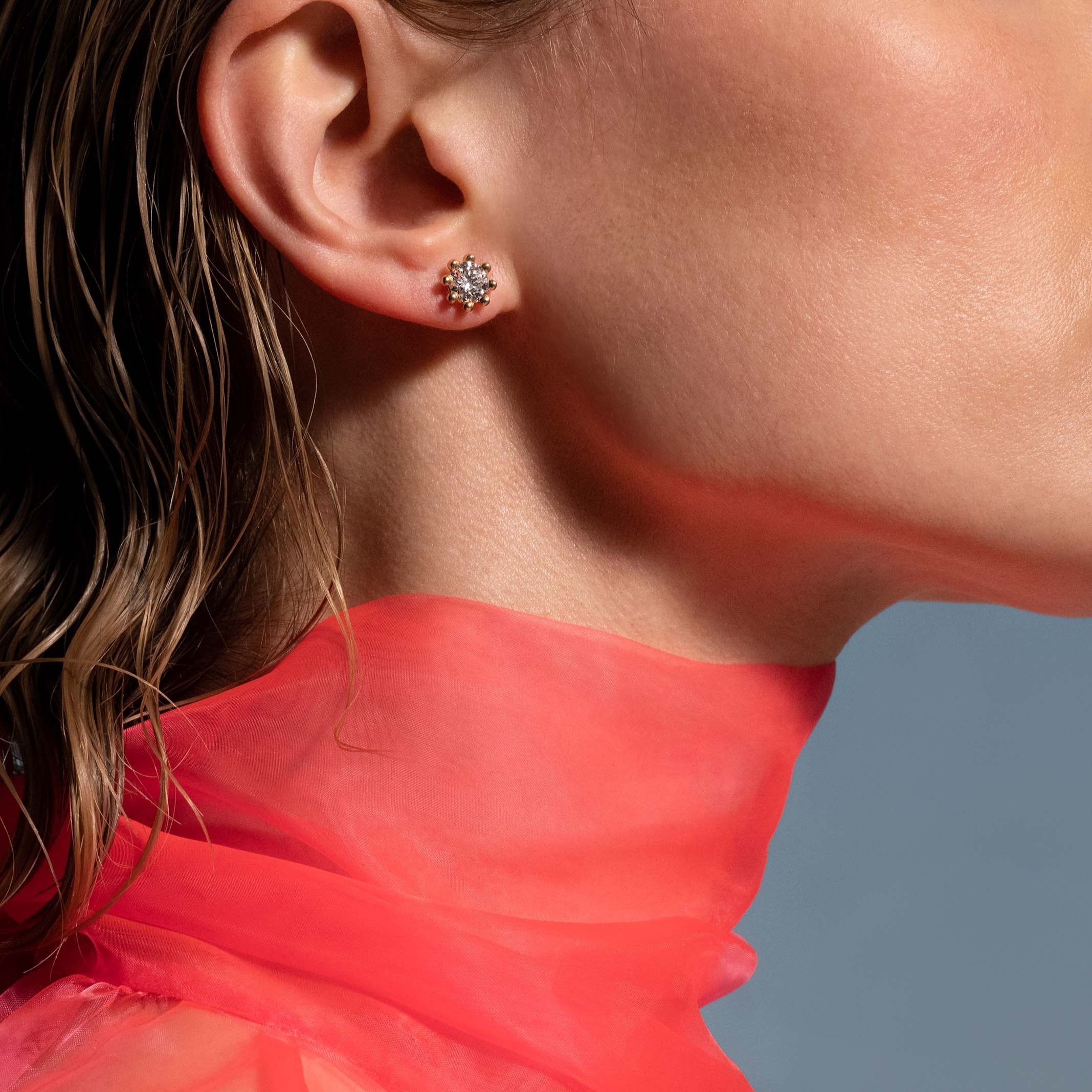
Yes. The revived house positions itself as ethical fine jewellery, and reports of the relaunch note it as the first heritage luxury brand to use lab-grown diamonds, sourced in the U.S. and described as fully traceable and untreated, with settings in recycled gold and platinum. It pairs a historic name with a modern, sustainability-led approach.
What made Oscar Massin so influential in the 19th century?+
He treated jewellery like engineering in service of beauty, studying the structure of diamond settings to achieve naturalism. From the early-to-mid 1860s he explored floral and foliate motifs with delicate, nearly invisible mountings, dedicating significant time to studying flowers, botanicals and even insects in nature. That naturalistic, almost weightless approach was ahead of its time.
Did Oscar Massin create pieces for royalty?+
Throughout his career, yes. He created bespoke pieces for royalty around the world, including a medallion in 1879 for King William III of the Netherlands set with a rare portrait diamond, and a diamond and silver tiara in 1889 for Princess Louise of Wales. Earlier still, he was entrusted with the manufacturing of a tiara for Empress Eugénie of France.
Did Oscar Massin win recognition in his lifetime?+
He did. He first exhibited under his own name at the International Exposition of 1867, and at the Exposition Universelle of 1878 he was awarded both a Grand Prix and the Legion of Honour. His standout exhibition pieces included a three-dimensional rose pavé-set with diamonds, the kind of work that cemented his reputation.
What is one of Oscar Massin's most famous designs?+
His Églantine branch, created in 1863, is described as one of his most influential and replicated designs. Together with his 1860 tiara of wild roses, wheat and oats, it marked the beginning of his exploration of naturalism, the theme that runs through his most celebrated work.
How does Oscar Massin compare to better-known heritage jewellers?+
Massin spent more than two decades designing and creating for prominent houses, including Boucheron, Mellerio, Chaumet and Tiffany, so his hand shaped jewellery far beyond his own name. That is part of his story: he was a quietly foundational figure whose techniques influenced the famous maisons, which is exactly the legacy the revived brand draws on.
Why is Oscar Massin called "The Diamond Reformer"?+
Because he changed how diamonds were shown. His illusory setting minimised the metal around a stone to make it look larger, and his patented diamond lacework reimagined how metal and gems could read together. Those advances reformed the visual language of fine jewellery, earning him the nickname and his place as an innovator ahead of his era.