Is Boucheron worth it compared to Cartier and Van Cleef & Arpels?+
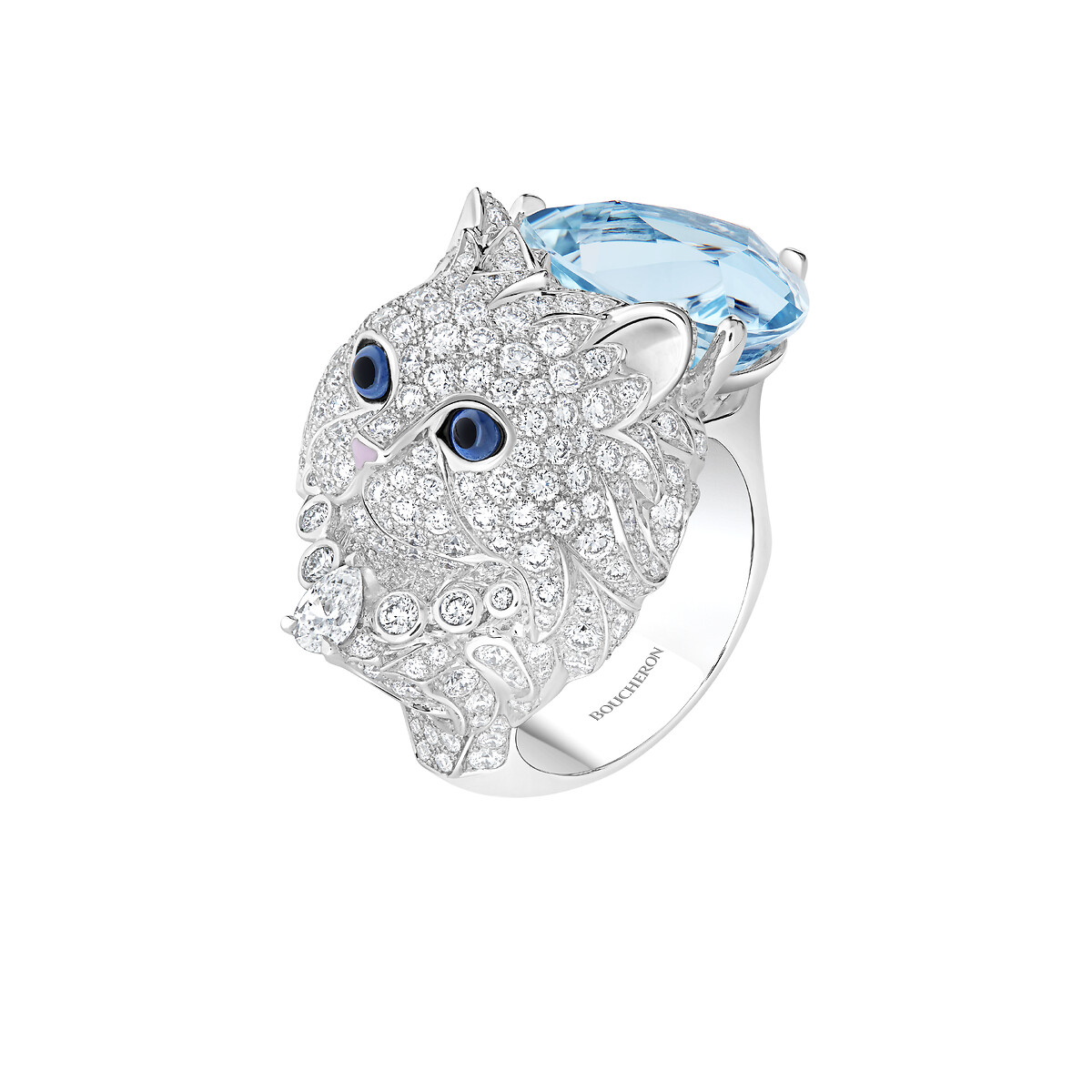
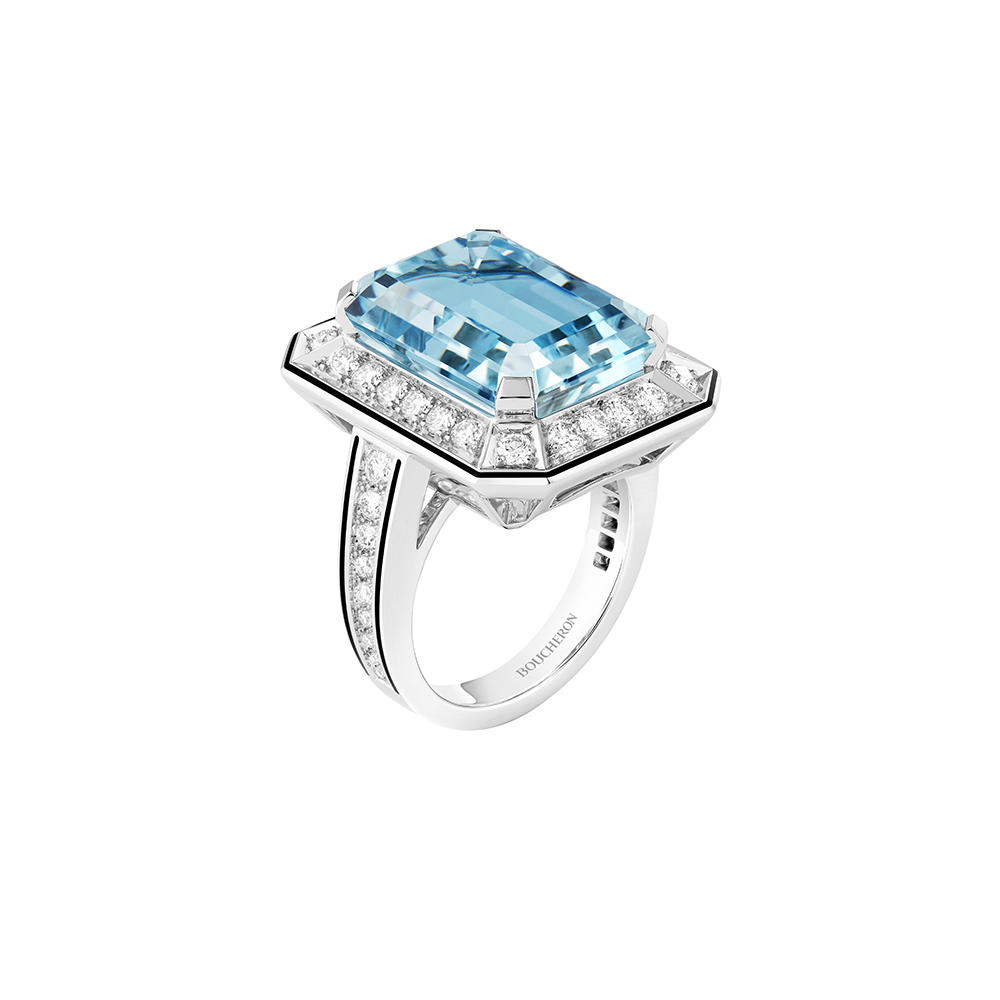
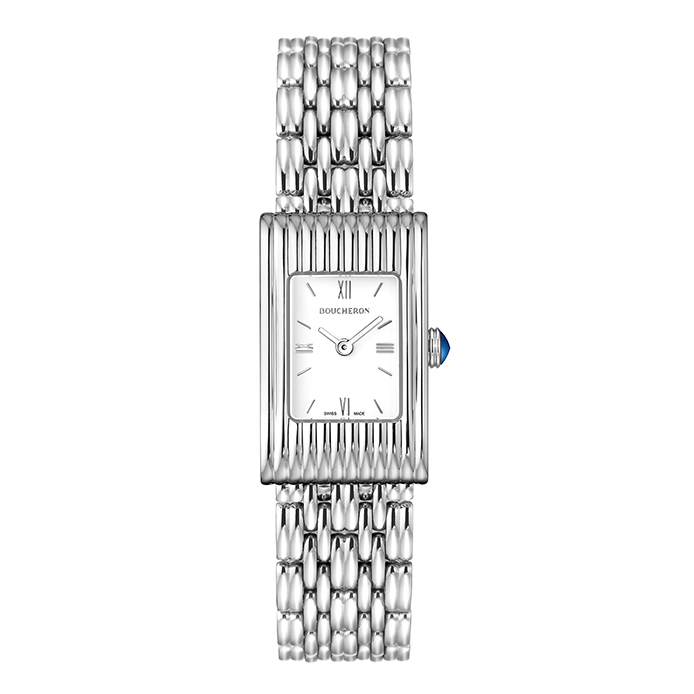
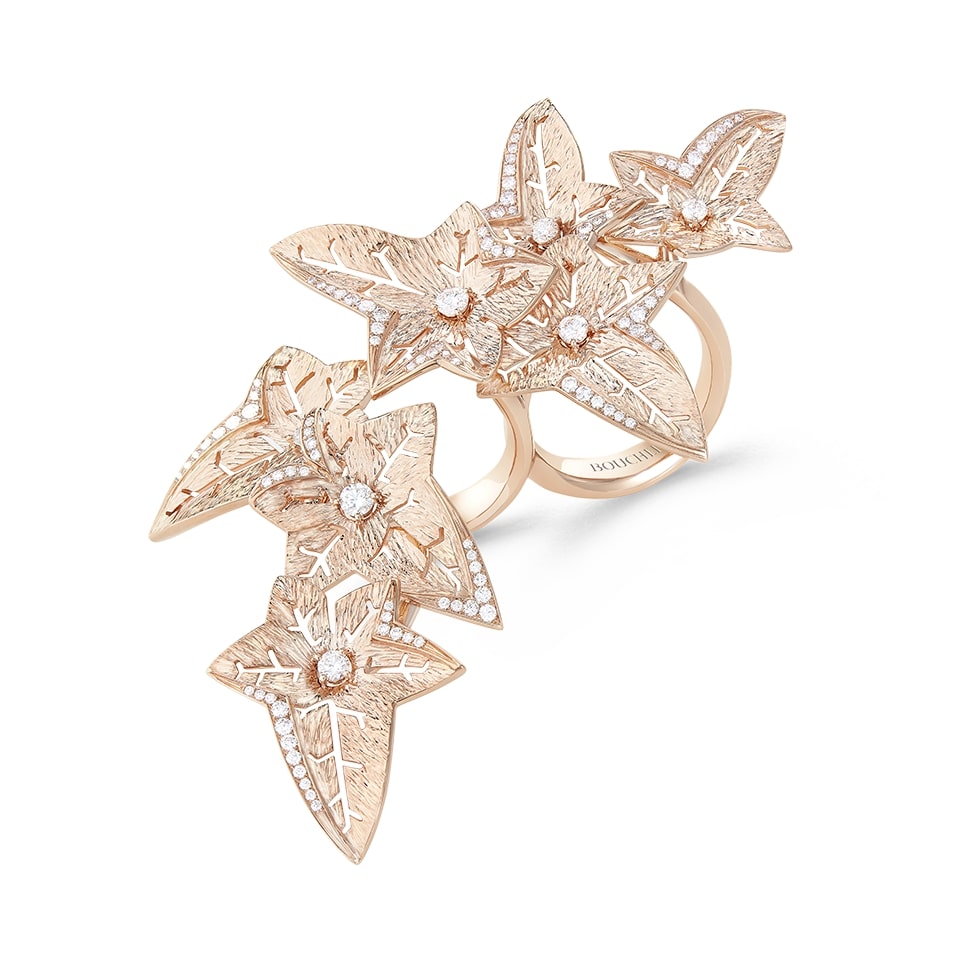
On craftsmanship, Boucheron stands shoulder to shoulder with Cartier and Van Cleef & Arpels; what it has less of is mainstream name recognition, not quality. Founded in 1858, it is one of the most technically and artistically ambitious houses in fine jewellery. For buyers who do their research, that recognition gap can even work in your favor on value.
What is Boucheron's signature collection, the Serpent Bohème or the Quatre?+
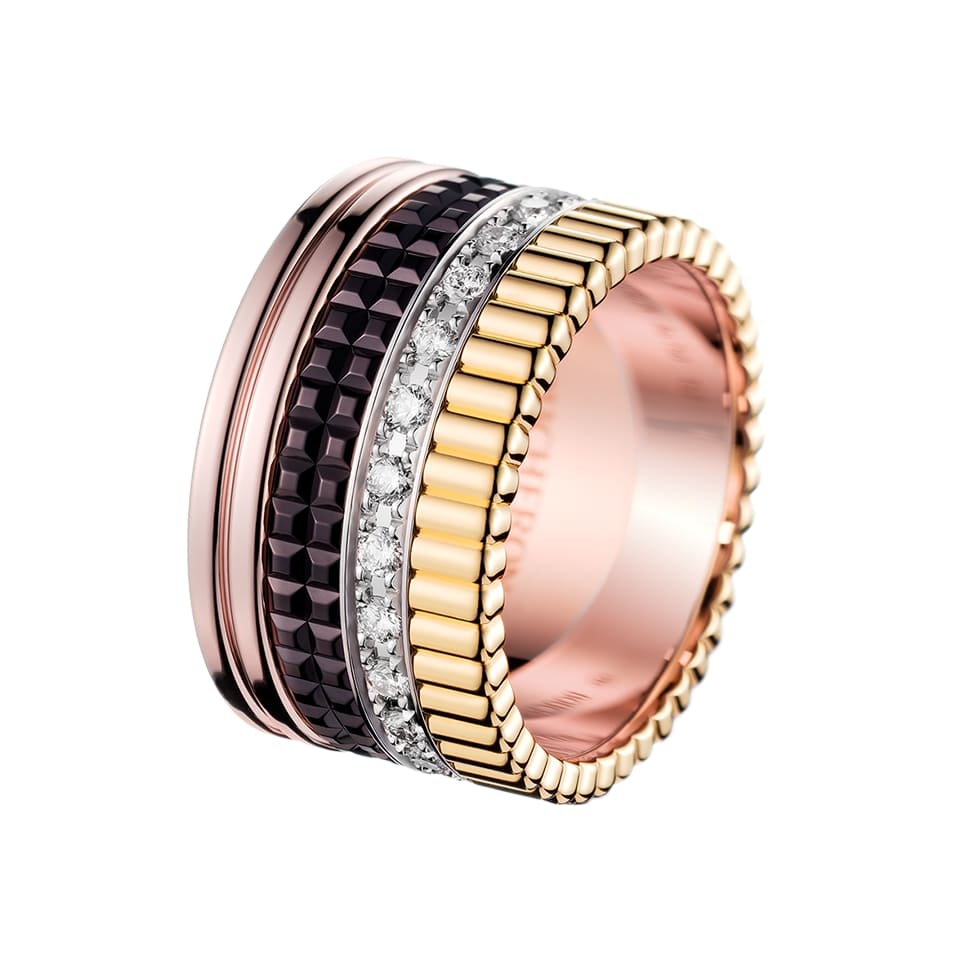
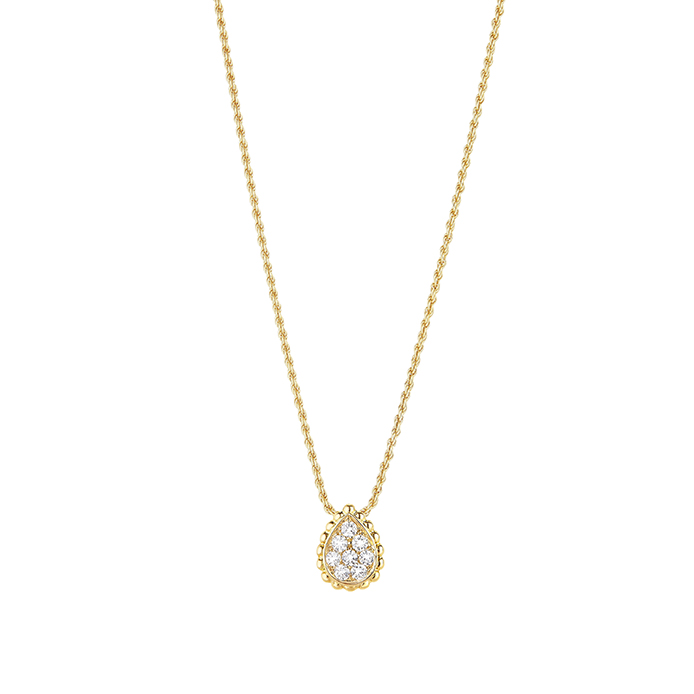
Both are pillars of the house. The snake has reigned as a Boucheron classic since the 1970s, when the symbolic snake line was among the first created, and it lives on in the Serpent Bohème. The Quatre, launched in 2005, has become one of the most actively traded Boucheron pieces, so it is a natural first ring if you want an icon with strong recognition.
Which Boucheron piece should I buy first?+
If you want an everyday icon, the Quatre, launched in 2005, is the house's most recognisable line and a confident place to start. If you are drawn to Boucheron's romantic, nature-led side, the Serpent Bohème carries the snake motif the house has cherished since the 1970s. Either way you are buying into a Place Vendôme jeweller with genuine high-jewellery pedigree.
Who founded Boucheron, and when?+
Boucheron is a French family dynasty founded by Frédéric Boucheron in 1858, opening his first store in the Galerie de Valois at the Palais-Royal during the Second Empire. He created his atelier in 1866 and a year later won the Gold Medal at the Exposition Universelle of 1867. That early acclaim set the tone for a house built on technical bravado.
Why is Boucheron at 26 Place Vendôme?+
In 1893 Frédéric Boucheron became the first jeweller to move to Place Vendôme, and legend holds he chose number 26 because it was the sunniest corner of the square. He believed the diamonds in the windows would sparkle all the more brilliantly there. The house has remained at that address ever since, an anchor of its identity.
Who owns Boucheron now, and who designs it?+
Boucheron is owned by the French luxury group Kering. Hélène Poulit-Duquesne has been CEO since 2015, and Claire Choisne has served as creative director since 2011. That stable leadership has guided the house through its modern high-jewellery era.
What is the Peacock's Feather motif in Boucheron's history?+
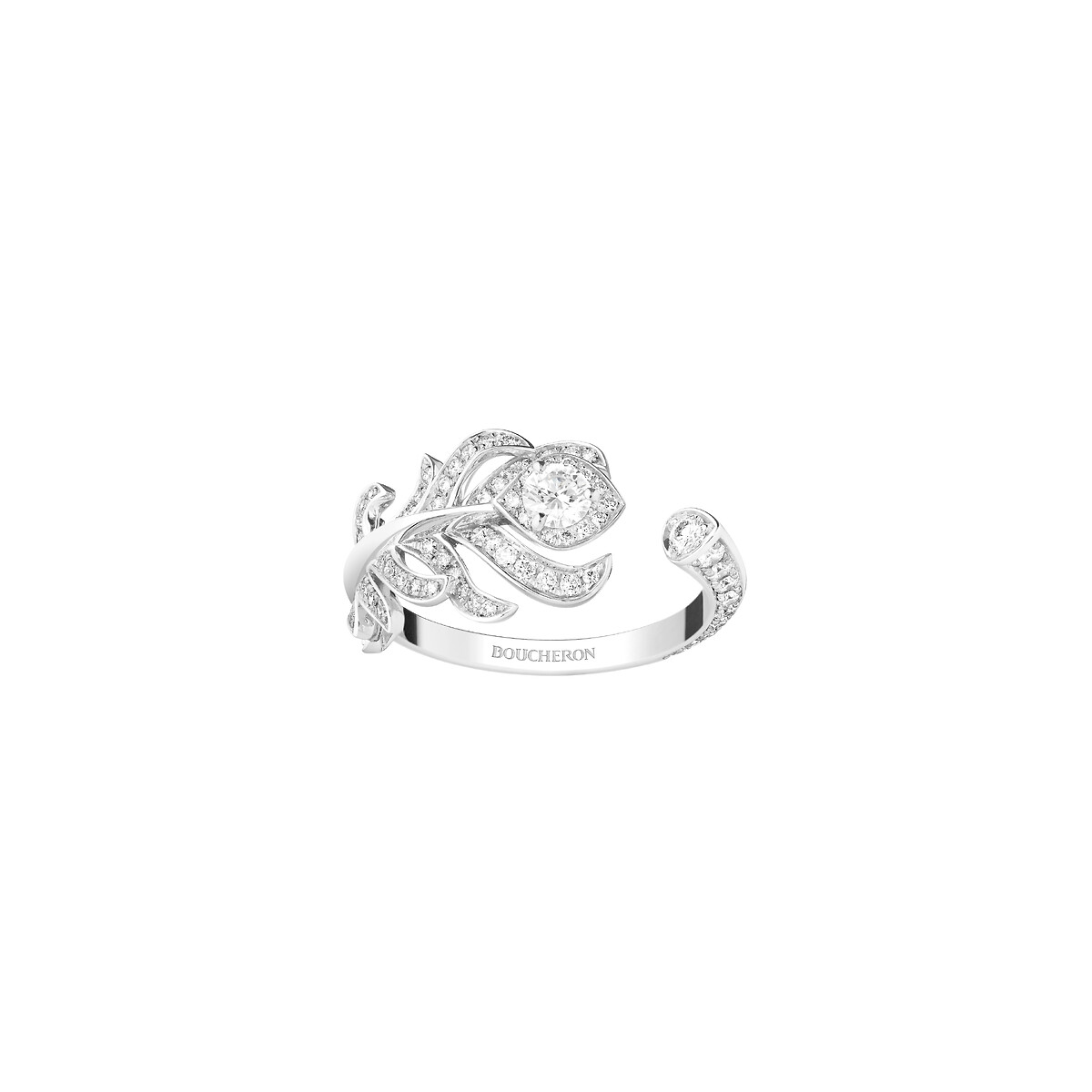
The Plume de Paon, or Peacock's Feather, has appeared in Boucheron collections since head designer Paul Legrand and Frédéric Boucheron created it in 1866. It featured in the Point d'Interrogation necklace bought by Grand Duke Alexei Alexandrovich Romanov. It is one of several nature-inspired motifs that define the house's intricate style.
Has Boucheron really made jewels for royalty?+
Yes, and the list is remarkable. In 1921 Boucheron made a tiara for Lady Greville that later passed to Queen Elizabeth The Queen Mother, and in 1928 the Maharaja of Patiala asked the house to set the stones of his treasure, brought to Place Vendôme by the prince. Other royal patrons have included Queen Elizabeth II, Queen Farida of Egypt and Queen Rania of Jordan. That royal pedigree is woven through the house's reputation.
What makes Boucheron's aesthetic distinctive?+
Boucheron leans into an artistic, often bold and sculptural language inspired by unexpected sources, especially nature. During the Art Nouveau period it became known for chased, enamelled gold set with gems and pâte-de-verre, with motifs like lionesses and lion's heads. That willingness to be inventive rather than simply timeless is the house's calling card.
Is Boucheron innovative beyond classic jewellery?+
Strikingly so. In 2023 Boucheron worked with the research institute IRCAM and the technology company SPhotonix on the Quatre 5D Memory ring, which holds a capsule with a recorded sound memory of ocean waves. It used 5D optical storage to encode data in nanostructured glass for extraordinarily long-term preservation, one of the first such applications in jewellery. It shows the house still chasing firsts, as it did in the 19th century.
How should I care for my Boucheron jewellery?+
Treat fine jewellery gently: keep pieces apart so harder stones don't scratch softer settings, put them on after perfume and lotions rather than before, and store them in soft pouches away from knocks. A periodic professional check protects the settings on pieces like the Serpent Bohème and Quatre. Cared for this way, a Boucheron piece is built to be passed on.