Brand · Italian goldsmiths since 1919

Buccellati

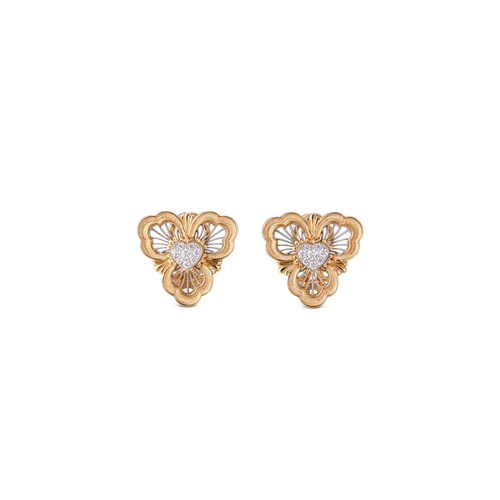
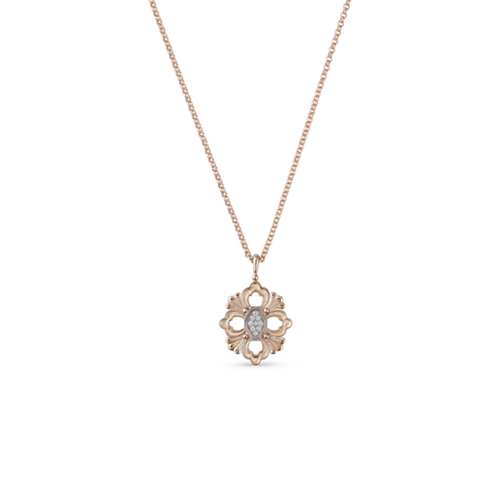
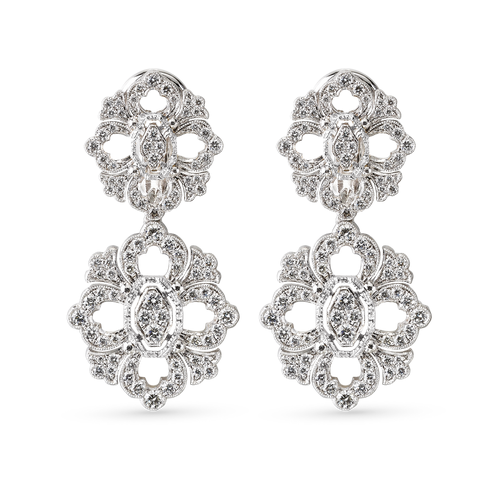
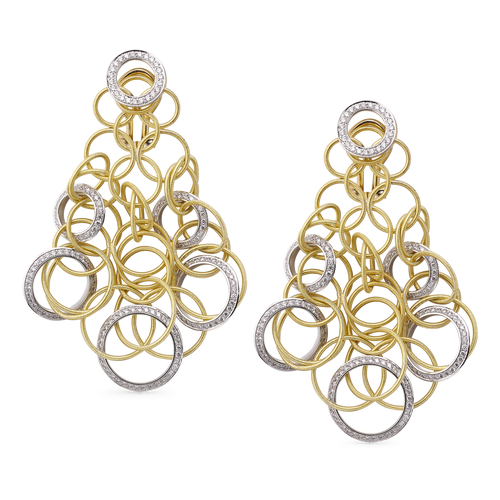
Textured gold and Renaissance engraving — the Milanese house of master goldsmiths, now part of Richemont.

Buccellati
Re-checked daily
Buccellati was formed in 2011 from the merger of two luxury brands — Mario Buccellati and Gianmaria Buccellati — the names of two master goldsmiths who were father and son.

Mario Buccellati opened his first enterprise in 1919, with the founding boutique in Milan beside La Scala. After stores in Milan, Rome and Florence, the house went international, reaching Fifth Avenue in New York in 1954. His son Gianmaria continued the family tradition, designing pieces that began as life-size hand drawings — inspired by nature and Renaissance architecture, set with baroque pearls and finished with the house's signature textile-like engraving in techniques such as rigato, telato, ornato and segrinato.

Today Buccellati Holding Italia is a wholly owned subsidiary of the Swiss group Richemont, which acquired it in 2019 — the year the maison marked its hundredth anniversary.
Buccellati shopping FAQ

Why is Buccellati jewelry so expensive?+

Buccellati's value rests on extraordinary handcraft. Gianmaria Buccellati's pieces began as life-size drawings made by hand, often produced in unique or limited editions, with detailed hand-engraving that gives metal a fabric-like texture. That labour-intensive goldsmithing, drawing on traditional techniques like rigato, telato, ornato and segrinato, is what places the house at the very top of fine jewellery — and what justifies the price.

Is Buccellati jewelry worth it?+

If you value old-world Italian goldsmithing over flashy stones, Buccellati is in a class of its own. Its signature is the hand-engraved, lace-like texturing of gold and silver rather than large gemstones, so the worth lies in craftsmanship and rarity. For collectors who want something distinct from the more familiar luxury houses, that distinctiveness is precisely the appeal.

What is Buccellati's signature engraving technique?+

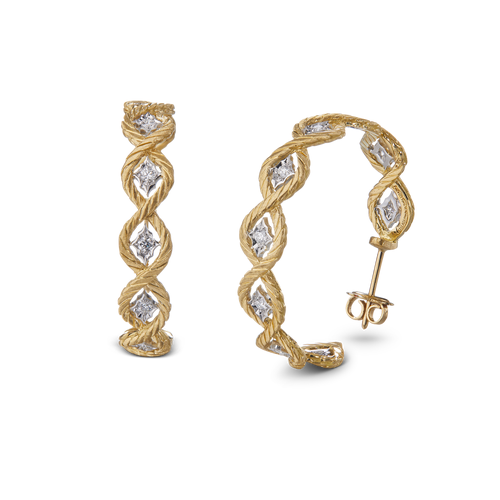
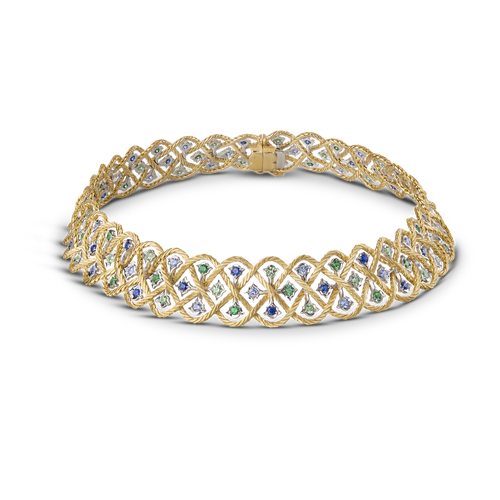
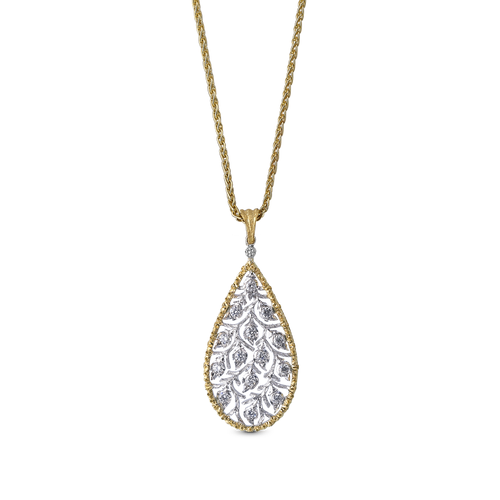
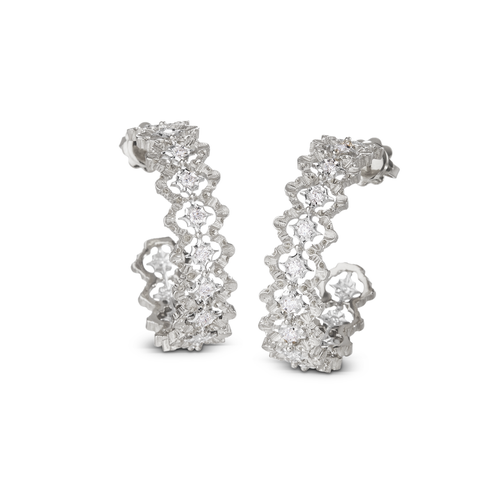
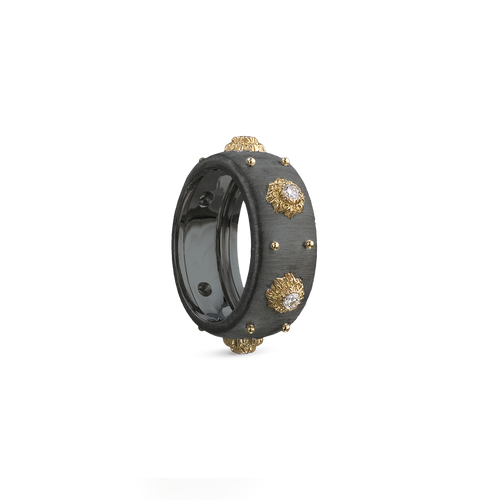
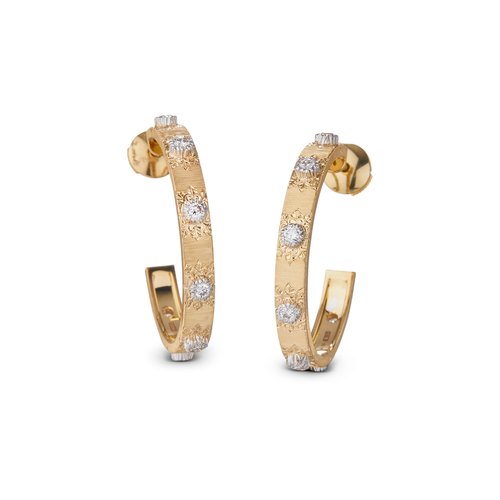
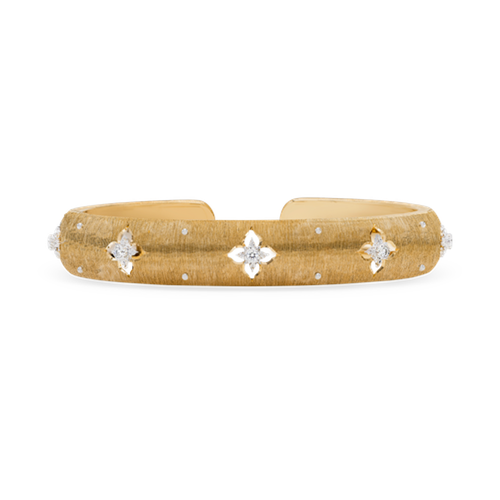
Buccellati is defined by hand-engraving that makes precious metal look like woven fabric or lace. Founder's-son Gianmaria Buccellati's designs frequently incorporated detailed hand-engraving giving the surfaces a fabric-like texture, associated with traditional techniques known as rigato, telato, ornato and segrinato. These create the varied textures on gold and silver that are instantly recognisable as Buccellati.

Buccellati vs Van Cleef & Arpels or Cartier — what's the difference?+

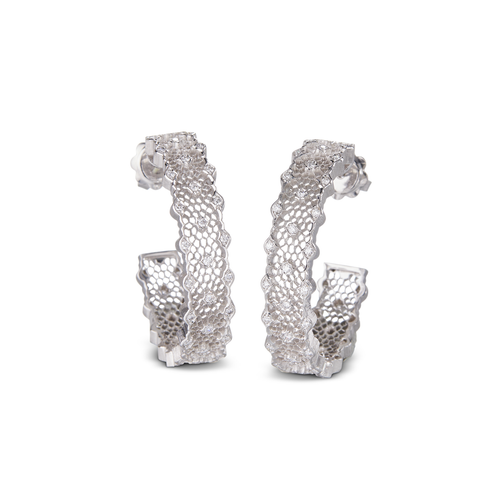
All three are part of the Richemont group, but Buccellati stands apart through its handcraft. Where the others are known for bold, recognisable motifs, Buccellati is rooted in intricate hand-engraving and texturing that mimics fabrics like lace. The house's lace-like "tulle" and honeycomb engraving is its calling card, giving its pieces a softer, more artisanal feel than its stablemates.

Where and when was Buccellati founded?+

The Buccellati story begins in 1919, when Mario Buccellati opened his first enterprise in Milan, near the famous La Scala Theatre. The current company, Buccellati Holding Italia, was formed in 2011 through the merger of two earlier brands — Mario Buccellati and Gianmaria Buccellati, named for the father-and-son master goldsmiths. The house celebrated its hundredth anniversary in 2019.

Who founded Buccellati and what was he known as?+

The founder was Mario Buccellati, who opened his first enterprise in 1919 and is celebrated as a master goldsmith — remembered in scholarship as the "Prince of Goldsmiths." His son Gianmaria Buccellati continued the family tradition, designing jewellery that began as hand-drawn, life-size sketches. Together their names form the modern Buccellati house.

Who owns Buccellati now?+

Buccellati is a wholly owned subsidiary of the Swiss luxury holding company Richemont. China's Gangtai Holding Group bought a controlling 85% share in December 2016, and in September 2019 Compagnie Financière Richemont acquired 100% of Buccellati from Gangtai. That places it alongside other Richemont jewellery houses while keeping its Italian craft identity.

What inspires Buccellati's designs?+

Gianmaria Buccellati drew inspiration from nature and Renaissance architecture, and his pieces frequently incorporated elements such as baroque pearls alongside the house's detailed hand-engraving. That blend of naturalistic motifs and classical influence, rendered in textured gold and silver, gives Buccellati its timeless, distinctly Italian character.

Does Buccellati have a notable historic commission?+

Yes. In 1949 Mario Buccellati was commissioned by Pope Pius XII to create an icon for Princess Margaret, marking the first visit by British royalty to Vatican City in hundreds of years. That work of art can be seen today at the Chianciano Art Museum in Tuscany — a piece of the house's heritage you can actually visit.

Where has Buccellati expanded over the years?+

From its Milan origins, the house grew widely. Mario opened stores in Milan, Rome and Florence before expanding overseas with a Fifth Avenue store in New York in 1954 and a Worth Avenue store in Palm Beach in 1958. Gianmaria later set up shops in Paris on Place Vendôme, plus London, Tokyo, Hong Kong, Beverly Hills on Rodeo Drive and beyond.