Why are Fabergé eggs so expensive?+
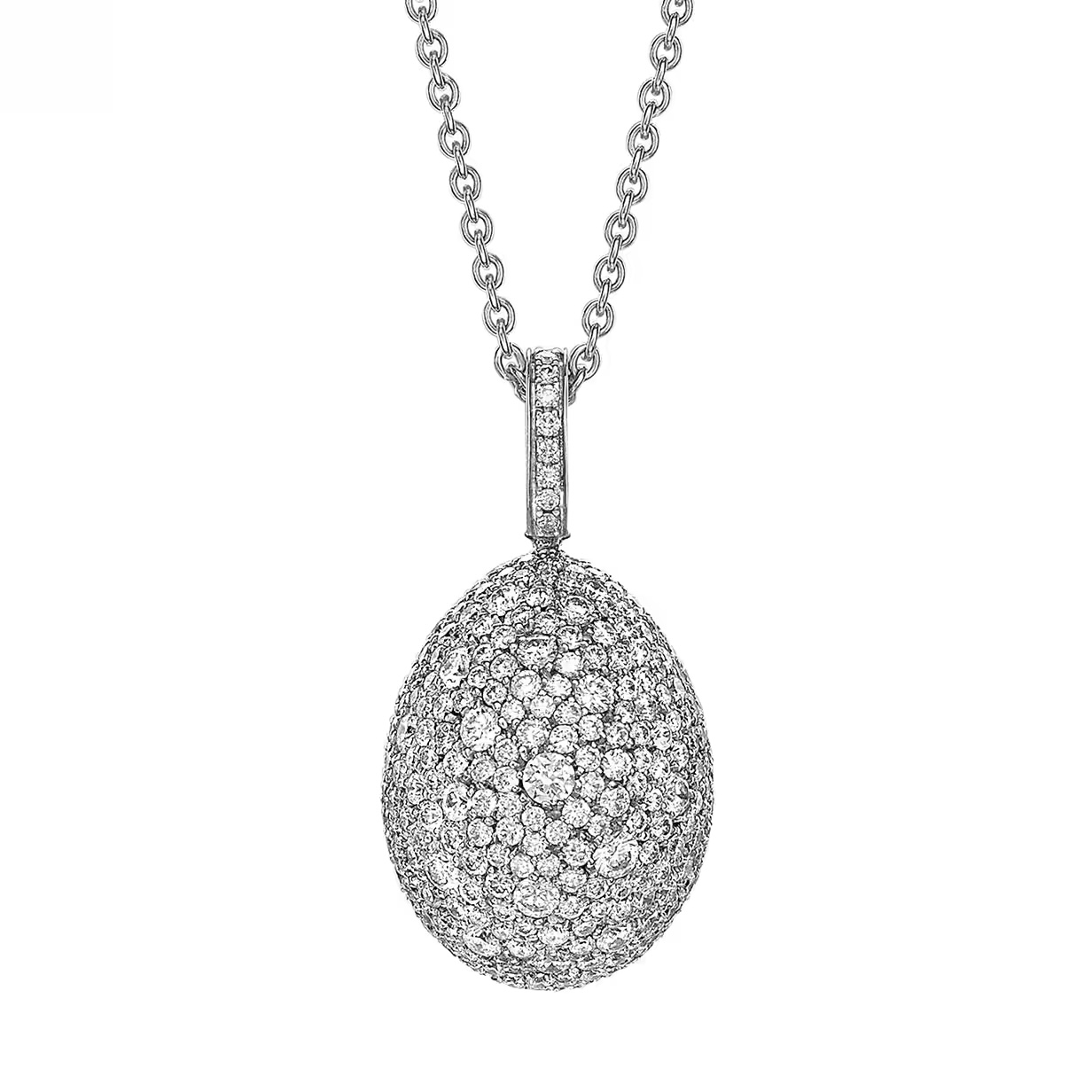
The legendary value comes from rarity, craft and history together. The House of Fabergé made its elaborate, jewel-encrusted Fabergé eggs for the Russian emperors, and that imperial association ended abruptly with the October Revolution of 1917 — so the originals are irreplaceable artifacts of a vanished court. Add layers of fine enamel, intricate goldwork and hidden surprises, and each surviving piece is effectively a tiny masterwork from a world that no longer exists.
How can I spot a fake Fabergé piece?+
Be cautious — imitation "Fauxbergé" objects and "Fabergé-style" products have circulated for a long time, so a Fabergé name or mark alone is not proof. Genuine antique work is defined by exceptional materials and restrained, masterly craft rather than gaudy over-decoration, and a real imperial piece would never feature symbols that did not exist in Fabergé's lifetime. The safest path is to buy through reputable dealers or major auction houses that can verify provenance.
Is Fabergé jewellery good quality today?+
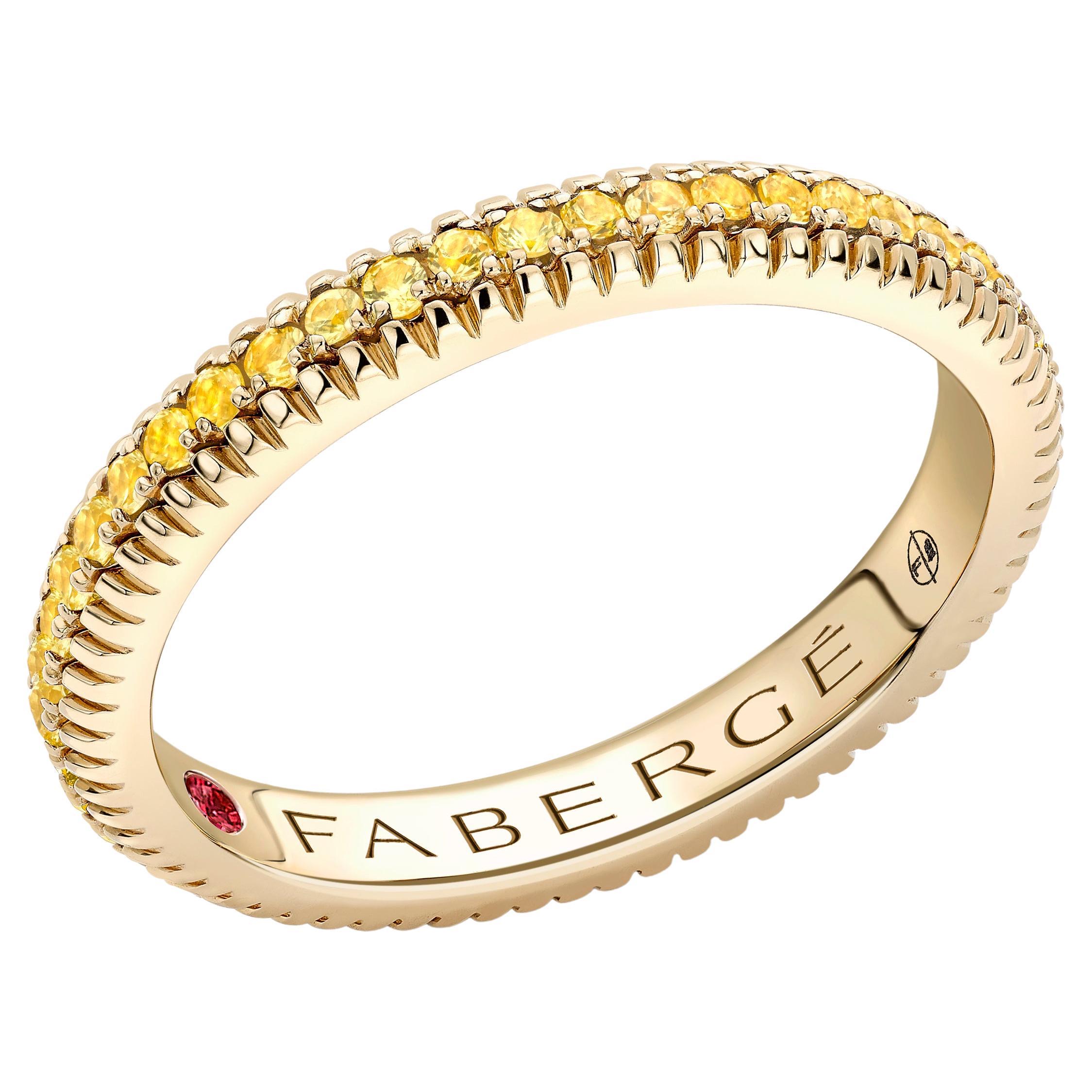
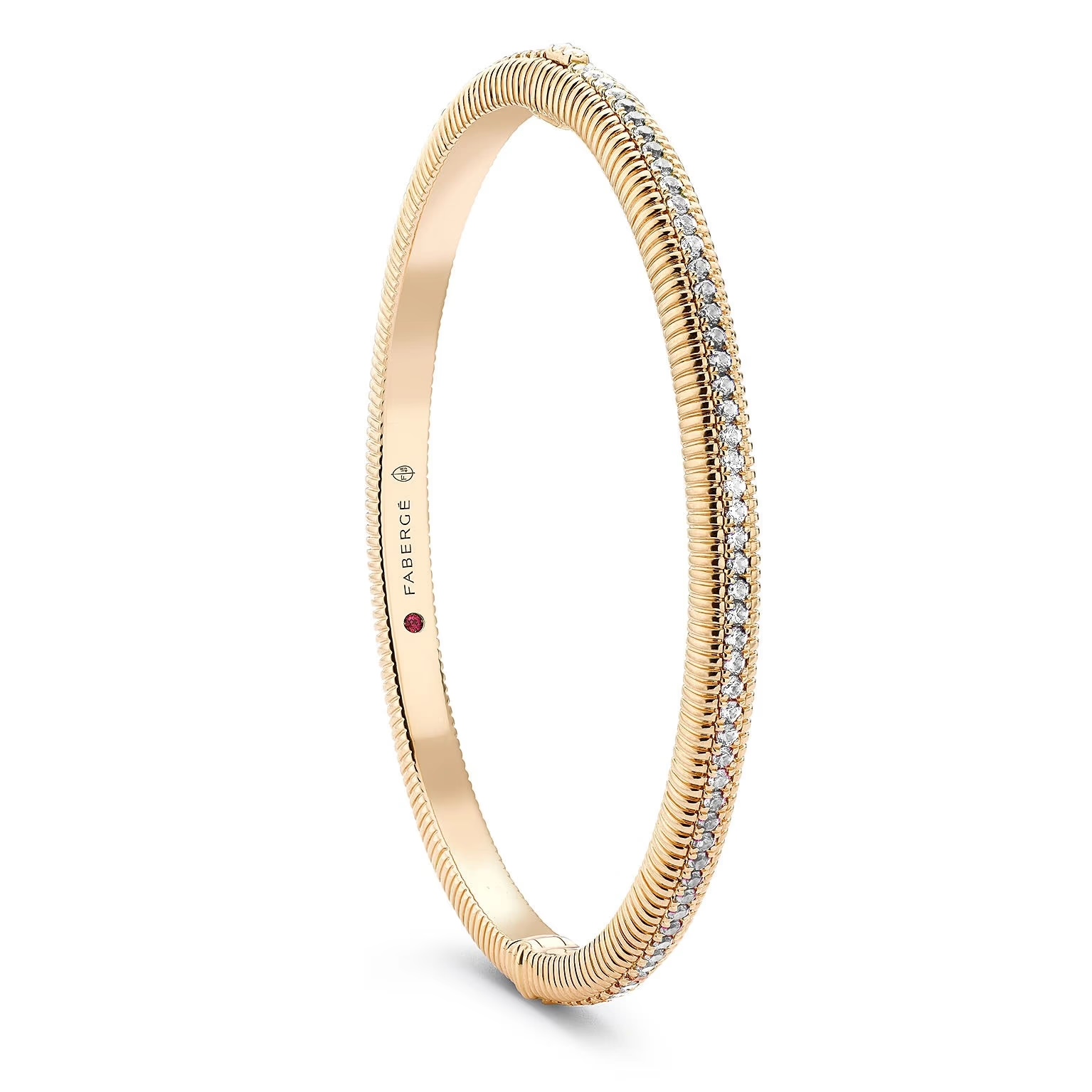
The historic house was renowned for high-quality, intricate work, and the name today lives on through Fabergé Limited, which uses it solely for jewellery and gemstones. As with any storied brand, the modern pieces are distinct from the antique imperial-era treasures, so it helps to be clear about whether you are buying contemporary Fabergé jewellery or a genuine historic object.
What is Fabergé best known for?+
Fabergé is most famous for its elaborate, jewel-encrusted eggs created for Russian emperors, the pinnacle of the firm's artistry. Beyond the eggs, the original house produced a wide range of high-quality, intricate works in precious metals, enamel and stones that defined late-imperial Russian luxury.
Who founded the House of Fabergé and when?+
The jewellery firm was founded in 1842 in Saint Petersburg, Russia, by Gustav Fabergé. He had trained as a goldsmith in the city and earned the title of Master Goldsmith in 1841 before establishing the business that his sons and grandsons would later run.
Who was Carl Fabergé?+
Peter Carl Fabergé, known as Carl Fabergé, was the founder's son, born in 1846. He took over his father's firm in 1872 and became its acknowledged head, leading the house through its most celebrated era — including the creation of the imperial eggs. His brother Agathon joined in 1882 as a talented designer who brought fresh creative energy to the business.
What happened to Fabergé after the Russian Revolution?+
The original firm was run by the family until the October Revolution in 1917, which ended its imperial chapter. In 1924, Carl's sons Alexander and Eugène opened Fabergé & Cie in Paris, stamping their work FABERGÉ, PARIS, and over the following decades the brand name changed hands many times before jewellery was eventually reintroduced.
Why was the Fabergé name used on perfume and other products?+
After the family era, the brand name was sold repeatedly and applied far beyond jewellery. In 1951 rights to the Fabergé name for perfume were bought by Samuel Rubin, and later owners launched products including the cologne Brut — which became a best-seller — along with other fragrances, hair products and even film ventures. Today the name has been refocused, with Fabergé Limited using it solely for jewellery and gemstones.
Where do the Fabergé family and name come from?+
The family's origins trace back to 17th-century France, where they were known by the name Favri. They fled the country as Huguenot Protestant refugees after the Revocation of the Edict of Nantes, and over generations of moving eastward through Europe the name evolved through forms like Fabri and Fabrier before settling as Fabergé. Gustav eventually settled in Saint Petersburg to train as a goldsmith.
Are the imperial Fabergé eggs something a collector can buy?+
They are exceedingly rare and almost entirely the province of museums, institutions and ultra-high-net-worth collectors — these are crown jewels of decorative art, not typical retail purchases. For most admirers, the realistic ways to own a piece of the legacy are contemporary Fabergé Limited jewellery or carefully authenticated antique works bought through trusted specialists.
Is Fabergé Russian or French?+
Both threads run through its story. The firm was founded in Saint Petersburg, Russia, and is forever tied to the Russian imperial court, yet the family's deeper roots are French Huguenot, and after 1924 the next generation re-established the name in Paris as Fabergé & Cie. That dual heritage is part of what makes the house so distinctive.