Are G-Shock watches worth it, and why are they so popular?+
G-Shock's appeal comes down to one promise it actually keeps: near-indestructible toughness at an accessible price. The original brief was a watch with triple 10 resistance, a 10-year battery, 10-bar water resistance, and survival of a 10-metre fall, and that engineering still defines the line. For anyone who wants a watch they never have to baby, it is one of the easiest recommendations in the category.
Which G-Shock should I buy first?+
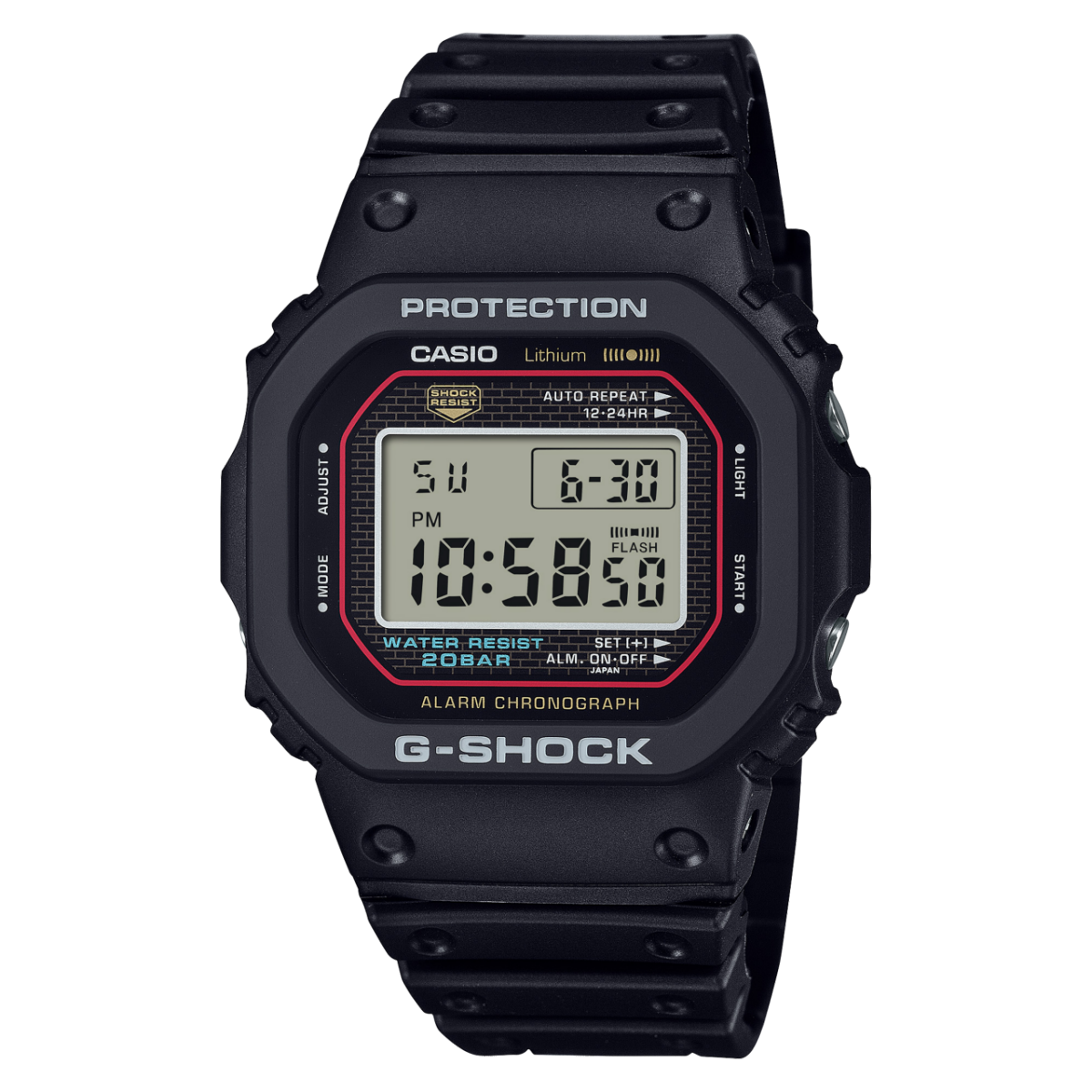
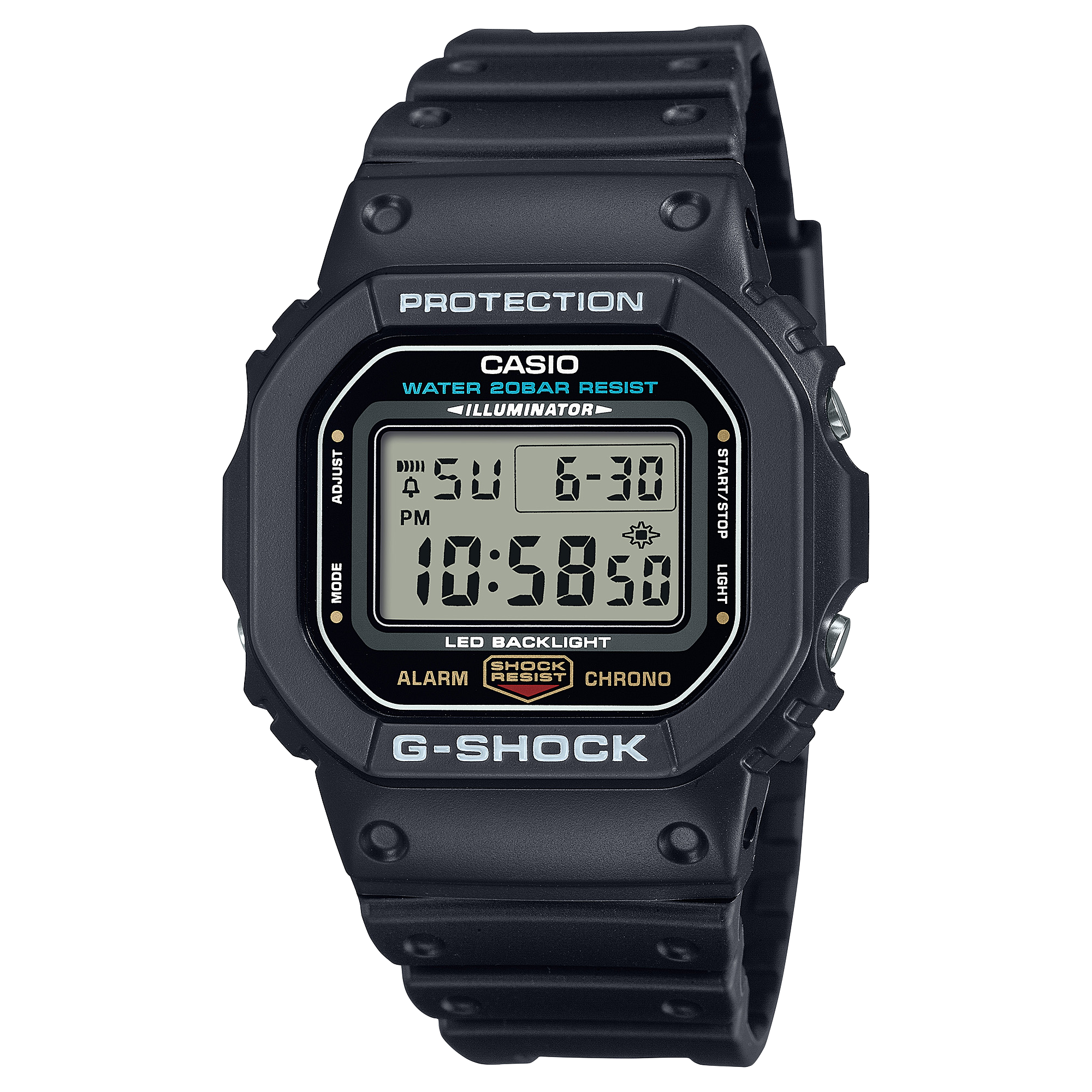
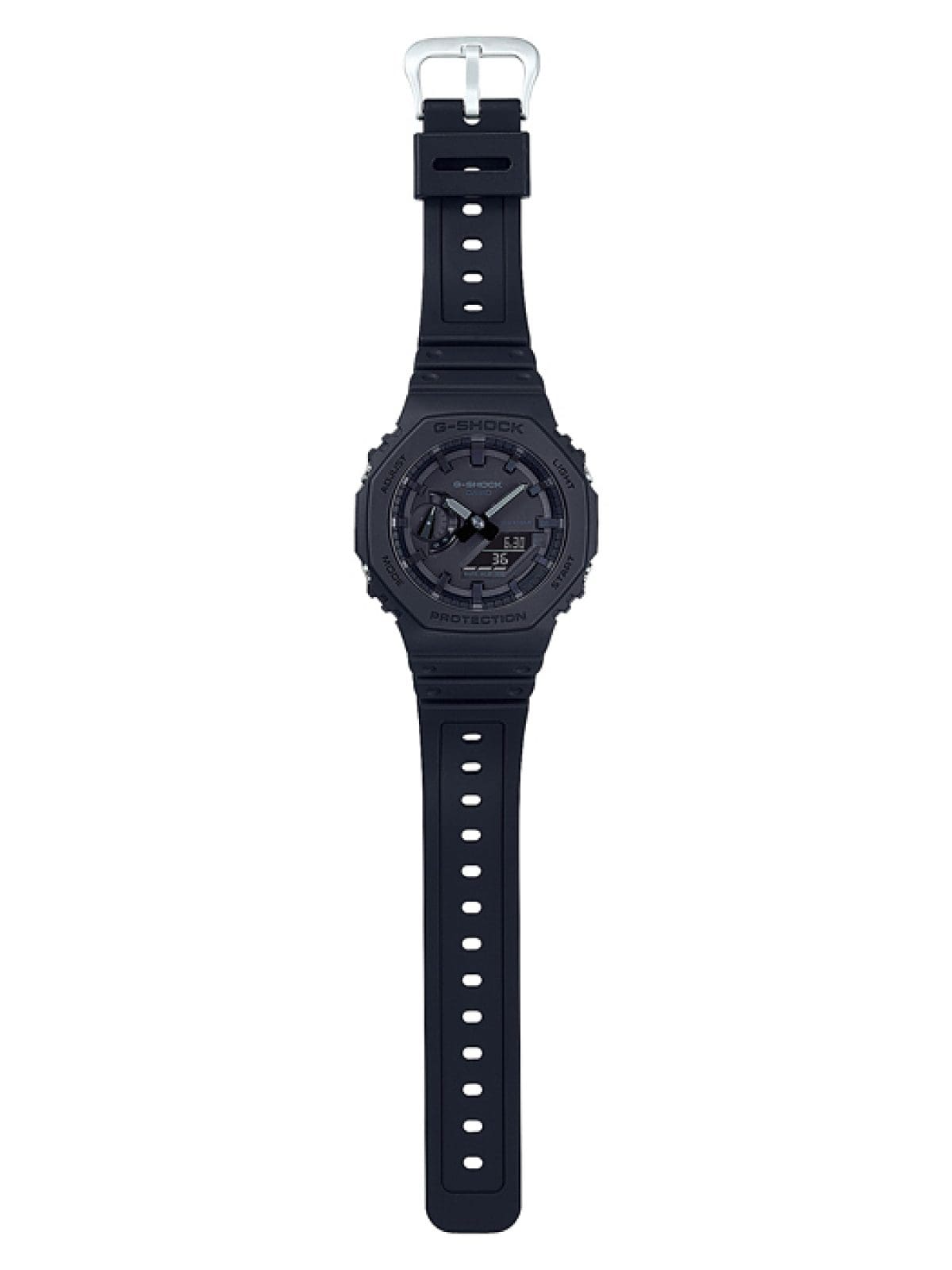
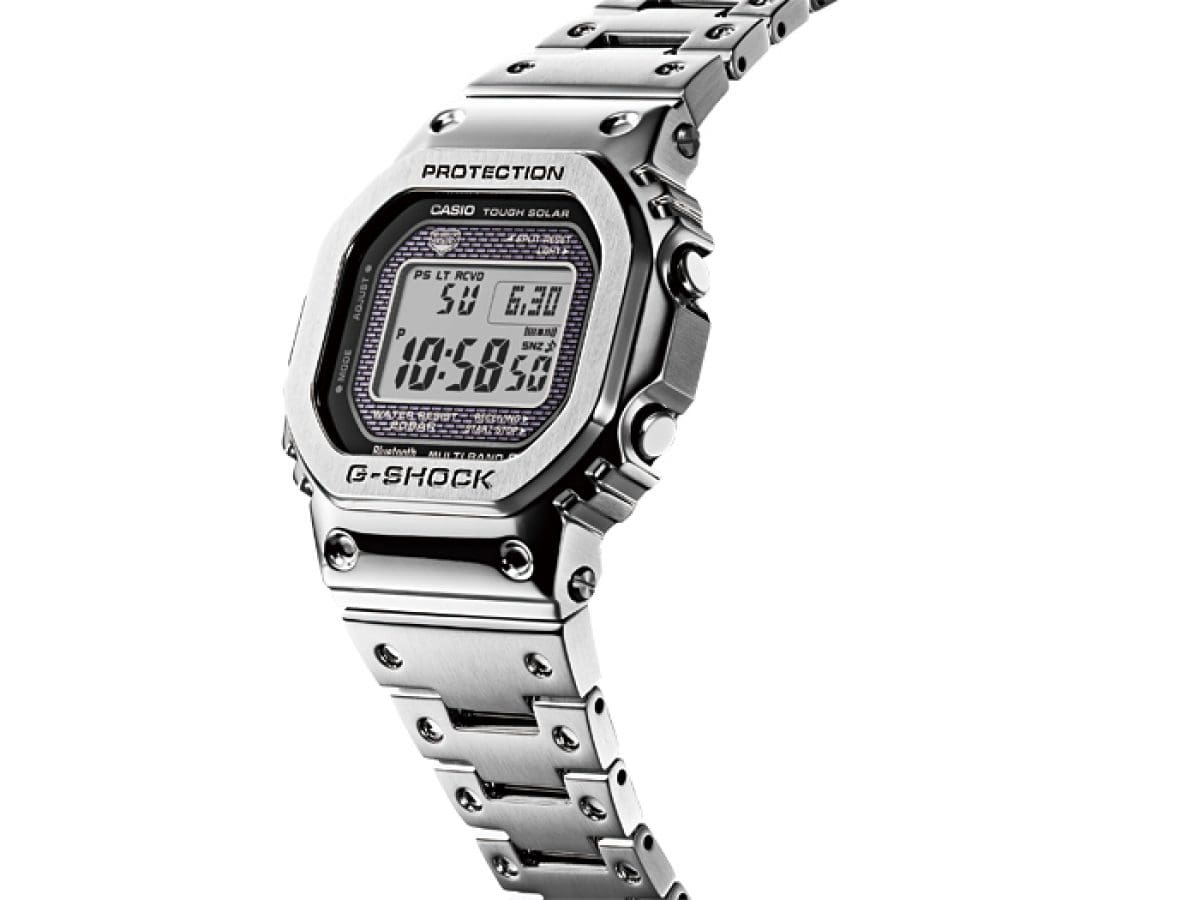
Most newcomers are steered toward the square, the descendant of the original DW-5000C shape, because it is light, slim, and the purest expression of what G-Shock is. A basic resin square gives you the full shock and water resistance without the cost or bulk of the sensor-laden models. Start there, learn whether you like the size, then move up to solar or radio-controlled versions if you want fewer batteries and self-setting time.
How tough is a G-Shock really?+
Toughness is the entire point: the timekeeping module floats free inside a urethane foam cradle, wrapped in ten protective layers including a rubber bumper, steel case, and hardened crystal. The brand's reputation was sealed early when, after a US commercial showed a player using a DW-5200C as a hockey puck, a TV news channel ran live tests and the watch survived being struck. That stunt turned skepticism into the durability legend the line still trades on.
What is the story behind the first G-Shock?+
It was conceived in 1981 by Casio engineer Kikuo Ibe, after a watch his father had given him fell off his wrist and shattered. His team tough built and tested nearly 200 prototypes before a visit to a playground gave him the answer: the centre of a bouncing rubber ball stays unharmed by impact. That floating-module idea led to the first G-Shock, the DW-5000C, launched in April 1983.
Who makes G-Shock, and where does the name come from?+
G-Shock is a line made by the Japanese electronics company Casio. The name is short for Gravitational Shock, a nod to the watch's whole reason for existing: surviving the shocks of being dropped, knocked, and abused. It is a Casio sub-brand rather than a separate company, which is part of why the pricing stays grounded.
What are the Frogman and Mudman, and how are they different?+
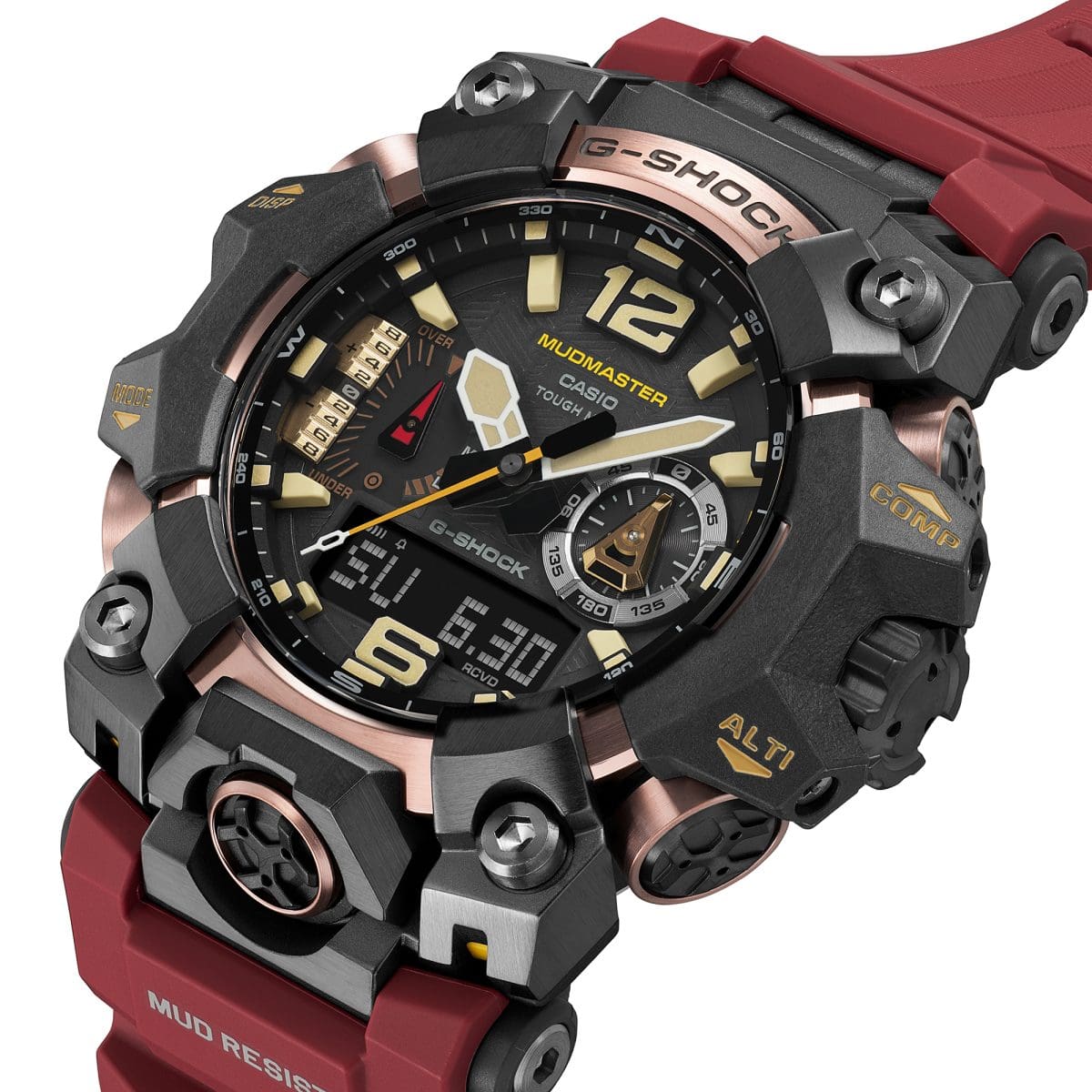
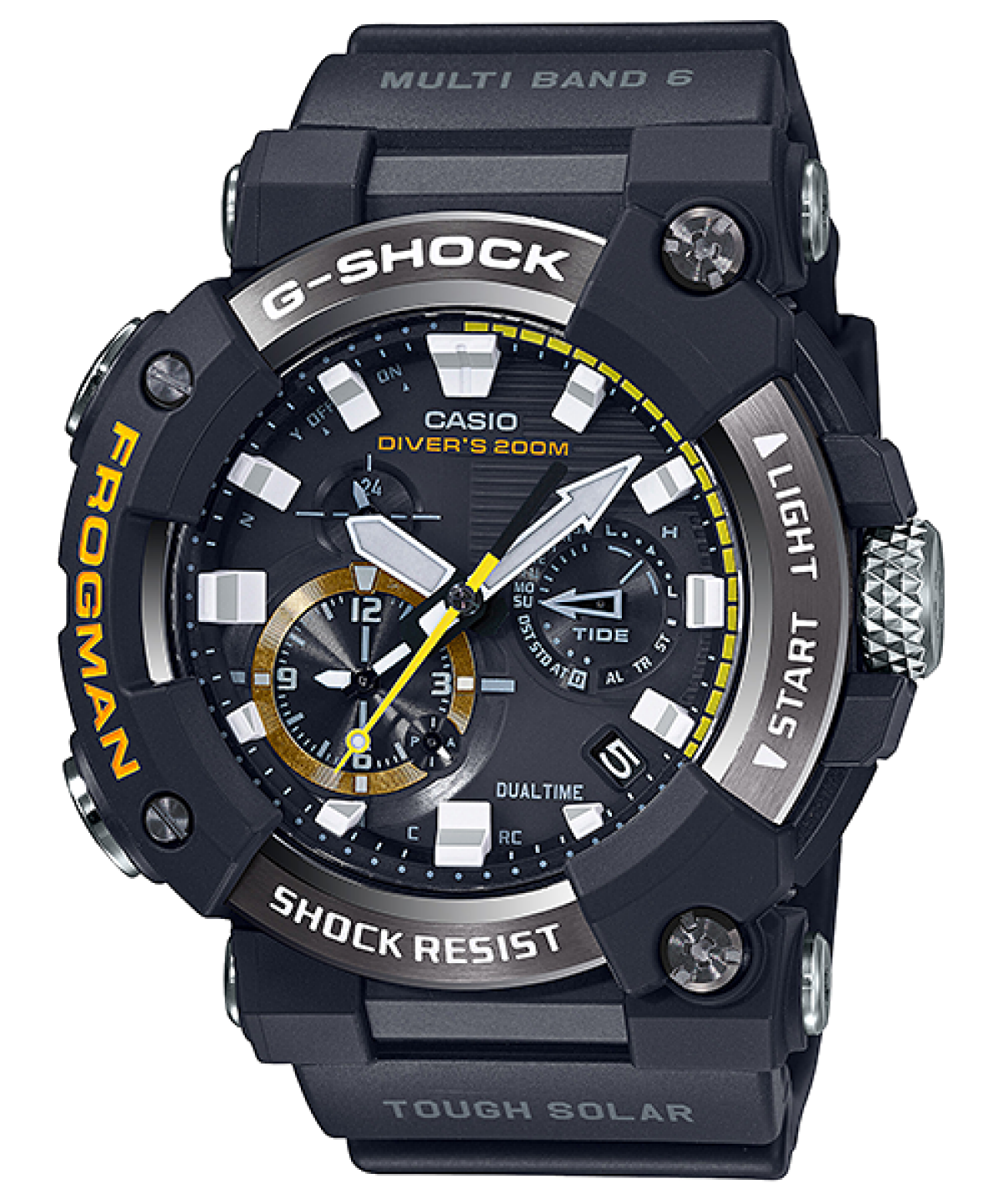
These are specialist lines built for specific punishment. The Mudman name traces to the mud-resistant DW-5500C from 1985, with a dedicated Mudman line following in 1995, while the Frogman began with the DW-6300 in 1993, the first ISO 6425-certified diver's watch in the range. Choose a Frogman for serious diving and a Mudman for dirt-and-grit environments; a standard square covers everyday toughness.
Do I want a solar or radio-controlled G-Shock?+
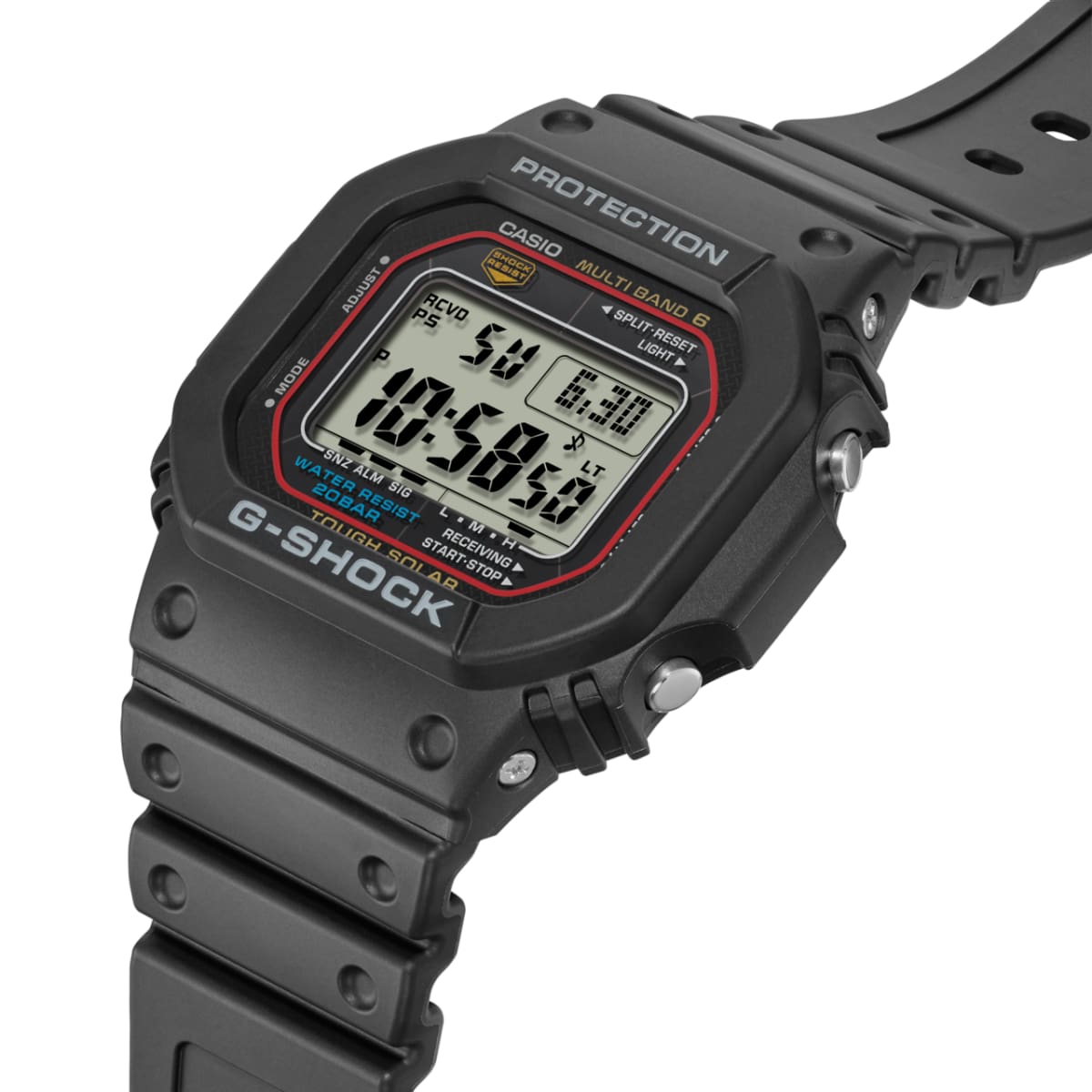
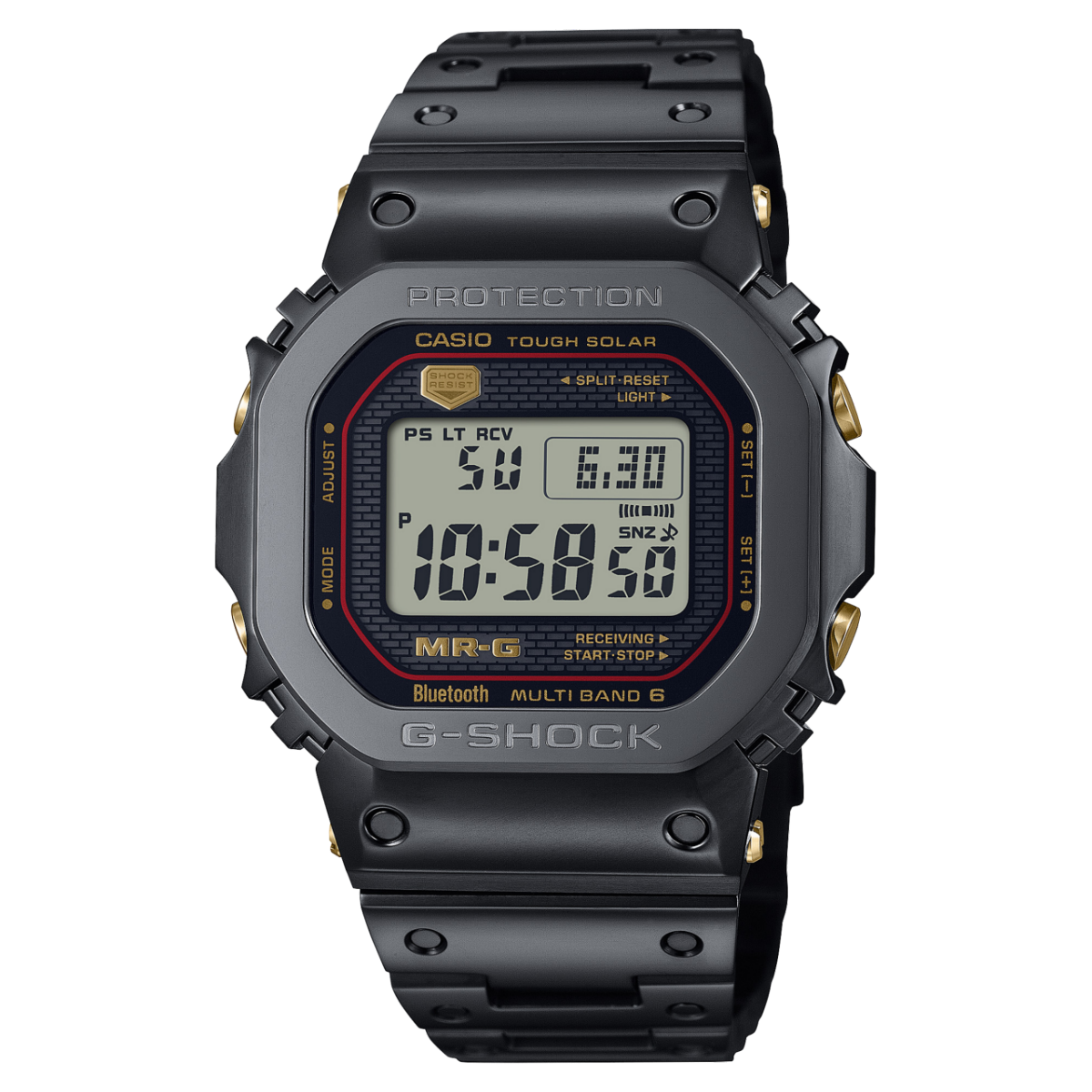
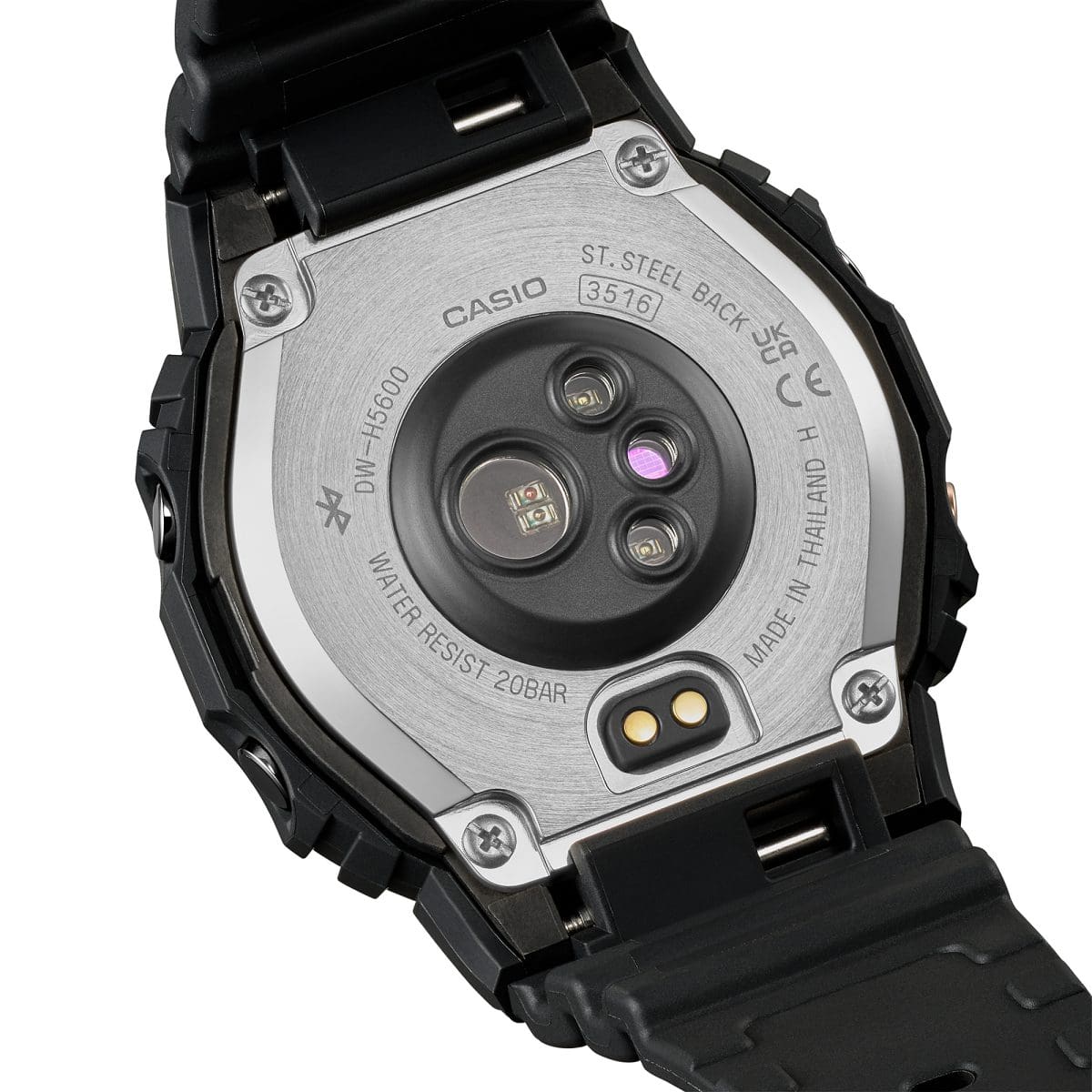
Higher models add Tough Solar, which charges from light so you rarely think about batteries, and Multi-Band radio adjustment (WaveCeptor), which syncs the time automatically from a signal. Newer pieces go further with Bluetooth sync to a smartphone app, plus GPS and pressure, direction, and temperature sensors. If set-and-forget convenience matters more than lowest price, the solar-and-radio combination is the sweet spot.
What's the difference between a resin and a metal-cased G-Shock?+
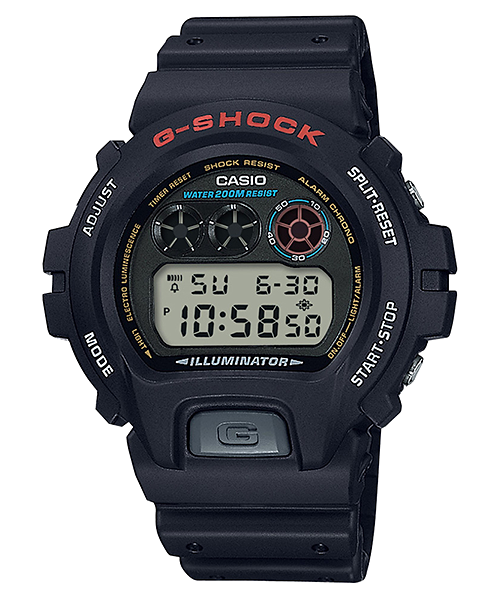
Early G-Shocks used stainless steel cases, but from the DW-6100 in 1992 Casio shifted toward resin, which improves shock resistance and cuts weight. By the early 2000s the G-2000 was among the last standard models on a steel case, leaving metal to a few specialty pieces. So a classic resin square is lighter and arguably tougher, while metal-clad models are more about look and heft.
Why were G-Shocks slow to catch on at first?+
When the line launched, sales were slow in Japan because buyers there preferred dress watches over a chunky digital tool. The breakthrough came through the United States, where the hockey-puck commercial and the televised durability test won over a wider public. Popularity then climbed through the 1990s, and by 1998 Casio had released over 200 models with 19 million units sold worldwide.
Is a G-Shock a good everyday watch for sports and the outdoors?+
That is exactly what it was built for. The line is designed primarily for sports, military, and outdoor use, and most models carry a chronograph, 200-metre water resistance, an alarm, and a backlight as standard. Whether you are at the gym, on a trail, or just want one watch that survives daily life, it is hard to over-ask of a G-Shock.
When is the best time to buy a G-Shock?+
Because the catalogue is huge and constantly refreshed, last season's models often see meaningful markdowns once new references arrive, and popular squares like the entry-level resin are frequently discounted online. If you have a specific model in mind, watch for end-of-season and major sale periods rather than buying on impulse. Just confirm the case size suits your wrist first, since fit, not price, is what you live with daily.