Is the Girard-Perregaux Laureato worth it?+
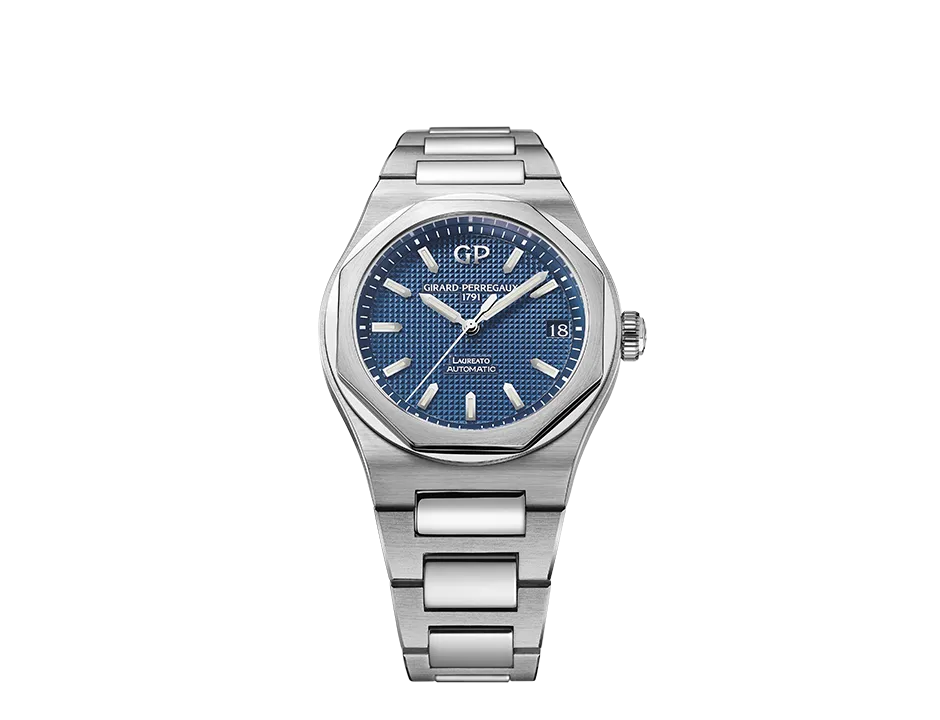
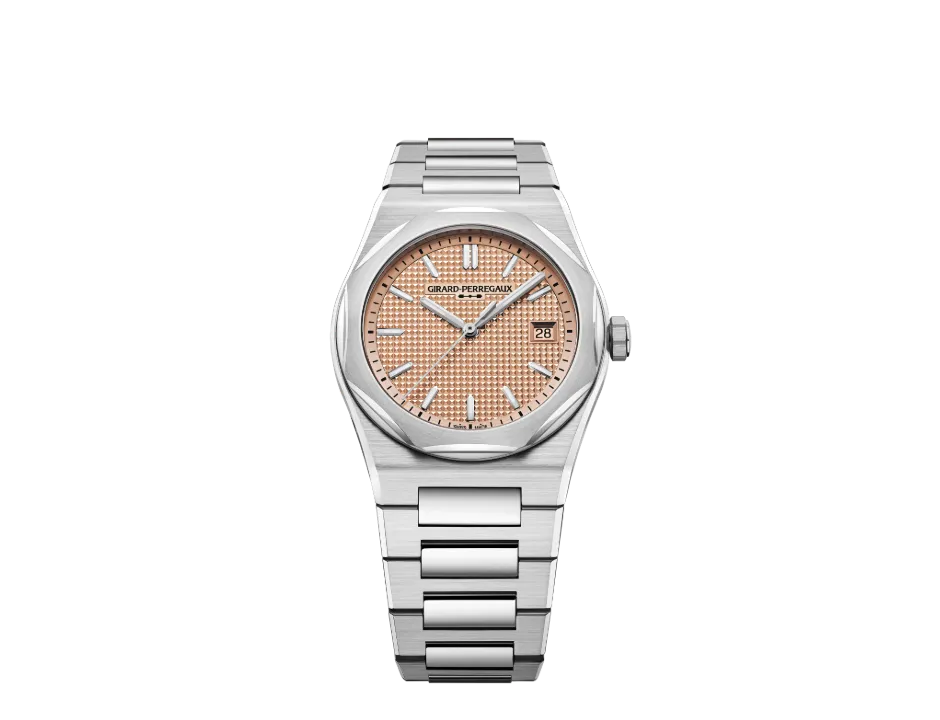
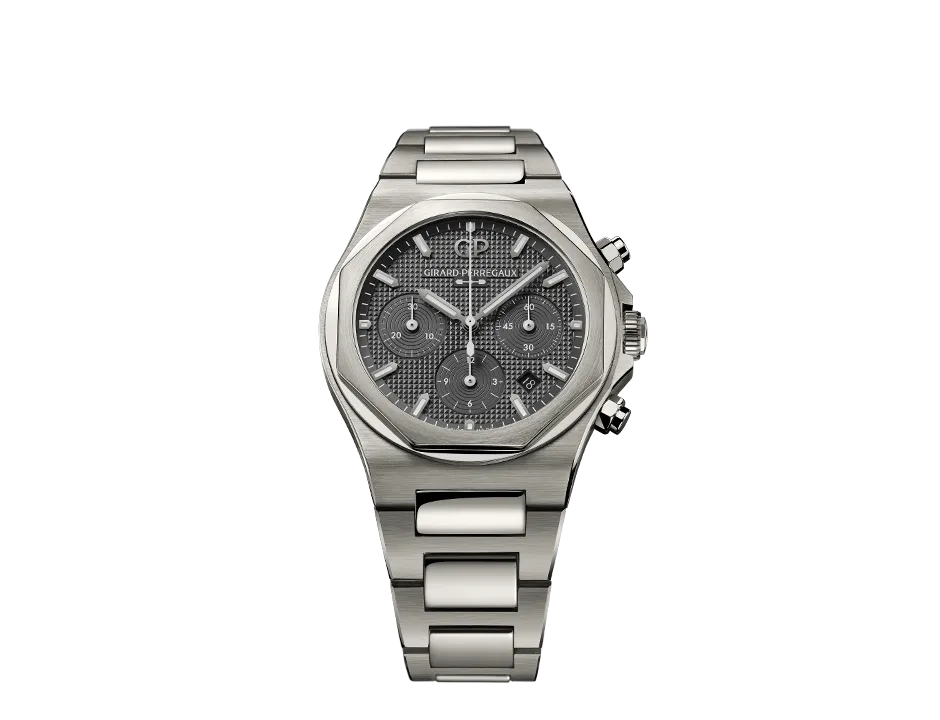
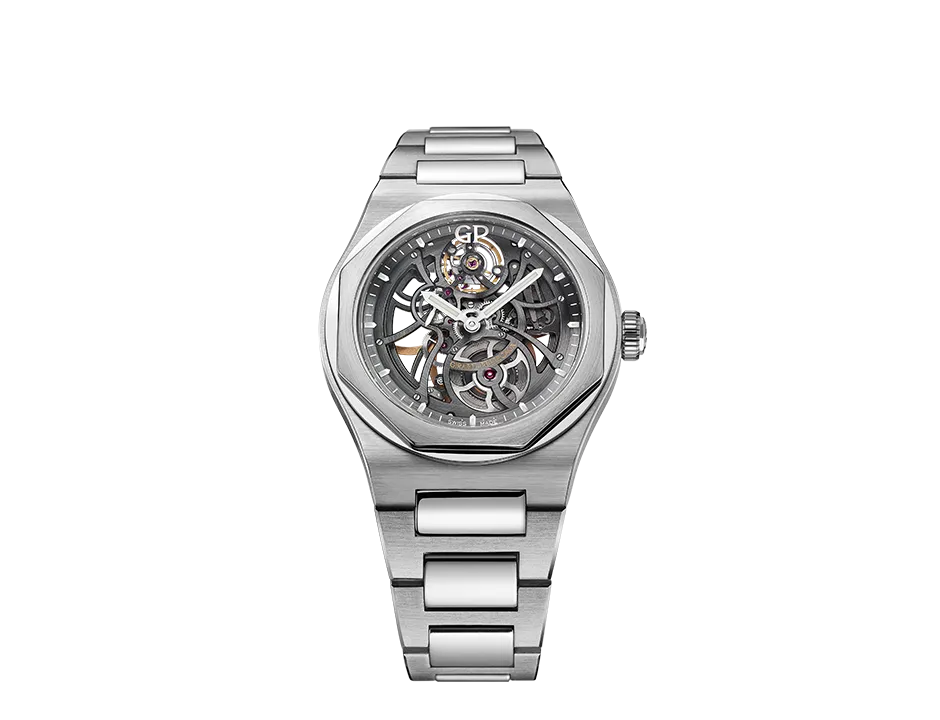
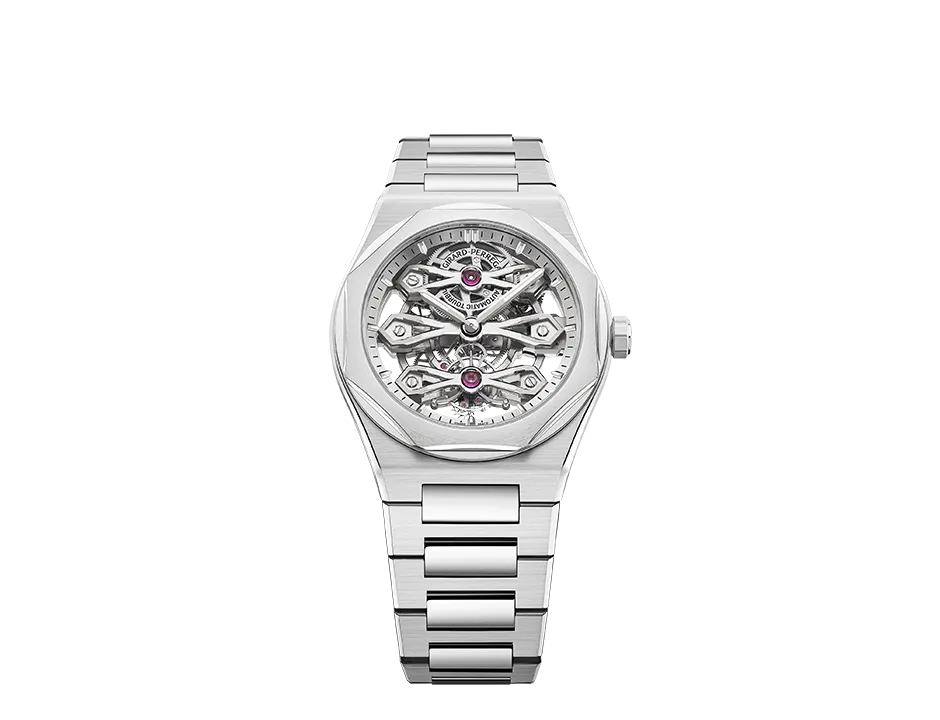
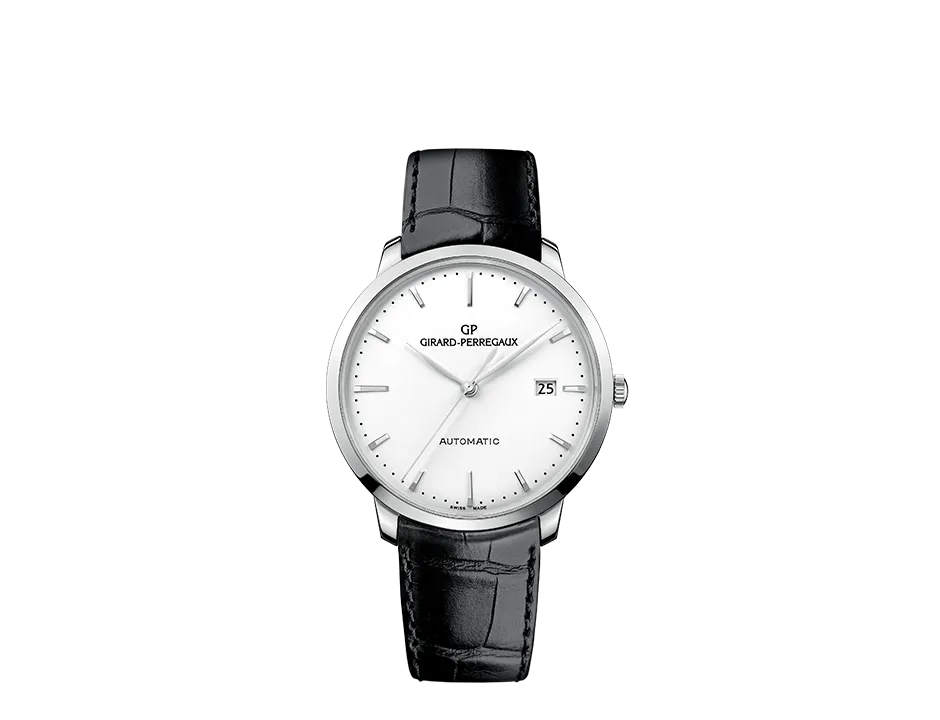
Enthusiasts tend to see the Laureato as the quietly clever choice in the integrated-bracelet sports-watch world: it carries an in-house movement, an octagonal bezel and a hobnail Clou de Paris dial, yet asks far less drama at the boutique than its most famous rivals. The line was born in 1975 and returned to centre stage in 2016 for the brand's 225th anniversary, so you are buying genuine 1970s design lineage rather than a recent revival. If you want that era's look without chasing waitlists, it is an easy watch to recommend.
How does the Girard-Perregaux Laureato compare to the Audemars Piguet Royal Oak?+
Both are 1970s octagonal-bezel sports watches with integrated bracelets, and the Laureato arrived in 1975, slotting in just after the Royal Oak. The everyday difference collectors talk about is access: the Laureato is far easier to find at retail and tends to sit more comfortably in conversation than in a queue. Choose the Royal Oak for its name and resale momentum; choose the Laureato if you prefer the same family of design with less fuss.
Why are Girard-Perregaux watches so expensive?+
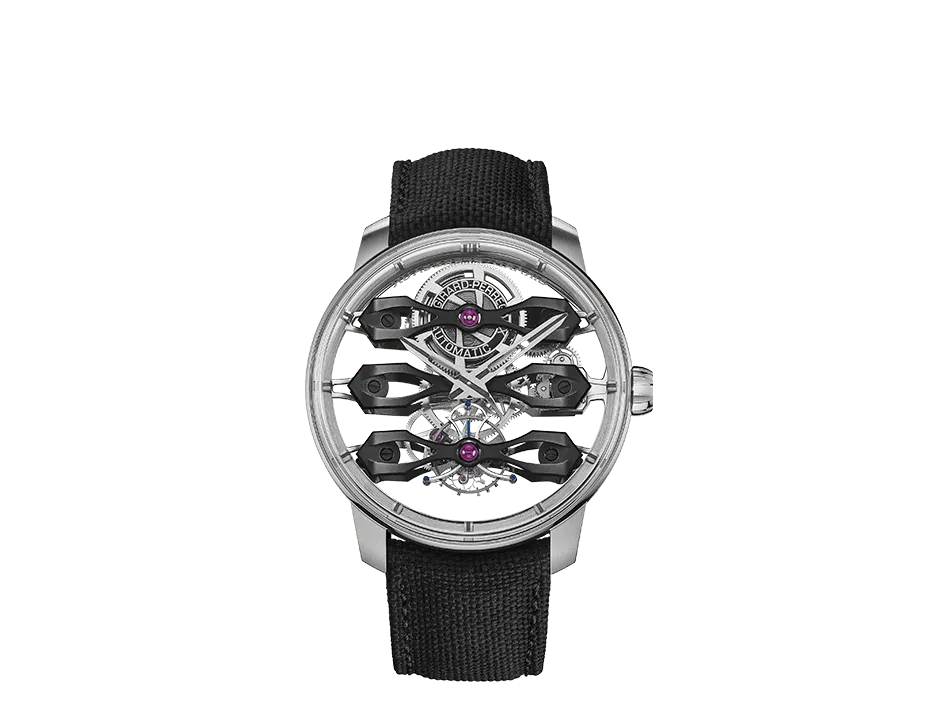
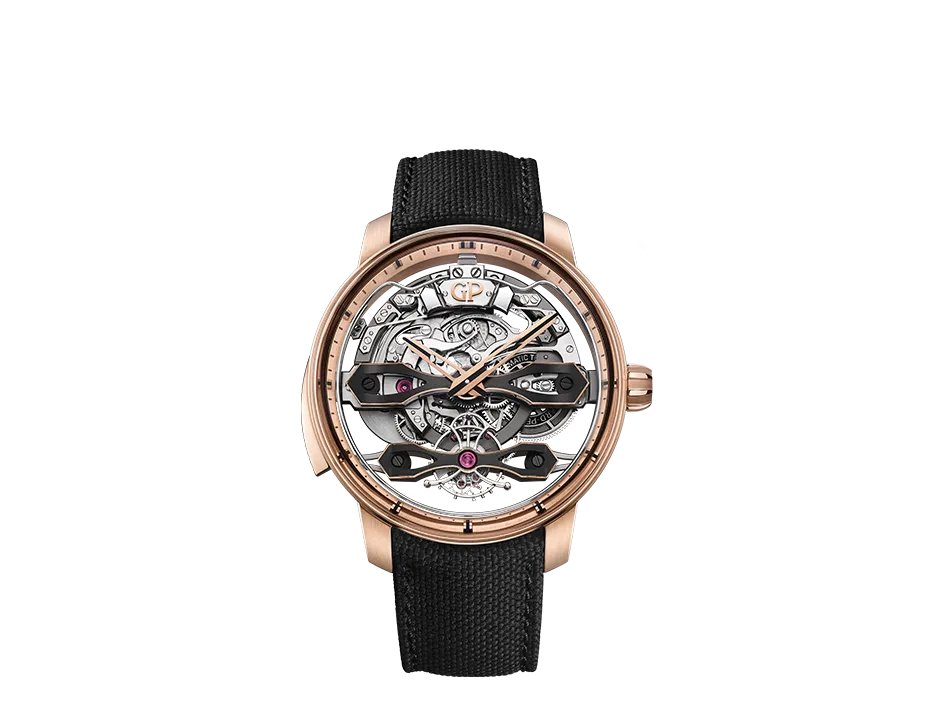
Girard-Perregaux is a true manufacture: it designs, develops and builds its own movements, cases and bands in-house, drawing on roughly 80 watchmaking patents. The crown jewel is the Tourbillon with three gold bridges, whose bridges were reshaped as parallel arrows so that a functional element became pure design. When the brand recreated 20 period-faithful pieces in 1980, the first alone took 1,500 hours of work, which gives a sense of the labour behind the top of the range.
What is the Girard-Perregaux Three Gold Bridges and why is it so iconic?+
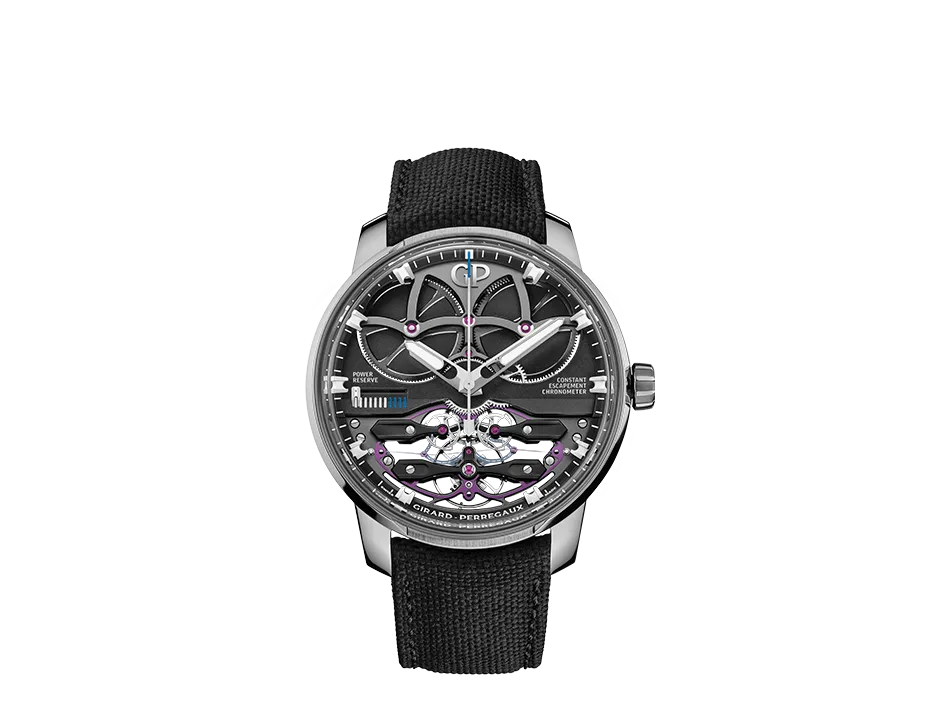
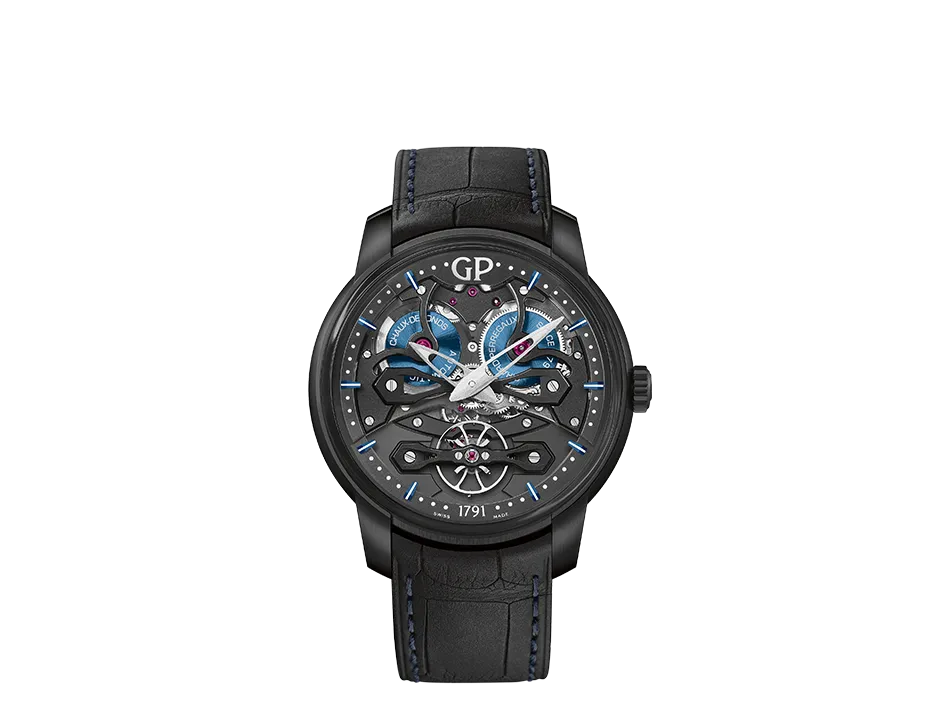
It is the emblematic movement of the house. In 1884 Constant Girard filed a US patent for the Tourbillon with three gold bridges, redesigning the bridges as three parallel arrows so the mechanism itself read as architecture. The watch won a gold medal at the 1889 Universal Exposition in Paris, and to mark its bicentenary in 1991 the company miniaturised it into a wristwatch version that is still offered in many forms today.
Which Girard-Perregaux should I buy first?+
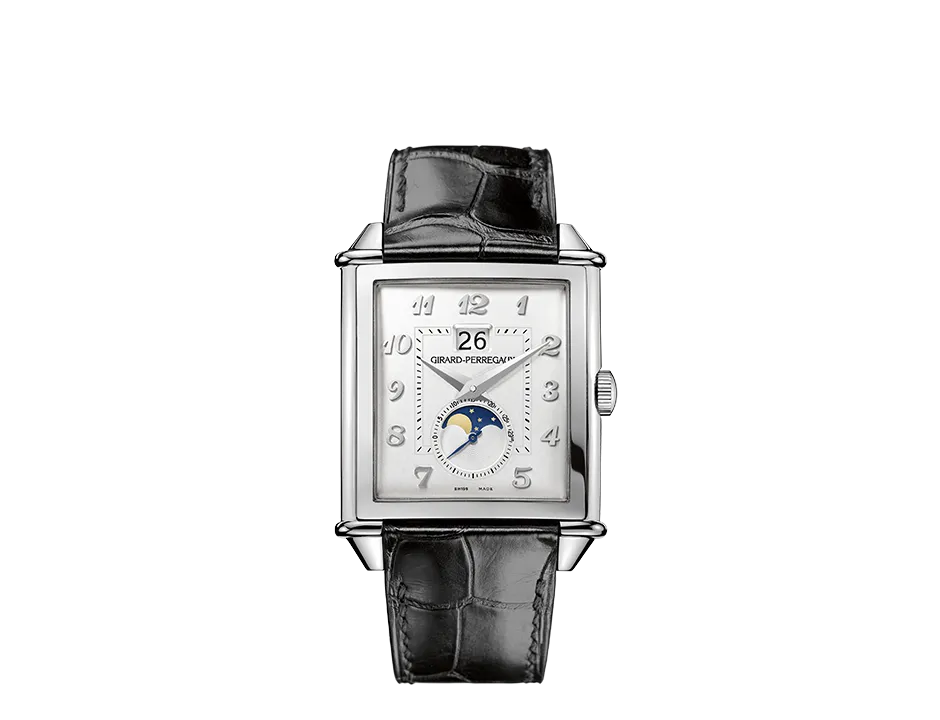
For most first-time buyers the Laureato is the natural entry point: it is the brand's modern sports icon, with the octagonal bezel and integrated steel bracelet that define the look, and it is the easiest to live with day to day. If your tastes run dressier, the 1966 collection and the rectangular Art Deco-inspired Vintage 1945 offer a more classical face. Save the Three Gold Bridges for when you want the brand's defining horological statement.
Where are Girard-Perregaux watches made?+
They are made in Switzerland, with the company headquartered in La Chaux-de-Fonds, the heart of Swiss watchmaking. The brand traces its origins to 1791 and was formally founded as Girard-Perregaux in 1856 after Constant Girard married Marie Perregaux. In 1999 it opened the Girard-Perregaux Museum nearby in the Villa Marguerite to house its historic watches and documents.
Who owns Girard-Perregaux now?+
Girard-Perregaux sits within the Swiss Sowind Group, which it has been part of since the late 1980s. The group became a subsidiary of the French luxury conglomerate Kering in 2011, but in 2022 Kering sold its stake via a management buyout, returning the maison to more independent ownership. That independence is part of why collectors view it as a watchmaker driven by craft rather than by a larger fashion portfolio.
What does the name Girard-Perregaux refer to?+
The name joins two people. Watchmaker Constant Girard founded Girard & Cie in La Chaux-de-Fonds in 1852, then married Marie Perregaux in 1854; the combined Girard-Perregaux Manufacture followed in 1856. So the brand on the dial is quite literally a marriage, which is a charming detail to know when you wear one.
Is the Girard-Perregaux Laureato a good everyday watch?+
It is built for it. The modern Laureato pairs a robust steel case and integrated bracelet with an in-house automatic movement, and the GP3300-family calibres were designed as versatile, everyday mechanical workhorses. The 2016 redesign brought back the original octagonal bezel and fully-integrated bracelet, so you get heritage looks in a watch meant to be worn rather than locked away.
What other models is Girard-Perregaux known for?+
Beyond the Laureato and the Three Gold Bridges, the brand is known for the dressy 1966 collection, the Art Deco-flavoured Vintage 1945, and high-complication pieces such as the Tri-Axial Tourbillon. There is also the Olimpico, a commemorative chronograph series first made for the 1968 Mexico City Olympics and produced until 1996. Each shows a different side of the house, from quiet elegance to serious haute horlogerie.
Has Girard-Perregaux done notable collaborations?+
Yes. In 2012 the brand released the Le Corbusier Watch Trilogy as a tribute to the famous architect, and in 2021 it partnered with luxury carmaker Aston Martin. These collaborations reflect a long-running theme at the maison of treating watch design as an architectural and engineering discipline rather than just decoration.
When is the best time to buy a Girard-Perregaux?+
Because the Laureato is generally available at authorised dealers rather than locked behind long waitlists, you have more freedom to buy when a specific dial or size you love appears, rather than rushing a release. It is always worth confirming you are dealing with an authorised retailer and that the movement, serial details and papers are in order. Beyond that, buy the reference that genuinely speaks to you, since these are watches meant to be kept for decades.