Brand · Parisian bags est. 1976

Herve Chapelier

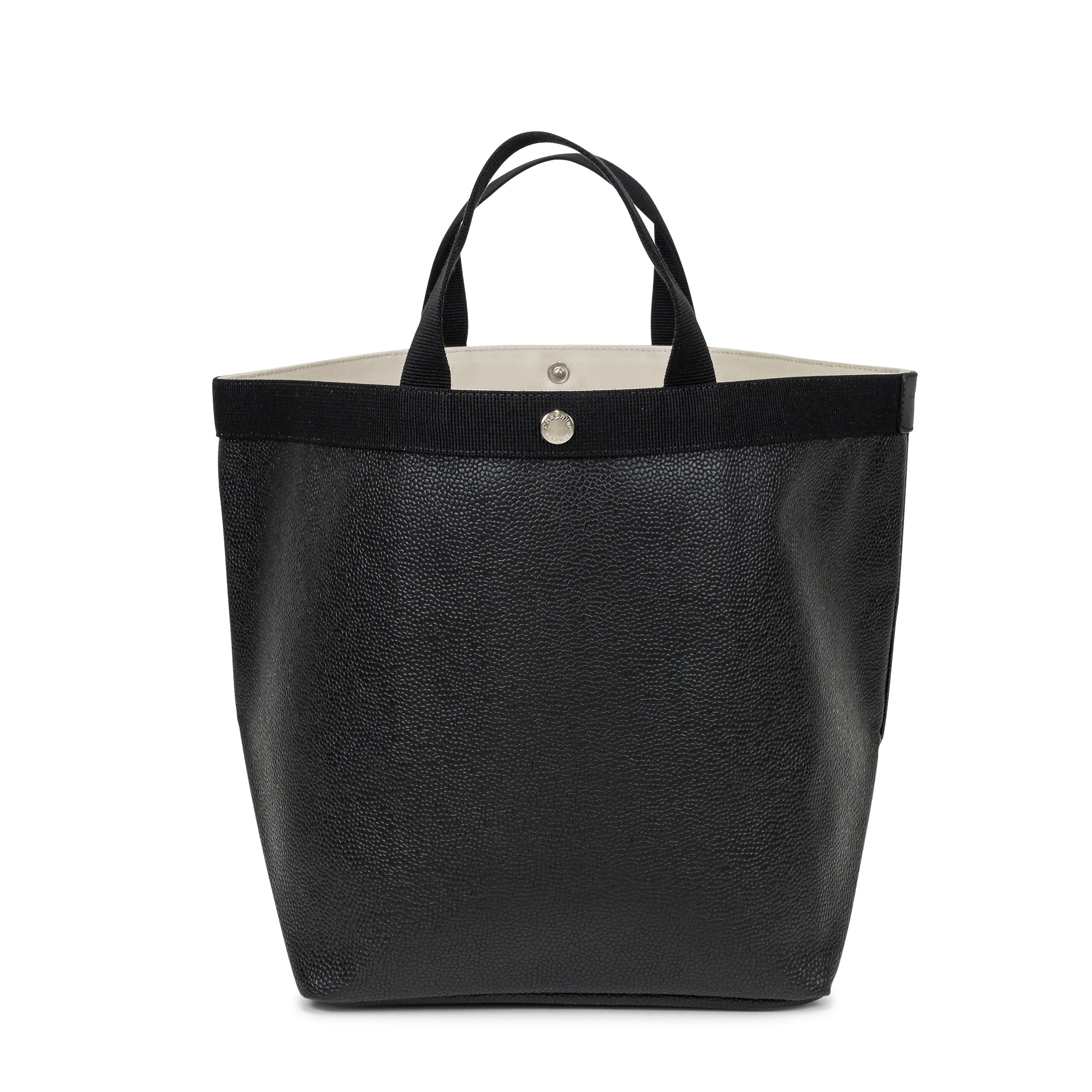
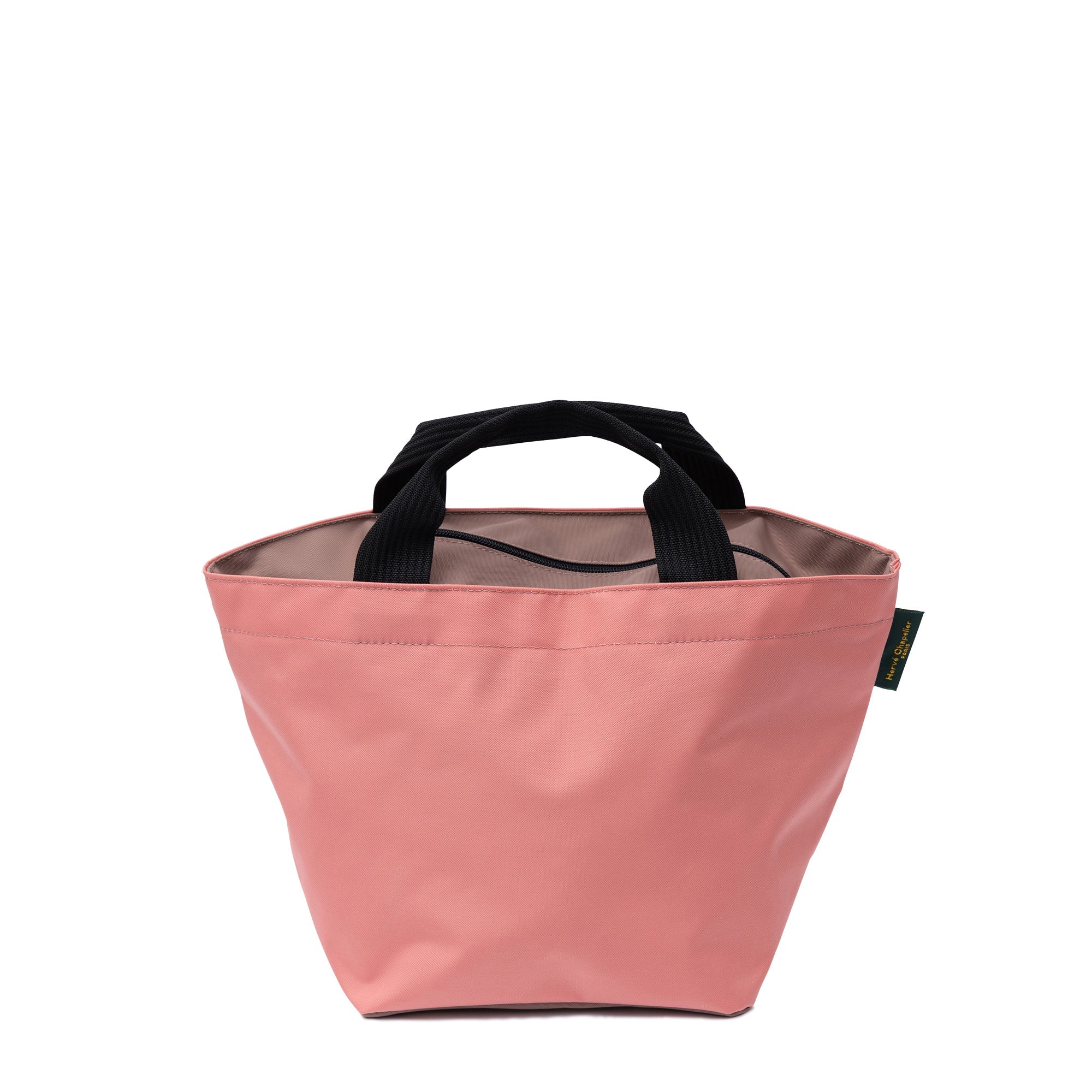
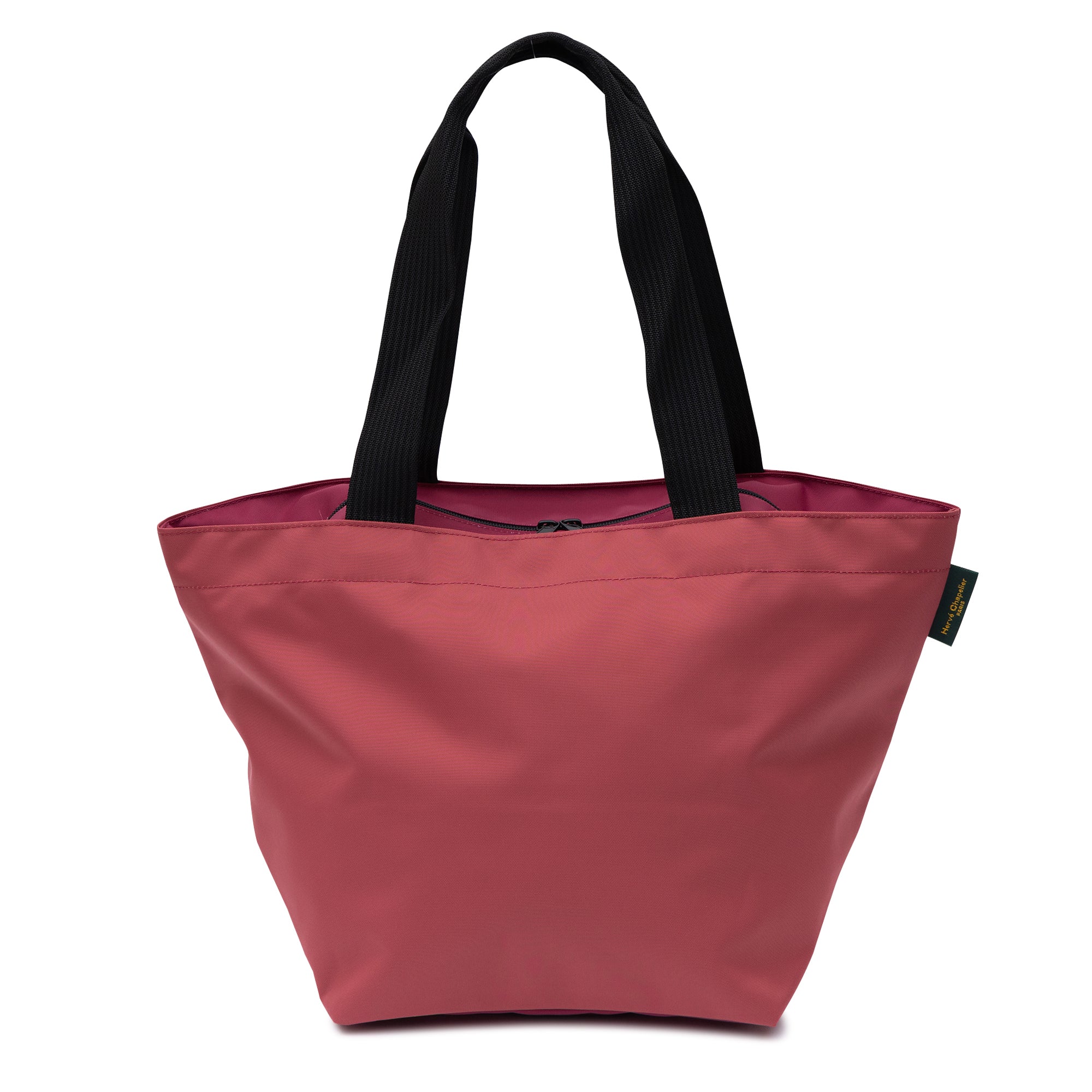
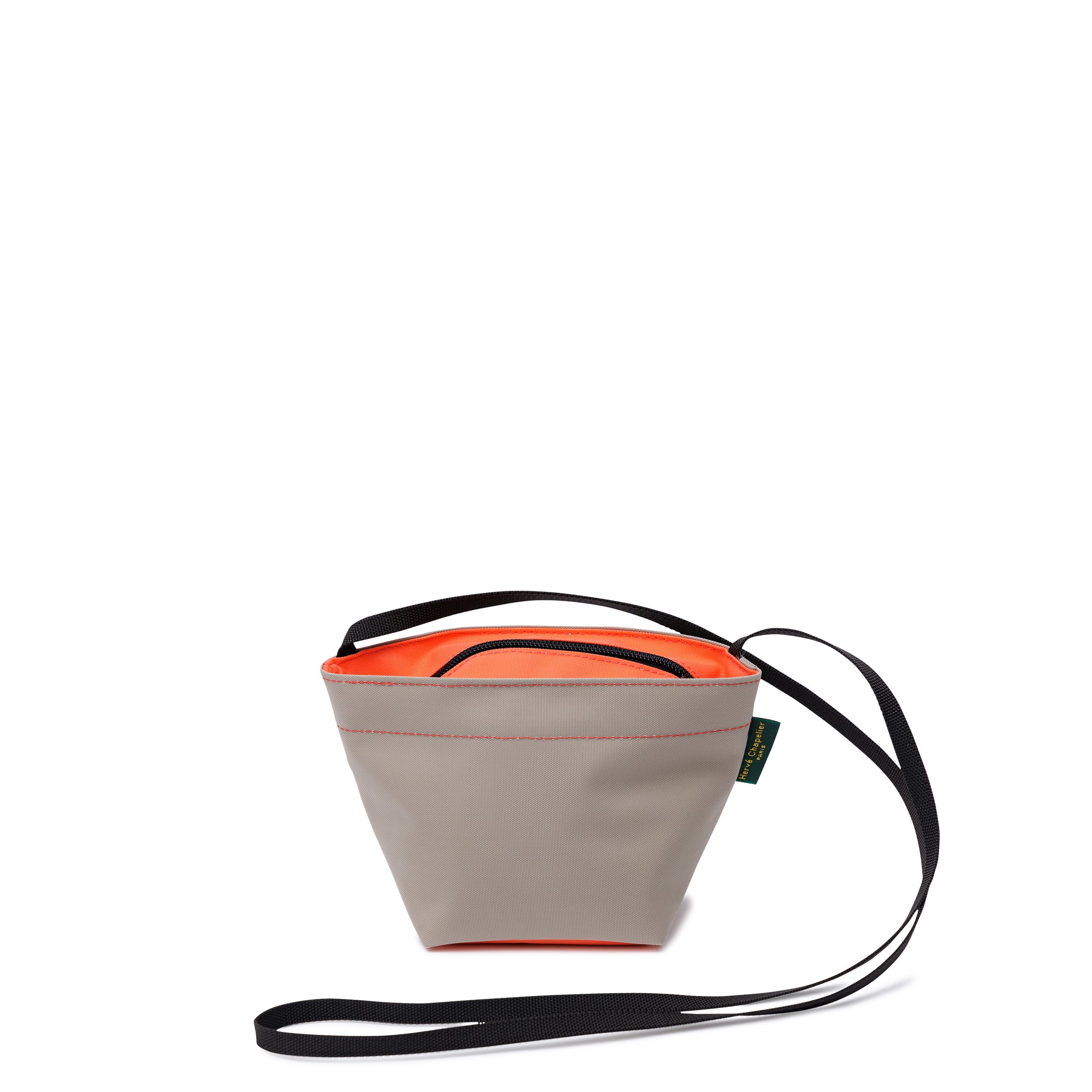
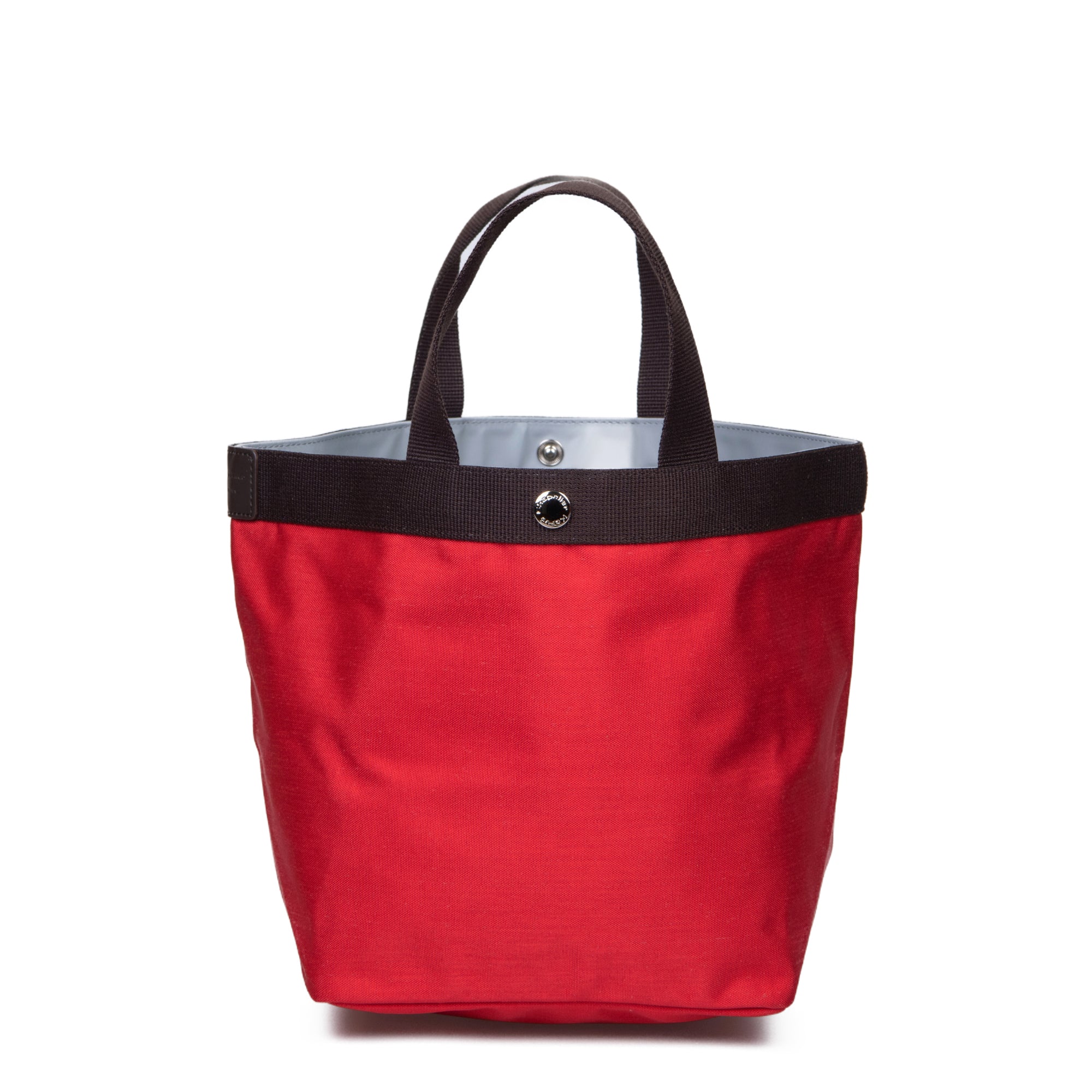
The refined French tote — a duffel concept reimagined in cotton, beloved from Tokyo to Milan.

Herve Chapelier
Re-checked daily
Hervé Chapelier is the Parisian accessories house that began when its namesake, after graduating in France, moved to Los Angeles and made artisanal handbags to earn money — then returned home and founded the company in 1976.

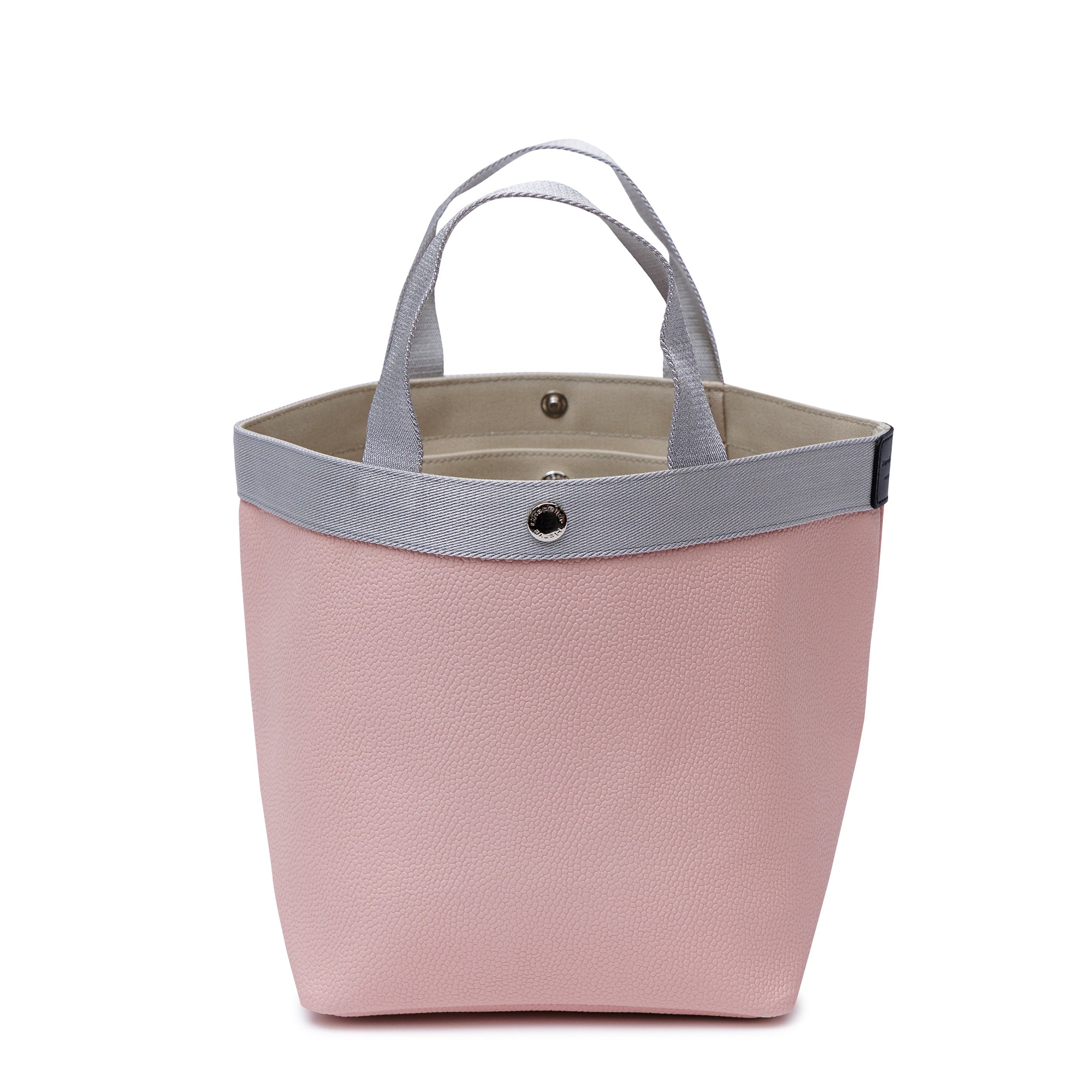
The signature is a refined appropriation of the duffel-bag idea into cabas totes. After the colourful backpacks that filled French high schools in the 1980s, the 1990s brought the travel tote known as the '925', which became a classic. Since 2003 the bags have been made of cotton fabric, where nylon was used before.

Its strongest markets sit far from Paris: Japan first, then Italy. The brand opened its first US store in the Royal Hawaiian Center in 2018, and in 2005 a French court found Galeries Lafayette guilty of copying its bags.
Herve Chapelier shopping FAQ

Is a Herve Chapelier tote worth it?+

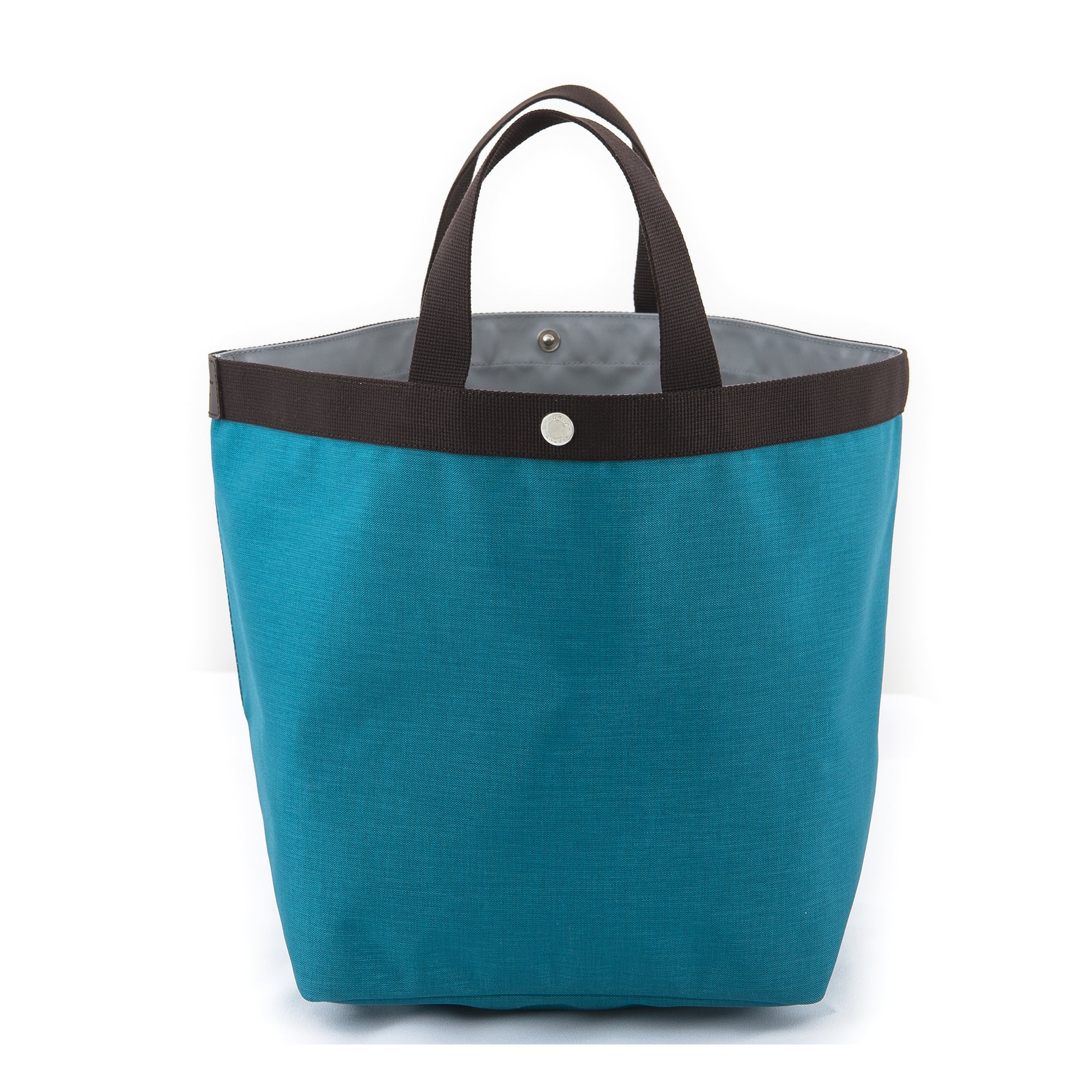
For an understated, hard-wearing everyday bag, fans say yes. The appeal is a refined, lightweight tote in two-tone colour combinations that carries plenty without looking bulky. It's a quieter, more under-the-radar choice than the obvious French totes, which is exactly why its devotees prize it.

Is Herve Chapelier good quality?+

The brand is built on durable, longwearing bags, and owners frequently describe them as near-indestructible over years of use. The construction nods to a refined take on the duffel bag concept — Chapelier's signature is the appropriation of that design into clean cabas (tote) shapes. Treated as an everyday workhorse, it tends to hold up very well.

How does Herve Chapelier compare to the Longchamp Le Pliage?+

They're often mentioned together as French totes, and Hervé Chapelier even launched a travel tote in the 1990s — the classic 925 — described as similar to Longchamp's Le Pliage. Both are lightweight and travel-friendly; the Chapelier reads as more casual and is the lower-profile, less ubiquitous of the two. Your pick often comes down to whether you want the recognisable name or the quieter one.

What is the Herve Chapelier 925 tote?+

The 925 is the brand's classic travel tote, launched in the 1990s and described as similar to Longchamp's Le Pliage. It became an enduring staple of the range, and it's the piece most associated with Hervé Chapelier's reputation for practical, packable totes.

Are Herve Chapelier bags made of nylon or cotton?+

Both, depending on the era. Nylon was used originally, but since 2003 Hervé Chapelier bags have been made of cotton fabric. So a current bag is cotton, while older pieces you find secondhand may be the earlier nylon construction.

Who founded Herve Chapelier and when?+

The French accessories company was founded by its namesake, Hervé Chapelier, in 1976. After graduating in France he had moved to Los Angeles and made artisanal handbags to earn money; as the business grew he returned to France to establish the company.

Where is Herve Chapelier based, and is it really French?+

Yes — Hervé Chapelier is a French fashion accessories company based in Paris, specialising in handbags. Its roots and identity are firmly French, even though the founder's bag-making started during a stint in Los Angeles.

What does Herve Chapelier make besides totes?+

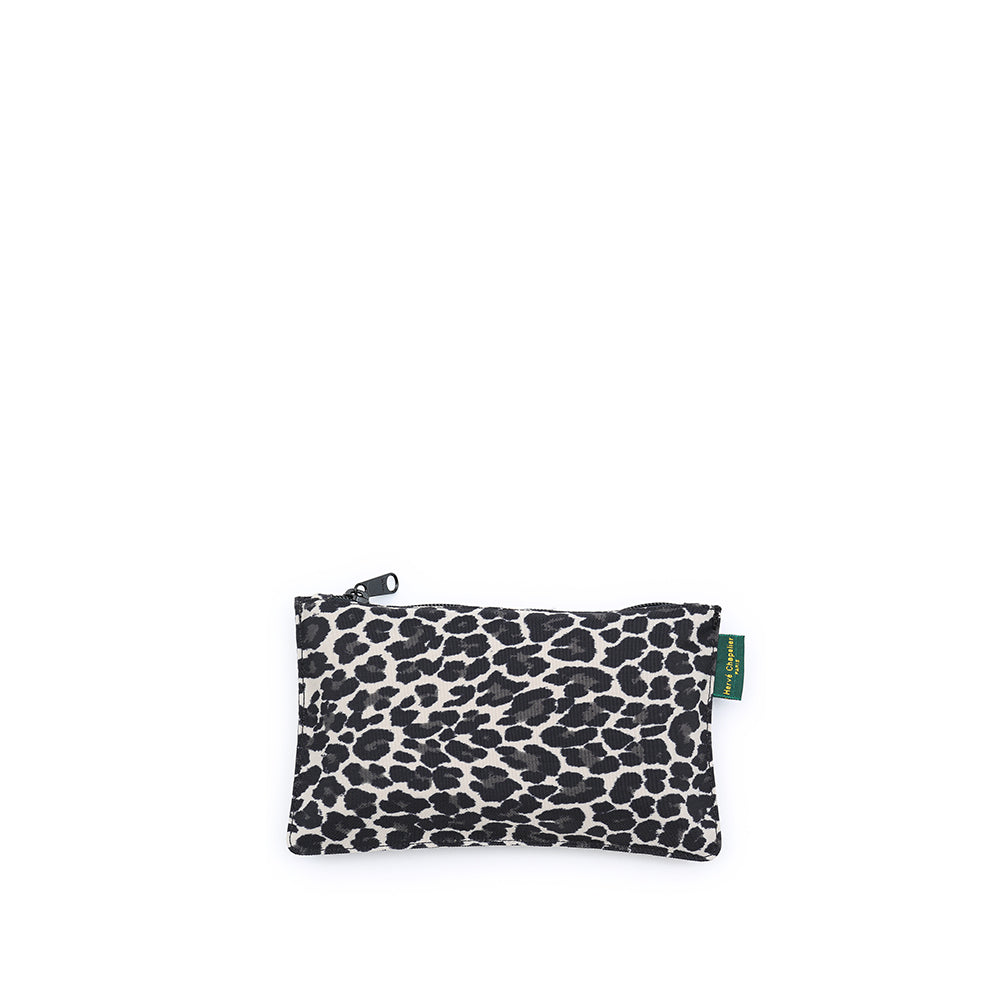
Alongside its signature tote bags, the brand sells handbags, wallets, briefcases and backpacks. In the 1980s Chapelier was known for ample, colourful backpacks and handbags that were a trend in French high schools, so the range has long extended beyond the totes it's best known for.

Which markets are most important to Herve Chapelier?+

The company's first market is Japan, followed by Italy. It opened its first US store in 2018 at the Royal Hawaiian Center, so the brand has a notably international following even though many shoppers outside those markets discover it by word of mouth.

Were Herve Chapelier's designs ever copied?+

Yes — and it was significant enough to reach the courts. In 2005 the Galeries Lafayette were found guilty of copying Chapelier's bags. It's a telling footnote on how distinctive and recognisable the brand's tote silhouette had become.