Is a Verdura piece worth it?+
Verdura works the way it has since 1939: present-day pieces are produced from designs Duke Fulco di Verdura created during his lifetime, alongside vintage estate pieces, using many of the same jewelers Fulco used. If you value that continuity of craft and design over sheer carat count, the value is in the authorship. Treat it as a wearable piece of mid-century jewelry history rather than a commodity stone.
Why is the Verdura Maltese Cross Cuff so expensive?+
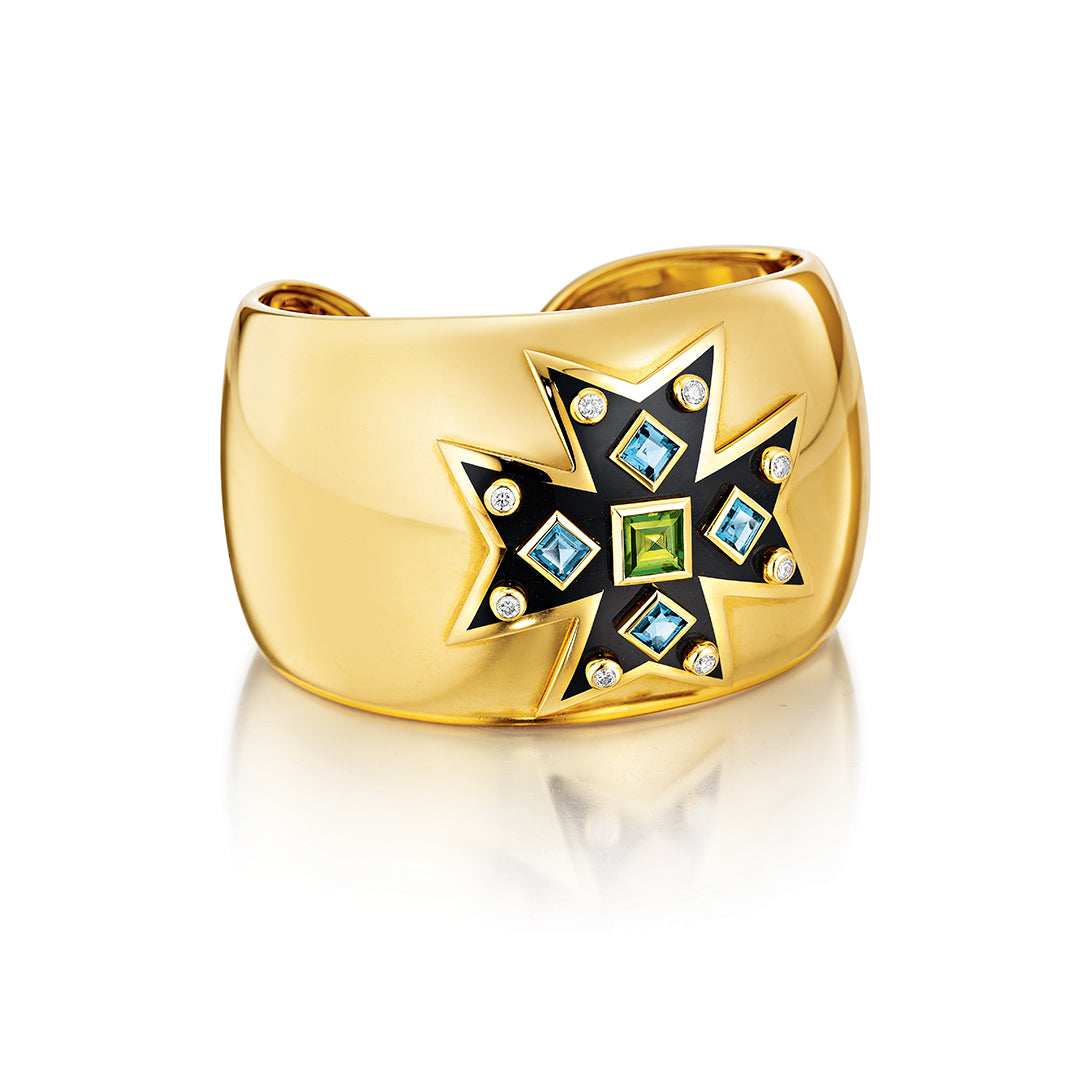
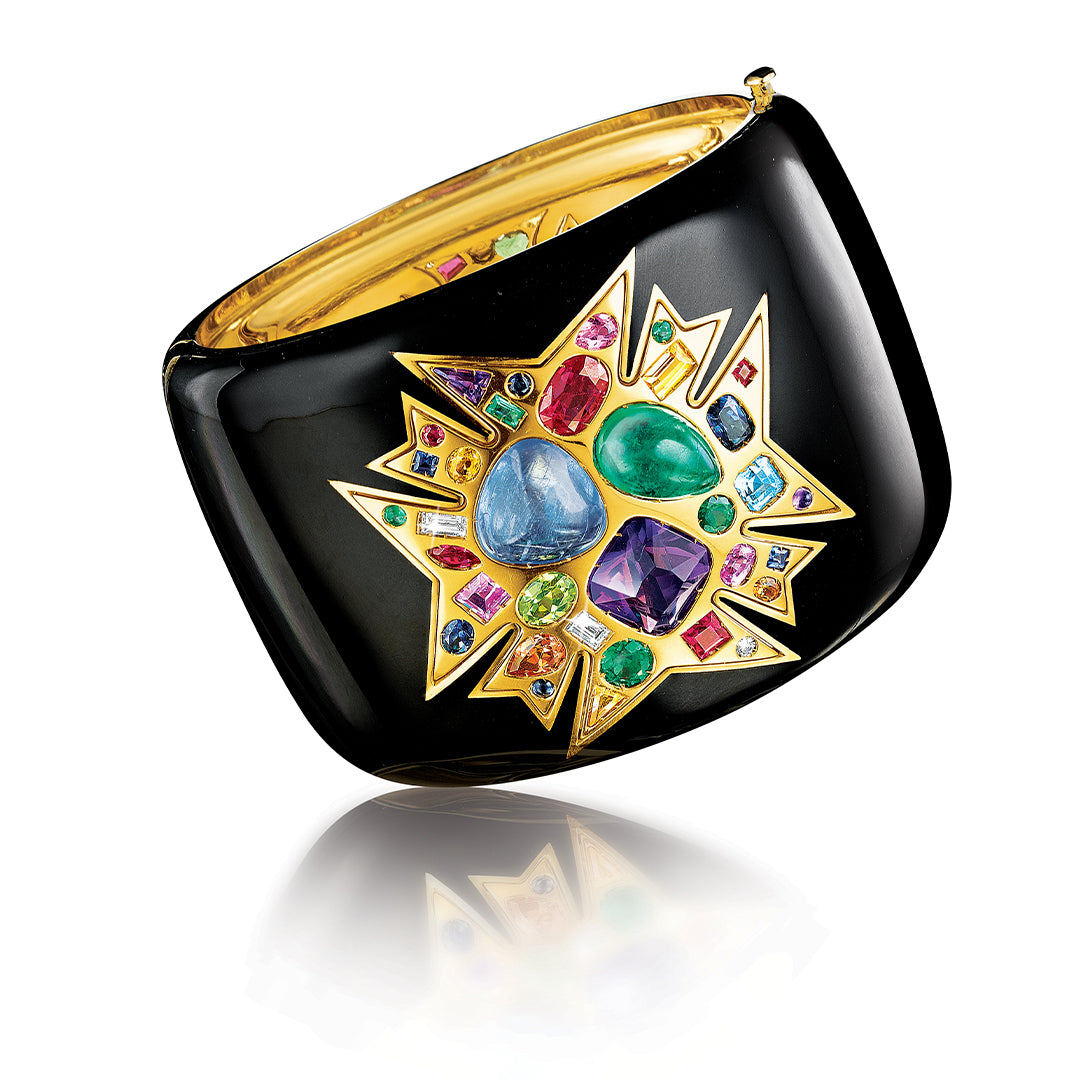
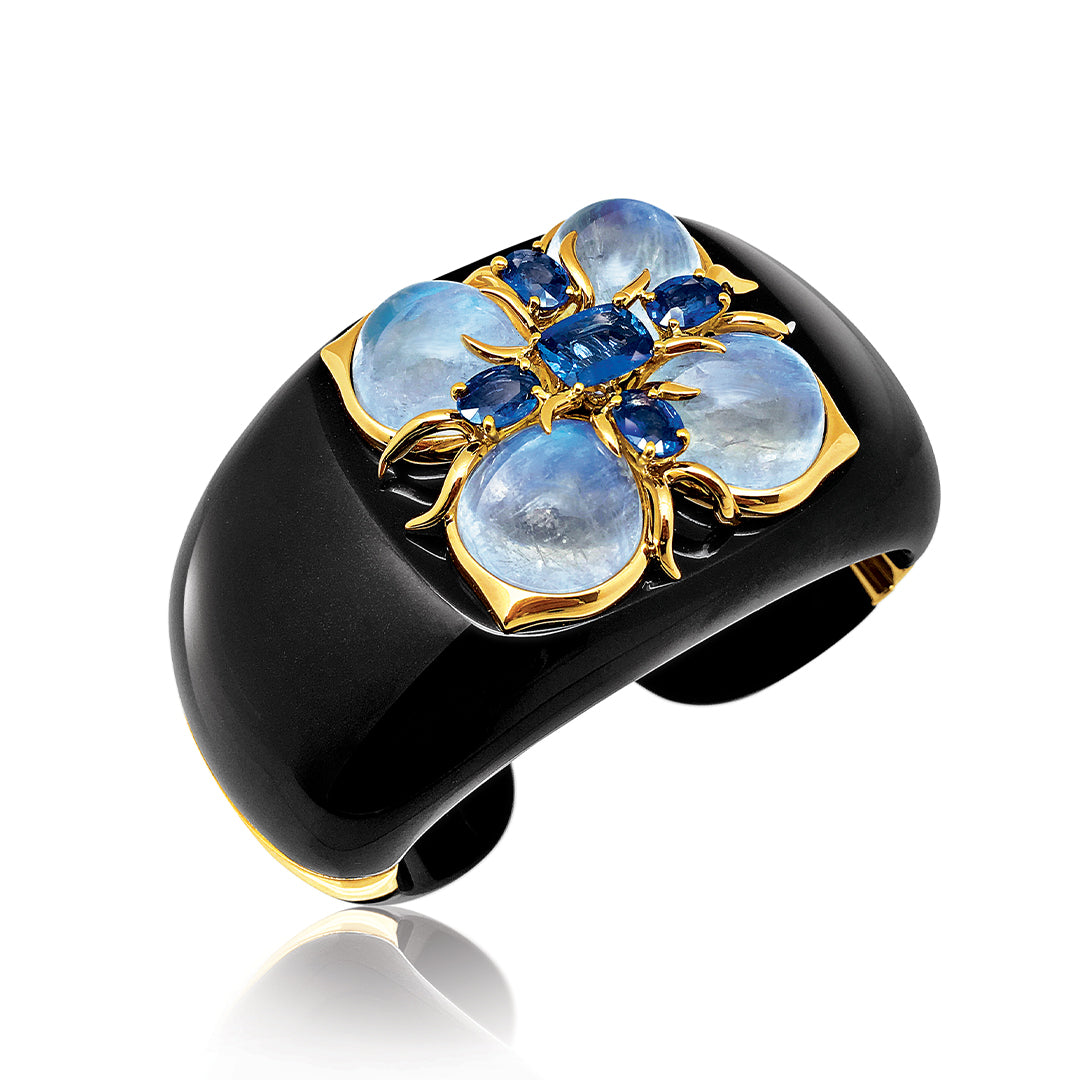
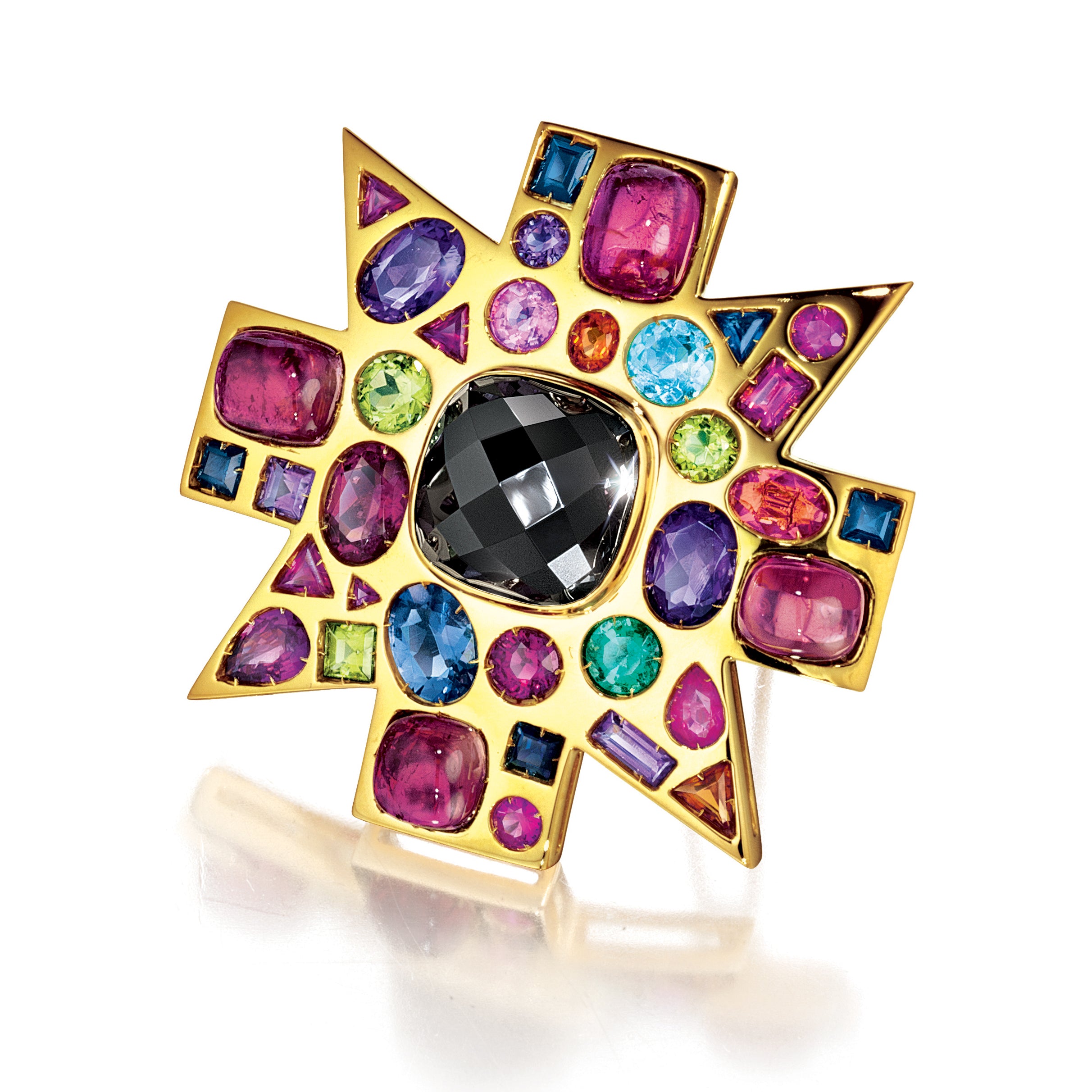
The cuff carries an origin story money can't manufacture. In the 1930s Coco Chanel asked Fulco to remount jewelry given to her by ex-lovers, and the resulting Maltese Cross Cuff became a signature look for both Chanel and the house of Verdura. In 2009 Verdura recreated 70 of them based on Fulco's original design for Chanel, so you are paying for a documented design lineage, not just gold and gemstones.
Which Verdura piece should be my first?+
Two designs anchor the house: the Maltese Cross Cuff and the Night and Day cufflinks Fulco designed for Cole Porter in 1941, inspired by the lyrics of Porter's hit song and considered signature Verdura pieces. The cufflinks are a quieter, more wearable entry point; the cuff is the statement. Start with whichever speaks to how often you'd actually wear it.
What is Verdura best known for in its designs?+
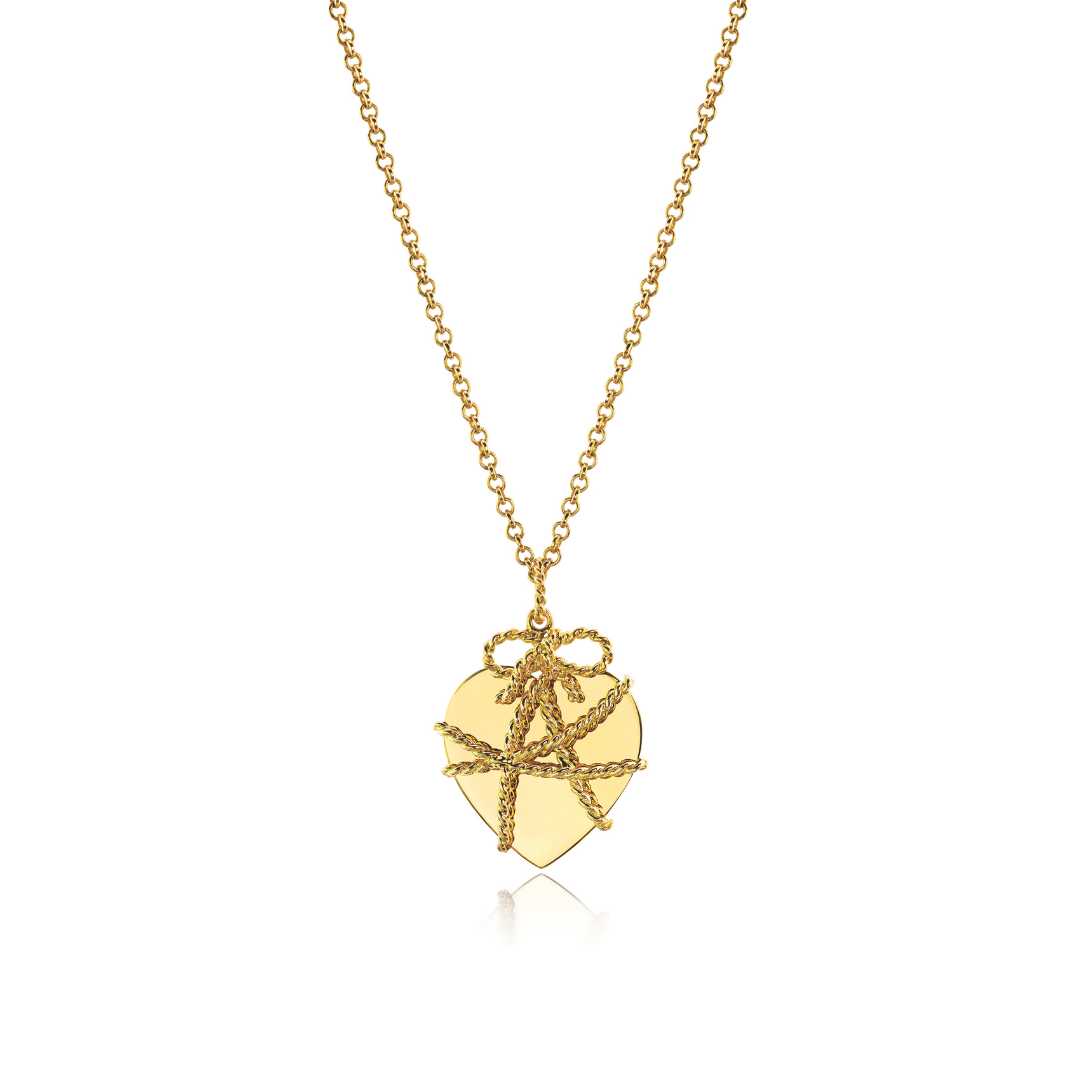
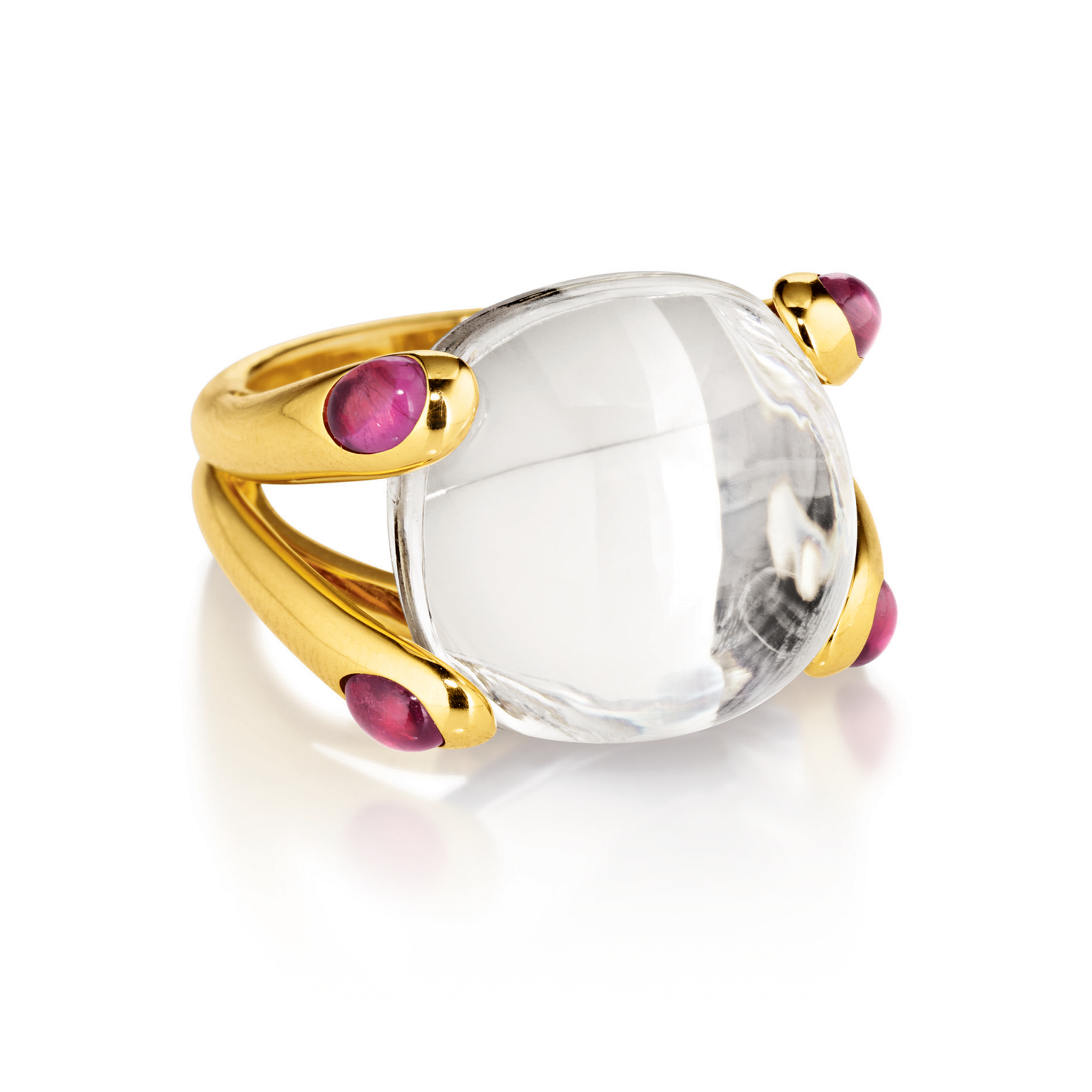
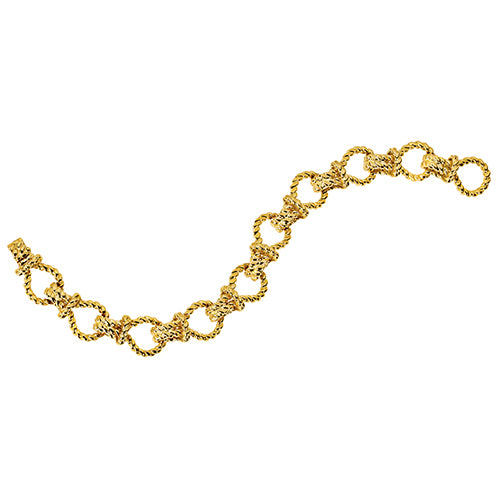
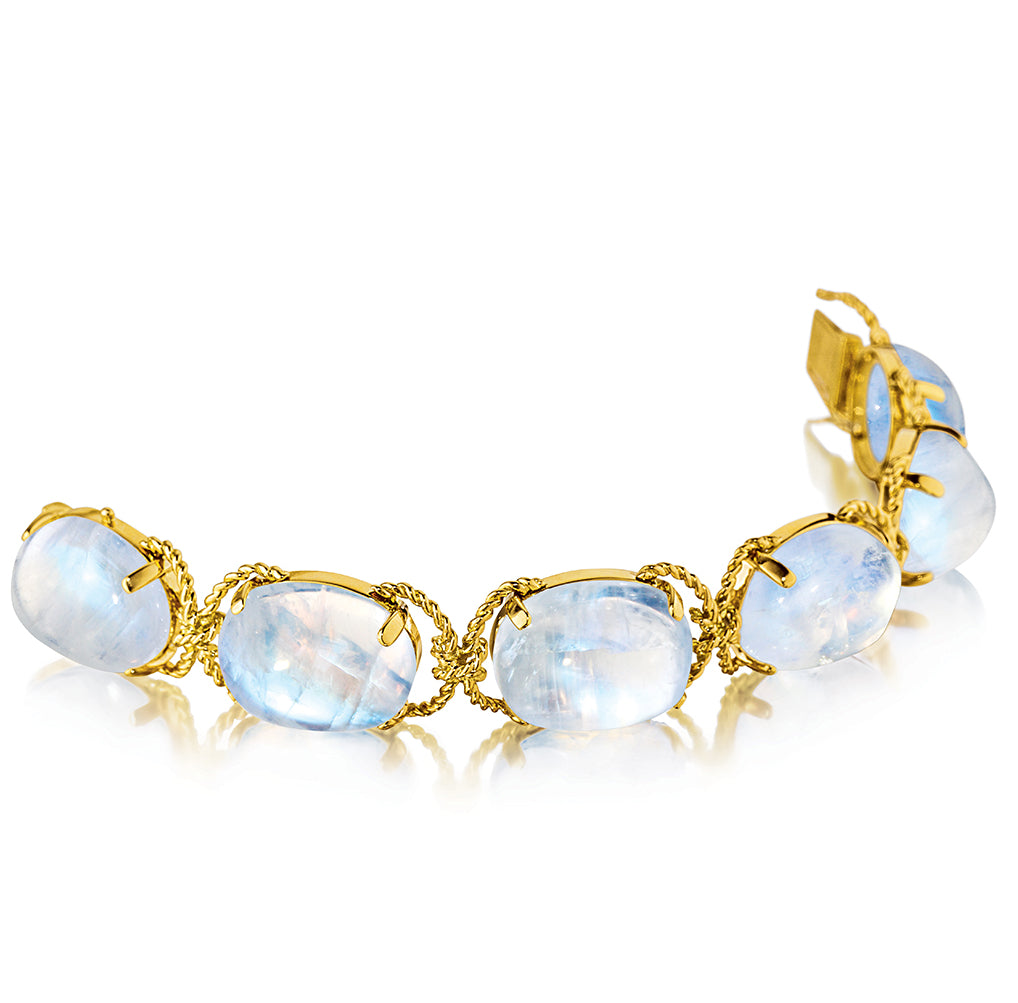
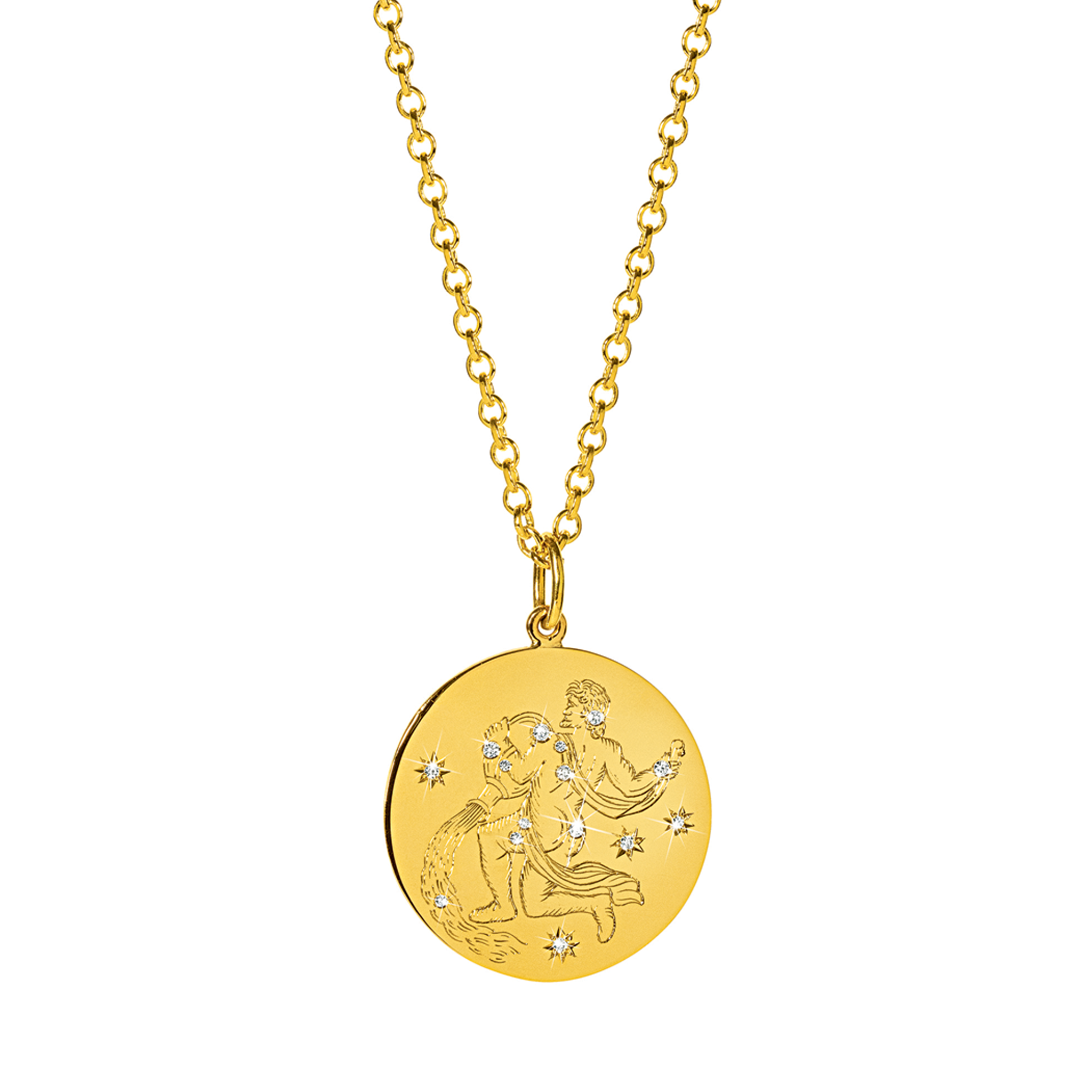
Verdura is best known for large gemstones, yellow gold, and natural objects such as seashells. It was the first jeweler to promote the use of colored stones with gold for everyday wear, and the first to transform classical motifs like coins, ropes, and caning into popular jewelry. That bold, color-forward approach is what separates a Verdura piece from a conventional diamond-led design.
How do I tell a genuine Verdura from a copy?+
Provenance is everything here. The present-day house produces jewelry from Fulco's own designs and vintage estate pieces, so a credible piece should trace back either to the house itself or to a reputable auction or estate channel with documentation. Because Verdura turns up regularly at major auction houses, buying through one of those vetted routes is the safest way to confirm what you're holding.
Does Verdura hold its value for resale?+
Verdura's designs are sought after on the secondary and estate market, which is itself a signal of lasting desirability. The pieces most associated with the house, like the Maltese Cross Cuff and Byzantine-inspired motifs, tend to attract the keenest collector interest. As with any fine jewelry, condition, provenance and the specific design carry the value rather than any guarantee of appreciation.
Who founded Verdura and how did the house begin?+
Duke Fulco di Verdura founded the house in 1939, opening a small eponymous salon at 712 Fifth Avenue in New York. He got his start working for jewelers Coco Chanel and Paul Flato, and opened his own salon with the financial backing of Cole Porter and Vincent Astor. That Chanel-to-New-York path is the DNA of the brand.
Is Verdura a French or American house?+
It is American. Verdura is a fine jeweler and specialty retailer headquartered in New York, even though its founder trained in Paris under Coco Chanel before crossing the Atlantic. The European sensibility filtered through a New York salon is part of its particular flavor.
Who owns and runs Verdura today?+
Ward Landrigan, a former head of Sotheby's American jewelry department, bought the company in 1985 and set out to preserve the Verdura aesthetic, making jewelry the same way Fulco had. His son Nico Landrigan joined in 2003 and became President on September 1, 2009, the house's 70th anniversary. It remains a family-led custodian of Fulco's archive.
Did Verdura really collaborate with Salvador Dalí?+
Yes. In 1941 Fulco collaborated with Salvador Dalí on a collection of jewelry designs, the same year he created the Night and Day cufflinks for Cole Porter. That willingness to work across art and design is why Verdura sits as much in cultural history as in a jewelry box.
How is Verdura connected to Cole Porter?+
Closely. Cole Porter helped finance the original 1939 salon, and he and Linda Porter were long-time clients. Linda commissioned a specially made Verdura cigarette case to commemorate the opening of each of her husband's shows, including Around the World in Eighty Days and Kiss Me, Kate. Those commissions are part of what gives the house its theatrical, old-Hollywood aura.
Has Verdura influenced other jewelers?+
It has. Verdura's designs have inspired the work of jewelers including Angela Cummings, Kenneth Jay Lane, Paloma Picasso, Seaman Schepps, Jean Schlumberger, and David Webb. So when you buy Verdura, you're closer to the source of a whole school of bold, color-led American jewelry than to its imitators.