Are Atomic skis worth it, and which should I buy first?+
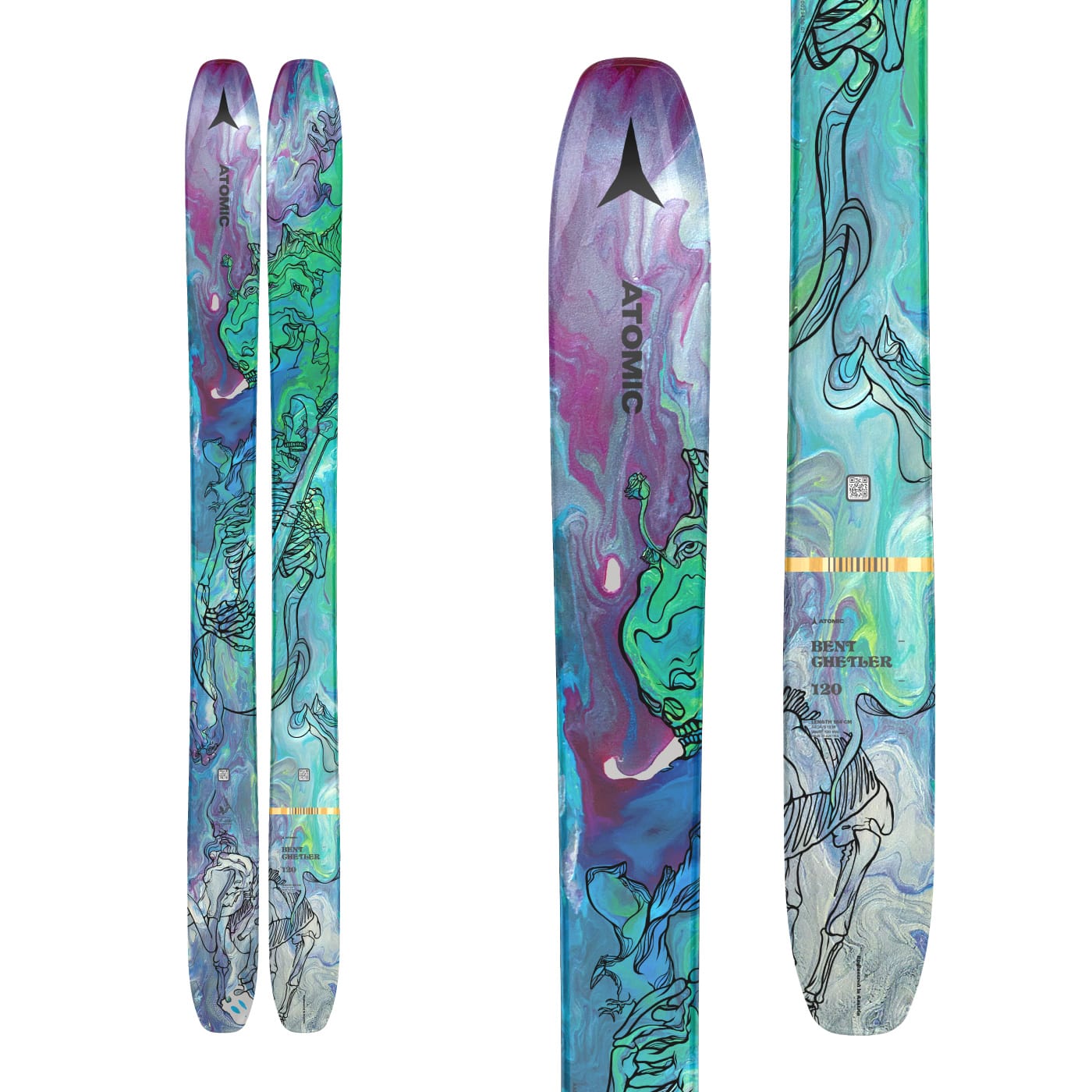
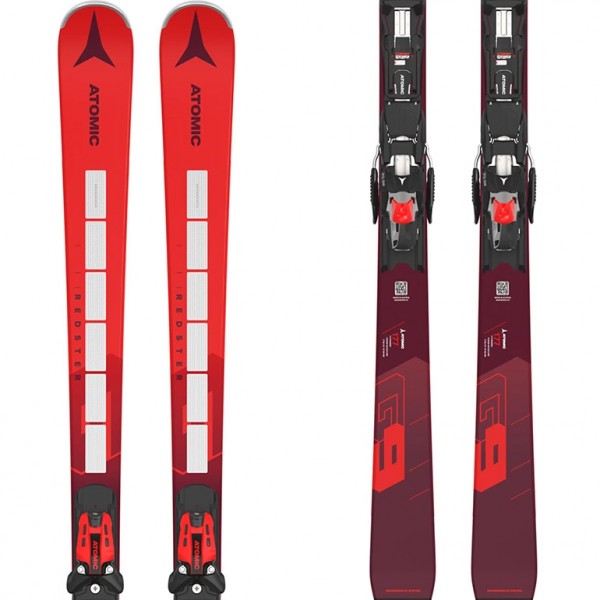
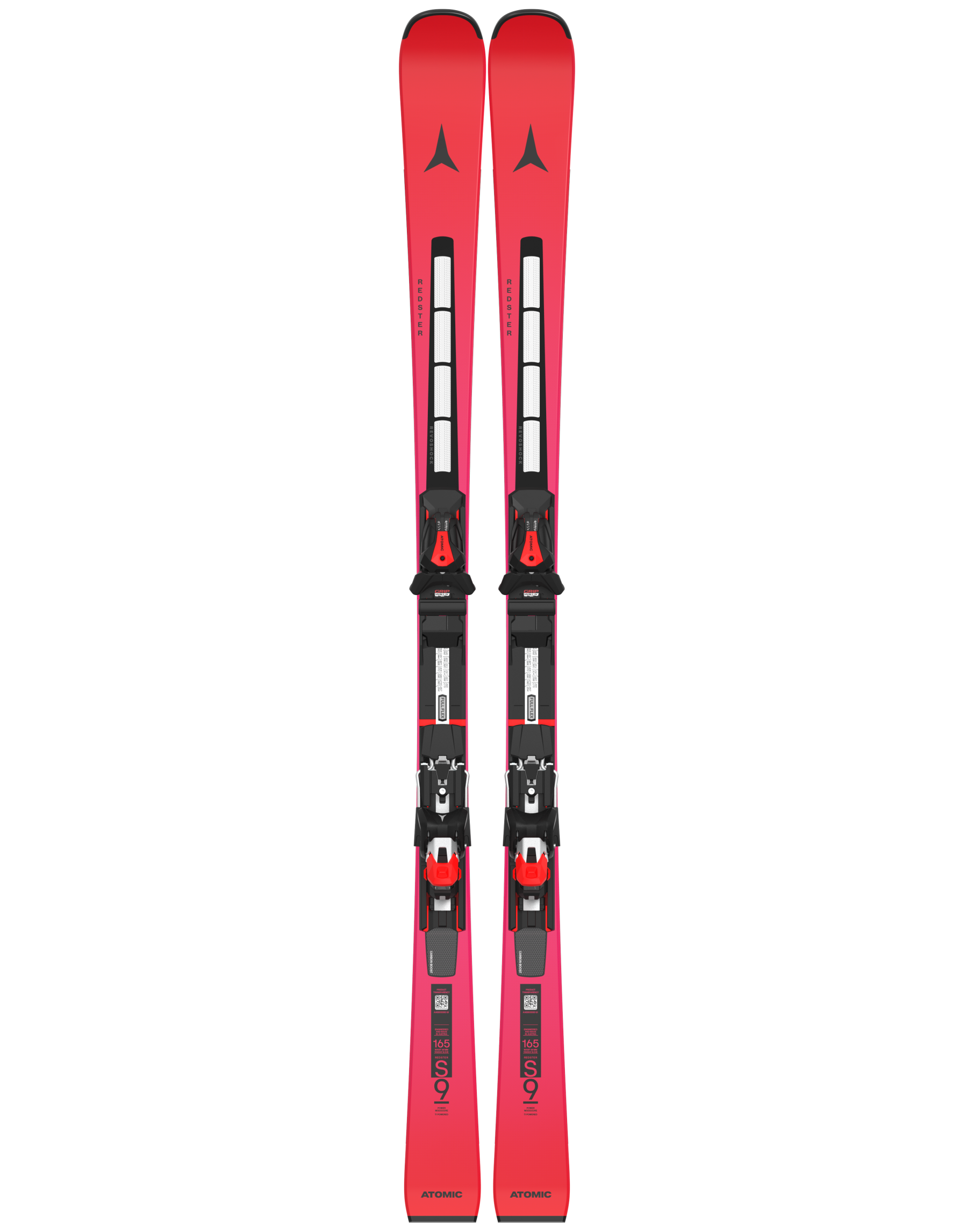
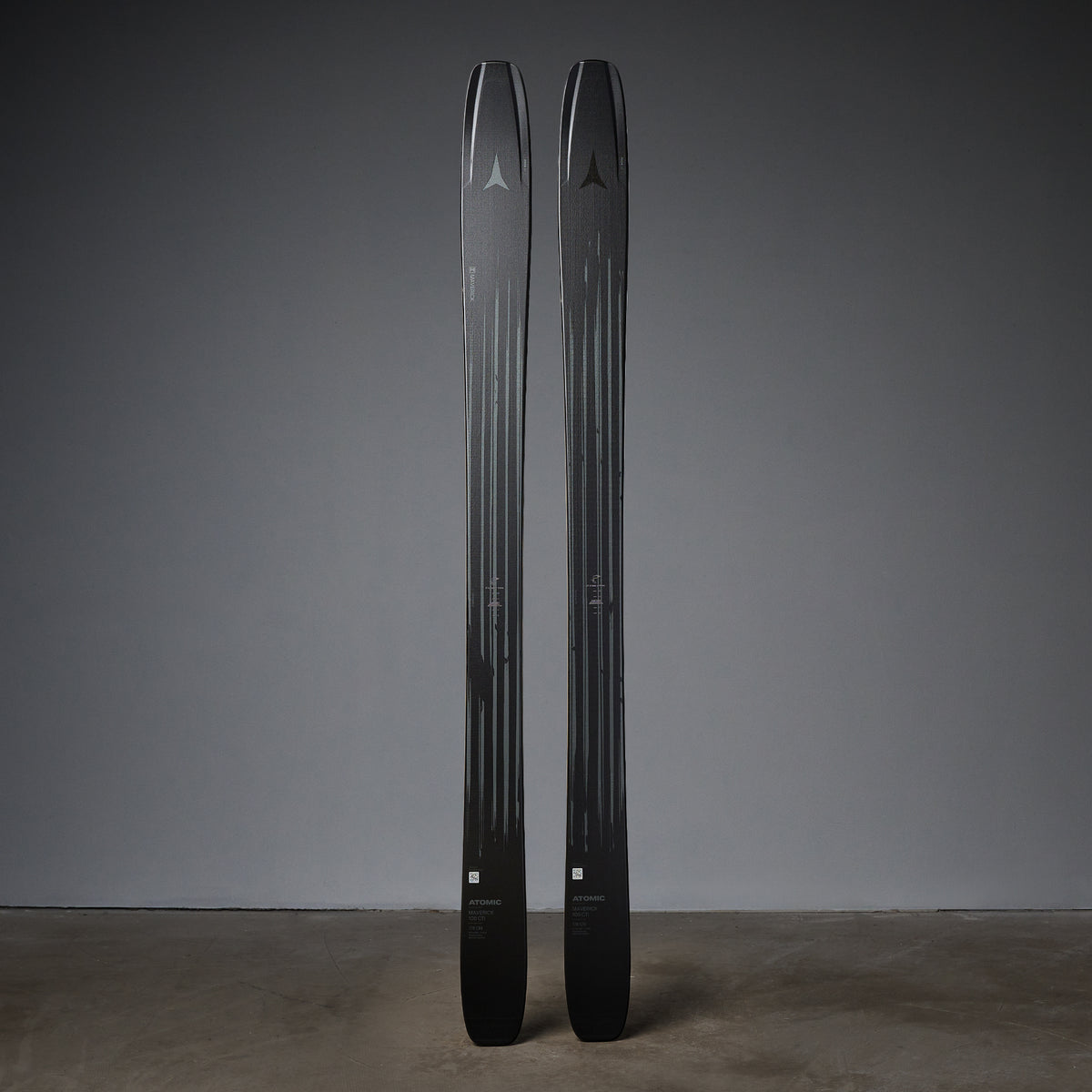
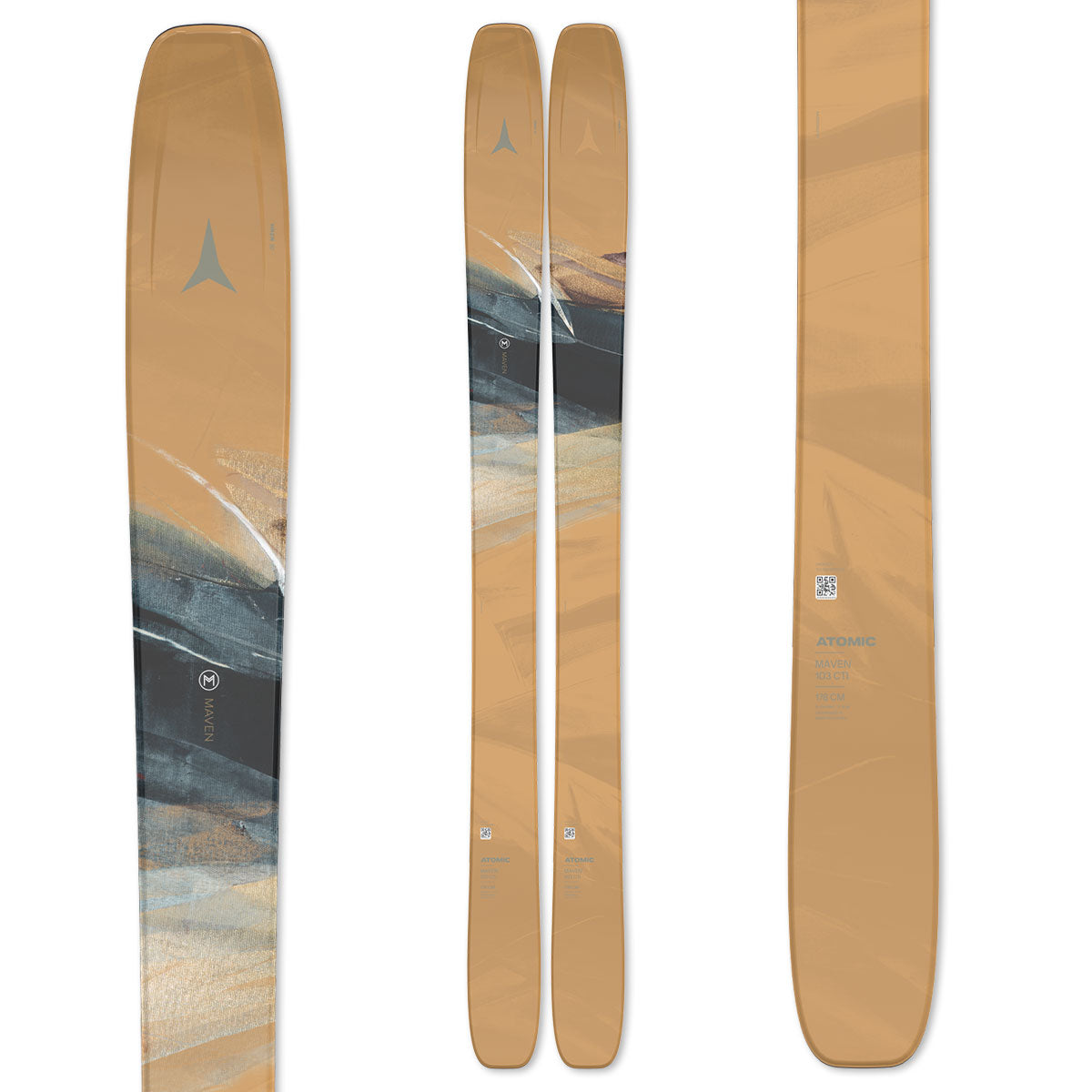
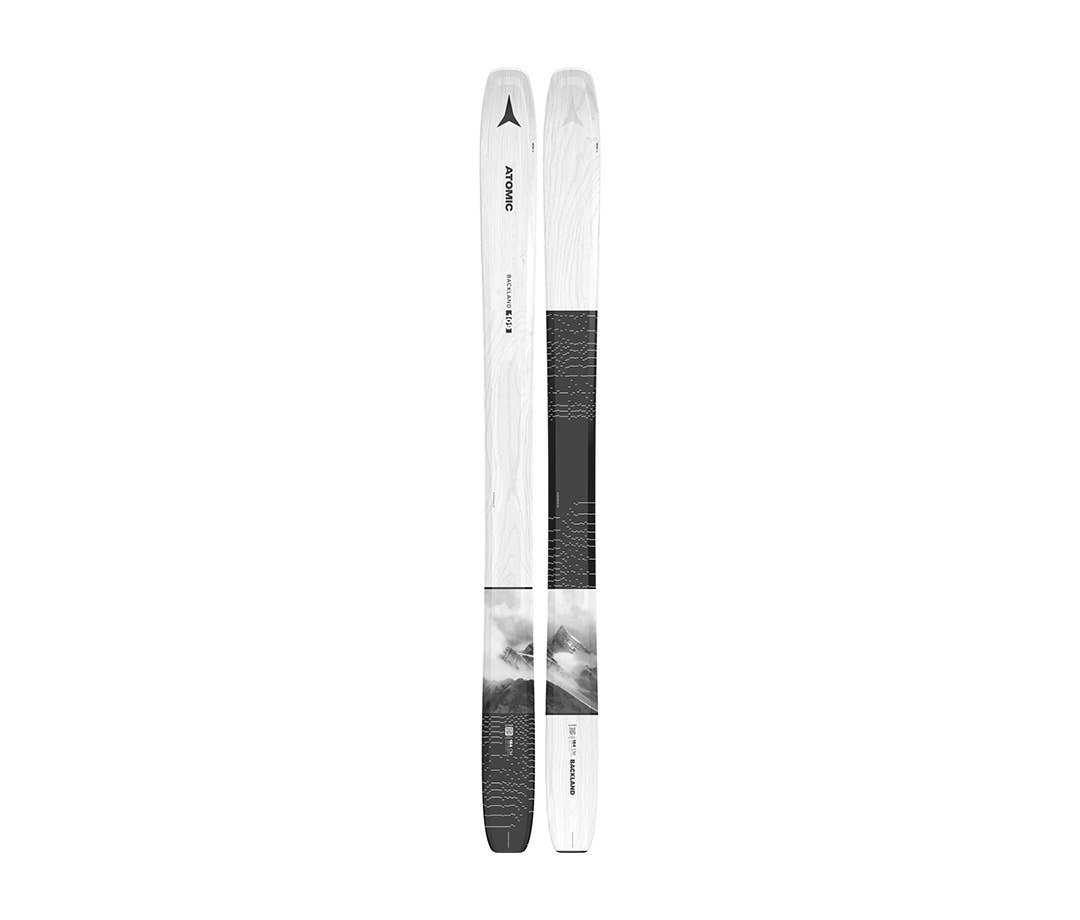
Atomic makes a full range of skiing gear for every level, from racing to all-mountain to backcountry touring, so the right pair depends on where and how you ski. Start by matching the ski to your terrain and ability rather than to the badge. Whenever possible, demo a model before buying, since fit and feel vary a lot across a line this broad.
Is Atomic a good ski brand?+
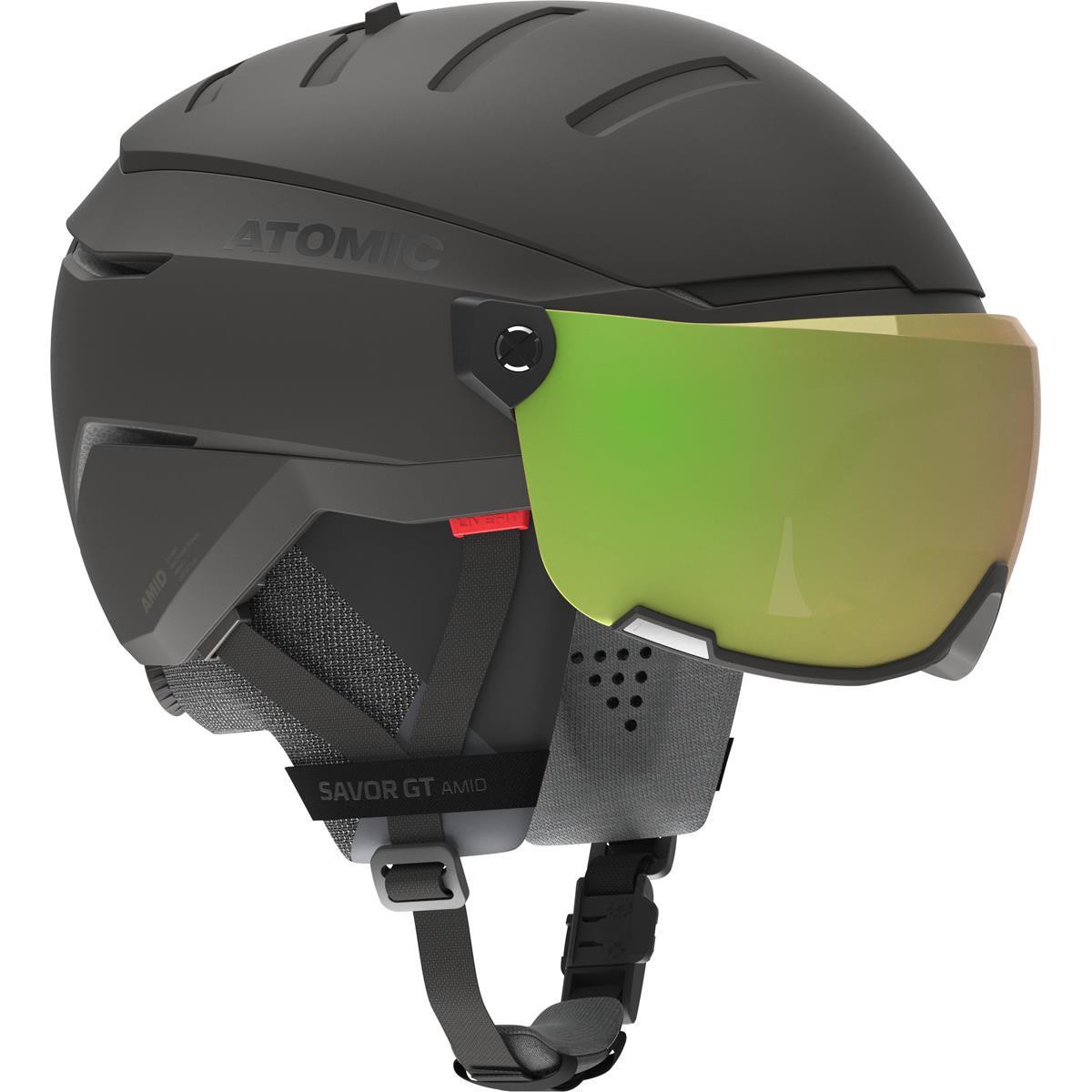
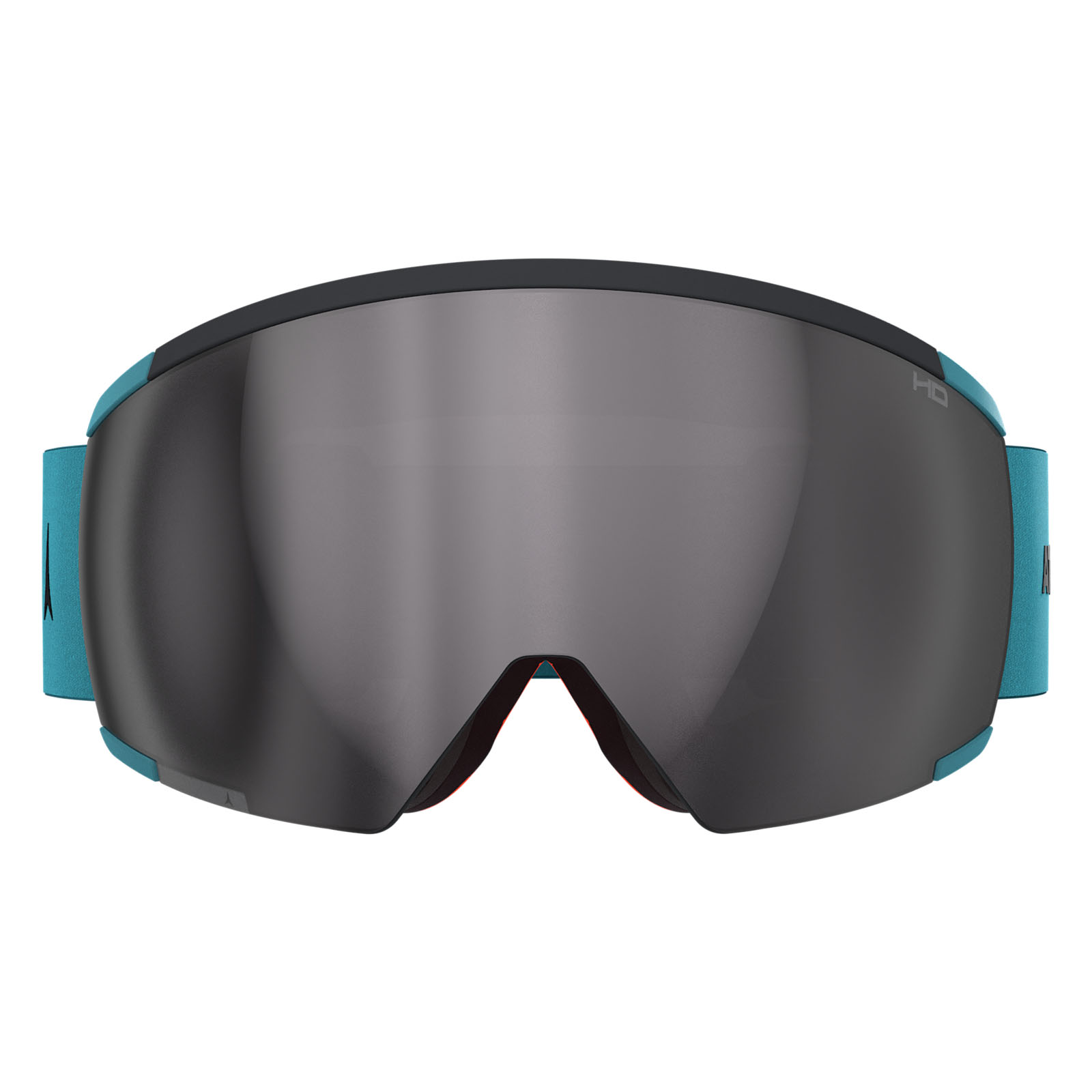
Atomic is one of skiing's established names, an Austrian company headquartered in Salzburg that makes skis, boots, bindings, helmets, poles, goggles and more. In 1989 it became the first one-stop supplier of skis, bindings, boots and poles, a sign of how complete its kit is. That breadth, plus decades of racing pedigree, is a big part of its reputation.
How does Atomic compare to Salomon and Rossignol?+
All three are major alpine names, and interestingly Atomic and Salomon share a corporate parent in Amer Sports, the Finnish group that also oversees Arc'teryx, Suunto, Precor and Wilson. Atomic is the Austrian, Salzburg-rooted member of that family with deep racing heritage. The best pick still comes down to the specific model and how it suits your style.
Where are Atomic skis made?+
The majority of Atomic's ski production still takes place at its factory in Altenmarkt im Pongau, Austria, which the company built in 1971 to expand capacity. In 1981 Atomic also opened a plant in Chepelare, Bulgaria, becoming the first west-bloc company to set up production in the eastern bloc.
Who founded Atomic and when?+
Alois Rohrmoser founded Atomic in 1955 in Austria. The company grew rapidly, peaking at 831,000 pairs of skis in 1991 and 1992. Today it produces around 600,000 pairs of skis per year.
Who owns Atomic now?+
Atomic is a subsidiary of Amer Sports, the Finnish retail conglomerate. The Amer group acquired Atomic in November 1994 for 918.7 million schillings, roughly 66.8 million euros. Amer also oversees brands including Arc'teryx, Salomon, Suunto, Precor and Wilson.
What technology makes Atomic skis and boots distinctive?+
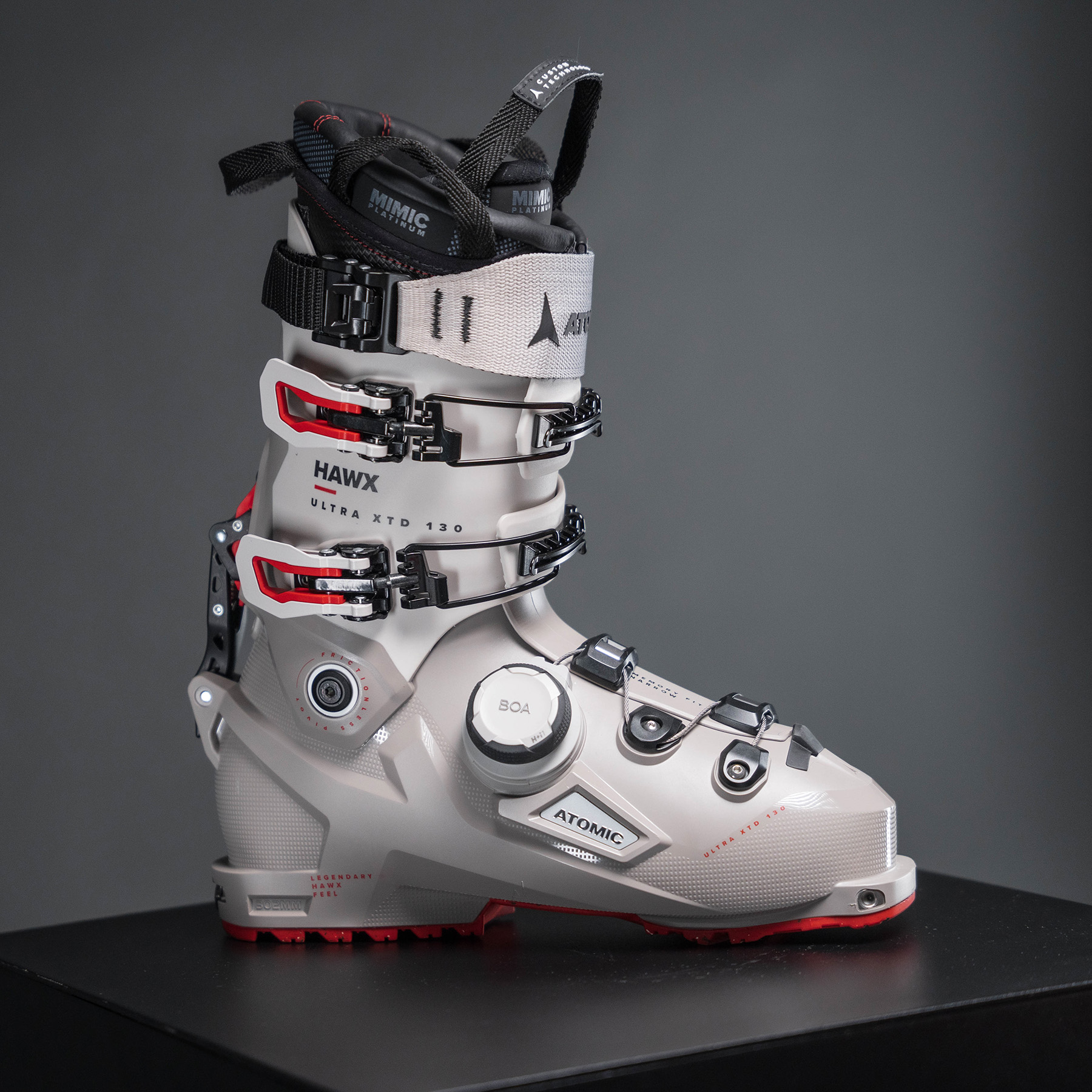
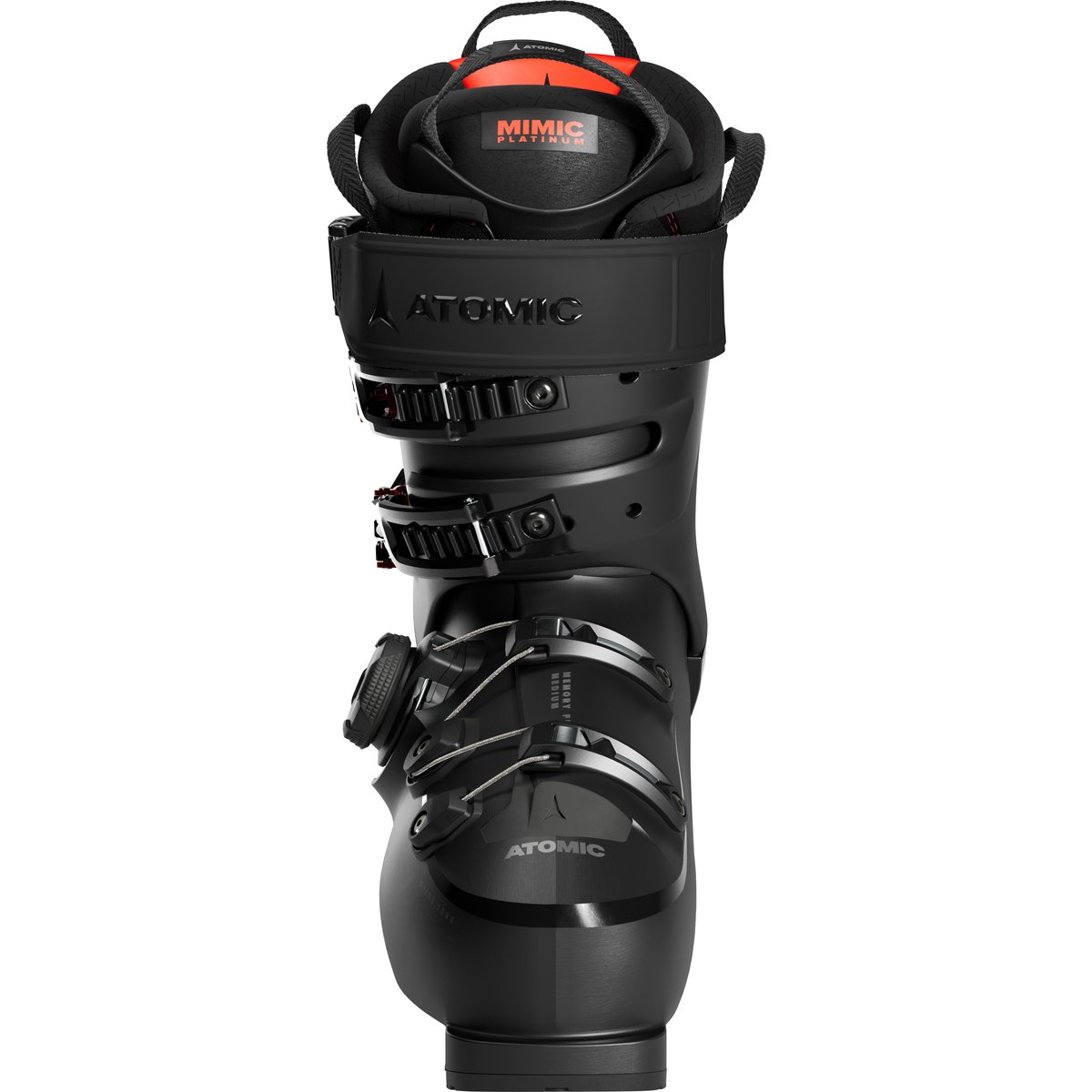
Atomic has introduced several signature innovations: Doubledeck in 2008, billed as the first technology to automatically adapt a ski's radius and flex to the skier and conditions, and LiveFit boots in 2009 that mould to the shape of the foot. It also developed Memory Fit, a heat-fitting technology that adapts the boot to your foot, found on two of the market's top-selling boots.
Does Atomic make sustainable or eco-friendly gear?+
Atomic has worked toward greener manufacturing, including running its Altenmarkt factory on a wood-pellet heating system during production. Its Renu line comprises skis and boots made largely of recyclable and renewable materials. These efforts sit alongside its mainstream alpine range.
What sports does Atomic make gear for?+
Beyond alpine skis, Atomic sponsors athletes across alpine skiing, freestyle skiing, touring skiing, Nordic combined, cross-country skiing and biathlon. Its catalogue spans skis, boots, bindings, helmets, ski poles, goggles, bags, apparel and protective equipment, so it can outfit a skier head to toe.
When is the best time to buy Atomic skis?+
Ski gear tends to be easiest to choose in person at a shop or demo day, so timing matters less than fit. Try to test a model on snow and have boots properly fitted before you commit, since Atomic's heat-moulding systems reward a good fitting. Buy when you have found the model and size that suit your terrain rather than rushing a purchase.