−57%
The oldest registered watch brand in the world — and the house that swore it would never make a quartz watch.
Real verified markdowns across Ashford — filter by category, retailer & price. Heart anything to track its price.
The house is defined by its purism: one of its slogans is "Blancpain has never made a quartz watch and never will," and it has never produced digital displays either. Where a giant like Rolex makes about 2,000 watches a day, Blancpain produces fewer than thirty — each made by a single watchmaker. It is best known for the Fifty Fathoms diving watch of 1953, worn by Jacques Cousteau and issued to combat divers, and for the 1735 Grande Complication.
Headquartered in Paudex/Le Brassus, Blancpain has been a subsidiary of the Swiss Swatch Group since 1992 and is run by Marc Hayek, grandson of Swatch founder Nicolas Hayek.
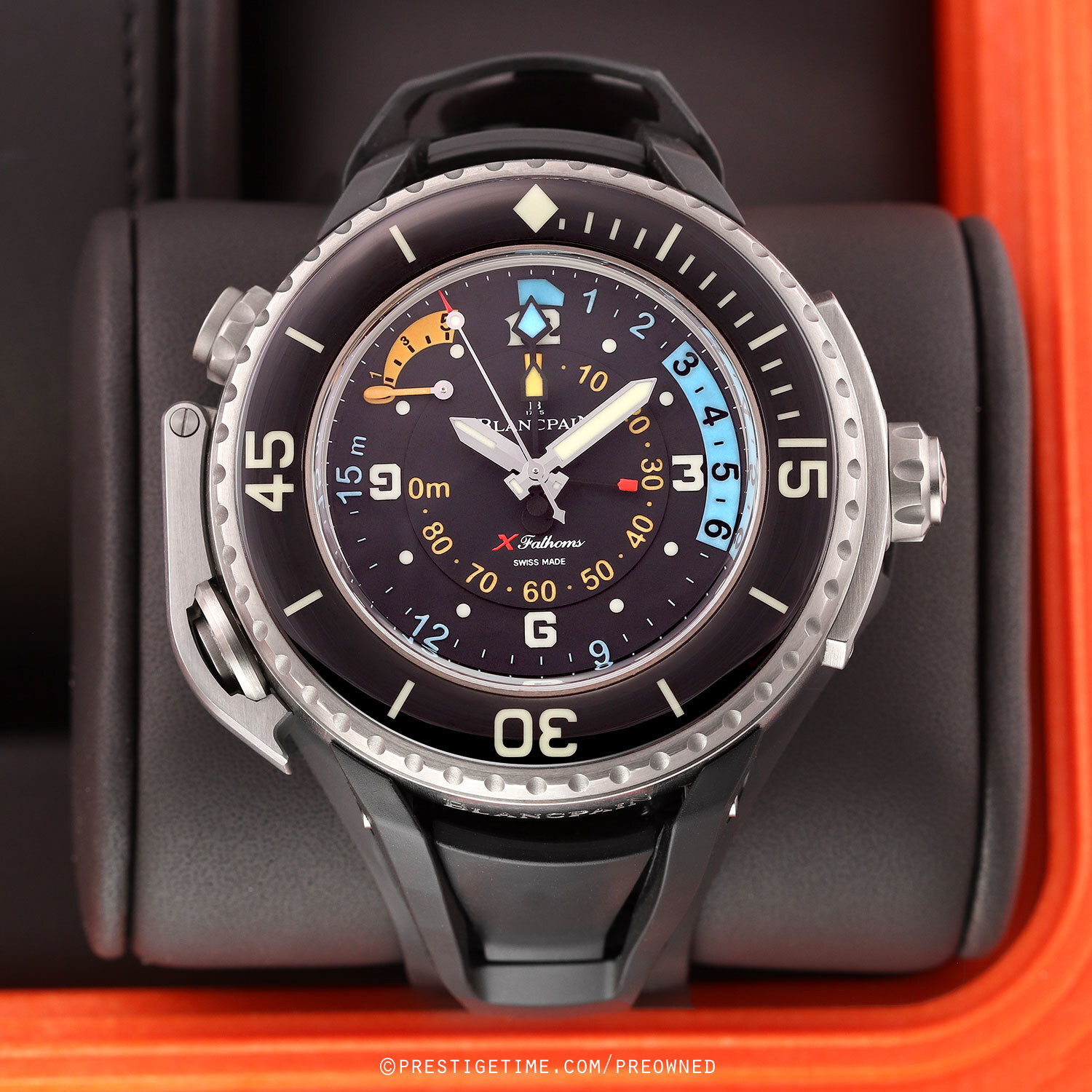
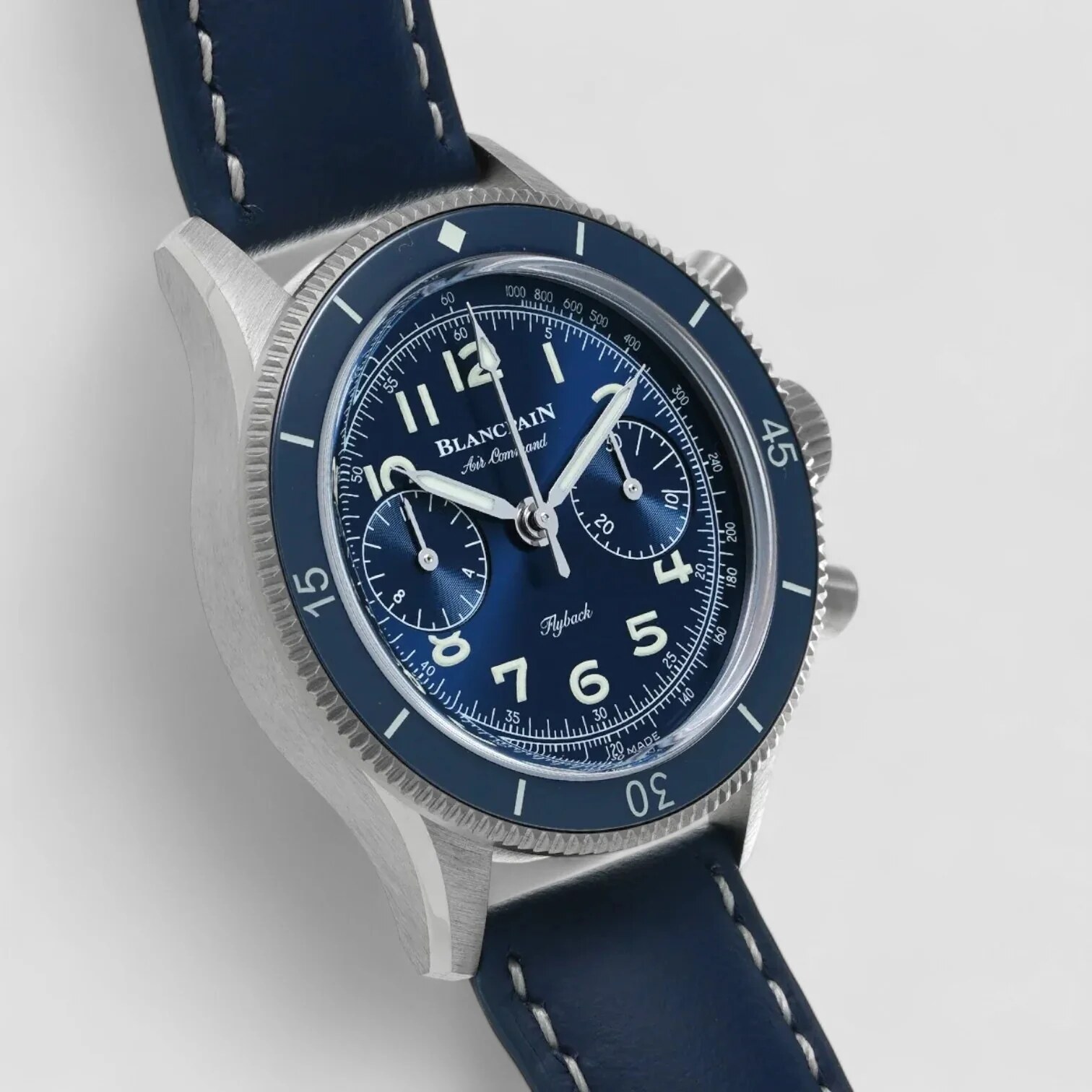
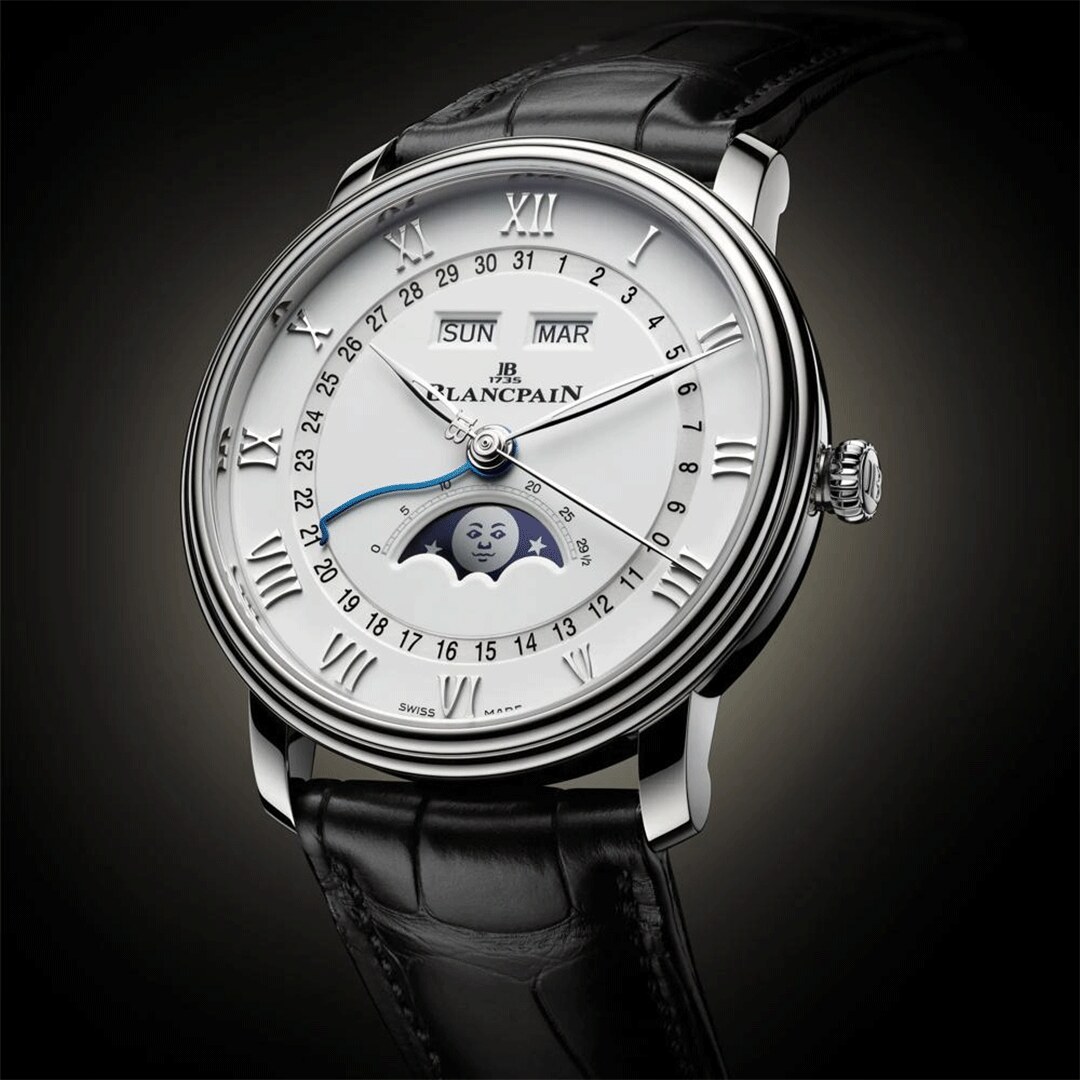
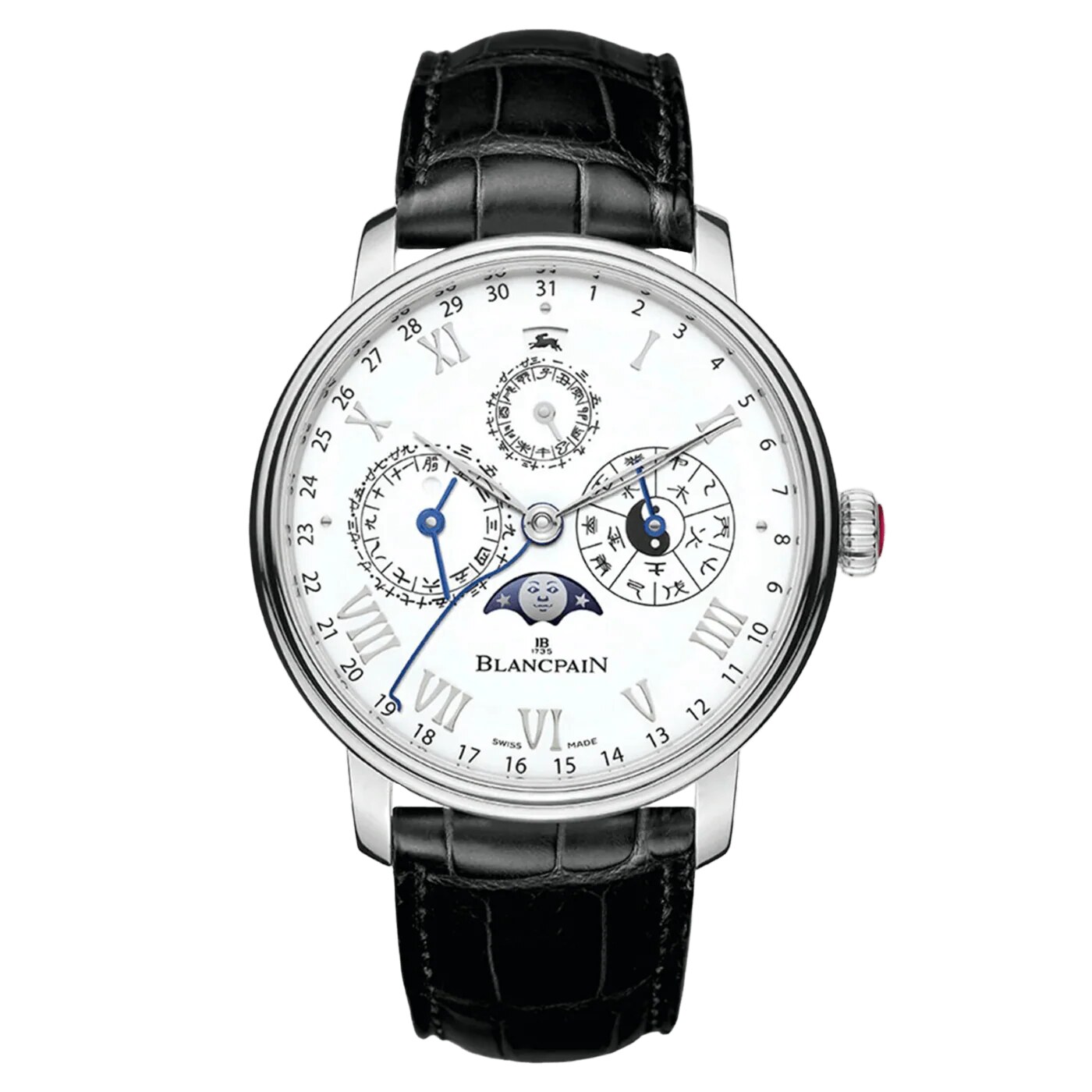
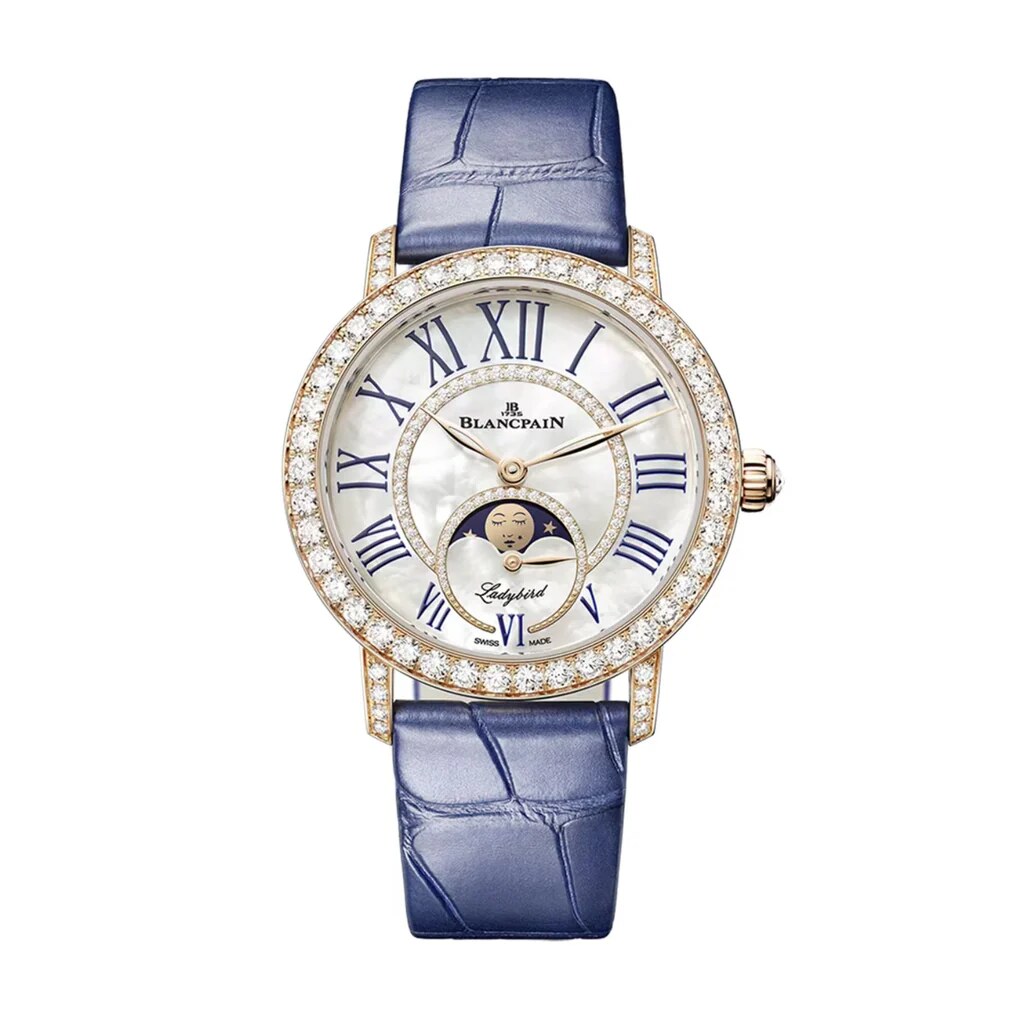
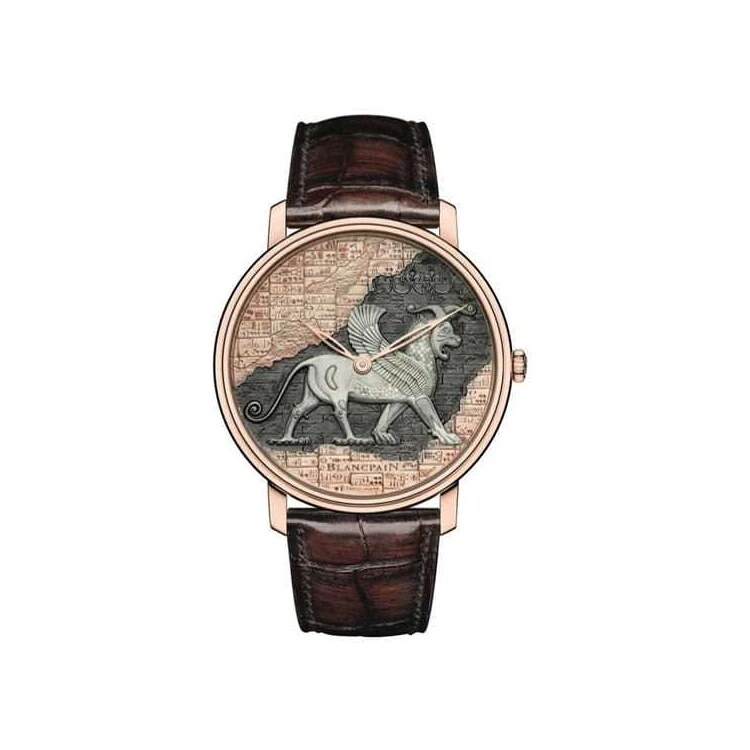
Same authentic Blancpain, different prices & codes. We watch all of them so you don't have to tab-hop.
Store codes that stack on Blancpain orders — re-tested in the last few hours. Tap to reveal, copy without leaving the page.
Same quiet-luxury, craft-first sensibility — follow any to widen your alerts.




Blancpain produces fewer than thirty watches a day, where a large maker like Rolex turns out around 2,000, and each watch is assembled by a single watchmaker. That scarcity, combined with the brand's vow to never use quartz or digital displays and its long history of complicated movements, is the core of the price. You are paying for low-volume, fully mechanical Swiss watchmaking.
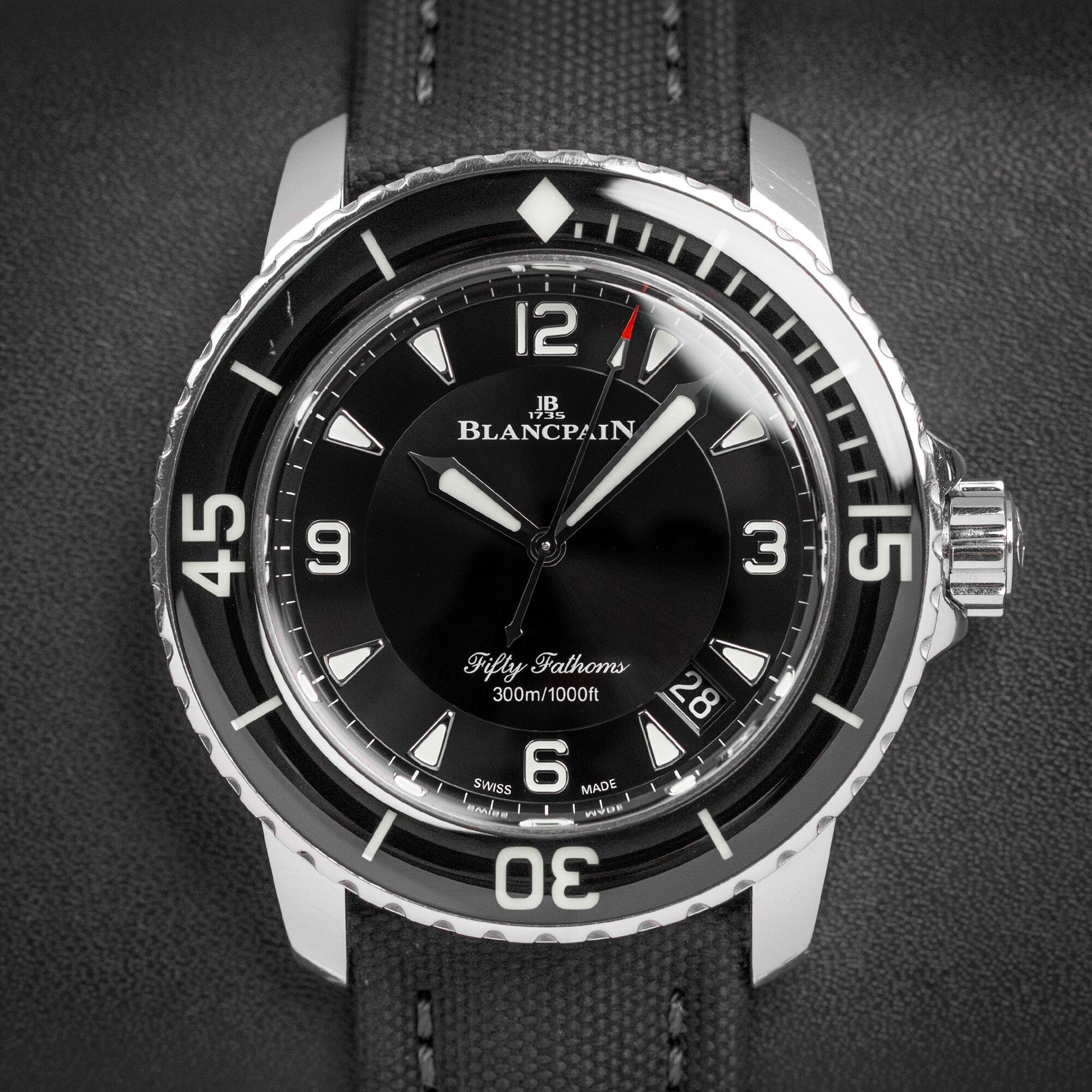
For collectors who care about provenance, it carries unusual weight. Blancpain is widely credited as the creator of the Fifty Fathoms, introduced in 1953, the watch that helped define the modern dive watch. It was developed with the French Navy's combat swimmers, worn by Jacques Cousteau, and became standard issue for US Navy combat divers and SEALs from 1958, so its history is a real part of the value.
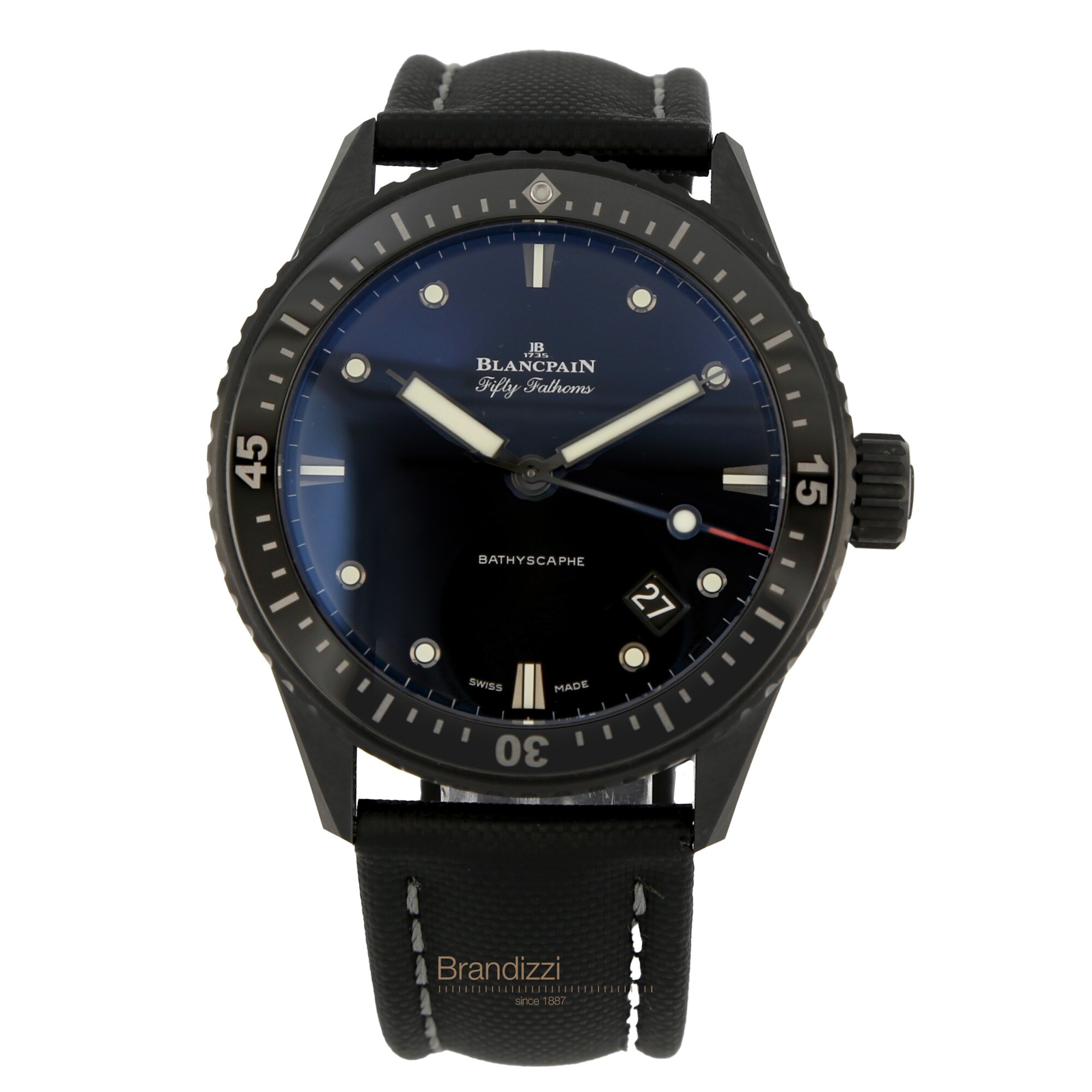
They are close cousins within the Swatch Group, but their scale and philosophy differ. Blancpain makes fewer than thirty watches a day and has never produced a quartz or digital watch, leaning fully into mechanical complications; Omega is a far larger producer. There is even a shared-DNA moment in the accessible Blancpain x Swatch Scuba Fifty Fathoms, a bioceramic, mechanically driven nod to the original.
Two things above all: the Fifty Fathoms diving watch of 1953 and the 1735 Grande Complication of 1991. The Fifty Fathoms helped establish the template for modern dive watches, while the 1735 is one of the most complicated mechanical watches ever made, combining a tourbillon, minute repeater, perpetual calendar, and split-seconds chronograph.
It is Blancpain's tour de force, a true grand complication uniting a tourbillon, minute repeater, perpetual calendar, and split-seconds chronograph in one watch. It was made as a limited edition of just thirty pieces, with production of only one piece per year, which makes it one of the rarest serious complications the house has ever offered.
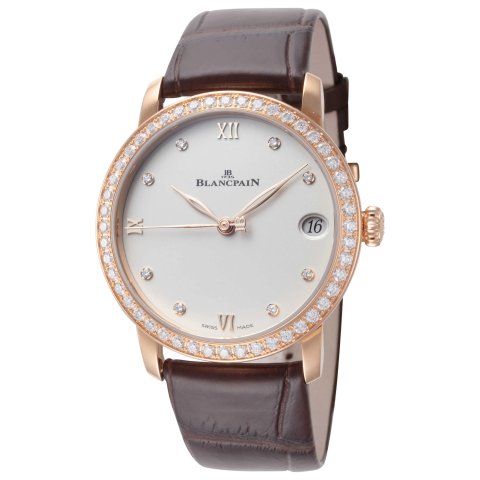
Yes. Founded by Jehan-Jacques Blancpain in Villeret, Switzerland, in 1735, Blancpain is the oldest registered watch brand in the world. The Villeret collection, the brand's most classic line, is named after that birthplace and has been a flagship since the 1980s.
No, and that is a point of pride. One of the company's own slogans is "Blancpain has never made a quartz watch and never will," and the brand has also never produced watches with digital displays. Every Blancpain is a mechanical watch, which is central to how the house positions itself.
Blancpain has been a subsidiary of the Swiss Swatch Group since 1992, when the group bought it back for 60 million Swiss francs. Since 2002 it has been run by Marc Hayek, grandson of Swatch Group's founder and chairman Nicolas Hayek, and it is an active member of the Federation of the Swiss Watch Industry.
Blancpain is a Swiss manufacturer headquartered in Paudex and Le Brassus, in Switzerland's Joux Valley, where production was set up in 1983 under the current iteration of the company. Its roots, however, trace back to the original 1735 workshop in Villeret, after which the classic collection is named.
Very deliberately. The house produces fewer than thirty watches per day, and each one is made by a single watchmaker rather than an assembly line. That low-volume, single-hand approach is a big reason Fifty Fathoms and Villeret pieces feel as considered as they do, and why supply tends to sit below demand.
The house has a long record of firsts. It created the world's smallest moon-phase display in 1983, the world's thinnest self-winding chronograph in 1987, and in 2000 the world's first self-winding tourbillon with perpetual calendar and an eight-day power reserve. In 1926 it had already partnered with John Harwood to market one of the first automatic wristwatches.