−40%
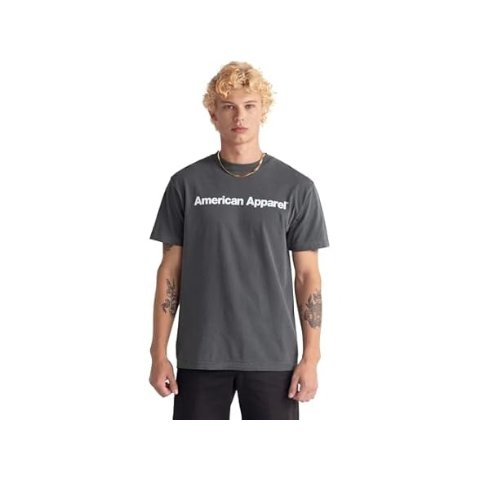
The Los Angeles label that made the blank tee a wardrobe staple.
Real verified markdowns across Woot! — filter by category, retailer & price. Heart anything to track its price.
The company moved to Los Angeles in 1997 and grew first as a wholesale business, selling blank tees to screenprinters and fashion brands before moving into retail. By controlling almost every step of its supply chain through vertical integration — owning the downtown LA factory that produced the bulk of its goods — it built one of the era's defining basics labels, ranked among the fastest-growing US companies by 2005.
After a turbulent period of leadership change and financial difficulty, the company filed for Chapter 11 in 2015 and was acquired by Canadian sportswear manufacturer Gildan Activewear in 2017. The brand now markets itself as "Ethically Made—Sweatshop Free," with most of its apparel made in Honduras and Nicaragua.
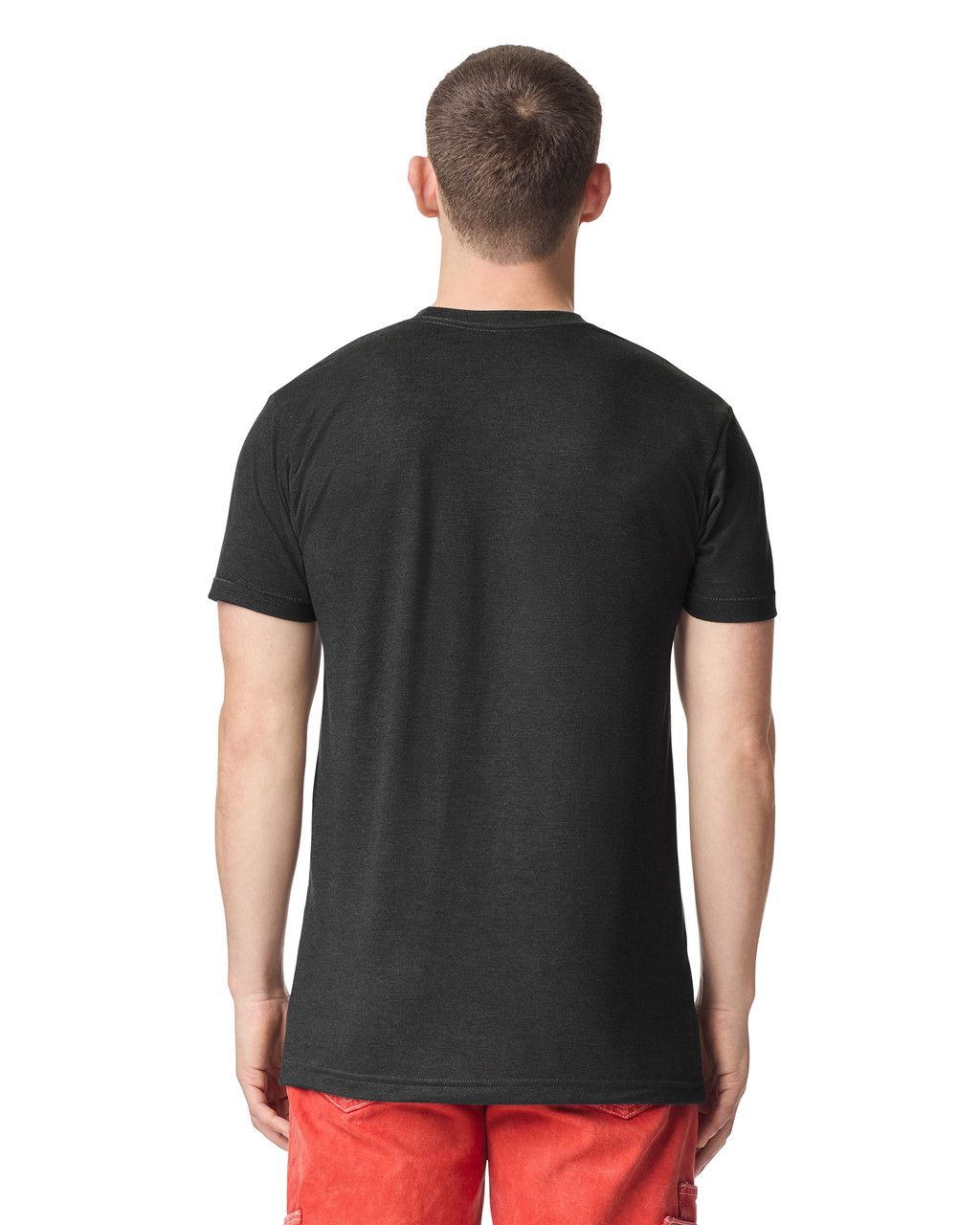
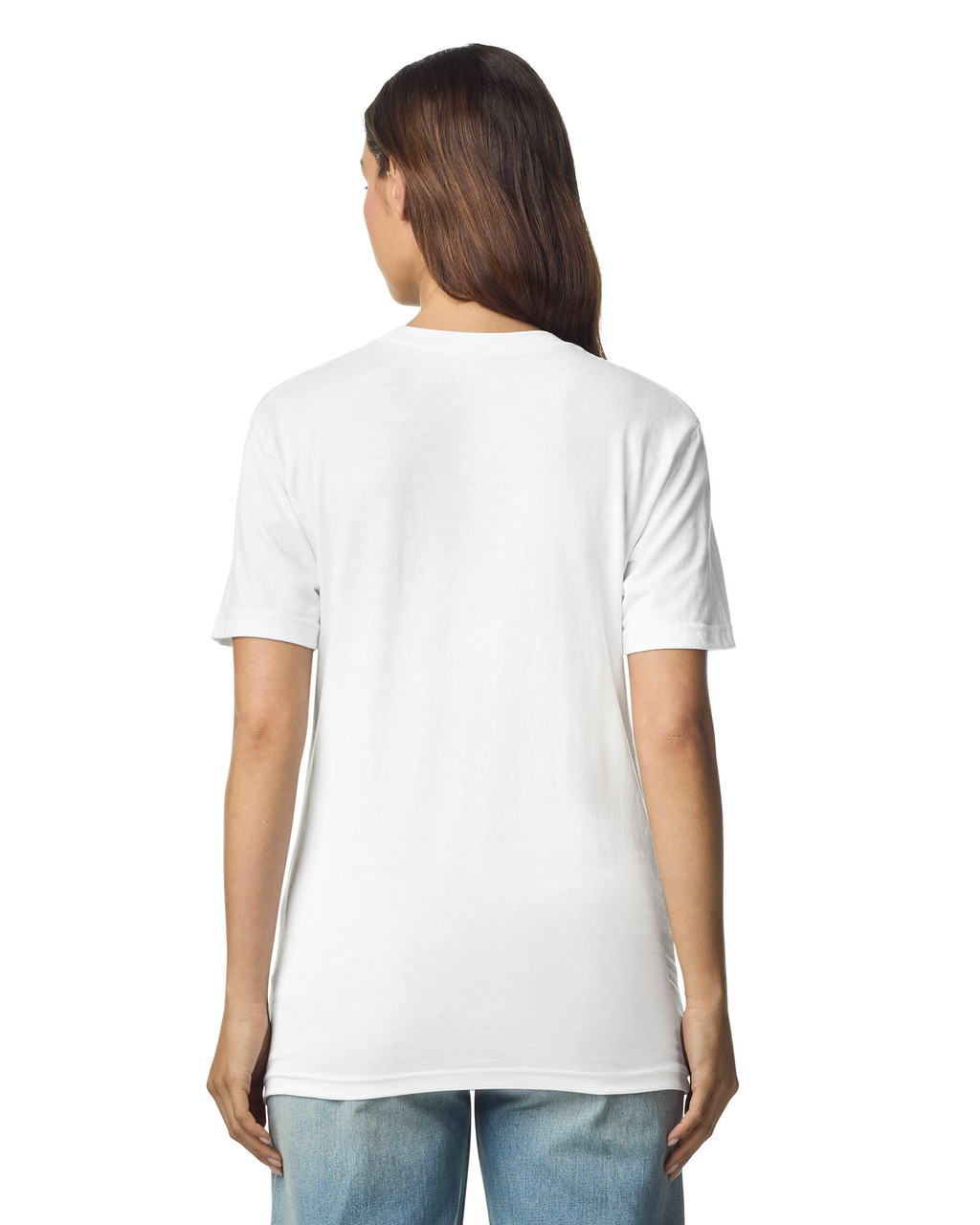
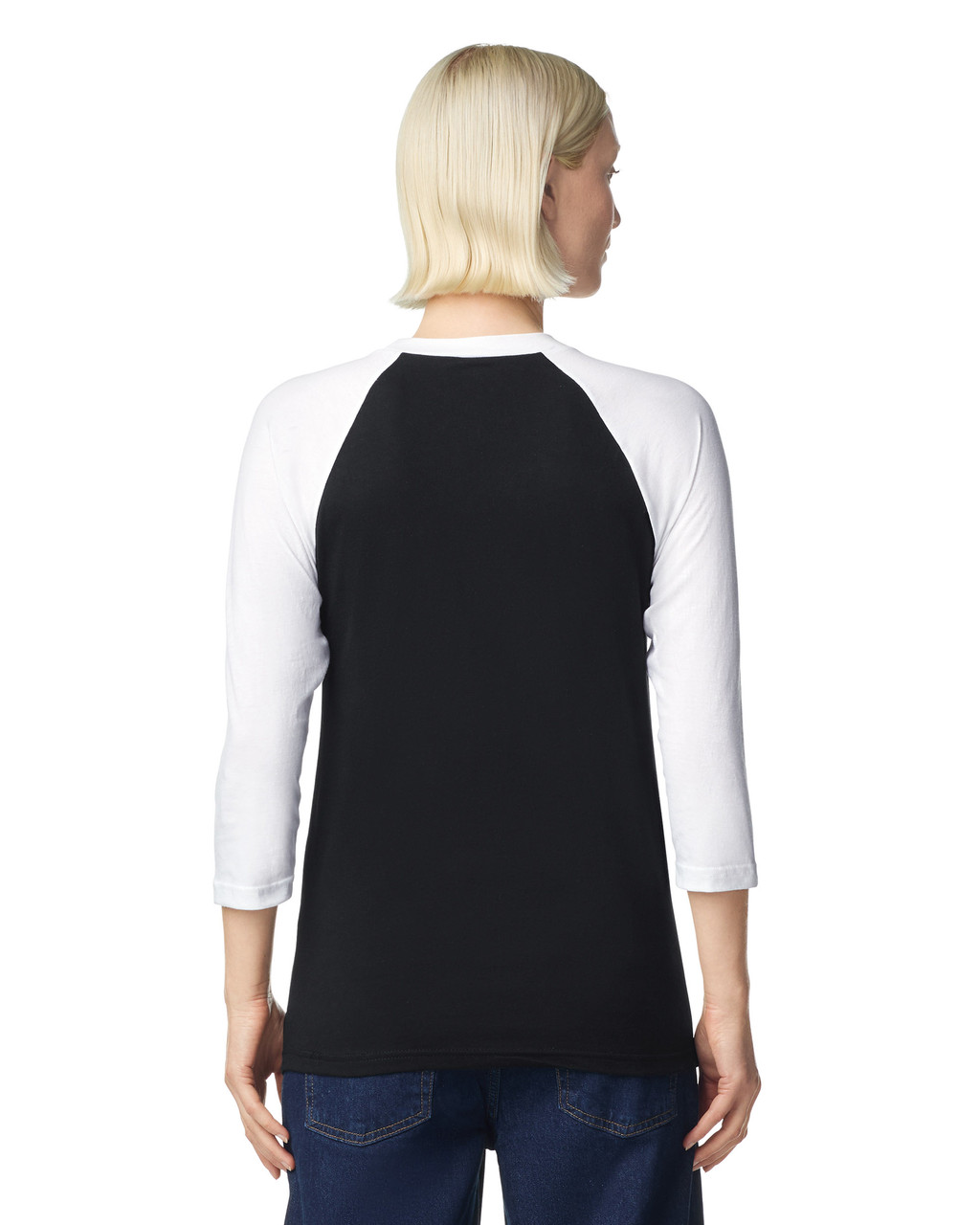
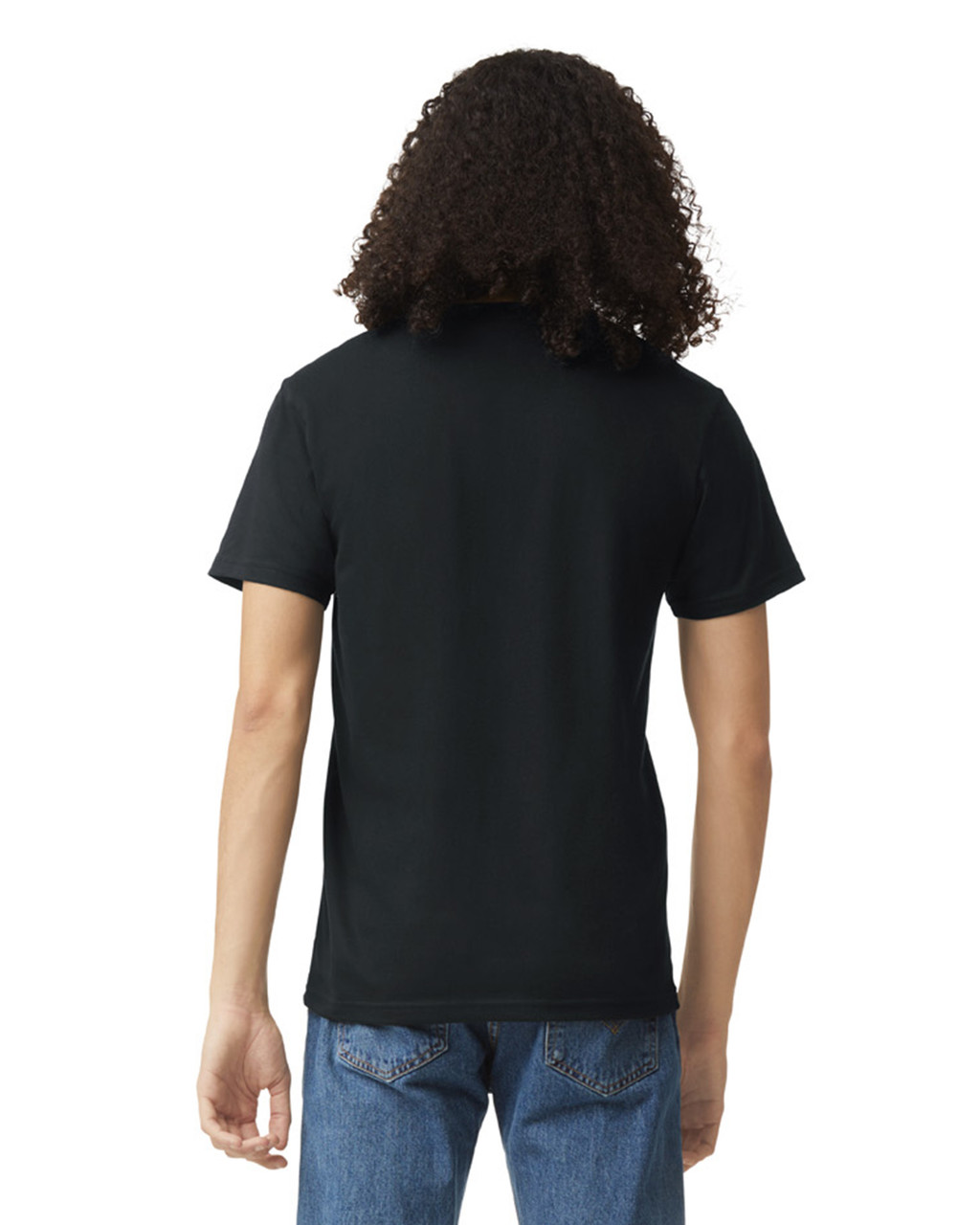
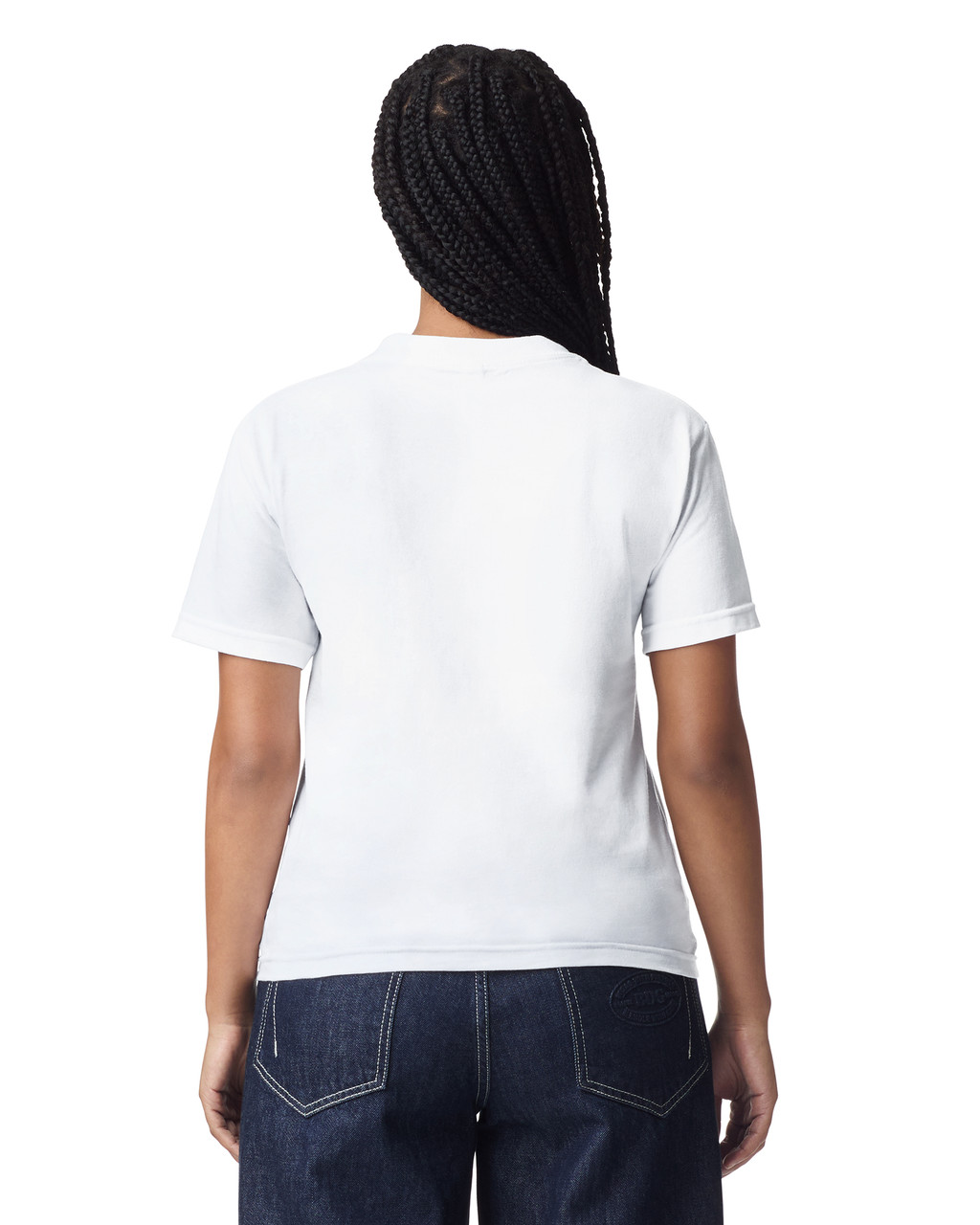
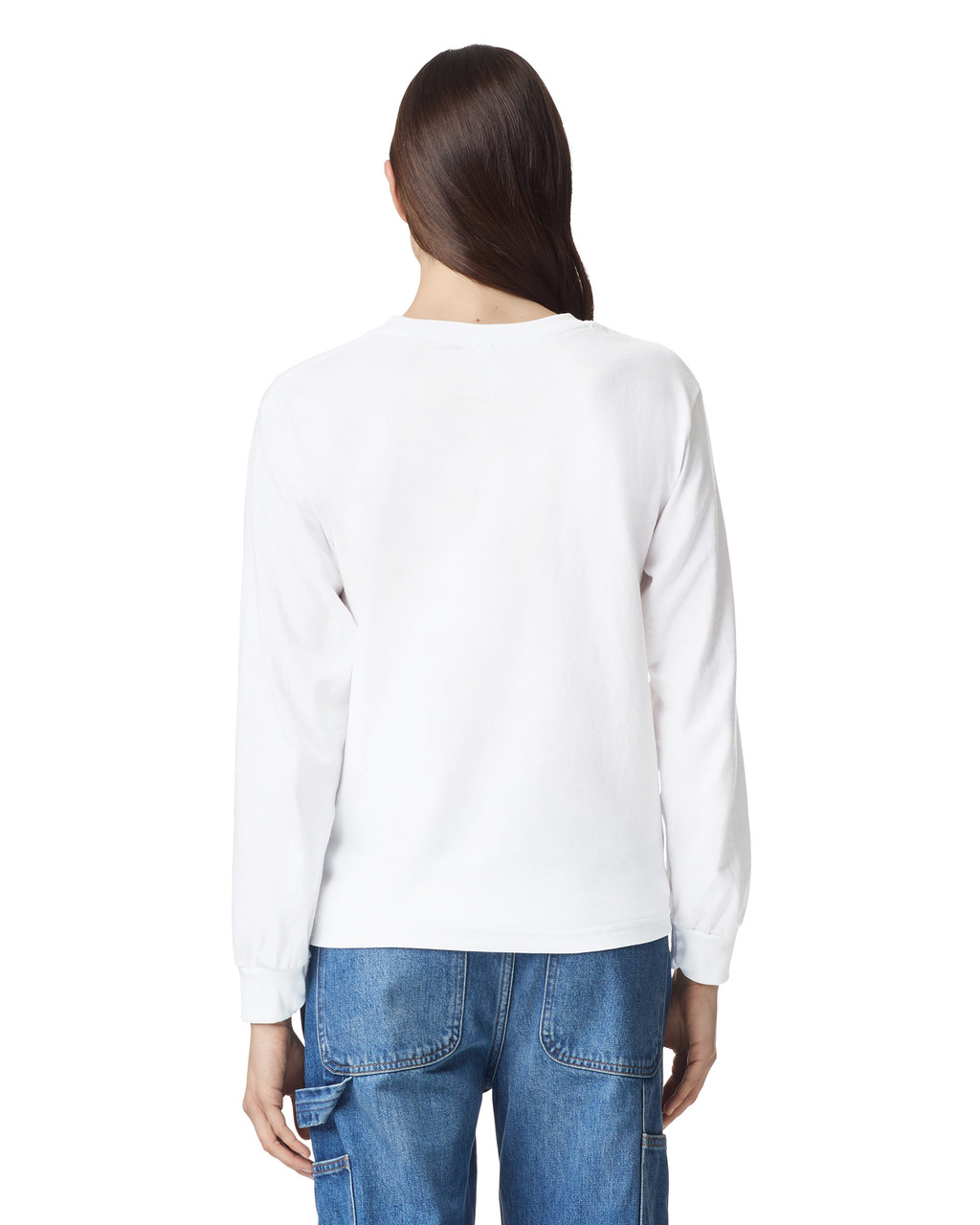
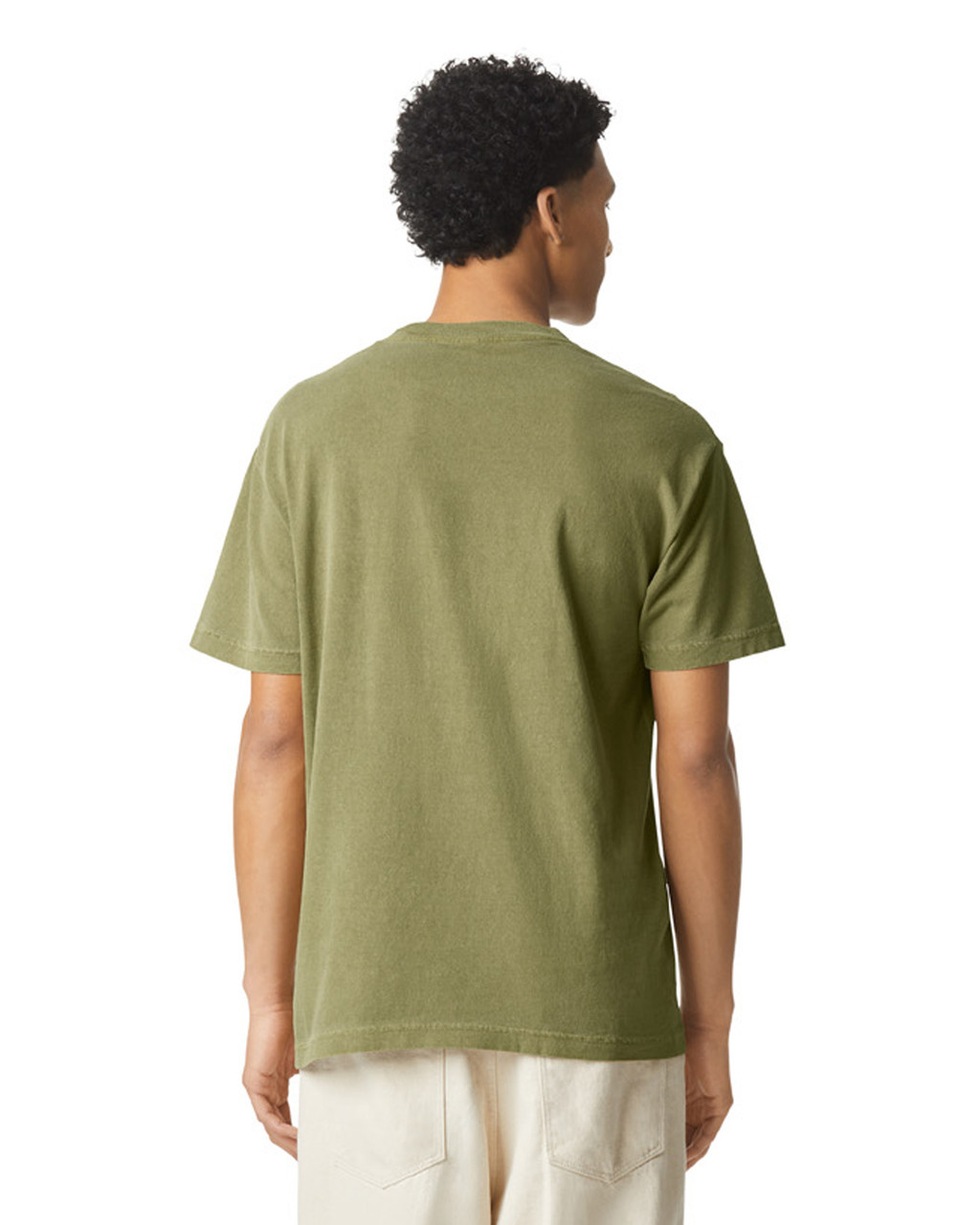
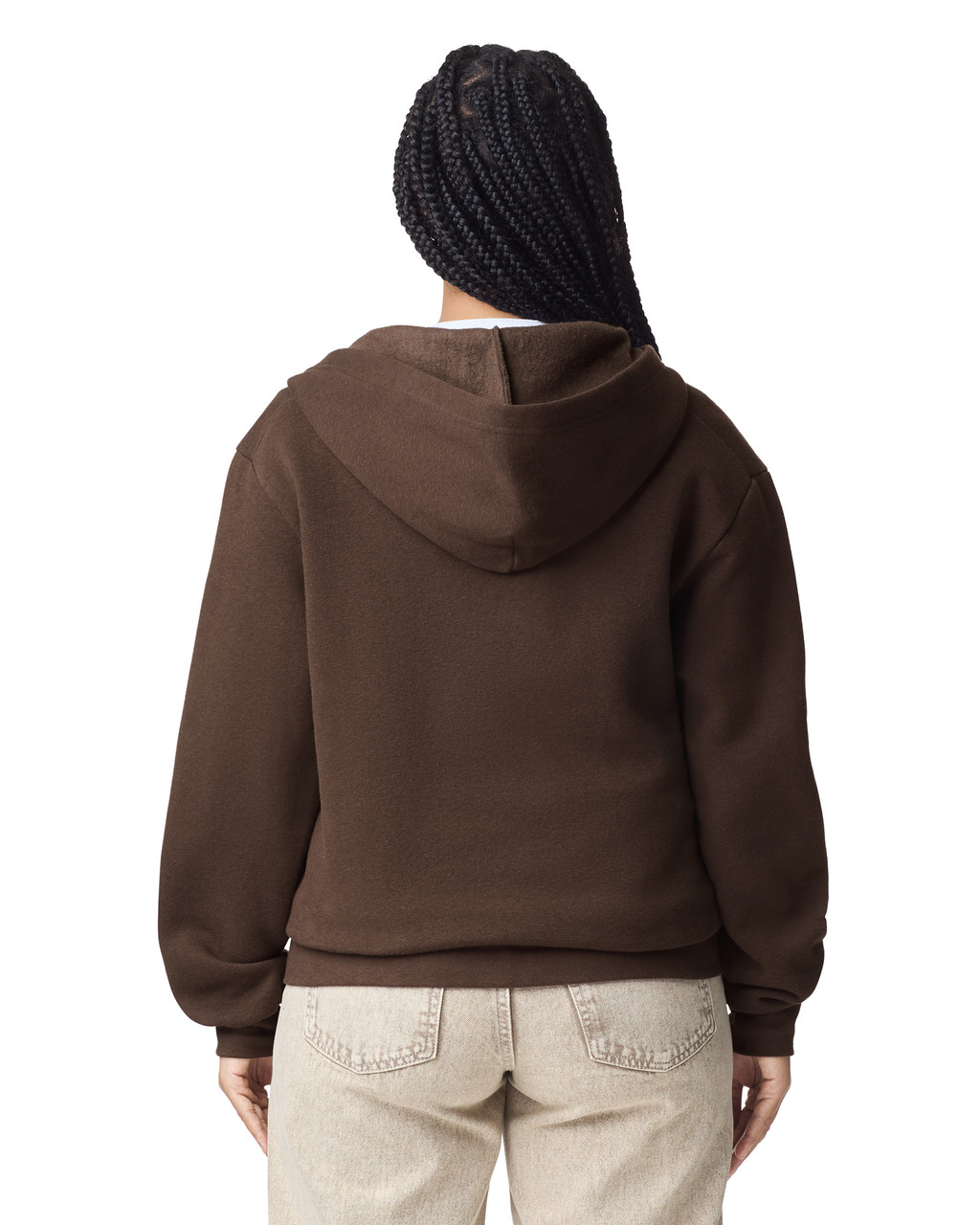
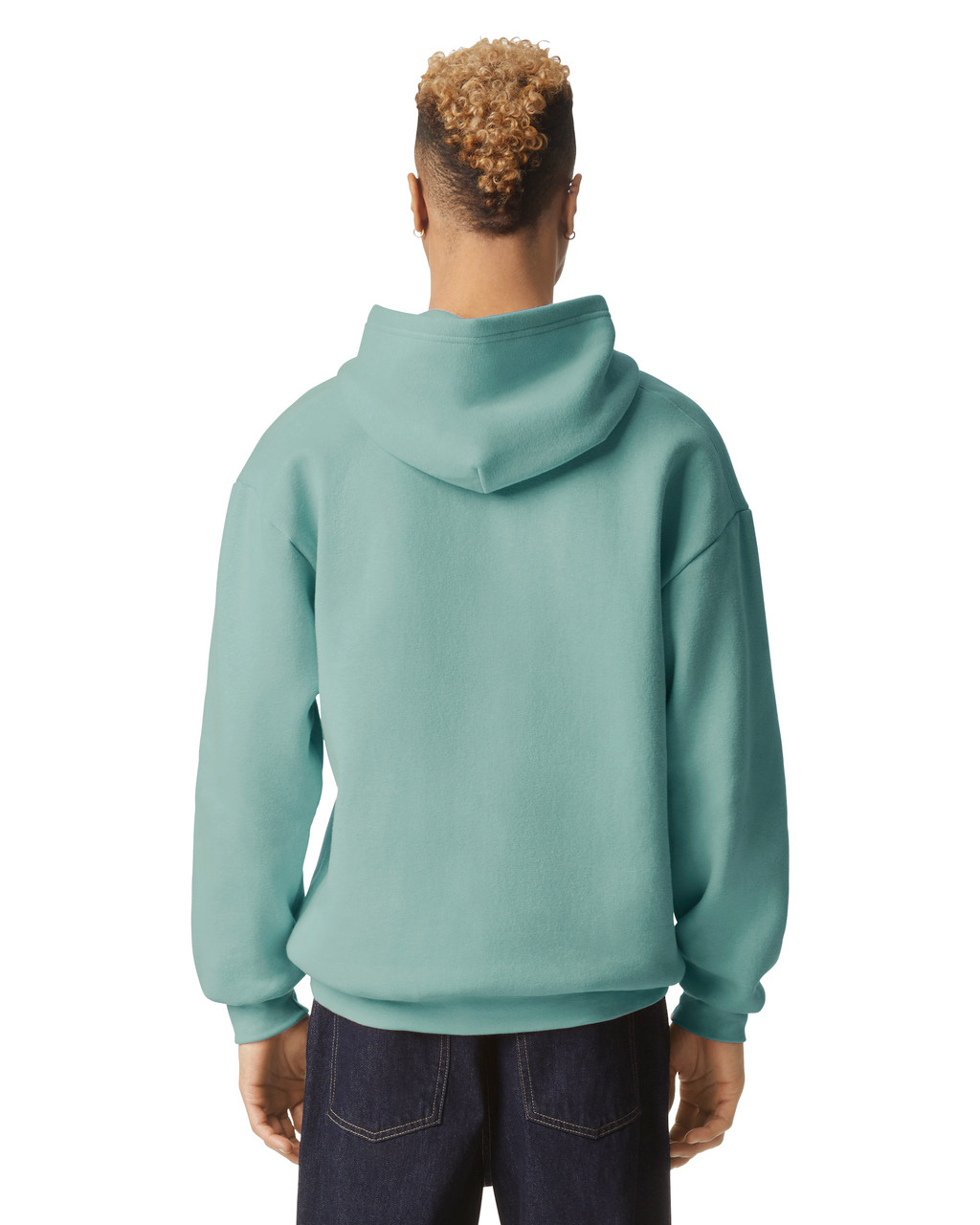
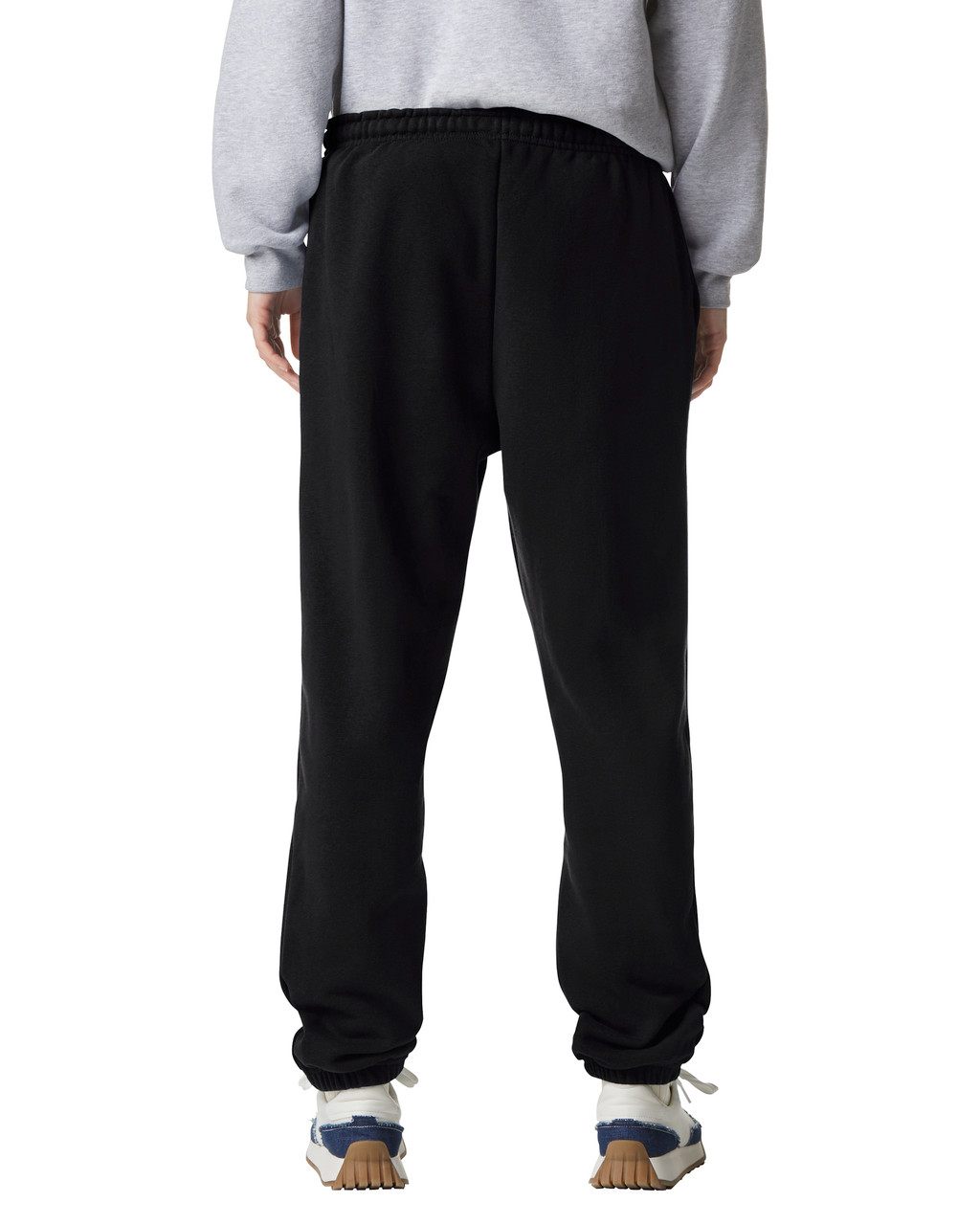
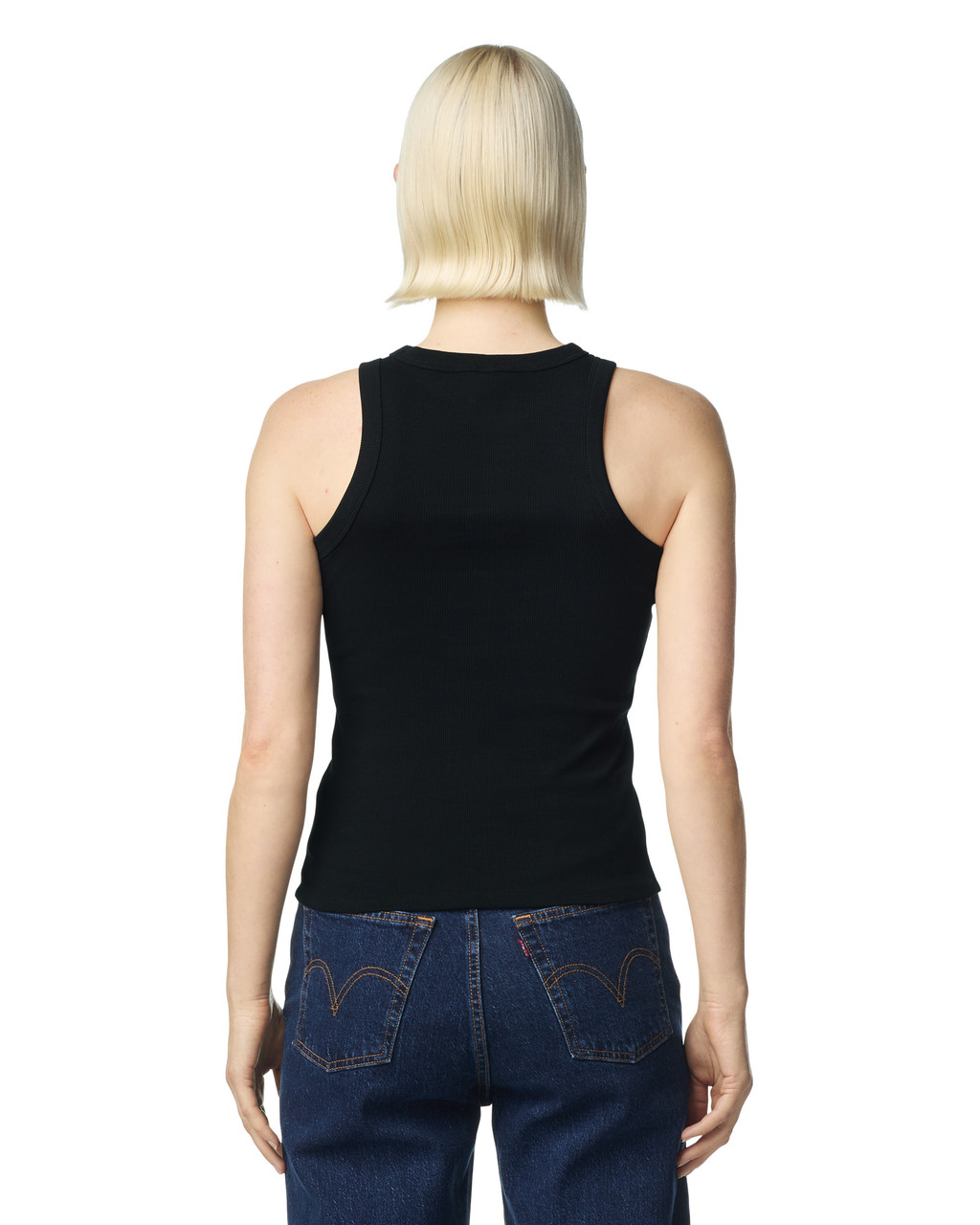
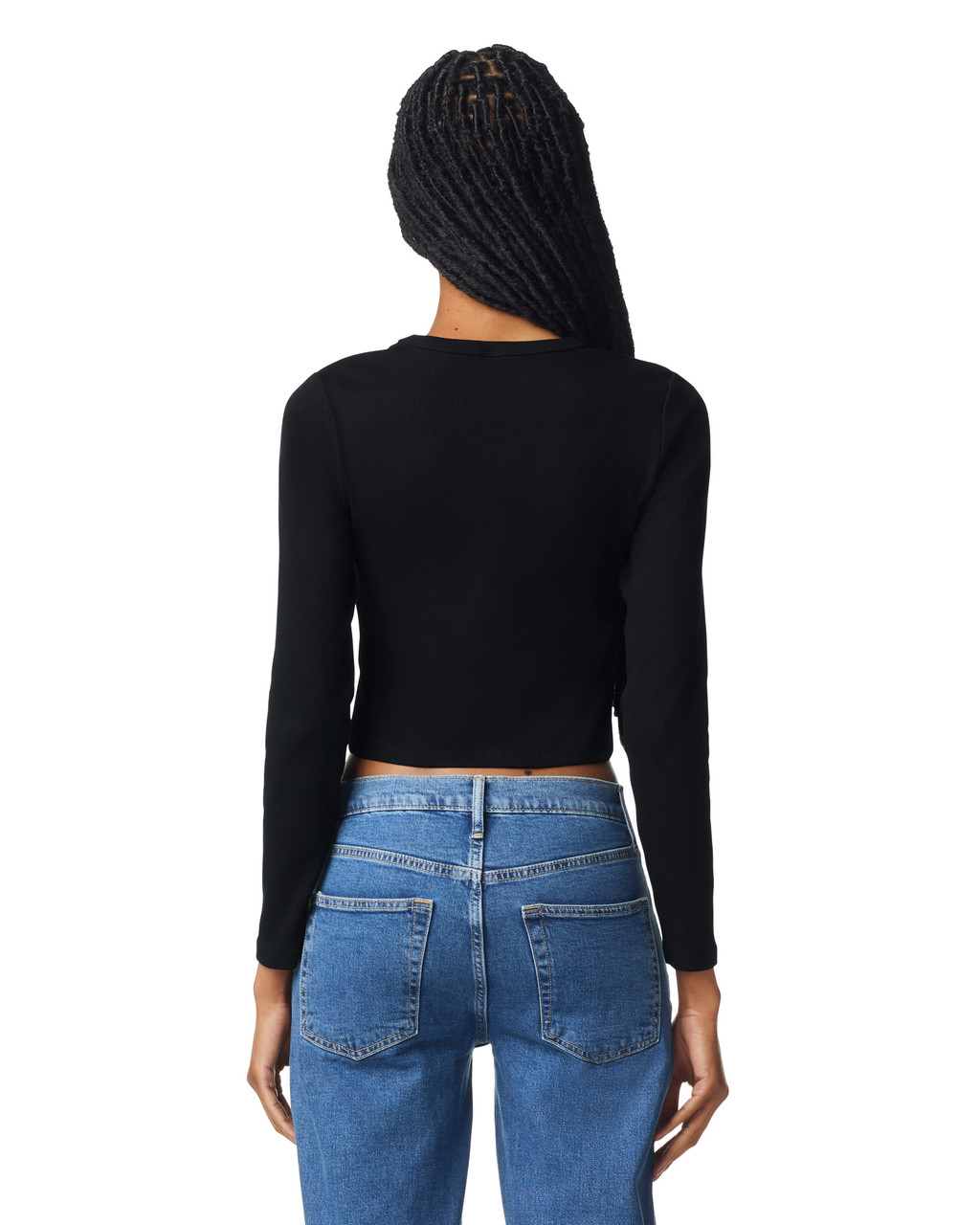
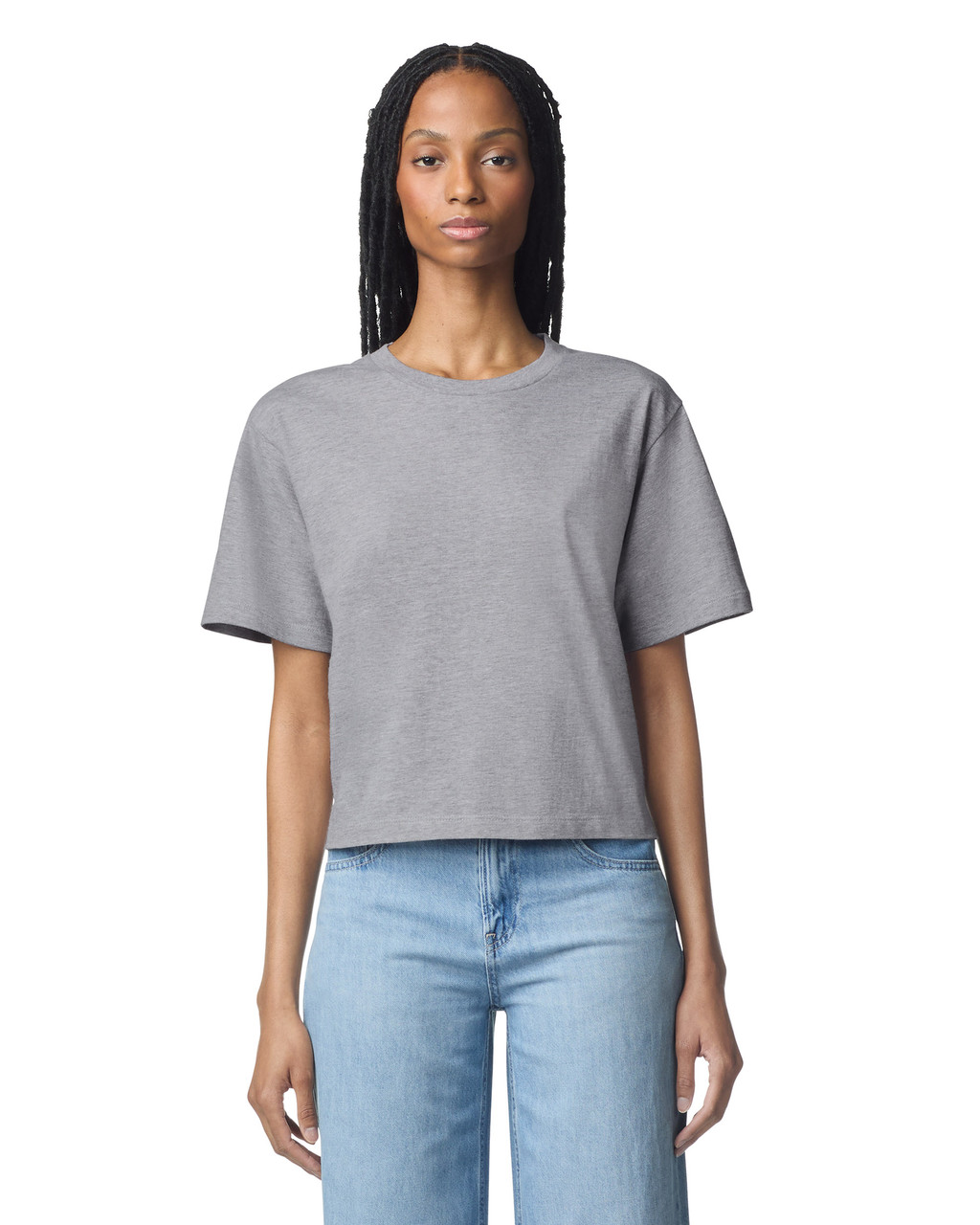
Same authentic American Apparel, different prices & codes. We watch all of them so you don't have to tab-hop.
Store codes that stack on American Apparel orders — re-tested in the last few hours. Tap to reveal, copy without leaving the page.
Same quiet-luxury, craft-first sensibility — follow any to widen your alerts.





American Apparel made its name on well-cut basics in soft jersey cotton, and that core proposition still drives the appeal. The catch is that the brand changed hands and its manufacturing story is no longer the original "Made in USA" pitch. If you want a clean, slim-fitting tee or bodysuit and care less about where it is sewn today, it remains a solid buy.
Mostly no. The company was historically a "Made in USA" vertically integrated business, but following its bankruptcy and sale to Gildan, it now markets itself as "Ethically Made—Sweatshop Free," with most apparel made in Honduras and Nicaragua. So the famous domestic-manufacturing label no longer applies to most of the range. Check the garment tag if origin matters to you.
The brand is owned by Gildan Activewear, the Canadian sportswear manufacturer that acquired it for $88 million in January 2017. That purchase came after the company filed for Chapter 11 bankruptcy in October 2015. It is a very different operation from the founder-run company of the 2000s.
American Apparel was founded by Canadian businessman Dov Charney in spring 1989. For a time clothes were made in South Carolina before the company moved to Los Angeles in 1997. Charney was the driving creative and commercial force behind the brand for most of its rise.
The brand built itself on simple, well-fitting basics. It grew primarily as a wholesale business selling blank T-shirts to screenprinters, uniform companies and fashion brands before moving into retail. That heritage in plain, quality jersey is still the heart of what shoppers come for.
After rapid growth in the 2000s, the company hit serious trouble. Founder Dov Charney was ousted as chairman and CEO in 2014 amid allegations of misconduct, and the firm filed for Chapter 11 bankruptcy on October 5, 2015. It was then acquired by Gildan in 2017, which is why today's brand differs so much from its earlier self.
The company was known for provocative and controversial advertising, much of it driven by CEO Dov Charney, and several ads featuring nudity or sexual themes were banned by advertising authorities. A 2009 ad was banned in the UK because the image "could be seen to sexualise a model who appears to be a child." The advertising drew criticism but was also lauded by some for honesty and lack of airbrushing.
Charney was removed by the board in June 2014 after allegations of misconduct and inappropriate behaviour towards employees, and was terminated as CEO that December. As of 2012 the company had been sued in seven public sexual harassment lawsuits, all of which were dismissed, thrown out, sent to arbitration or settled with no monetary liability. Charney maintained his innocence throughout.
The lawsuit ran the other way. In 2007 American Apparel put up two billboards using an image of Woody Allen as a Rabbi from Annie Hall, and Allen objected and sued the company for $10 million. The case was settled in May 2009 by the company's insurance carrier for $5 million. Allen had testified that he considered the advertising "sleazy" and "infantile."
Historically it leaned on its vertical integration for green credentials. Its manufacturing used a "Creative Reuse" system that converted excess fabric into additional garments such as underwear, bras and headbands, reportedly saving around 30,000 pounds of cotton per week. In 2006 it also installed a solar electric system on its factory roof. Today's sourcing under Gildan is a separate question worth checking.
The brand became known for slim, body-conscious cuts on its jersey basics, so its pieces often fit closer than a generic tee. If you prefer a relaxed silhouette, it is wise to size up or check measurements before buying. Trying a single staple first is the safest way to learn how the fit sits on you.
Yes, notably on immigration and LGBT rights. The company ran a long-running "Legalize LA" immigration-reform campaign and, after Proposition 8 passed in California in 2008, launched a "Legalize Gay" campaign. In 2012 it partnered with GLAAD on a Pride line and featured Isis King, its first openly transgender model. Activism was woven into the brand's identity rather than kept separate from it.