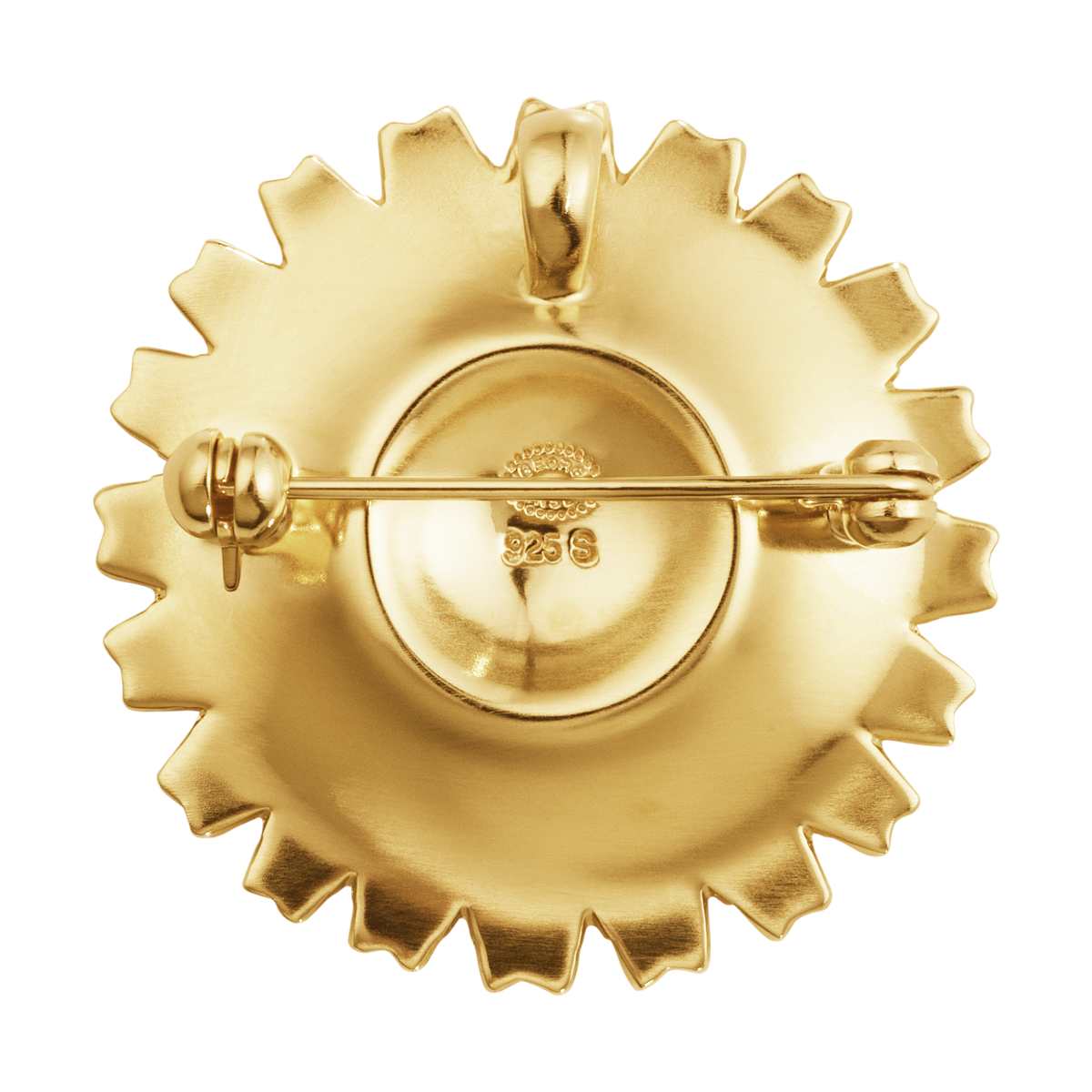
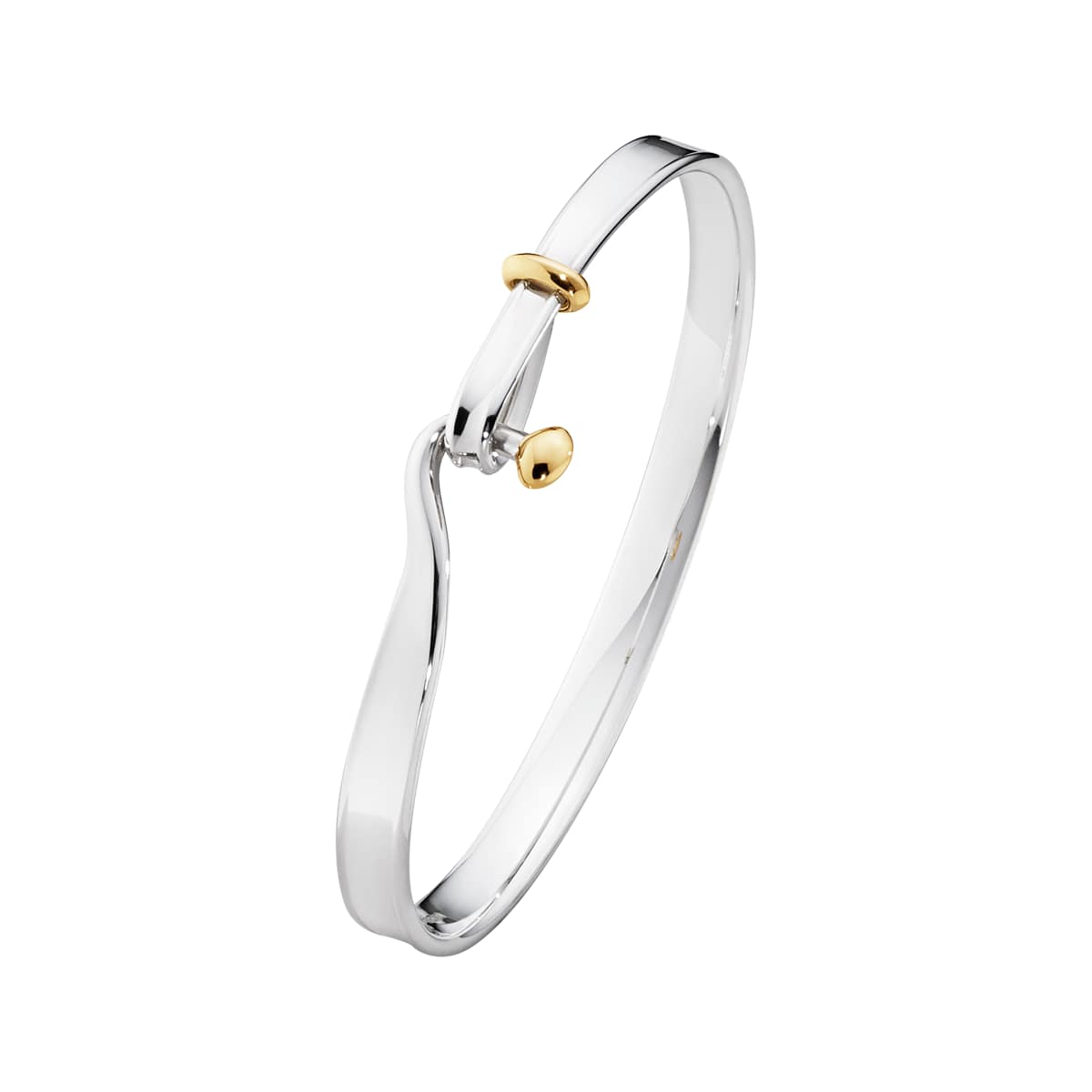
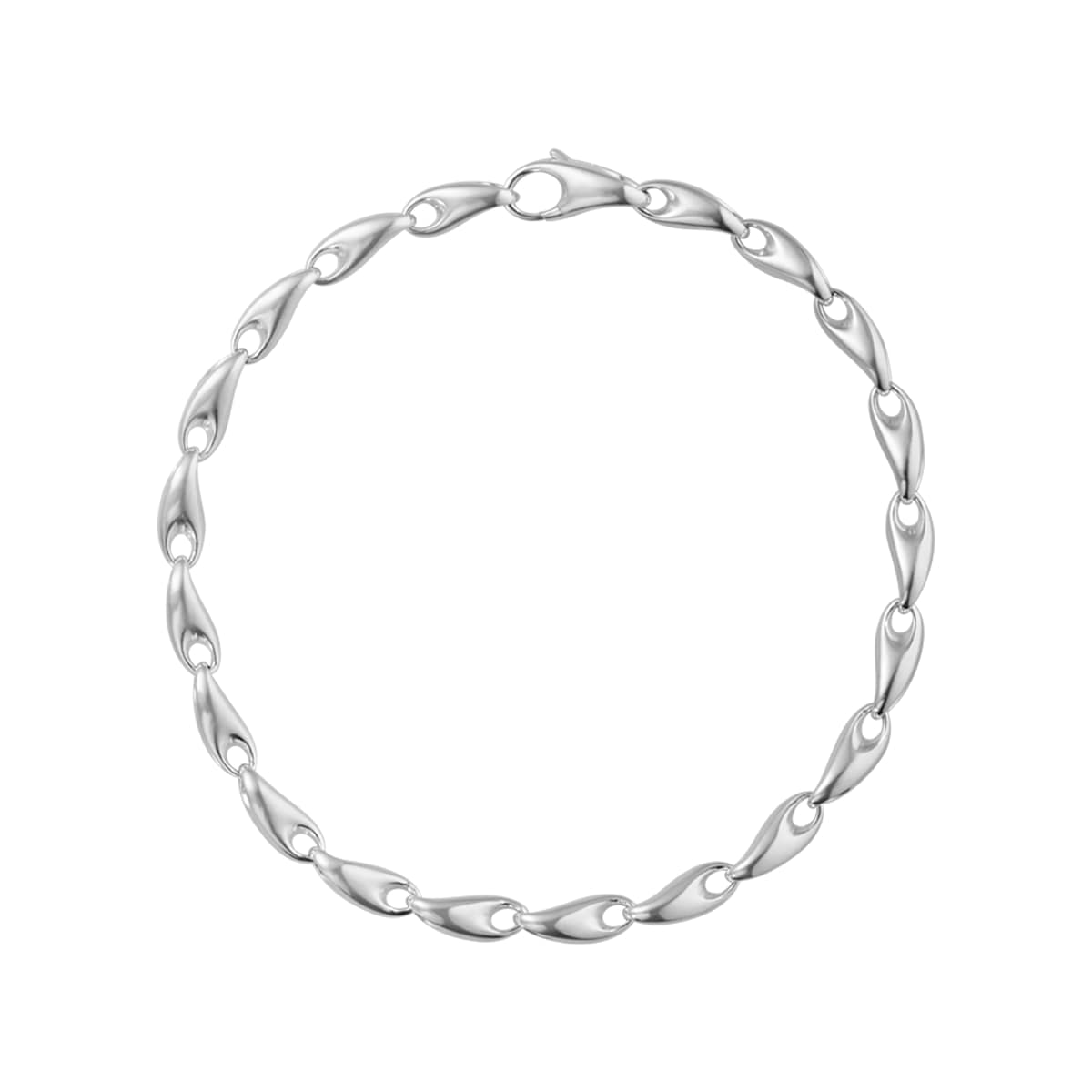
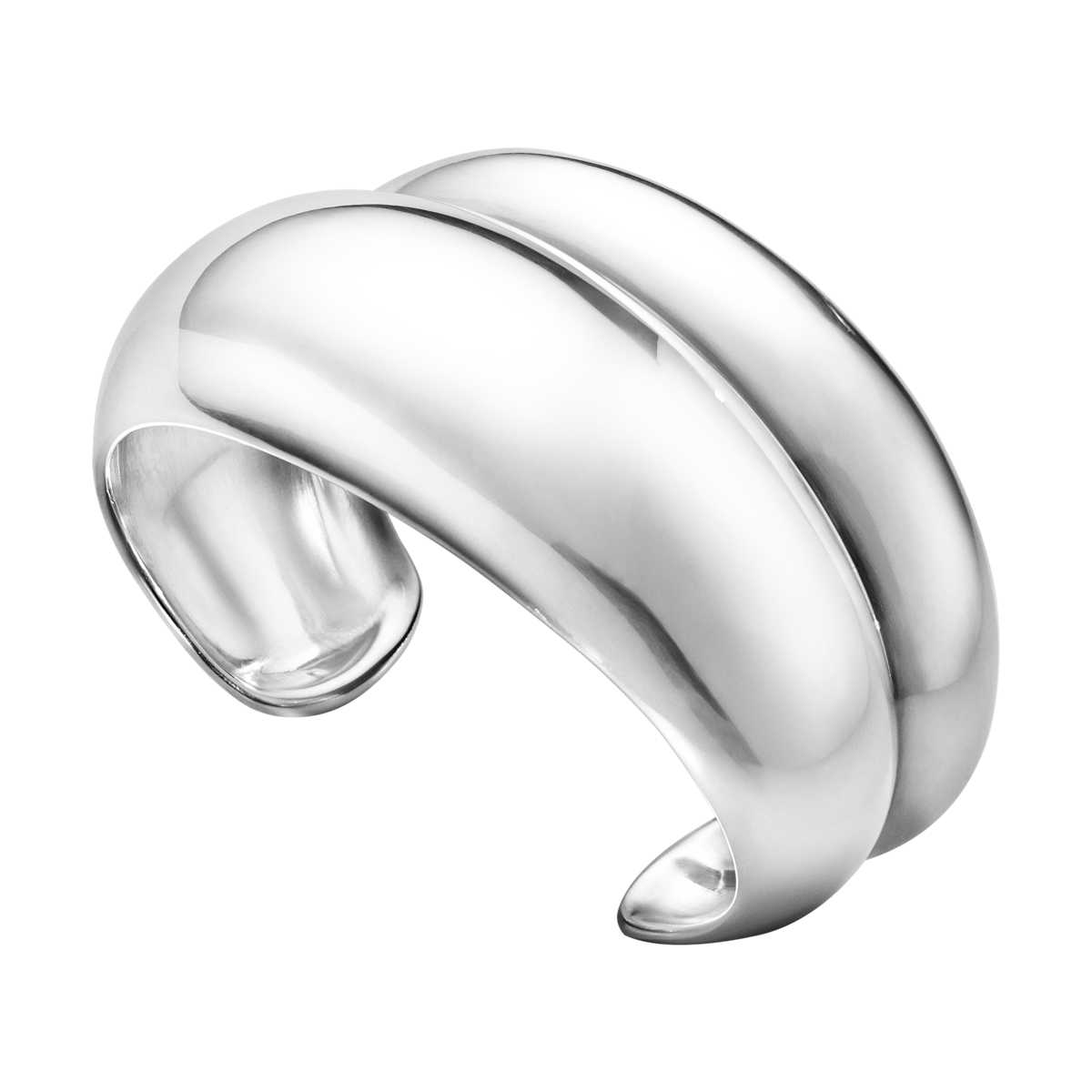
Is Georg Jensen silver jewellery worth it?+
For lovers of Danish design it is one of the most respected names you can buy. Georg Jensen pieces are prized for craftsmanship and a sculptural style rooted in the Art Nouveau movement, with designs that have stayed fresh for over a century. You are paying for design pedigree and a maker's mark, not just the silver, which is why so many buyers treat the pieces as keepers.
Why is Georg Jensen silver so expensive?+
Because the value lives in the design and the hand of the maker, not the metal. Georg Jensen trained in both metalsmithing and the fine arts, and combining the two let him revive the tradition of the artist craftsman, producing work whose beauty and quality quickly drew a devoted public. That artist-craftsman pedigree is what commands a premium.
How does Georg Jensen compare to Tiffany?+
Both sit at the high end of silver and jewellery, but they speak different design languages. Georg Jensen is a Danish house defined by Art Nouveau and modernist forms with abstract, organic shapes, while Tiffany is rooted in an American tradition. If Scandinavian sculptural silver appeals to you more than classic American glamour, Jensen is the natural choice.
What was the first piece of Georg Jensen jewellery?+
Jensen made his first piece of jewellery in 1899, a silver and gilt Adam and Eve belt buckle. He had come to silver after years as a ceramicist and sculptor, and in 1901 he committed fully, beginning again as a silversmith and designer with the master Mogens Ballin. That buckle marks the start of the silver legacy.
What gemstones did Georg Jensen use in his early designs?+
His early silver and jewellery often featured plump, abstract organic shapes accented with stones such as amber, garnet, citrine, malachite, moonstone and opal. This reflected his personal Art Nouveau style, which he later streamlined into the cleaner look popular in the 1920s and 1930s. Those stones are a hallmark of the earliest work.
Who was Georg Jensen the silversmith?+
Georg Arthur Jensen (31 August 1866 to 2 October 1935) was a Danish silversmith and the founder of Georg Jensen A/S. Born the son of a knife grinder in Raadvad, north of Copenhagen, he began training in goldsmithing at age 14 and later studied sculpture at the Royal Danish Academy of Fine Arts. That blend of craft and fine art shaped everything that followed.
When and where was Georg Jensen founded?+
Jensen opened his own small silversmithy at 36 Bredgade in Copenhagen in 1904, risking what little capital he had. The beauty and quality of his Art Nouveau creations soon caught the public eye and his success was assured. That Copenhagen workshop is the foundation of the house that still bears his name.
How do I spot a genuine Georg Jensen mark?+
The maker's mark is central to authenticity. Jensen signed his first sculpture with "My Father" in 1887, used the markings GJ as a brand sign from 1894, and frequently used GJ from 1899, often placing the year next to the mark. Checking for these signs is the first step when verifying a piece.
Where did Georg Jensen open its first stores?+
The Copenhagen quarters expanded quickly, and before the end of the 1920s Jensen had opened retail stores in Berlin (1909), London (1921) and New York City (1924). The New York store, Georg Jensen Inc., was run independently as a family business by salesman Frederik Lunning. That early international reach helped cement the brand's global reputation.
Is Georg Jensen collected by museums?+
Yes, his work earned institutional recognition in his own lifetime. Jensen's pieces were collected by museums including the Danish Museum for Decorative Art and the Museum Folkwang. In 2005 the Bard Graduate Center in New York presented an exhibition titled Georg Jensen Jewelry. That museum presence underlines the design pedigree behind the name.
What does the Georg Jensen aesthetic look like?+
Expect plump, abstract organic shapes that feel sculptural rather than fussy. Jensen's style was rooted in the Art Nouveau movement but transcended it with a more streamlined version that became popular in the 1920s and 1930s. That balance of nature-inspired form and clean line is the through-line across the brand's silver, jewellery and homeware.
How did Georg Jensen come to silversmithing?+
It was a second act. He first trained as a fine artist, studying sculpture and then ceramics, and worked as a modeller at the Bing and Grøndahl porcelain factory before founding a small pottery workshop in 1898. When ceramics could not support him, he turned to silver, and his combined training in metalwork and fine art is exactly what made the work distinctive.