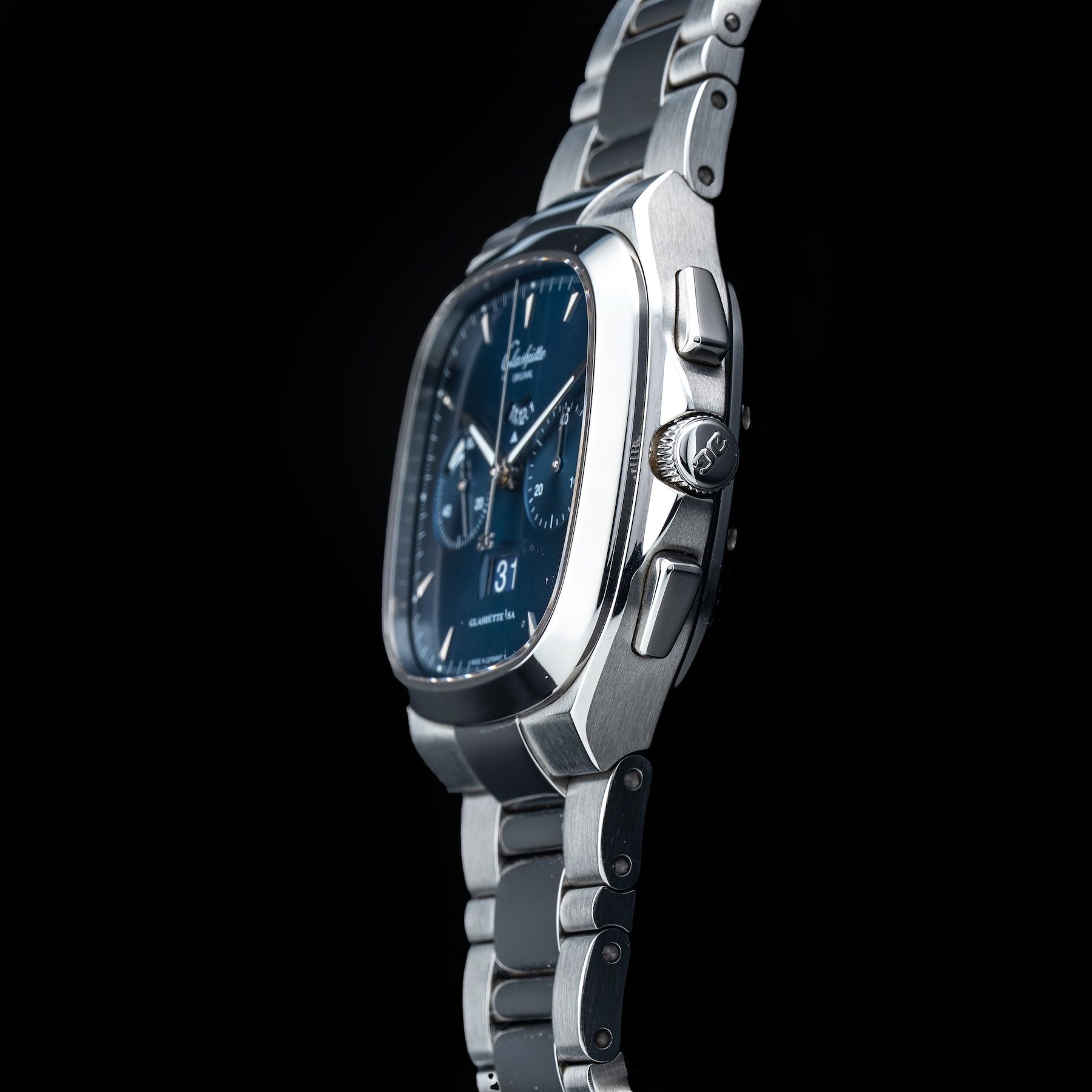
Is a Glashütte Original Senator worth it?+
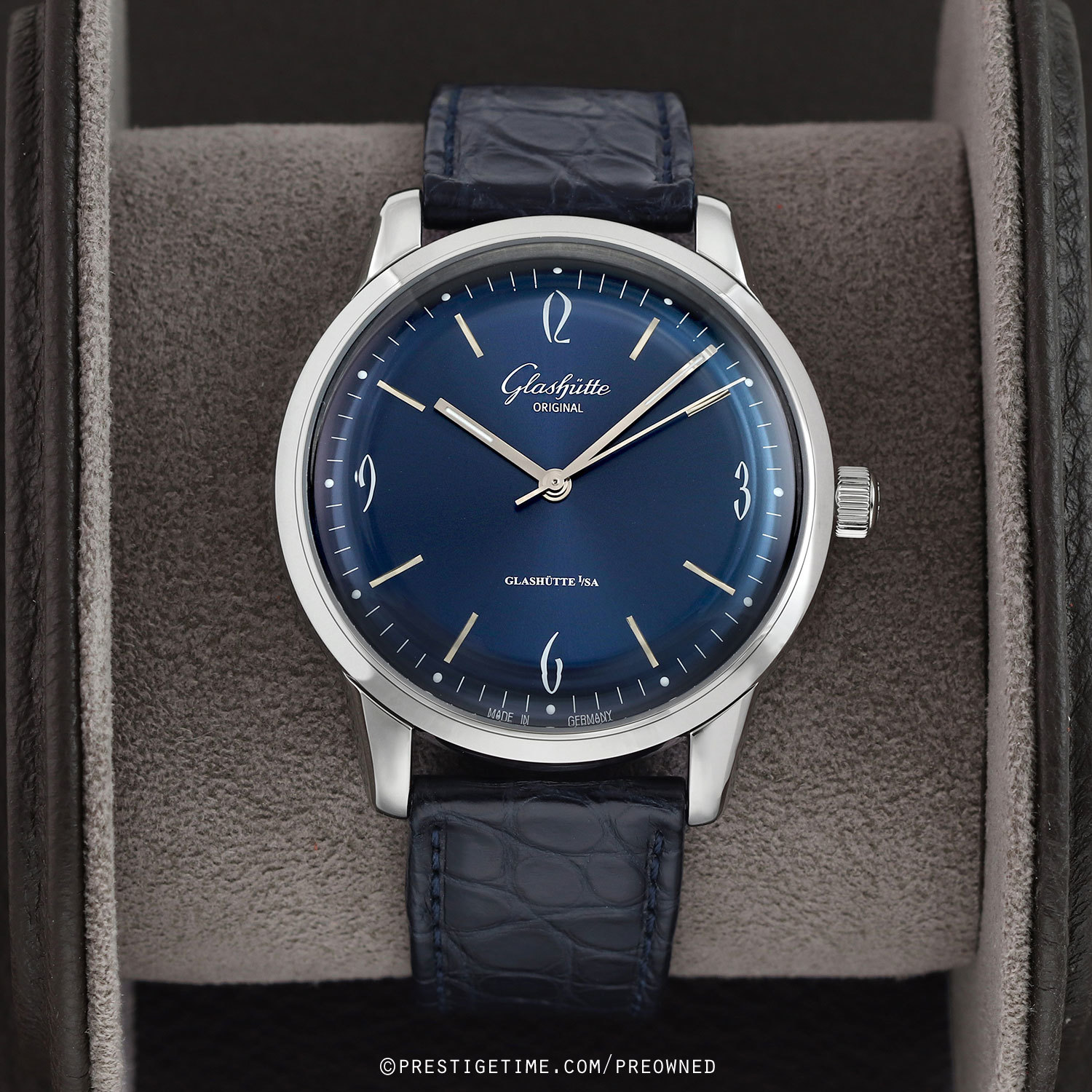
Collectors generally see the Senator as one of the most quietly rewarding buys in German watchmaking: classical proportions, immaculate finishing and a state-of-the-art in-house movement. It is the line that best captures the house's restrained Saxon elegance, with familiar dress-watch looks lifted by original details. If you want serious manufacture watchmaking without the loudest name on the dial, the Senator makes a very strong case.
How does Glashütte Original compare to A. Lange & Söhne?+
The two share deep roots: both descend from the Glashütte watchmaking tradition, and after German reunification the old state company was split, with A. Lange & Söhne re-established separately and what remained becoming Glashütte Original. Collectors usually place Lange a tier above in prestige and price, while Glashütte Original is seen as the more attainable way into high-end Saxon horology. If you love the Glashütte three-quarter plate look but not the Lange premium, Glashütte Original is the natural alternative.
Why is Glashütte Original so expensive?+
The brand makes nearly 95% of all components in-house, a depth of vertical integration that is rare anywhere and unmatched in Germany. It builds its own movements and uses signature Saxon techniques such as the Glashütte three-quarter plate, gold lever wheels and chatons, all developed back in 1865 to improve precision. That craft, much of it done by hand, is what you are paying for.
Where are Glashütte Original watches made?+
They are made in the small town of Glashütte in Saxony, Germany, near Dresden, which has been a centre of German watchmaking since 1845 when watchmakers including Ferdinand Adolph Lange settled there. The brand even runs the Alfred Helwig School of Watchmaking, opened in 2002 to keep the local tradition alive. That town is so central to the identity that it is literally in the name.
What does the name Glashütte Original mean?+
Glashütte is the German town where the factory sits, and "Original" carries real history. When lesser watchmaking regions tried to pass off inferior movements by stamping them "System Glashütte" and imitating local finishing, the genuine Glashütte houses began inscribing the word "Original" on their movements to prove a timepiece truly came from Glashütte. The modern name is a deliberate nod back to that authenticity.
Who owns Glashütte Original?+
Glashütte Original is owned by The Swatch Group, the world's largest watch group, which acquired the reinvigorated company in 2000. The brand itself was founded in 1994 when Heinz W. Pfeifer bought the then-tiny privatised remnant of the East German state watch company and restored traditional Glashütte watchmaking. Swatch Group ownership gives it scale while it keeps making most parts itself.
What movements does Glashütte Original use?+
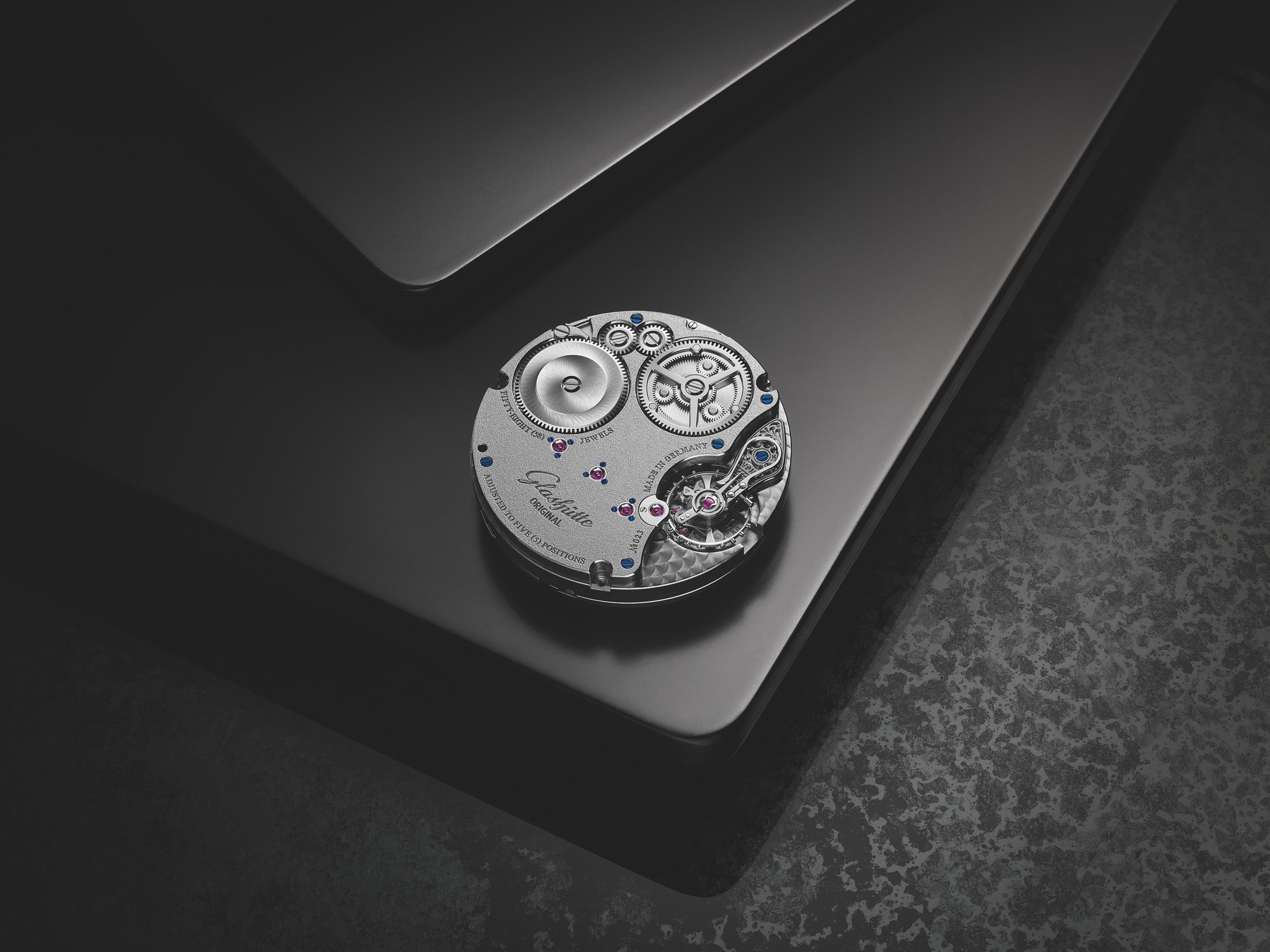
It uses its own in-house movements and holds ten proprietary movement innovations. Aside from a few items such as the balance spring, mainspring and jewels, it produces its own components, including blued screws, gear wheels, pinions and levers. Its bridges and balance cocks are hand-engraved in-house, which makes each movement subtly unique.
Which Glashütte Original collection should I look at first?+
The house offers five model ranges, and for most buyers the Senator is the classic starting point thanks to its versatile, dressy character. From there the Pano line offers the off-centred dial layouts the brand is known for, while the Specialist, Vintage and Ladies ranges cover sportier, retro and more feminine tastes. Each wristwatch also carries an exclusive four-digit serial number, with a maximum of 9,999 pieces per model.
How long is the history behind Glashütte Original?+
Although the brand was founded in 1994, its roots reach back to 1845, when watchmakers such as Ferdinand Adolph Lange, Moritz Grossmann and Julius Assmann came to Glashütte to make watch parts and pocket watches near Dresden. Their innovations, including the three-quarter plate, became signatures still used today. The lineage even includes Alfred Helwig, the local watchmaker who invented the flying tourbillon in 1921.
How exclusive are Glashütte Original watches?+
Quite exclusive. Each watch is given an exclusive four-digit serial number, which caps any single model at a maximum of 9,999 pieces and also helps a specific timepiece be traced back to its owner in the event of theft. Combined with the near-total in-house production, that limited output is a big part of the brand's appeal to collectors.
What is the Glashütte three-quarter plate and why does it matter?+
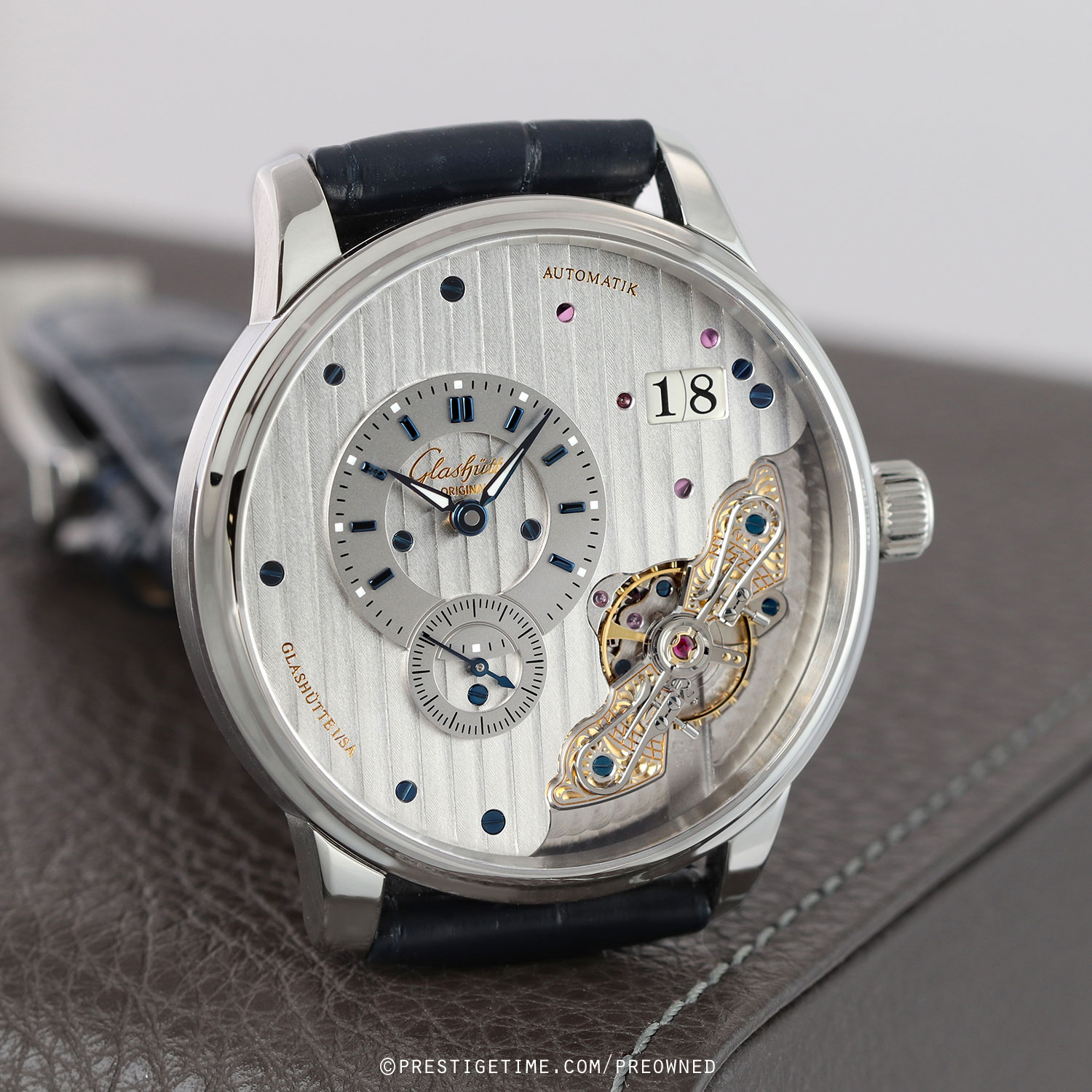
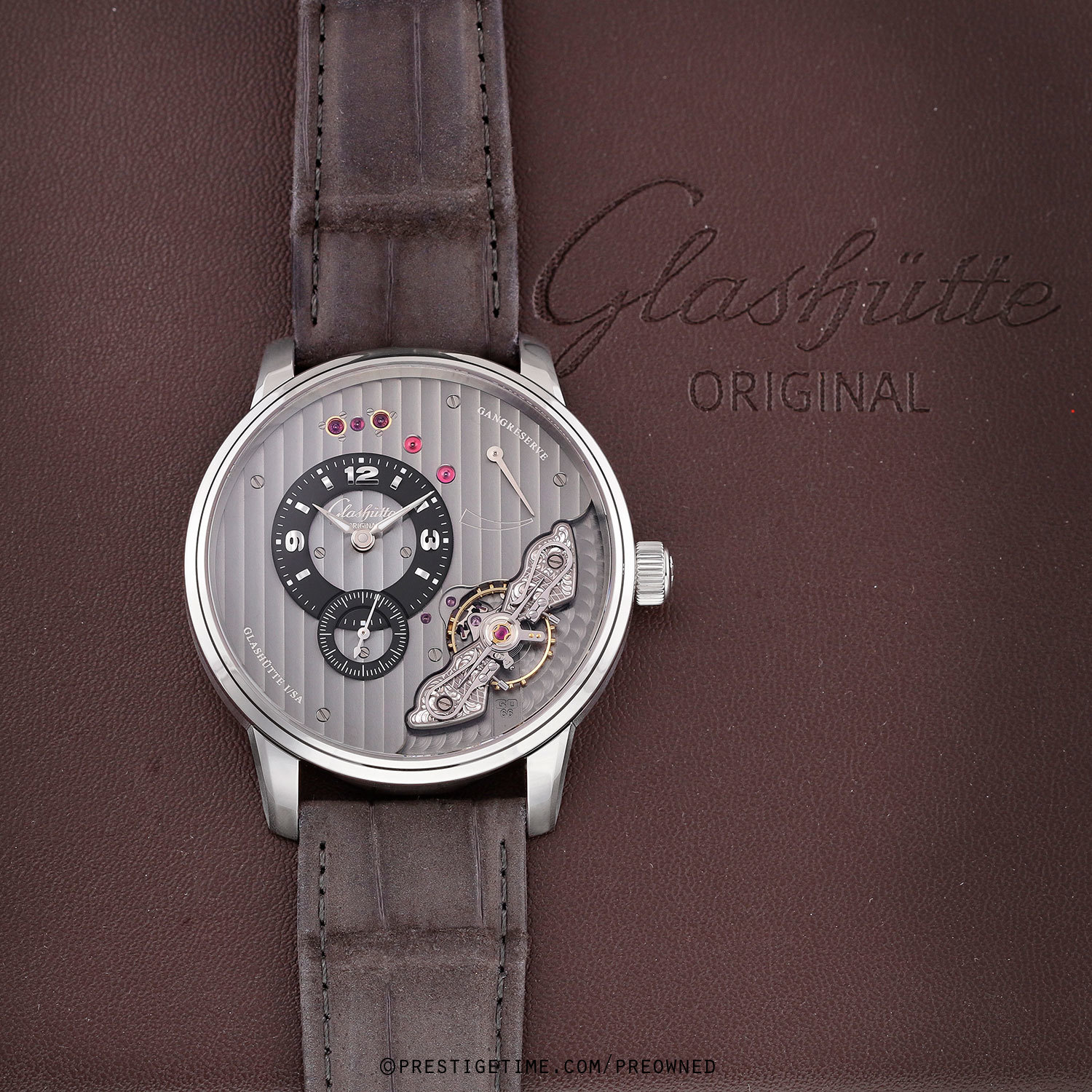
The three-quarter plate is one of the signature components of Glashütte watchmaking, developed in 1865 alongside gold lever wheels and chatons to improve timekeeping precision. Glashütte Original's version is made of untreated German silver and is a defining visual cue when you turn the watch over. It is one of the details that immediately marks a movement as Saxon rather than Swiss.
Is Glashütte Original related to other German watch brands?+
Yes, through a shared hometown. The old state company GUB, formed in 1951, gathered together all seven of Glashütte's horological firms, and brands such as A. Lange & Söhne and Tutima trace back to that same world. Today Glashütte Original stands alongside neighbours like A. Lange & Söhne, Nomos Glashütte and Mühle Glashütte, all bound by the "made in Glashütte" tradition.